
Reviewed · WWII TOURS
Stutthof Concentration Camp English Tour with Gdansk Hotel pickup
Stutthof is a serious place, and this half-day trip gives you a practical way to reach the first concentration camp in Poland without working out rural bus connections. The visit includes a short film, an English-speaking guide, and about two hours inside the camp and museum, where the barracks, crematorium, gas chamber, and prisoner history make the past painfully real.
I like two things right away: hotel pickup in Gdansk removes much of the day’s transport fuss, and the guides bring context that signs alone cannot provide. Drivers such as Christopher and Simon have also added useful local history during the road journey. The main drawback is time. Two hours can feel rushed, especially if you want to read every display or sit quietly with what you have seen.
Key points at a glance
- Hotel-to-hotel convenience: Pickup is available from Gdansk hotels and other accommodations, with drop-off at the original address or a central city stop.
- A focused two-hour visit: The guided portion covers the camp’s important buildings and rooms, followed by only limited time to look around independently.
- English guidance throughout: The driver speaks English, and an English-speaking museum guide leads the visit at Stutthof.
- A moving historical site: Barracks, exhibits, the gas chamber, ovens, and prisoner records create a difficult but important visit.
- Small-group transport: The maximum group size is 24 people, with travel in an air-conditioned vehicle.
- Plan for winter and walking: Warm clothes and comfortable shoes matter, and a stroller may not work inside many buildings.
Why Stutthof makes a powerful day trip from Gdansk
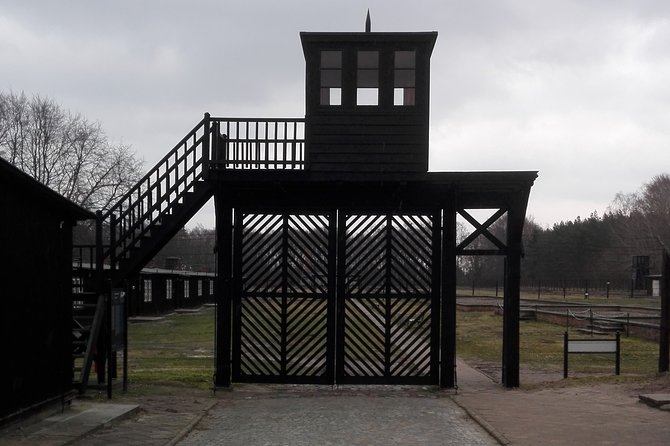
Stutthof is not a casual sightseeing stop. It is a place for learning, remembrance, and quiet reflection. The setting and preserved buildings help you understand how the camp operated, while the museum displays add personal and historical detail about the people imprisoned there.
I appreciate that the visit does not rely only on a guide speaking while you walk. A short documentary plays at the beginning, giving you basic orientation before you enter the grounds. That helps you understand the layout and the purpose of the camp before the more difficult exhibits begin.
The experience also puts attention on daily life inside the camp, not only on its most shocking sites. Your guide may explain the prisoner system, the camp leadership, the rooms used by prisoners, and the experiences of people from different countries. That wider view is important. It turns the visit from a list of grim objects into a clearer account of how the camp functioned.
The camp is smaller than Auschwitz, so this is a more focused visit. That does not make it less serious. It simply means you can see the main areas within a half day from Gdansk. If you want an introduction to Nazi concentration camps and the history of Polish prisoners, Stutthof gives you a direct and manageable experience.
More WWII Tours in Gdansk
- Gdansk: Guided Round-Trip Cruise to Westerplatte
★ 4.3 · 865 reviews - Gdansk: Stutthof Concentration Camp Regular Tour
★ 4.7 · 361 reviews - Stutthof Concentration Camp:Guided Tour with Transportation
★ 4.7 · 57 reviews
Pickup from Gdansk and the road to Sztutowo
The morning usually begins with pickup between 7:30 and 9:00. The advertised start time is 8:00, but the exact pickup hour is confirmed the day before. You can be collected from a Gdansk hotel or accommodation, provided the address is reachable. There is also a pickup option at the Shakespeare Theater if that works better.
This door-to-door arrangement is one of the tour’s strongest points. You do not need to find a station, work out a rural connection, or arrive at an unfamiliar meeting place. At the end, you are taken back to your pickup address or to one of the company’s city-center drop-off points.
The drive usually takes about 45 to 60 minutes each way. That means two hours of transport are built into a four to five-hour experience. I see this as a fair trade for ease, especially if you are staying in central Gdansk or have only a few days in the city.
The driver is part of the experience, not simply a person behind the wheel. Christopher has been praised for discussing the ancient history of the area and pointing out places of interest along the route. Simon has also been singled out for his friendly manner and broad knowledge of Poland. Do not expect a full sightseeing tour from the vehicle, but the journey can add useful context.
Pickup from Sopot may be possible for an extra charge. If your accommodation is not on the standard pickup list, give the full address when booking so the company can check access. The tour requires a minimum number of participants, so a solo booking may be moved to another date if that minimum is not reached.
The documentary and first moments at Stutthof
Before the walking tour, you watch a short documentary. This is a helpful first step because the site can feel confusing and emotionally heavy when you first arrive. The film gives you a basic framework before you begin moving through the grounds.
After that, you meet the museum guide. The guide is an English-speaking educator connected with the museum, rather than simply the same person who drove you from Gdansk. Past guides have included Marek, Michael, Thomas, and Anya, with several praised for clear English, careful explanations, and a respectful manner.
Guide quality matters here. The buildings and displays are powerful, but without context you may miss how the camp changed over time or why a particular room matters. A good guide connects the physical site to the people held there, the camp administration, and the daily routines forced on prisoners.
The guide-led tour lasts about two hours. Some accounts describe roughly 90 minutes of guided walking followed by 30 minutes alone, while others describe only about 15 minutes of independent time. In practical terms, you should expect the guide to control most of the visit and allow only a short period for personal viewing.
Walking through the camp and museum
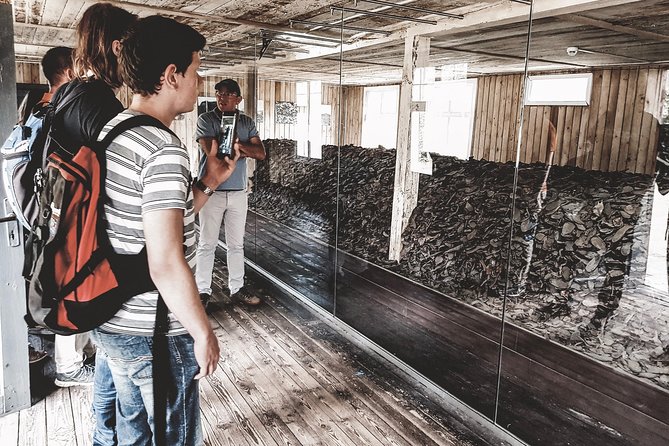
The tour focuses on significant rooms and buildings within the camp. You may see prisoner barracks, displays about those held at Stutthof, and the camp’s most difficult sites, including the gas chamber and ovens. The exhibits are direct, and the preserved setting can make the visit feel more immediate than reading about it in a book.
Information panels in English help you follow the story. Still, you will not have unlimited time to stop at every panel. Several people have found the pace too quick for careful reading, taking photographs, or simply standing quietly. If a particular display matters to you, listen closely to the guide’s explanation first, then use your free time for the items you most want to revisit.
The guide’s role is especially useful at the barracks. Displays can show objects and documents, but a strong explanation helps connect them to the conditions prisoners faced. Michael, Marek, Thomas, and Anya are among the guides praised for bringing clarity and purpose to the visit, though English ability and presentation style can vary.
This is not a light educational outing for children, and the subject matter requires maturity. Families should also note that strollers are not permitted inside most buildings. If you are bringing a small child, a carrier is more practical, though you should consider carefully if the child is old enough to cope with the atmosphere.
More visits to the Stutthof memorial:
- Stutthof Concentration Camp tour including transfer from Gdansk
★ 5.0 · 34 reviews - Stutthof Concentration Camp Half-Day Private Tour
★ 4.8 · 29 reviews - Private transportation to the Stutthof Concentration Camp 4h
★ 4.7 · 28 reviews - Stutthof Concentration Camp: Private Guided Tour with Transport
★ 4.5 · 26 reviews
The biggest tradeoff: two hours is not much
The advertised two-hour Stutthof visit sounds generous until you divide it between guided walking, museum displays, restroom use, photographs, and quiet reflection. The main criticism of this tour is not the transport or the subject matter. It is the limited time to explore alone.
That matters because people process a place like this at different speeds. One person may want to follow the guide closely and move on. Another may need several minutes with a document, photograph, or room. A brisk group schedule cannot suit both.
The guide follows the museum’s schedule and regulations, so the pace is not always something the transport company can change. You should arrive expecting a structured visit, not an open-ended afternoon at the museum. If you need time to read every panel, you may prefer visiting independently or finding a longer-format option.
The short personal period is still useful. Use it deliberately. Before you arrive, decide which parts you most want to revisit. You might spend the free minutes reading one exhibit carefully, returning to a barracks, using the restroom, or simply finding a quiet place to reflect. Trying to see everything in that final window will only add pressure.
Price and value at $147.23
At $147.23 per person, this is not the cheapest way to reach Stutthof. The price includes hotel pickup, return transport, an air-conditioned vehicle, entry fees, insurance, the English-speaking guide, the documentary, and the extended two-hour visit.
The value rests mainly in convenience and guidance. If you would otherwise need to arrange public transport, find the museum entrance, and plan the return journey, the included transfer saves time and mental effort. The driver’s local commentary is a useful bonus, and the English museum guide gives the visit a clearer shape.
The price is harder to justify if you want a long, unhurried museum visit. You are paying for a half-day service with a fixed schedule, not an entire day at Stutthof. The limited independent time means you should choose this tour for organized access and interpretation rather than complete freedom.
For many people visiting Gdansk, that is a reasonable exchange. Stutthof lies outside the city, and a direct ride makes the site much easier to fit into a short stay. If you value flexibility above convenience, compare the cost with public transport before booking.
Weather, clothing, and walking advice
Wear warm layers if you visit in winter. Snow and cold weather can make the outdoor walking more demanding, and the site can feel especially stark in poor weather. One past visit involved heavy snow, which added to the atmosphere but also made the ground harder to walk on.
Comfortable shoes are essential in every season. You will be outside between buildings, and the two-hour tour involves steady walking. This is not the place for thin soles or shoes chosen only for appearance.
Bring water and a small snack for the road, since meals and drinks are not included. You may have a little free time after the museum visit, but do not plan on a full meal break during the scheduled outing.
Photography and personal reflection can be important to some people, but the schedule may limit both. Follow the museum’s rules and use your independent time carefully. The tone of the site calls for quiet attention rather than constant picture taking.
Who should book this Stutthof tour
I would recommend this experience to you if you want to visit a concentration camp from Gdansk but do not want to manage the transport yourself. It suits adults interested in World War II, Holocaust history, Polish history, and the stories of prisoners held at Stutthof.
It also works well if you have only a few days in Gdansk. The four to five-hour duration leaves much of the day available for the city, while the hotel pickup removes the need to organize an early connection.
You should think twice if you need a slow museum visit. Readers who like to study every label, take extensive photographs, or spend long periods alone may find the schedule frustrating. The same is true if you are looking for a light family excursion. The subject is difficult, the walking is real, and strollers are not allowed in most buildings.
A group limit of 24 keeps this from being an enormous coach outing, though the exact feel depends on the day’s bookings. If you care strongly about a private guide or guaranteed extra time, confirm those details before paying.
Booking, cancellation, and practical details
Confirmation is sent at booking, and the exact pickup time is confirmed the day before. The company can collect you from many Gdansk accommodations, but you should provide a full address if your lodging is not on the usual list.
Free cancellation is available up to 24 hours before the local start time. Cancellations or changes inside that window are not refunded. Because the tour requires a minimum number of participants, the company may offer another date or experience, or provide a full refund, if that minimum is not met.
Tips and gratuities are not included. Meals and drinks are also separate. The vehicle, entry fees, insurance, documentary, guide, and transport are included in the stated price.
Should you book it?
Book this Stutthof tour if easy transport and a guided introduction matter more to you than having hours of free museum time. The pickup service is useful, the English guidance adds meaning to the buildings, and the drivers can make the road journey more interesting than a simple transfer.
Do not book it expecting a relaxed, self-paced visit. The two-hour schedule can move quickly, and some of your time may be spent following the guide rather than reading alone. Go prepared with warm clothes, good shoes, and the right frame of mind.
For a first visit to Stutthof from Gdansk, this is a serious and practical choice. Its strongest features are the reliable transfer, respectful museum guidance, and clear focus on an important place. Its weakness is simple: you may leave wishing you had another hour.
FAQ
How long does the Stutthof tour from Gdansk last?
The full experience takes approximately four to five hours, including transport from Gdansk, the museum visit, and the return journey. The guided visit at Stutthof lasts about two hours.
Is hotel pickup included in Gdansk?
Yes. Pickup is offered from hotels and accommodations in Gdansk. You can also request pickup from the Shakespeare Theater meeting point. If your address is not on the usual list, provide it when booking so access can be checked.
What time does pickup take place?
Pickups usually take place between 7:30 and 9:00 in the morning. The advertised start time is 8:00, and the exact pickup time is confirmed the day before.
Is the tour conducted in English?
Yes. The driver speaks English, and an English-speaking guide leads the visit at Stutthof. A short documentary is also shown at the beginning.
Are meals and drinks included?
No. Meals and drinks are not included, so you should bring anything you may need during the half-day outing.
Can I cancel for a full refund?
You can cancel for a full refund up to 24 hours before the local start time. Cancellations or changes made less than 24 hours before the experience are not refunded.
Just added around Gdansk
- Gdansk and Malbork Castle Small Group Tour from Warsaw with Lunch★ 4.5 · 20 reviews
- Westerplatte private tour led by Expert-Guide (door to door)★ 5.0 · 5 reviews
- Whisky Tasting in Gdańsk★ 5.0 · 3 reviews
- Gdansk EVERYDAY Vodka Tasting Tour★ 5.0 · 6 reviews
- Westerplatte – 2h private trip by luxury car|★ 5.0 · 4 reviews
- Private WW2 Tour of Westerplatte,Gdansk and Stutthof Including Lunch★ 5.0 · 12 reviews
- Aiport Gdansk Transfer to Malbork Castle or Stutthof★ 5.0 · 3 reviews
- 5 hours Individual trip to the Stutthof Concentration Camp★ 5.0 · 5 reviews
WWII Tours, compared.

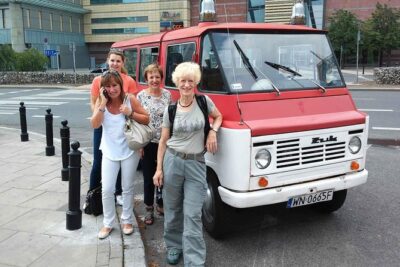
Warsaw for WWII Buffs – private tour with hotel pickup
Read our review →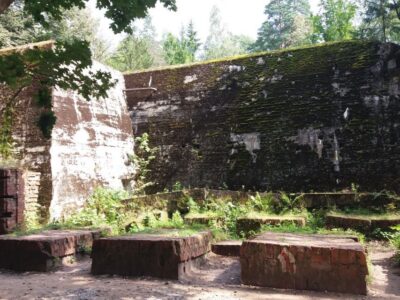
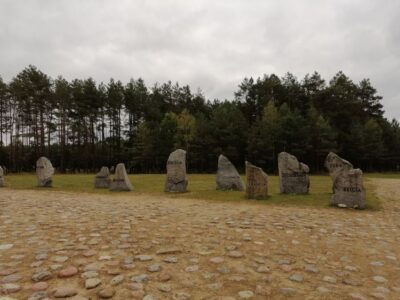
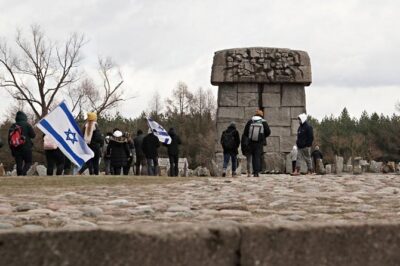
Treblinka Death Camp 6 Hour Private Tour from Warsaw
Read our review →
Majdanek Concentration Camp & Lublin Full Day Private Tour from Warsaw
Read our review →Browse the lists this tour appears in