
Reviewed · WWII TOURS
Stutthof Concentration Camp Regular Tour from Gdansk
Stutthof is not a sightseeing stop in the usual sense. It is a place of murder, forced labor, and human suffering, and the visit asks for quiet attention. This half-day tour takes you from Gdansk to the former camp, where an English-speaking guide leads you through the barracks, gas chambers, crematorium, commander’s villa, and memorial.
I like the door-to-door pickup, which removes the trouble of arranging transport to Sztutowo. I also like the small group limit of 16, since guides such as Michael, Thomas, and Mikey can explain difficult material without turning the visit into a noisy crowd.
The main drawback is time. The guided visit lasts about two to two and a half hours, and that may feel short if you want to read every exhibit or stand alone at the memorial. The operator has added 15 minutes of personal time, but this remains a tightly planned half-day outing.
Key points to know before booking

- The camp visit lasts about two to two and a half hours, including the museum guide’s explanation and a short period for personal reflection.
- Hotel and apartment pickup is available in Gdansk and Sopot, with return to your accommodation or central Gdansk.
- The drive takes roughly 45 to 60 minutes each way, depending on traffic.
- Groups are limited to 16 people, though the minimum needed to run the tour is two.
- English-speaking guides lead the camp visit, with Michael, Thomas, Mikey, and others praised for clear and sensitive explanations.
- The subject is severe and unsuitable for young children, with the operator advising against participation for children under 13.
Why Stutthof is a serious half-day visit
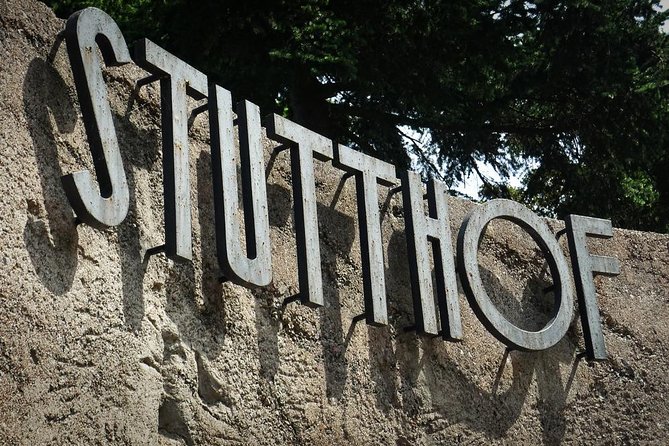
Stutthof was the first Nazi concentration camp established outside German territory. It began operating in 1939, after the invasion and occupation of Poland, and later became a place of mass imprisonment and murder. More than 60,000 people died there.
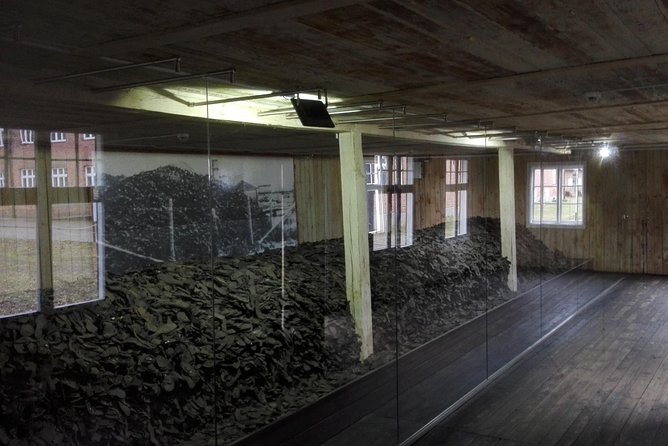
You will not get a light museum outing with a few dramatic photo stops. The camp grounds, surviving structures, exhibits, and memorial make the history physical. You see where people were held, where prisoners were forced to work, and where mass killing took place.
That directness is why the guide matters so much. A good guide gives the site order and context, explains what you are seeing, and handles the subject with care. Michael is especially well regarded for his calm, compassionate approach. Thomas has also been praised for explaining both the camp and the wider Second World War. Simon, who may accompany you during the drive, has added background about Pomerania, Poland, and even local amber.
I would plan this visit for a day when you can slow down afterward. Returning to Gdansk immediately after such a place can feel abrupt, especially if the visit affects you more strongly than expected.
More WWII Tours in Gdansk
- Gdansk: Guided Round-Trip Cruise to Westerplatte
★ 4.3 · 865 reviews - Gdansk: Stutthof Concentration Camp Regular Tour
★ 4.7 · 361 reviews - Stutthof Concentration Camp English Tour with Gdansk Hotel pickup
★ 4.5 · 73 reviews
Leaving Gdansk between 7:30 and 9:30
The advertised start time is 8:00 in the morning, but your actual pickup may fall anywhere from about 7:30 to 9:30. You receive the exact time around 12 hours before departure, so keep your morning flexible.
Pickup is available from hotels, apartments, and other locations in Gdansk, as well as Sopot. This is one of the tour’s best practical features. You do not need to find a railway connection, organize a taxi to Sztutowo, or work out a return trip after an emotionally demanding visit.
The driver collects the other members of the group before heading east. The ride normally takes 45 to 60 minutes, though traffic can affect the timing. That gives the driver or accompanying guide a chance to explain the area. Simon, for example, has used the journey to discuss the countryside and amber, giving you some local context before reaching the camp.
One useful detail from the experience is that drivers may be flexible while collecting people. On one occasion, a driver used spare time to give a quick walking introduction to Gdansk’s Old Town. You should not count on that as part of the itinerary, but it shows that the transfer can be more personal than a basic point-to-point ride.
For pickup from Gdynia port, contact the operator before booking. That transfer is not included in the standard arrangement and costs from 219 PLN extra.
Entering the old and new camp quarters
At Stutthof, the transport portion ends and a licensed English-speaking museum guide takes over. The guided visit lasts roughly two to two and a half hours.
You see the old and new camp sections, which helps show how the site developed and expanded. The setting is not reduced to a single building or one exhibit. You move through a large former camp complex, with the size of the grounds helping you understand the scale of imprisonment.
The guide also explains the persecution of people in Pomerania and the German occupation. This regional context matters. Stutthof was not an isolated place removed from daily life. Its existence was tied to the occupation and to the wider system of Nazi repression.
Expect a lot of information. The guides cover the camp’s operation, the treatment of prisoners, the war, and the mass murder carried out there. Michael has been especially effective at presenting this material honestly but gently. That balance is important. The subject should not be softened, but a thoughtful guide can help you follow the facts without turning the visit into a shock display.
The commander’s villa, gas chambers, and crematorium
The route includes the commander’s villa, gas chambers, and crematorium. These are among the hardest parts of the visit.
The gas chambers and crematorium are not presented as abstract historical references. You stand at the places connected with organized killing and hear about what happened there. The guide’s explanation gives meaning to the buildings, while the physical setting makes the crimes harder to treat as distant history.
This section can be disturbing, and you should expect it to be. The operator does not recommend the activity for children under 13. Even for older teenagers, parents should consider whether this type of visit is suitable.
The information load is another practical issue. A two-hour tour can cover a great deal, but you may not have time to read every caption or return to an exhibit that caught your attention. Bring your attention rather than trying to photograph everything. If you take pictures, do so with restraint and follow any museum instructions.
More visits to the Stutthof memorial:
- Stutthof Concentration Camp:Guided Tour with Transportation
★ 4.7 · 57 reviews - Stutthof Concentration Camp tour including transfer from Gdansk
★ 5.0 · 34 reviews - Stutthof Concentration Camp Half-Day Private Tour
★ 4.8 · 29 reviews - Private transportation to the Stutthof Concentration Camp 4h
★ 4.7 · 28 reviews
A short pause at the memorial
The tour includes the monument to the camp’s victims. This is the point where the visit often shifts from facts and buildings to personal reflection.
The current plan adds about 15 minutes after the guided portion for you to walk alone, reflect, or take photographs. That extra time was added after feedback from people who wanted a quiet moment without the guide speaking continuously.
Fifteen minutes is useful, but it is not a full independent museum visit. If you want to read every display, spend a long time at the memorial, or revisit several buildings, you may still feel rushed. One earlier version of the schedule left little or no time alone, so the added pause is a real improvement, but you should not expect an open-ended visit.
Weather can also shape this part of the tour. The grounds may feel cold and raw, and unpleasant conditions can make it harder to linger outside. Wear clothing suited to the forecast and comfortable shoes. The supplied details do not specify a dress code or special equipment, so simple practical clothing is the sensible choice.
How the small group changes the visit
The tour has a maximum of 16 people. That is small enough to hear the guide more easily and to ask a question without addressing a large crowd.
A small group does not mean a private tour. You share the vehicle and the museum guide with other people, and the exact number may vary. The minimum to organize the trip is two people. If that minimum is not reached, the operator may cancel and offer another date or a full refund.
The group limit is especially helpful at a place like Stutthof. You are dealing with serious material, and a smaller group generally makes it easier for the guide to keep the tone respectful. It also gives you more room to stay focused on the explanation rather than on managing a large party.
At the same time, the pace is set by the group. If you prefer to stop for long periods, read every panel, or move through the grounds alone, a private visit may suit you better. This regular tour is designed to give you structure and transport, not complete freedom.
Guides who shape the experience

The strongest part of this outing is the human explanation at the camp.
Michael is known for a kind, careful style and for explaining the camp in relation to the wider history of the Second World War and earlier conflicts in Poland. He has also suggested books for people who want to continue learning after returning home.
Thomas has been singled out for his detailed account of the camp and its stories. Mikey has also led the tour in a way that combines clear explanation with a personable manner. These names do not guarantee who will lead your visit, but they show the level of guide experience the operator aims to provide.
The transfer driver also affects the day. The ride is not only about getting from Gdansk to Sztutowo. Drivers keep people informed, provide a comfortable vehicle, and may add background along the way. That said, the driver is not a replacement for the museum guide. The main historical presentation takes place once you arrive at Stutthof.
Is $140.43 a fair price?
At $140.43 per person, this is not the cheapest way to reach Stutthof. You are paying for a half-day package rather than simple admission: pickup in Gdansk or Sopot, transport in both directions, an English-speaking museum guide, entry, and a small-group format.
The value is strongest if you want convenience. Door-to-door transport saves you from coordinating several connections, and the operator handles the timing between Gdansk and Sztutowo. For a first visit to the area, that can be worth paying for.
The price is less attractive if you already have reliable transport and want to spend a full day at the museum. The scheduled visit lasts about 4 to 5 hours in total, including the drive, so the amount of time at Stutthof is limited.
Check the payment details carefully when booking and during pickup. One booking produced confusion over an additional charge connected with the minimum group requirement and a private pickup from Sopot. The operator asked the customer to contact them to resolve the matter. That does not prove a general problem, but I would confirm the final price, pickup location, and any possible supplement before departure.
The return to Gdansk
After the camp visit and the short personal pause, you return by vehicle. The trip back normally takes another 45 to 60 minutes, depending on traffic.
Drop-off is available at your accommodation or in Gdansk city center. This makes it easy to continue with dinner or return to your room, though I would avoid booking an important timed activity immediately afterward. Pickup times can vary, and the visit itself may leave you wanting a quiet break.
The overall duration is listed as about four to five hours. In practice, the time depends on the number of pickups, traffic, and the exact start time. Treat the morning as a half-day commitment rather than planning around a precise return minute.
Who should book this Stutthof tour?
I would recommend it to you if you are staying in Gdansk or Sopot and want a guided visit without handling transport yourself. It suits first-time visitors who want clear English explanations and a structured route through a difficult site.
It is also a good match if you value a small group but do not need a private tour. The maximum of 16 keeps the outing personal enough for questions while keeping the price below a fully private arrangement.
I would think twice if you need a long, self-guided museum visit. The added 15 minutes helps, but the schedule still gives priority to the guided route. You may want more time to read, pray, take notes, or return to the exhibits that affected you most.
I would also avoid booking it as a casual family excursion. The operator does not recommend it for children under 13, and the material is serious for adults as well.
Should you book it?
Book this tour if you want reliable transport, a careful English-speaking guide, and a structured visit to one of Poland’s most difficult historical sites. Guides such as Michael, Thomas, and Mikey bring clarity and compassion to the subject, while hotel pickup removes much of the day’s practical work.
Do not book it expecting a relaxed museum morning or plenty of free time. Stutthof demands attention, and the schedule moves at a firm pace. Confirm the pickup time and total price in advance, leave space afterward to process what you have seen, and choose this tour for its guidance and convenience rather than for flexibility.
FAQ
How long does the Stutthof tour from Gdansk last?
The full experience takes approximately 4 to 5 hours, including transportation between Gdansk and Stutthof.
What time does the tour start?
The stated start time is 8:00 am, but the confirmed pickup may be scheduled between about 7:30 and 9:30.
Where can I be picked up?
Pickup is available from hotels, apartments, and other locations in Gdansk or Sopot.
Is pickup from Gdynia port included?
No. Pickup and drop-off from Gdynia port require advance contact with the operator and an additional payment from 219 PLN.
How long is the drive to Stutthof?
The journey usually takes about 45 to 60 minutes each way, depending on traffic.
How long do I spend at Stutthof Concentration Camp?
The museum and camp visit lasts about 2 to 2.5 hours. The schedule also includes around 15 minutes of personal time after the guided portion.
Is the tour conducted in English?
Yes. The Stutthof visit is led by a licensed English-speaking guide.
How many people can join the tour?
The group has a maximum of 16 people. At least two people are required for the tour to operate.
Can I cancel for a full refund?
Yes. You can cancel at least 24 hours before the local start time for a full refund. Cancellations or changes made less than 24 hours before departure are not accepted for a refund.
Just added around Gdansk
- Gdansk and Malbork Castle Small Group Tour from Warsaw with Lunch★ 4.5 · 20 reviews
- Westerplatte private tour led by Expert-Guide (door to door)★ 5.0 · 5 reviews
- Whisky Tasting in Gdańsk★ 5.0 · 3 reviews
- Gdansk EVERYDAY Vodka Tasting Tour★ 5.0 · 6 reviews
- Westerplatte – 2h private trip by luxury car|★ 5.0 · 4 reviews
- Private WW2 Tour of Westerplatte,Gdansk and Stutthof Including Lunch★ 5.0 · 12 reviews
- Undercover City Games: Gdynia★ 5.0 · 34 reviews
- Aiport Gdansk Transfer to Malbork Castle or Stutthof★ 5.0 · 3 reviews
WWII Tours, compared.

Warsaw for WWII Buffs – private tour with hotel pickup
Read our review →
Treblinka Death Camp 6 Hour Private Tour from Warsaw
Read our review →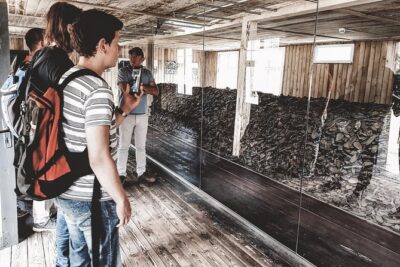
Stutthof Concentration Camp English Tour with Gdansk Hotel pickup
Read our review →Browse the lists this tour appears in