
Reviewed · WWII TOURS
Private WW2 Tour of Westerplatte,Gdansk and Stutthof Including Lunch
The emotional center of this private Gdansk tour is Stutthof concentration camp, where two hours with a certified English-speaking guide put the city’s wartime story into human terms. You then follow the road back through Westerplatte, the Polish Post Office, and Old Town sites tied to the opening days of World War II.
I like the private minibus, which saves you from piecing together several distant sites yourself. I also like the pause at Stegna beach, where lunch beside the Baltic Sea gives you a needed change of mood. The main drawback is the long, serious day: Stutthof can be emotionally difficult, and the schedule leaves limited room for an unplanned stop.
Key points to know before booking
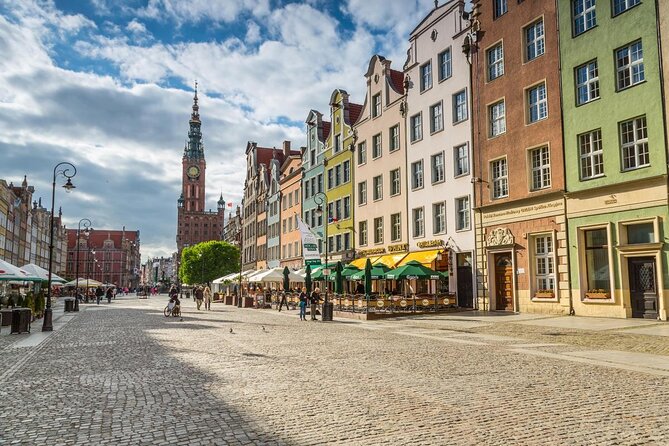
- Stutthof takes about three hours including the transfer and guided museum visit, making it the day’s main historical stop.
- Westerplatte marks the opening of World War II, where the German battleship Schleswig-Holstein fired on the Polish garrison on September 1, 1939.
- Lunch at Stegna beach breaks up the solemn subject matter with time beside the Baltic Sea.
- Maciej is the named guide associated with the tour, and he is praised for clear English, strong historical explanations, and flexibility.
- Private pickup is available from Gdansk hotels and the Port of Gdansk, useful when your group wants a door-to-door day.
- The price is $255.18 per person, so the value improves as your private group grows and makes use of the included transport, guiding, lunch, and Stutthof admission.
Why Stutthof gives this day its weight
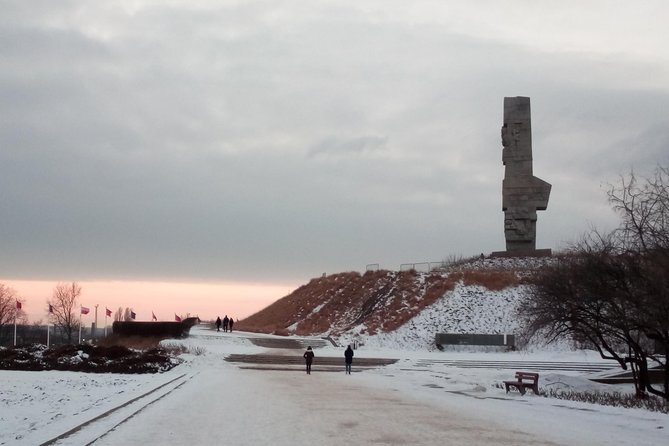
Many Gdansk history tours focus on the pretty waterfront and rebuilt Old Town. This one begins farther out, at Stutthof, and asks you to face one of the darkest parts of the region’s past.
The private minibus ride takes about an hour. On the way, Maciej explains the difficult political setup of the interwar period: the Republic of Poland, Nazi Germany, and the Free City of Gdansk were tied together by borders and agreements that did not produce lasting peace. That background matters because Stutthof is easier to understand when you know how Gdansk’s special political status shaped the years before the war.
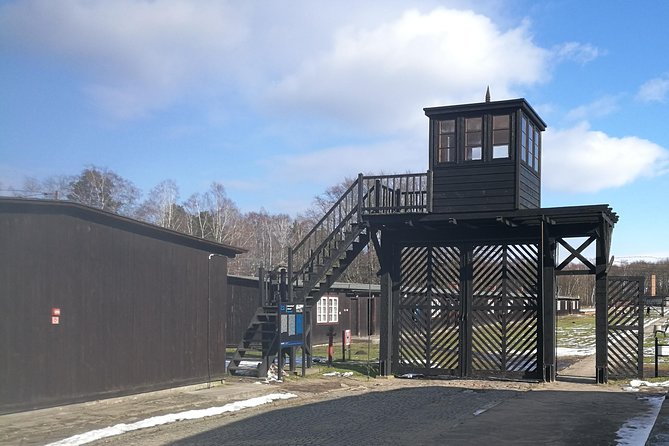
At the Stutthof Concentration Camp Museum, you receive about two hours of guiding from an English-speaking certified guide. The visit is not presented as a quick photo stop. You have time to listen, ask questions, and take in the site at a more measured pace.
I would plan for this part of the day to be quiet and demanding. Stutthof is not an attraction in the light sense of the word. It is a memorial site and museum connected to mass suffering. Some people will find the visit essential; others may prefer to learn about the war through military sites and city museums instead.
The museum admission is included. That removes one small task from the day, but the greater benefit is having Maciej explain the events in relation to Gdansk rather than leaving you to assemble the story from displays alone.
More WWII Tours in Gdansk
- Gdansk: Guided Round-Trip Cruise to Westerplatte
★ 4.3 · 865 reviews - Gdansk: Stutthof Concentration Camp Regular Tour
★ 4.7 · 361 reviews - Stutthof Concentration Camp English Tour with Gdansk Hotel pickup
★ 4.5 · 73 reviews
The Stegna beach stop changes the rhythm
After Stutthof, the tour continues to Plaza Stegna, a Baltic Sea beach with golden sand. The stop lasts about an hour and a half, including time for lunch before returning to Gdansk.
This is a smart piece of scheduling. After several hours focused on Nazi persecution and the early stages of the war, a meal by the sea gives you space to breathe and talk. It does not make the history easier, but it keeps the day from feeling like one long march through difficult material.
Lunch is included, and the beach stop is free to enter. The supplied details do not specify the restaurant or menu, so I would not book this expecting a particular dish. Think of it as a practical meal stop with a scenic setting, not a separate culinary tour.
Stegna also adds a part of northern Poland that you would not see by staying in central Gdansk. If the weather is good, you can look out over the Baltic and walk on the sand. If the weather turns poor, the stop may feel less rewarding, since the appeal depends heavily on the coast.
Westerplatte is where the war began in Europe
Back in Gdansk, the tour visits Westerplatte, the peninsula that held the Polish Military Transit Depot from 1926 to 1939. Its location was unusual: the depot operated within the territory of the Free City of Danzig, giving Poland a small but important military foothold.
On September 1, 1939, the battleship Schleswig-Holstein opened fire on the Polish garrison without warning. The defenders held out for seven days before Major Henryk Sucharski surrendered because ammunition and supplies were running low.
That story gives Westerplatte its power. You are not simply visiting a battlefield. You are seeing the place associated with the first shots of World War II, then hearing how a small garrison resisted for a week against a stronger force.
The stop lasts about an hour. The outdoor setting gives you room to move, but you should still expect walking over uneven ground and around a broad peninsula site. The tour information calls for moderate physical fitness, so comfortable shoes are sensible.
Westerplatte can feel more open and less immediately explained than Stutthof. That is where the private guide helps. Maciej’s role is to connect the remains, monuments, and shoreline to the larger political story. Without that context, you might see ruins and memorials without grasping why this particular strip of land matters so much.
The Polish Post Office recalls a different first battle
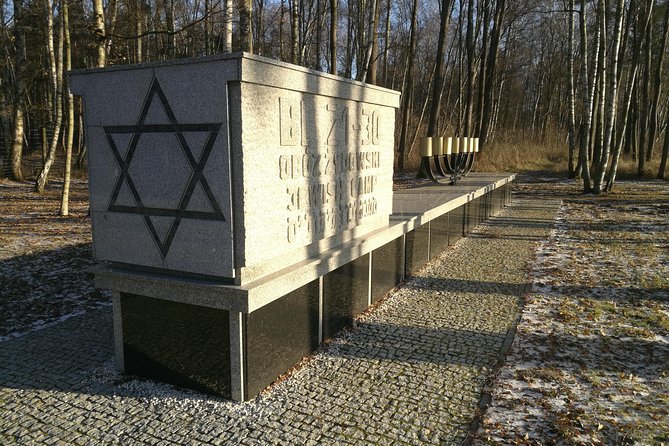
The Museum of the Polish Post Office is represented on this tour by the historic building and the monument to its defenders. The defense of the post office in Danzig was one of the first acts of World War II during the invasion of Poland.
The stop lasts about 30 minutes, so do not expect a full museum visit with hours inside the galleries. Instead, you get a focused look at a site connected to the civilian side of the opening conflict.
That contrast is useful. Westerplatte was a military depot. The Polish Post Office brings the story into the city and shows how the first days of the invasion affected people working in an ordinary public institution. The short visit works best when Maciej explains the event while you look at the building and monument.
If you are especially interested in the post office battle, ask at booking whether the visit includes interior museum access. The supplied tour details specifically promise the historical building and defenders’ monument, while the scheduled time is brief.
More visits to the Stutthof memorial:
- Stutthof Concentration Camp:Guided Tour with Transportation
★ 4.7 · 57 reviews - Stutthof Concentration Camp tour including transfer from Gdansk
★ 5.0 · 34 reviews - Stutthof Concentration Camp Half-Day Private Tour
★ 4.8 · 29 reviews - Private transportation to the Stutthof Concentration Camp 4h
★ 4.7 · 28 reviews
Old Town reveals wartime damage beyond the postcard streets
The final listed stop is Gdansk Old Town, where you look for remains of World War II, including Victoria Schulle, bunkers, and ruins from the 1940s. The stop lasts about an hour.
Gdansk’s central streets are attractive and heavily rebuilt, so it is easy to assume the historic center survived the war intact. This part of the tour encourages you to look past the restored facades and notice traces of the destruction and military period.
The Old Town stop also helps tie the day together. You begin with the interwar tensions outside the city, visit a concentration camp and the Baltic coast, then return to places inside Gdansk that carry their own wartime scars.
One useful feature of a private tour is the ability to ask questions at the moment you see something puzzling. Maciej is described as using pictures and detailed explanations to make the story easier to follow. That can be especially helpful in Old Town, where the evidence is less dramatic than the Stutthof buildings or Westerplatte ruins.
Some outings connected with this guide have also included the old synagogue, Shakespeare Theatre, Kindertransport Memorial, and other city sites. The supplied route lists the Polish Post Office and wartime Old Town locations, so treat those additional places as possible guide flexibility rather than guaranteed stops.
What Maciej adds to the day
The guide is central to the value here. Maciej is repeatedly praised for excellent English, clear explanations, friendly conversation, and the ability to keep both adults and young adults involved.
That last point matters. World War II history can become a list of dates and military names. A guide who answers questions and adjusts explanations to the group can turn the day into an active history lesson rather than a string of photo stops.
The tour also appears to benefit from a flexible approach. One group was taken to Stegna beach after a change in plan, and another described a full day that included extra Gdansk locations. Still, flexibility is not the same as a promise. The core route is Stutthof, Stegna, Westerplatte, the Polish Post Office, and Old Town.
I would tell Maciej before departure how much detail your group wants. History fans may enjoy extended discussion of the Free City of Danzig and the opening campaign. Families with younger adults may prefer a clear timeline with time for questions. The private format gives you a better chance of getting that balance than a large fixed group.
How the private format affects the value
The listed price is $255.18 per person. That is a high price for a day out, but it covers several costs that would otherwise require separate planning: private transportation, hotel or port pickup, an English-speaking certified guide, Stutthof admission, lunch, and visits to sites spread across the region.
The value depends on group size. For one or two people, the price will feel substantial. For a family or small private group, the cost becomes easier to justify because you are paying for a dedicated vehicle and guide rather than several individual tickets and transfers.
The tour lasts about six to seven hours, with a start time between 8:30 and 10:30 in the morning. The listed stop times add up to roughly six and a half hours, including the Stutthof transfer and visit. Pickup from Gdansk hotels and the Port of Gdansk is available, which is useful if you do not want to navigate public transport with a full day ahead.
The tour has a mobile ticket and is offered in English. Group discounts are listed, but the exact discount is not provided, so check the price for your party before deciding.
Who will get the most from this tour
I would choose this experience if you want the broad wartime story of Gdansk in one day and prefer a private guide to independent research. It suits people interested in Polish history, World War II, military sites, Holocaust history, or family connections to Poland.
It also works well for a group with mixed ages. The beach stop breaks up the day, and the private setting allows Maciej to explain events at a pace that keeps younger adults engaged.
I would hesitate if you want a relaxed sightseeing day. Stutthof is emotionally serious, and the route covers several places with limited downtime. The beach lunch helps, but this is still a history-focused outing rather than a casual city tour.
You should also be comfortable with moderate physical activity. The day involves getting in and out of a minibus, walking at outdoor historic sites, and spending time at Stutthof and Westerplatte. No detailed accessibility information is provided, so contact the operator before booking if mobility is a concern.
Practical tips for making the day work
Wear comfortable shoes and dress for changing coastal weather. Stegna is beside the Baltic Sea, and wind or rain can affect the beach portion even when Gdansk feels mild.
Give yourself emotional space at Stutthof. You do not need to rush from one display to the next, and a private guide makes it easier to pause or ask for a clearer explanation.
If your group has specific family-history questions, prepare them before pickup. Maciej’s strong command of English and broad command of Gdansk history make this a good setting for asking about places, dates, and political details that a standard city walk might skip.
For cancellation, you can receive a full refund if you cancel at least 24 hours before the start time. Changes or cancellations inside that window are not accepted for a refund, and the tour may be rescheduled or refunded if its minimum number of participants is not reached.
Should you book this Gdansk WW2 tour?
Book it if you want Stutthof and Westerplatte explained as part of one connected story, not as isolated sights. The private minibus, included lunch, hotel or port pickup, and English-speaking guide make the day practical, while Maciej’s clear explanations add the human context that these sites need.
Skip it if you are looking for light sightseeing or if a concentration camp visit would make the day too difficult. For history-minded visitors, families exploring Polish roots, and anyone wanting a serious but well-paced look at Gdansk’s wartime past, this is a strong use of one full day.
FAQ
How long does the private WW2 tour last?
The tour lasts approximately six to seven hours. The listed schedule includes travel, guiding, lunch, and visits to Stutthof, Stegna, Westerplatte, the Polish Post Office, and Old Town.
Is hotel pickup available in Gdansk?
Yes. Pickup is available from hotels in Gdansk and from the Port of Gdansk.
Is the tour offered in English?
Yes. The tour is offered in English, with an English-speaking certified guide.
Who is the guide?
The guide associated with the experience is Maciej. The tour information describes him as an English-speaking certified guide.
Is Stutthof admission included?
Yes. Admission to the Stutthof Concentration Camp Museum is included.
Is lunch included?
Yes. Lunch is included during the stop at Plaza Stegna beside the Baltic Sea.
What places are visited?
The route includes Stutthof Concentration Camp, Plaza Stegna, Westerplatte, the Museum of the Polish Post Office area, and Gdansk Old Town wartime sites.
Does the tour visit where World War II began?
Yes. It visits Westerplatte, where the German battleship Schleswig-Holstein opened fire on the Polish garrison on September 1, 1939.
Is this a private activity?
Yes. Only your own group participates in the private tour.
What is the cancellation policy?
You can cancel at least 24 hours before the experience starts for a full refund. Cancellations or changes made less than 24 hours before the start time are not accepted for a refund.
Just added around Gdansk
- Gdansk and Malbork Castle Small Group Tour from Warsaw with Lunch★ 4.5 · 20 reviews
- Westerplatte private tour led by Expert-Guide (door to door)★ 5.0 · 5 reviews
- Whisky Tasting in Gdańsk★ 5.0 · 3 reviews
- Gdansk EVERYDAY Vodka Tasting Tour★ 5.0 · 6 reviews
- Westerplatte – 2h private trip by luxury car|★ 5.0 · 4 reviews
- Aiport Gdansk Transfer to Malbork Castle or Stutthof★ 5.0 · 3 reviews
- 5 hours Individual trip to the Stutthof Concentration Camp★ 5.0 · 5 reviews
- Undercover City Games: Gdynia★ 5.0 · 34 reviews
WWII Tours, compared.
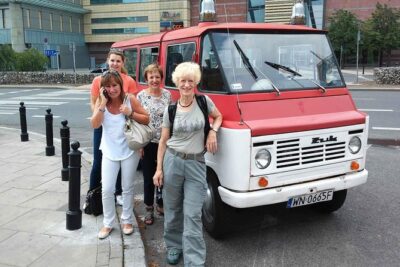
Warsaw for WWII Buffs – private tour with hotel pickup
Read our review →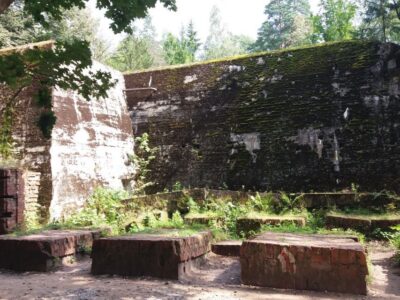
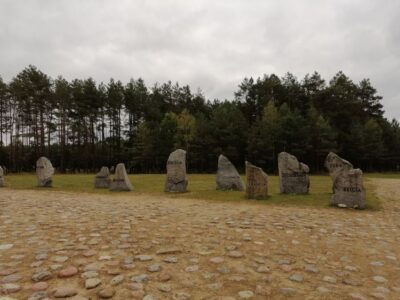
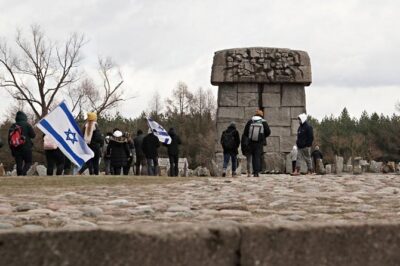
Treblinka Death Camp 6 Hour Private Tour from Warsaw
Read our review →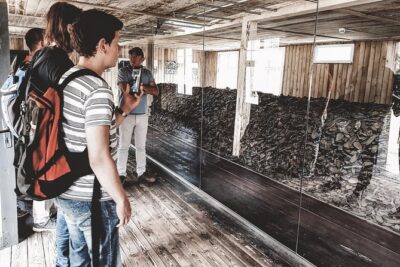
Stutthof Concentration Camp English Tour with Gdansk Hotel pickup
Read our review →Browse the lists this tour appears in