
Reviewed · SCHINDLER FACTORY TOURS
Kraków: Schindler’s Factory and Former Ghetto Tour
Kraków’s former ghetto is best understood on foot, but this tour gives you a practical way to connect its scattered sites before spending serious time inside the Oscar Schindler Factory museum. You ride through Podgórze in a quiet electric car, stopping at Ghetto Heroes Square, Eagle Pharmacy, and remnants of the wall that once enclosed the ghetto.
I like the easy transport and the clear prerecorded audio tour, especially if you want to cover several locations without a long walk. The main drawback is that this is not a traditional guided tour. You will not have a guide beside you to answer questions, and the museum’s main exhibition is about Kraków during the German occupation, not a full biography of Oskar Schindler.
Key points before you book
- Ghetto Heroes Square sets the tone: Fifteen minutes here introduces the place where the former ghetto’s story is made painfully visible.
- Eagle Pharmacy adds a personal human angle: You get about 30 minutes at this important site, with admission included.
- The electric car saves time and effort: You can move between Podgórze locations with easy stops for photographs.
- Schindler’s Factory takes most of the visit: Allow 75 minutes for the museum’s detailed exhibition about Kraków, its Polish and Jewish residents, and the German occupation.
- The audio guide is prerecorded: It is clear and easy to hear, but you cannot ask follow-up questions during the ride.
- The $65 price depends on what you value: It makes sense if you want transport, several included admissions, and a structured visit in about two hours.
Why Podgórze matters to this tour
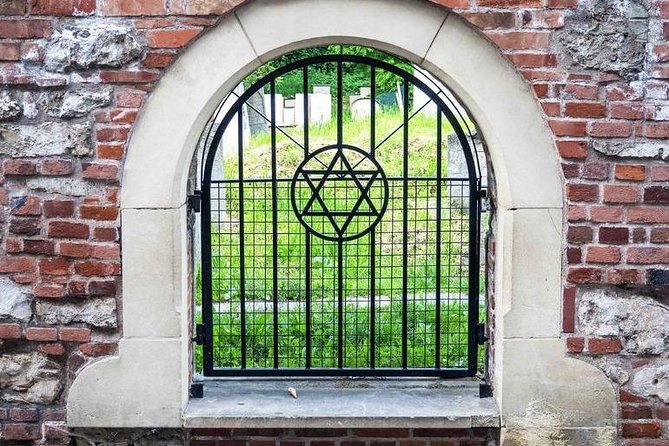
Podgórze lies south of Kraków’s historic center, across the Vistula River. During World War Two, the German occupiers forced Jewish residents into a closed ghetto here. The tour focuses on the places that remain connected to that period, rather than treating the subject as a distant museum topic.
That matters because the former ghetto is not one single attraction. Its story is spread across a square, a pharmacy, fragments of the old wall, and the factory museum. Moving between those places helps you see how daily life, forced confinement, and the machinery of occupation fit together.
The tour begins from one of two central Kraków meeting points. A driver greets you and takes you through Podgórze in an electric car. Pickup is offered, and one past booking included a hotel pickup that arrived on time, so it is worth checking the exact pickup arrangement when you book.
The electric vehicle is more than a novelty. It lets you cover several sites without arranging separate transport, and getting on and off is simple. If you have limited time or do not want to walk the entire district, this format has real value.
Still, the car is only the transport. The historical explanation comes through recorded audio, and your museum visit is self-guided. I would choose this tour for efficient orientation, not for a long conversation with a historian.
More Jewish Heritage Tours in Krakow
- Krakow: Schindler’s Factory & Ghetto Guided Tour
★ 4.7 · 1,694 reviews - Krakow: Jewish Quarter and Former Ghetto Tour
★ 4.9 · 1,441 reviews - Krakow: Bike Tour of Old Town, Jewish Quarter and the Ghetto
★ 4.9 · 1,155 reviews
Ghetto Heroes Square and its empty chairs
The first stop is Plac Bohaterów Getta, usually called Ghetto Heroes Square. You have about 15 minutes here, with no separate admission charge.
The square is known for its rows of empty chairs. They represent the possessions and lives left behind when Jewish residents were removed from the ghetto. The image is direct and hard to forget. It gives you a clear starting point before the more detailed museum visit.
Fifteen minutes is enough to see the square, listen to the audio explanation, and take photographs. It is not enough for a long, reflective visit, especially if you want to read every nearby sign or discuss the site with someone. I would use this stop to pay attention to the layout and the meaning of the chairs rather than rush through it as a photo stop.
The audio guide helps provide context, but remember that it is prerecorded. You will hear the same prepared explanation as everyone else, with no chance to ask why a particular location matters or how the site connects to another part of Kraków.
That limitation may matter less here than at the museum. The square is visually clear and emotionally powerful. Even a short visit can give you a strong sense of place.
Eagle Pharmacy and the story behind the counter
The next stop is Apteka pod Orłem, or Eagle Pharmacy. You spend about 30 minutes here, and admission is included.
The pharmacy is important because it represents a place of contact and assistance inside the former ghetto. Its significance is tied to the people who lived under occupation and to the daily reality of trying to survive within a system built to repress them.
This stop adds a more intimate scale to the square. At Ghetto Heroes Square, the empty chairs make a broad public statement. At Eagle Pharmacy, the focus shifts toward a specific working place and the human decisions connected to it.
You should give yourself time to listen closely and look at the displays rather than treating the pharmacy as a quick indoor stop. The audio tour and exhibits do much of the explaining, so the quality of your visit depends on how carefully you take in the material.
The 30-minute allocation is useful, but it can feel tight if you prefer to read everything. Since the stop is included in the two-hour schedule, you will need to keep an eye on time before moving on to the factory.
The remaining wall and what it shows
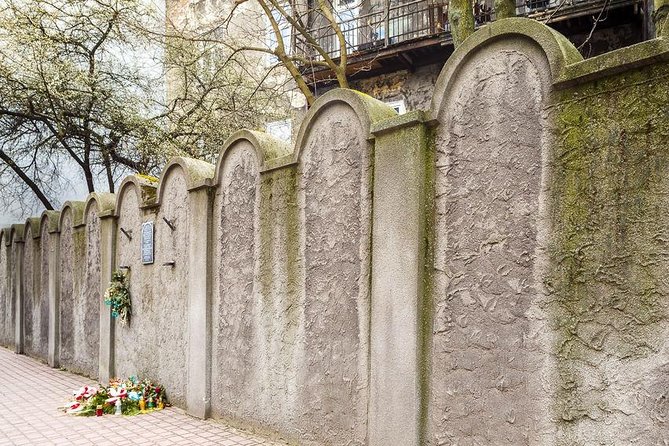
The route also includes remnants of the wall that once surrounded the ghetto. These fragments are easy to overlook if you are focused only on the museum, but they are among the most important physical reminders along the route.
A wall can sound like an abstract historical detail in a book. Seeing what remains makes the forced separation more concrete. It helps you understand that the ghetto was not simply a neighborhood where people were told to stay. It was an enclosed space controlled by the occupying authorities.
The tour gives you a chance to see these remains from the electric car route. The exact amount of time at the wall is not specified, so you should think of it as part of the broader drive through Podgórze rather than a separate long stop.
I like that this detail is included because it connects the major attractions. The square shows the human cost, the pharmacy points toward daily life, and the wall shows the physical system of confinement.
More ways to visit Schindler's Factory:
- Krakow: Oskar Schindler’s Factory Entry Ticket & Guided Tour
★ 4.2 · 3,793 reviews - Krakow: Schindler’s Factory Tour with Entrance Ticket
★ 4.5 · 3,182 reviews - Krakow: Schindler’s Factory Skip-the-Line Ticket
★ 4.4 · 3,105 reviews - Krakow: Schindler’s Factory Tour with Entrance Ticket
★ 4.6 · 1,737 reviews
Inside Oskar Schindler’s Enamel Factory
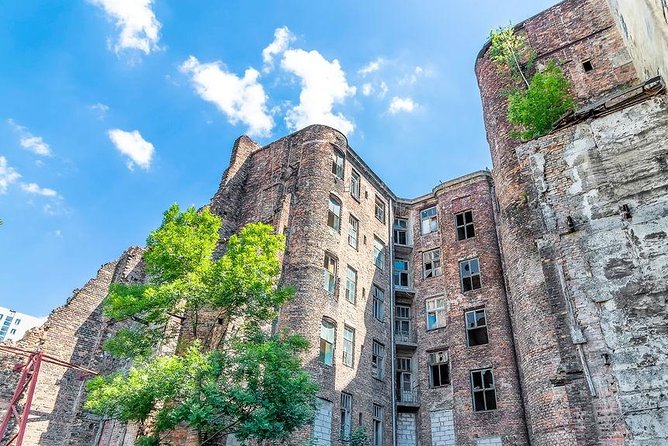
The longest part of the experience is the 75-minute visit to Oskar Schindler’s Enamel Factory. Admission is included.
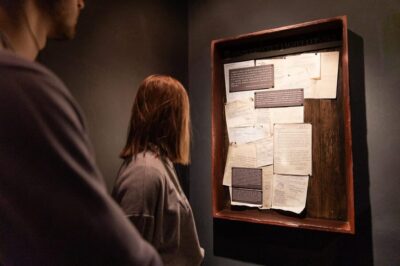
The museum’s main exhibition tells the story of Kraków and its inhabitants during World War Two. It includes both Polish and Jewish experiences, along with the arrival of the German occupiers on September 6, 1939, and the brutal disruption of Kraków’s long Polish-Jewish history.
This distinction is important. The factory is not simply a museum about Schindler, and you should not arrive expecting a complete personal biography of the man portrayed in the film Schindler’s List. The exhibition uses the factory site to explain the city under occupation. Large events meet ordinary life, and individual suffering is placed within the wider war.
That approach gives the museum a broader purpose. You learn about the city, the people who lived there, and the pressures created by German rule. The material is not limited to one heroic figure.
At the same time, this can disappoint you if Schindler is your main reason for booking. The factory’s name may lead you to expect rooms filled with biographical details about his childhood, education, and development. The supplied experience information does not promise that kind of focused biography, and the museum is better understood as an exhibition about Kraków in wartime.
Seventy-five minutes is a useful amount of time, but not enough to absorb every display at a slow pace. I would give the factory your best attention. The first two stops prepare you emotionally and geographically, while this museum supplies the largest amount of information.
The visit is self-guided. You can move at your own pace inside the museum, but there is no personal guide assigned to explain the exhibits or respond to questions. If you already know something about Kraków during the occupation, you may find the format easy to manage. If you prefer interpretation and discussion, bring your own questions and plan extra time elsewhere for further reading.
What the prerecorded audio guide is like
The audio material is clear and easy to hear, according to the practical experience of the tour. That is important in a vehicle, where unclear sound can make a historical explanation frustrating.
The recorded format also keeps the tour moving. You do not need to wait for a guide to gather everyone or repeat the same point several times. The driver handles the route, while the audio provides the prepared explanation.
The tradeoff is simple: you gain efficiency but lose conversation. You cannot stop the driver during the route to ask for more detail in the way you could with a private guide. One person who took the tour found the driver helpful but still missed having someone available for questions.
I would recommend this format if you like listening quietly and then exploring on your own. If you want a debate, a personal story, or detailed answers about Schindler, the ghetto, or individual people, a live guide may suit you better.
Is $65 a fair price?
At $65, the tour is not the cheapest way to see the former ghetto, but the price includes several useful elements. You get transport in an electric car, the audio tour, admission to Eagle Pharmacy, and admission to the Oscar Schindler Factory museum.
The value is strongest if you are staying in central Kraków and want to cover Podgórze in a short window. The vehicle saves time, and the included admissions remove the need to arrange each major stop separately.
The value is weaker if you prefer to walk, study each place for a long time, or ask questions throughout the visit. You are paying partly for convenience and route planning, not only for a guided explanation.
The two-hour schedule is efficient, but it is also fairly full. The square receives about 15 minutes, Eagle Pharmacy about 30 minutes, and the factory about 75 minutes. That leaves little room for delays or extended reflection.
For me, the price makes sense for a first visit when you want a structured introduction and easy transport. I would not choose it solely because of the Schindler name. The strongest reason to book is the combination of Podgórze sites and the museum, all handled in one compact outing.
Who will enjoy this format most?
I would recommend this tour to you if you:
- Have limited time in Kraków
- Want to see several former ghetto sites without walking between them
- Prefer a clear recorded explanation
- Like exploring museums at your own speed
- Want admission to Eagle Pharmacy and the factory included
- Appreciate a small vehicle that makes quick stops simple
I would think twice if you want a personal guide, extensive time at each site, or a biography centered on Oskar Schindler. The museum gives a broader account of Kraków during the occupation, and the tour does not provide a named live guide.
The experience may also suit people who need a more manageable route through Podgórze. The electric car makes the physical movement easier, though the emotional material remains demanding.
Timing, weather, and cancellation details
The tour lasts about two hours. You choose from two central Kraków meeting points, and pickup is offered. Because the schedule includes several stops, arrive ready to begin at the agreed time.
The activity requires good weather. If poor weather causes cancellation, you are offered another date or a full refund. It also requires a minimum number of participants, so a cancellation for that reason brings the same choice of a different date, another experience, or a full refund.
You can cancel for a full refund up to 24 hours before the start time. Inside that 24-hour window, the amount paid is not refunded, and changes are not accepted. The maximum group size is 100, although the electric car format may make the ride feel more contained than that number suggests.
Should you book the Schindler’s Factory and former ghetto tour?
Book it if you want a well-organized two-hour introduction to Podgórze with transport, a clear audio guide, Eagle Pharmacy, Ghetto Heroes Square, the former wall, and the Schindler Factory museum. It is a practical choice when your Kraków schedule is tight.
Skip it if you want a live historian or a detailed personal account of Schindler himself. You will get more from this tour if you see the factory as a museum about Kraków during World War Two, not only as the workplace of one famous man.
For most first-time visitors who value convenience, the tour offers a sensible route through difficult but important places. Just bring the right expectation: you are booking a structured, self-guided experience with helpful transport, not a private conversation about every question the history may raise.
FAQ
How long does the tour last?
The tour lasts approximately two hours. The planned stops include about 15 minutes at Ghetto Heroes Square, 30 minutes at Eagle Pharmacy, and 75 minutes at Oskar Schindler’s Enamel Factory.
Where does the tour begin?
You can choose from two meeting points in central Kraków. Pickup is also offered, so confirm the available pickup details when booking.
Is the tour led by a live guide?
No live guide is described for the sightseeing portion. A driver takes you through Podgórze, and the historical information is provided through a prerecorded audio guide. The museum visit is self-guided.
Is admission included?
Admission to Eagle Pharmacy and Oskar Schindler’s Enamel Factory is included. Ghetto Heroes Square has no admission charge.
What happens if the weather is poor?
The experience requires good weather. If it is canceled because of poor weather, you can choose another date or receive a full refund.
Can I cancel for a full refund?
Yes. You must cancel at least 24 hours before the experience starts for a full refund. Cancellations or changes made less than 24 hours before the start time are not accepted and are not refunded.
Just added around Krakow
- stag dog chase Krakow prank★ 5.0 · 4 reviews
- Divine Mercy Sanctuary – Private Tour from Krakow★ 5.0 · 4 reviews
- ZALIPIE – painted village, unique small group tour from Krakow★ 5.0 · 7 reviews
- ZALIPIE – painted village, unique PRIVATE tour from Krakow★ 5.0 · 20 reviews
- Zalipie Private Tour from Krakow The Painted Village★ 5.0 · 4 reviews
- Wooden Churches Unesco List Private Tour from Krakow★ 5.0 · 14 reviews
- Guided tour to Salt Mine & Schindler Factory with Pick-Up Options★ 4.0 · 58 reviews
- Wawel Castle, Cathedral, & Rynek Underground Tour with Lunch★ 5.0 · 4 reviews
Schindler Factory Tours, compared.
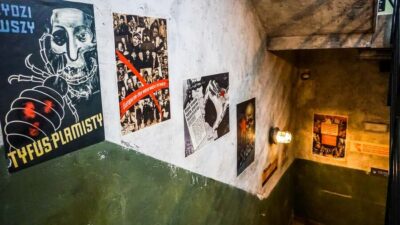
Oskar Schindler’s Factory Entry Ticket & Guided Tour
Read our review →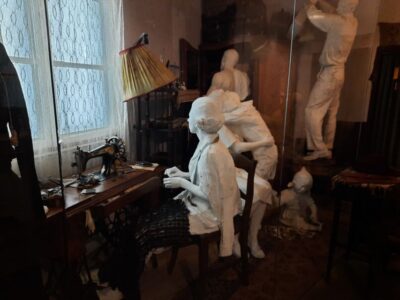
Schindler’s Factory Tour with Entrance Ticket
Read our review →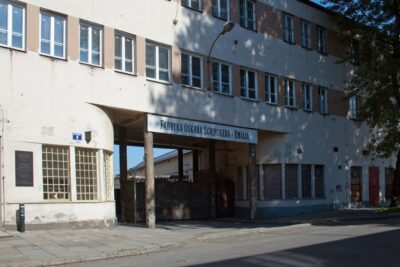
Schindler’s Factory Tour with Entrance Ticket
Read our review →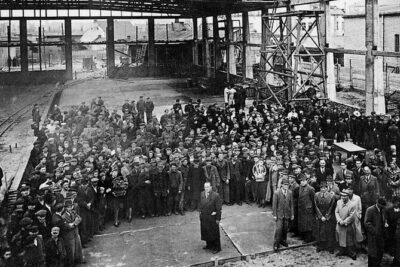
Schindler’s Factory in Krakow: Guided Tour & Skip the Line Ticket
Read our review →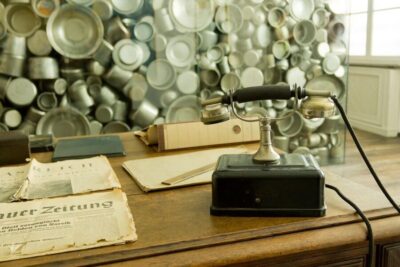
Schindler’s Factory Ticket with Guided Tour Option
Read our review →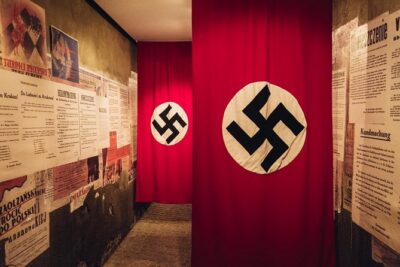
Krakow Schindler’s Factory Guided Tour with Admission Ticket
Read our review →Browse the lists this tour appears in