
Reviewed · JEWISH HERITAGE TOURS
Krakow Jewish Quarter and Ghetto Tour by Electric Golf Cart
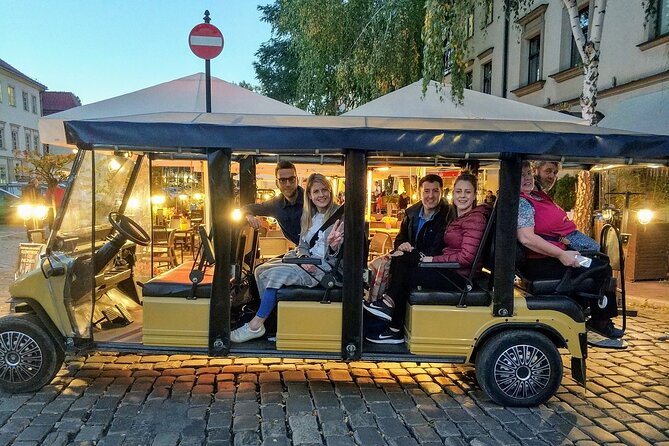
Krakow’s Jewish Quarter and former ghetto are close on a map, but their stories cover centuries. This 90-minute electric cart tour links them efficiently, taking you from Jewish Kazimierz to wartime Podgórze without the effort of crossing the city on foot. You’ll see synagogues, churches, ghetto remains, and places tied to deportation.
I like the way the cart covers a lot in a short time, especially when summer heat, winter cold, or tired feet make a long walk less appealing. I also like the mix of live commentary and an audio guide, with guides such as Natalie, Martina, Olivia, and Michael adding personal detail to the recorded material.
The main limitation is pace. You get a useful overview, but not much time for quiet visits or detailed exploration. Some stops allow a brief look inside, and several visitors found the Christian churches easier to enter than the Jewish sites they hoped to see.
Key points to know before booking
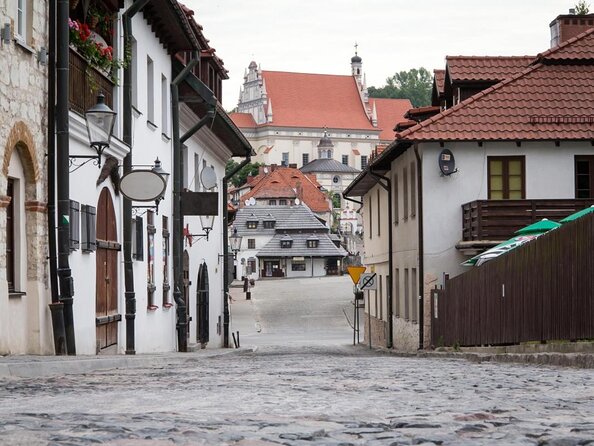
- Kazimierz and Podgórze in one ride: The route connects Krakow’s former Jewish district with the wartime ghetto across the river.
- More than 20 points of interest: You see a wide range of synagogues, churches, squares, walls, and memorial places.
- Helpful for a short stay: The tour gives you a map in your head, so you can return later to the places that catch your interest.
- English commentary varies by guide: Guides including Natalie, Martina, Olivia, and Michael have been praised for adding warmth and detail.
- A serious subject in a comfortable vehicle: The cart is easy on your legs, but the subject matter is often emotional and should be approached with care.
- Worth comparing with a walking tour: You gain speed and shelter, but lose some freedom to stop, wander, and enter sites at your own pace.
Why this route matters
Kazimierz was once an independent town south of Wawel Hill. For centuries, it was the center of Jewish life in Krakow, with its own streets, houses of worship, cemeteries, schools, and markets. Today, it is one of Krakow’s most visited districts, but the restaurants and nightlife tell only part of its story.
The tour then moves to Podgórze, the district the Nazi authorities turned into the Krakow Ghetto in 1941. That change of setting is important. In Kazimierz, you learn about a Jewish community that developed over generations. In Podgórze, you confront the forced confinement, deportation, and destruction of that community during the Second World War.
I find this combination useful because it keeps the story from becoming only a list of wartime tragedies. You see Jewish life before the Holocaust, then the places where that life was violently broken apart.
The cart is practical here. Kazimierz and Podgórze are walkable, but the route includes many points spread across different streets and districts. In roughly an hour and a half, you can cover ground that would take longer on foot, especially if you stop often to check a map.
More Golf Cart Tours in Krakow
- Krakow: City Sightseeing Tour by Electric Golf Cart
★ 4.5 · 3,264 reviews - Krakow: City Sightseeing Tour Eco Electric Buggy Golf Cart
★ 4.7 · 3,143 reviews - Krakow: Extended City Sightseeing Tour – Eco Buggy Golf Cart
★ 4.7 · 794 reviews
Starting at Mikołaja Zyblikiewicza 2
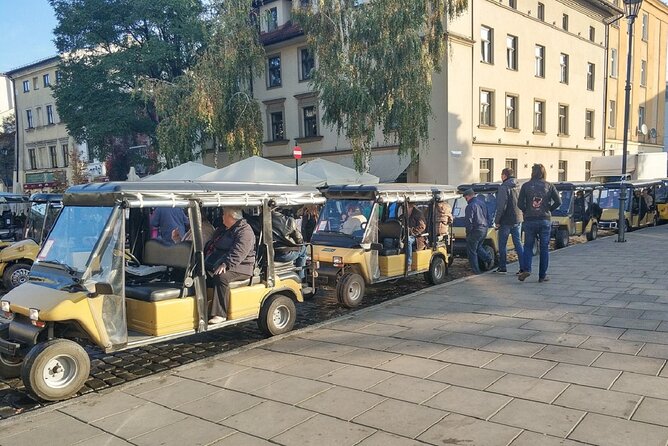
The tour begins at Mikołaja Zyblikiewicza 2, near public transportation in central Krakow. You should allow a little extra time to find the meeting point and identify the correct cart, especially if several vehicles are waiting nearby.
One booking problem is worth knowing about. A group arriving in heavy rain had trouble getting clear directions from the operators and initially could not find the correct vehicle. The cart was there, but the confusion meant the group boarded late and had to fit in with a stroller. That appears to have been an exception, but it is a good reason to arrive early and confirm your tour name with the driver.
The maximum group size is listed as 50 people, although the actual cart experience will depend on how vehicles are assigned. Seating matters. One group found itself in the rear, with two seats facing backward, while others enjoyed a more comfortable ride. If you care about your view, arrive promptly and ask where the group should wait.
Szeroka Street and the heart of Kazimierz
Szeroka Street is the natural center of Jewish Kazimierz. Four synagogues once stood along this street, an unusual concentration that helps explain the area’s importance in European Jewish life.
Today, Szeroka is also connected with the Jewish Culture Festival, including its final concert. The street can feel lively, but the cart commentary helps you look beyond the modern cafés and restaurants. You are being shown the shape of a former community, not simply a picturesque old street.
This is one of the tour’s strongest sections because the buildings remain close together. You can understand how religious, social, and commercial life once operated within a compact district. The guide may point out architectural details and explain how the street functioned over time.
The drawback is that a moving cart cannot give you much time at each building. If a synagogue or street catches your attention, make a mental note and return later on foot. This tour works best as an introduction, not as a substitute for a full visit to Kazimierz.
The Old Synagogue and Jewish landmarks
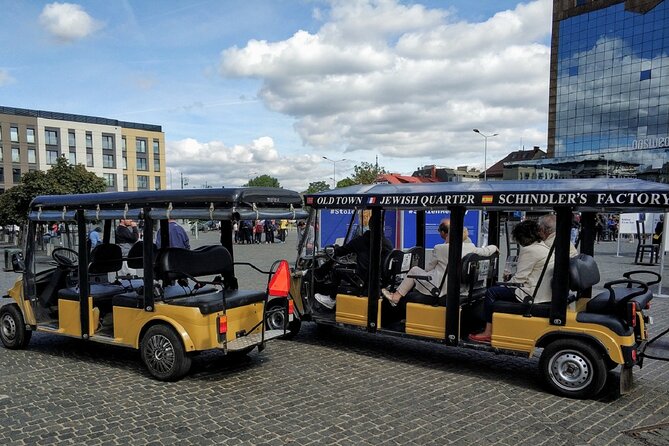
One of the key sights on Szeroka Street is the Old Synagogue, among the oldest surviving synagogues in Poland. Its age and preservation make it a major point of interest, even for someone with limited time in Krakow.
The exact amount of time spent inside Jewish buildings can vary. Some tour participants appreciated being able to get off for short visits and photographs, while others felt the route entered more Christian churches than Jewish sites. That distinction matters if your main goal is synagogue interiors or a detailed study of Jewish religious architecture.
You should treat the ride as a survey of the district. It points out the important places and gives you the context to return independently. If you want to visit the Old Synagogue museum or other religious sites in depth, plan separate time and check their opening arrangements.
The live guide is especially useful here. Several guides have been praised for adding facts beyond the audio material, answering questions, and explaining buildings in a friendly way. Natalie was repeatedly described as engaging, while Martina was praised for pointing out details and allowing short stops.
More Jewish Heritage Tours in Krakow
- Krakow: Schindler’s Factory & Ghetto Guided Tour
★ 4.7 · 1,694 reviews - Krakow: Jewish Quarter and Former Ghetto Tour
★ 4.9 · 1,441 reviews - Krakow: Bike Tour of Old Town, Jewish Quarter and the Ghetto
★ 4.9 · 1,155 reviews - Krakow: Kazimierz Jewish Quarter Walking Tour
★ 4.8 · 571 reviews
Crossing to Podgórze and St Joseph’s Church
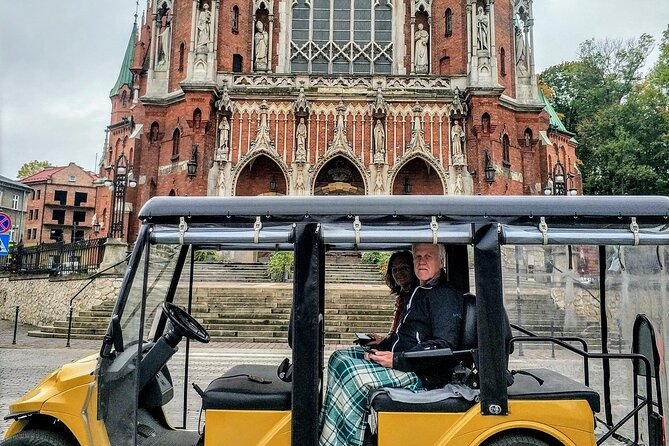
The route continues to Podgórze, a district that was once a separate town and was incorporated into Krakow only in the twentieth century. The parish church of St Joseph dominates Podgórze Market Square, making it an easy landmark to recognize from the cart.
The church adds an important layer to the tour. This is not only a Jewish-history route in a narrow sense. It also shows the surrounding urban setting, the Christian institutions of the district, and the way ordinary city life continued around places later marked by war.
Some participants appreciated the chance to enter churches during short stops. Others wished the itinerary had given more time to Jewish buildings and structures. You should know this balance before booking: the route includes Jewish history, but it is not limited to Jewish religious sites.
The brief stop format can work well if you want orientation and photographs. It is less satisfying if you prefer to sit inside a church, examine memorials closely, or listen without the pressure of regrouping.
The surviving ghetto wall
In Podgórze, the tour shows a small surviving section of the original wall around the former Krakow Ghetto. A plaque commemorates the fate of the people who were confined there.
This is a modest physical remnant, not a grand monument. Its power comes from what it represents. A wall divided streets, families, and daily routines, turning an ordinary part of the city into a forced enclosure.
The stop can be emotional, especially after seeing Kazimierz as a place of Jewish community and culture. The audio information helps connect the fragment to the wider story, while the guide can explain how the ghetto altered life in the district.
The cart cannot create a long, silent pause at every serious site. If you want time to read every inscription or reflect without background commentary, return later on foot. Still, the wall is exactly the kind of place that can be missed when you explore Krakow without a guide.
Plac Zgody and the deportation story
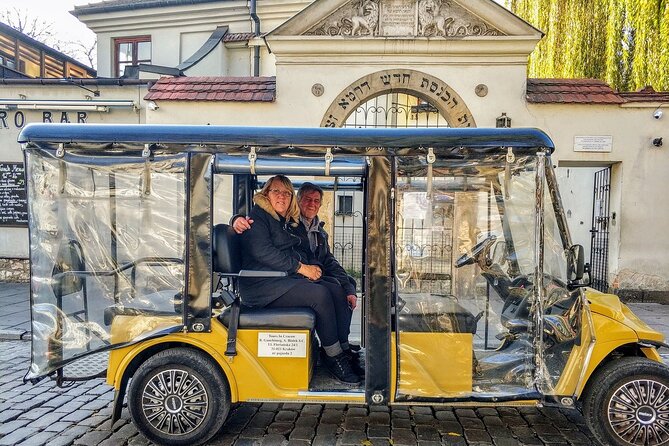
The former Plac Zgody, now associated with Plac Bohaterów Getta, was used under Nazi occupation as an Umschlagplatz, a collection point where Jewish residents were assembled before deportation.
This is one of the most difficult parts of the route. The square is open and urban, yet its wartime role was horrifying. The tour places that history directly into the modern city, where trams, shops, and daily routines continue around a site tied to forced removal and death.
The experience is not light sightseeing. Several people described the ghetto section as moving and emotional, and that tone is appropriate. You are not being asked to consume a spectacle. You are being shown a place where families were separated and lives were destroyed.
The advantage of arriving with a guide is context. Without it, the square may look like another city space. With it, you can understand why the location matters and how it fits into the larger history of Krakow’s Jewish population.
The pharmacy that offered shelter
The tour also points out the former Polish pharmacy that operated in the ghetto. It became a place of help and protection, offering shelter, passing messages, and moving packages in and out during deportations.
This stop provides a small but important change in tone. The ghetto story is filled with cruelty and loss, but the pharmacy represents practical acts of courage. It was not a grand rescue operation in the cinematic sense. It was a place where people used their position to help others under extreme danger.
The site is valuable because it links major events to ordinary human decisions. A pharmacy, a square, a wall, and a church are not just background scenery. They formed the setting in which people tried to survive, communicate, and protect one another.
How the cart changes the experience
The electric cart is the tour’s main practical advantage. You can cover Kazimierz and Podgórze while resting your legs, which is useful after a full day of sightseeing. One person specifically appreciated the cart during hot weather, while another found it comfortable during a cold winter day.
The vehicle also helps if your time in Krakow is limited. The tour lasts about 90 minutes, and many people use it to decide where to return later. I like that strategy. Take the ride first, mark the synagogue, square, church, wall, or museum that interests you, then explore those places slowly.
There are tradeoffs. You have less control over the pace than on a walking tour. You may pass a detail before you can study it, and the vehicle can make conversation within your own group harder when everyone is using a headset.
The audio guide is another mixed point. It adds structure and makes sure you receive background information, but it can feel less personal than a guide speaking directly to the whole group. The best experience seems to come when the driver adds live commentary rather than relying only on the recording.
Price, timing, and who gets good value
At $34.75 per person, this is not the cheapest way to see Kazimierz. Similar sightseeing rides are available around Krakow, and one person felt the cost was high for a 90-minute trip.
Still, value depends on how you use it. I think the price is easier to justify if you have only a day or two, dislike long walks, or want to connect Kazimierz with Podgórze without planning the route yourself. The English-speaking driver, transport, and audio guide are included, and hotel pickup is not.
If you already know the districts well and enjoy wandering, walking will probably give you more freedom for less money. You can stop at cafés, enter sites when you choose, and spend ten minutes or an hour at one street.
Booking is often done in advance, with the average booking made about 17 days before the tour. Same-day availability may exist, but you should not count on it during busy periods. Free cancellation is available up to 24 hours before the start time. Cancellations or changes within 24 hours are not refunded.
Should you book the Krakow Jewish Quarter and Ghetto Tour?
I would book this tour if you want a fast, structured introduction to two important Krakow districts. It is especially useful for first-time visitors, people with limited time, and anyone who wants to avoid a long walk in bad weather or strong heat.
I would not choose it as my only experience of Kazimierz if Jewish religious buildings are my main interest. The route may give you only brief access to interiors, and the short stops do not allow much independent exploration.
The best plan is to use the cart for orientation, then return on foot to the places that matter most to you. For many people, that makes the $34.75 worthwhile: you gain the city’s shape, the historical links, and a respectful introduction to the ghetto, then spend your own time where the story has the strongest pull.
FAQ
How long does the Krakow Jewish Quarter and Ghetto Tour last?
The tour lasts approximately 1 hour and 30 minutes.
What areas does the tour visit?
It visits Kazimierz, the historic Jewish district, and Podgórze, the district that became the Krakow Ghetto in 1941.
How many sites can I see?
The tour visits more than 20 important cultural and historical monuments, including Szeroka Street, synagogues, churches, the former ghetto wall, Plac Zgody, and the former pharmacy.
Is the tour offered in English?
Yes. The tour includes an English-speaking driver and an audio guide.
Where does the tour start and end?
It starts at Mikołaja Zyblikiewicza 2 and ends at Mikołaja Kopernika 3 in Krakow.
Is hotel pickup included?
No. Hotel pickup and drop-off are not included. The tour begins and ends at the stated meeting points.
Just added around Krakow
- stag dog chase Krakow prank★ 5.0 · 4 reviews
- Divine Mercy Sanctuary – Private Tour from Krakow★ 5.0 · 4 reviews
- ZALIPIE – painted village, unique small group tour from Krakow★ 5.0 · 7 reviews
- ZALIPIE – painted village, unique PRIVATE tour from Krakow★ 5.0 · 20 reviews
- Zalipie Private Tour from Krakow The Painted Village★ 5.0 · 4 reviews
- Wooden Churches Unesco List Private Tour from Krakow★ 5.0 · 14 reviews
- Guided tour to Salt Mine & Schindler Factory with Pick-Up Options★ 4.0 · 58 reviews
- Wawel Castle, Cathedral, & Rynek Underground Tour with Lunch★ 5.0 · 4 reviews
Jewish Heritage Tours, compared.
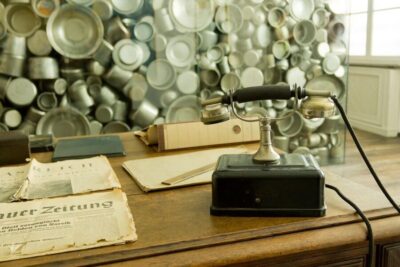
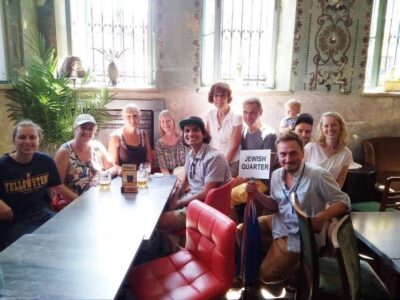
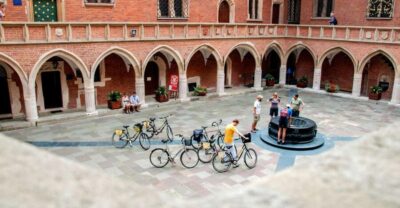
Bike Tour of Old Town, Jewish Quarter and the Ghetto
Read our review →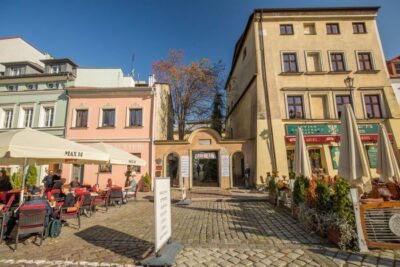
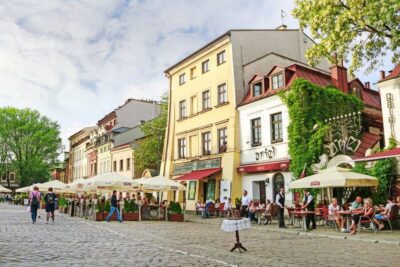
Kazimierz, Schindler’s Factory & Ghetto Guided Tour
Read our review →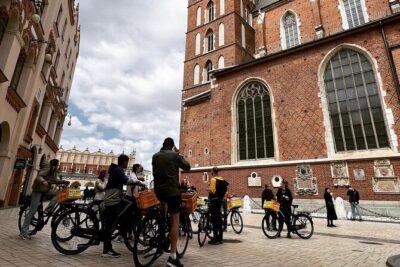
Full Bike Tour – the Old Town, Jewish Qtr & the Ghetto NEW BIKES
Read our review →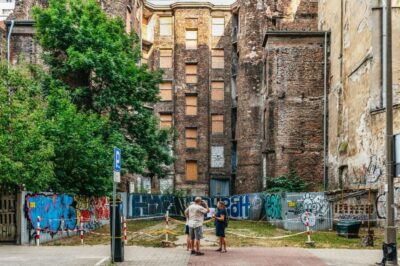
Warsaw Ghetto Private Walking Tour with Hotel Pickup
Read our review →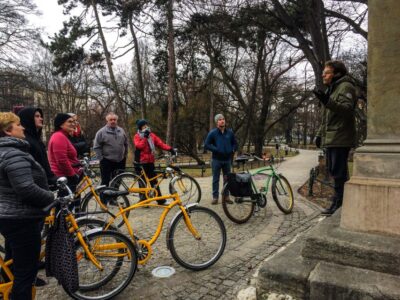
Bike Tour of the Old Town, Kazimierz, and the Ghetto
Read our review →Browse the lists this tour appears in