
Reviewed · SCHINDLER FACTORY TOURS
Schindler’s Factory and Jewish Ghetto Walking Tour in Kraków
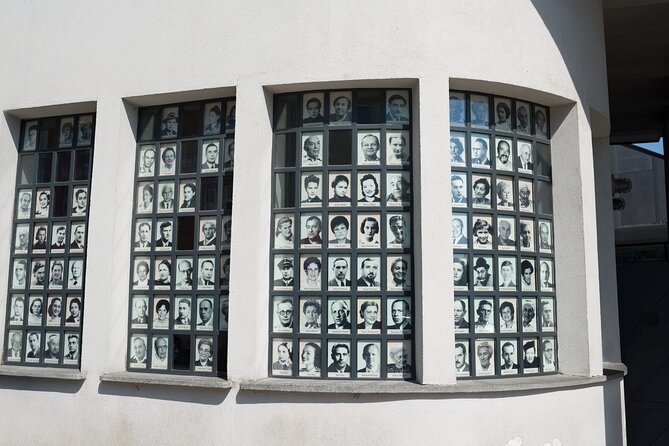
Kraków’s Schindler Factory tour is less about touring an old production floor than stepping into the city’s wartime story. The museum’s exhibition, Kraków under Nazi Occupation 1939 to 1945, uses photographs, objects, recreated streets, and personal accounts to show how occupation changed daily life. The guided commentary is the main reason to book, since a good guide turns a crowded museum into a clear human story. I also like the way the tour continues outside, linking the museum to the former ghetto wall and Ghetto Heroes Square.
The route gives you two things I value: prebooked museum entry, which saves you from arranging a separate ticket, and a guide who connects Oskar Schindler’s actions with the lives of the people he employed and protected. The main caution is expectation. The museum is not a preserved factory floor full of original machinery, and the Schindler story shares space with the wider history of Kraków under Nazi rule. Narrow rooms, crowds, and a fast-speaking guide can also make parts of the visit difficult to follow.
Key points to know before booking
- The museum is mainly about occupied Kraków: Schindler matters, but the exhibition covers the city’s wider wartime experience.
- The walking route adds crucial context: You see a surviving ghetto wall fragment, Ghetto Heroes Square, and the site of Under the Eagle Pharmacy.
- The guide makes the difference: Past guides including Phil, Joanna, Magdalena, and Alicja have been praised for clear storytelling and personal detail.
- The three-hour estimate can stretch: One reported group spent about four hours with the museum and outdoor walk together.
- Expect a group of up to 25 people: Headphones may be provided, but crowded museum rooms can still make viewing and listening awkward.
- Arrive early and dress for the weather: Late arrivals cannot join once the group has entered, and the outdoor portion runs in all conditions.
Why this tour works best as a connected story
The smart idea behind this experience is the order. You begin inside the museum, where you learn about Nazi occupation, forced labor, fear, and survival. Then you walk through the former ghetto area, seeing a few remaining physical traces and hearing how the places around you were used.
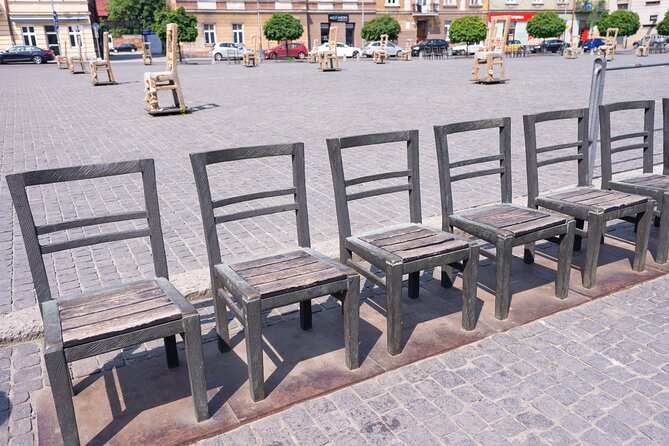
That connection matters. On a standard museum visit, you can read about deportations and daily life, then step back into modern Kraków with little sense of geography. Here, the guide carries the story outdoors. A wall fragment is no longer just an old piece of masonry. Ghetto Heroes Square is no longer simply a public space with a striking chair memorial.
The route is emotionally heavy, but it is not presented as a string of dates. Guides have been praised for bringing in personal stories, old photographs, and the viewpoint of people who lived through the occupation. That human focus helps the history stay clear without reducing it to statistics.
You should still allow yourself time afterward. Three hours of concentrated wartime history can be tiring, especially if you also plan to visit Auschwitz or other Holocaust-related sites during your stay. This tour works well early in a Kraków visit because it gives you a stronger sense of place for later walks around Podgórze and Kazimierz.
More Jewish Heritage Tours in Krakow
- Krakow: Schindler’s Factory & Ghetto Guided Tour
★ 4.7 · 1,694 reviews - Krakow: Jewish Quarter and Former Ghetto Tour
★ 4.9 · 1,441 reviews - Krakow: Bike Tour of Old Town, Jewish Quarter and the Ghetto
★ 4.9 · 1,155 reviews
Inside Schindler’s Factory at Lipowa 4
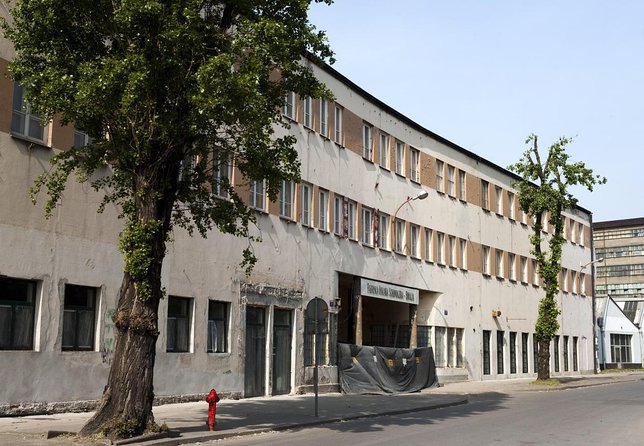
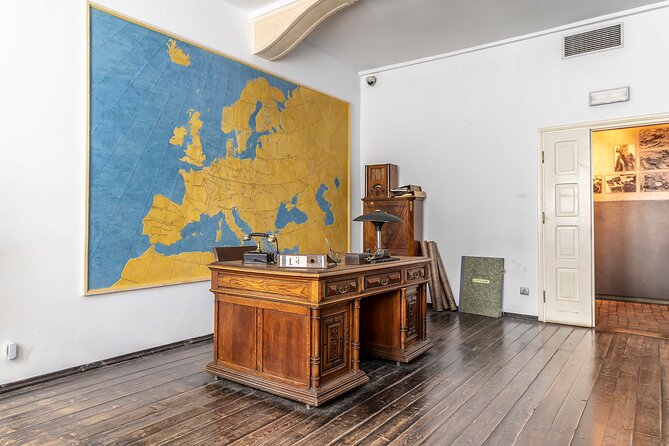
The experience begins at Lipowa 4, where the former enamel factory now houses the Museum of Kraków’s exhibition on the Nazi occupation. Your admission is arranged in advance, and a licensed guide leads the group through the museum.
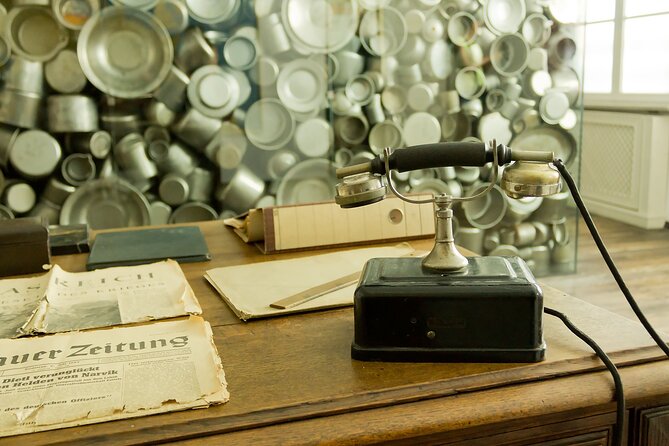
The building is historic, but you need to set your expectations correctly. You are not walking through an intact factory with a full collection of original production equipment. The factory has been converted into a museum, and the main subject is Kraków between 1939 and 1945.
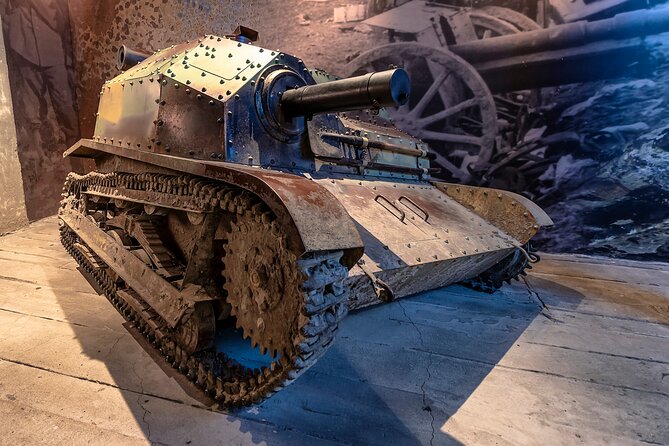
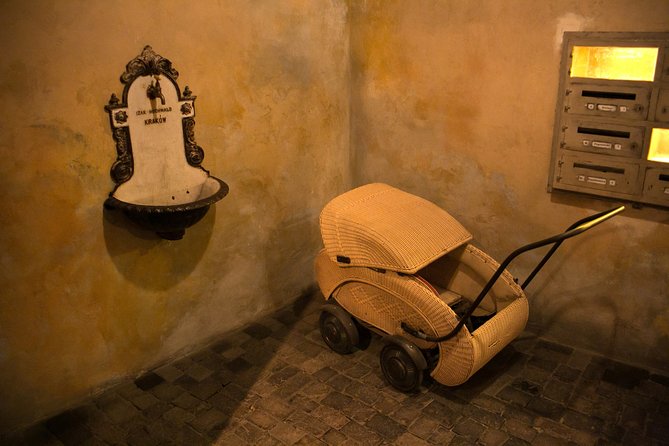
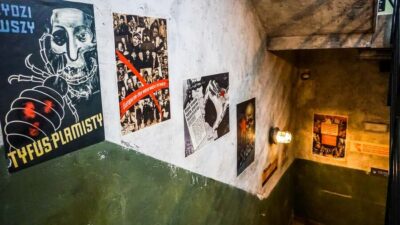
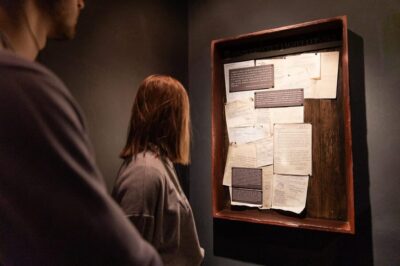
That subject is broad. You’ll learn about the German invasion, occupation, restrictions placed on Jewish residents, forced labor, deportations, and the pressures faced by Polish residents. The exhibition uses reconstructed streets and rooms to create a sense of the period. Photographs and personal objects bring the subject down from official history to ordinary life.
Oskar Schindler remains central to the visit. He employed Jewish workers and used his position, contacts, and resources to help protect more than a thousand people from deportation. The people he saved became known as Schindlerjuden, and their stories give the museum’s title character a human setting.
At the same time, Schindler is not the only subject. If your main aim is to see his office, factory machinery, and a large display devoted only to his biography, you may find the visit different from what you imagined. One useful way to approach it is to think of Schindler as a thread running through the wider story of occupied Kraków.
The museum’s narrow passages and staged rooms can make the visit feel close and intense. They also create practical problems. A group of 25 can have trouble fitting into small spaces, particularly when other groups are moving through the same rooms. A guide who speaks too quickly can add to the strain.
The strongest guides keep people moving while pausing at the important displays. Phil has been praised for explaining the museum and ghetto clearly, while Magdalena was noted for using family stories and detailed research. Joanna and Alicja have also been singled out for thoughtful, personal presentations. You cannot select a particular guide, but the quality of the storytelling is an important part of the tour’s value.
Some groups have received headphones, which helps when the museum is crowded. Even so, stay close to the guide and do not assume you can hear from the back of the group. If you have difficulty following spoken English, mention it early and position yourself near the guide.
The ghetto wall fragment on Józefińska Street
After roughly 90 minutes in the museum, the outdoor portion begins in the former Kraków Ghetto. The walk takes about 30 minutes at the ghetto wall fragment and nearby sites, though the exact timing may shift.
The remaining section of wall is modest. That is part of the point. You are not entering a preserved district with long stretches of original ghetto buildings. Much of the area has changed, and the fragments need explanation to make sense.
At Józefińska 41, the guide points out a building that once housed an orphanage, welfare offices, and a hospital. These were not minor services. Within the sealed ghetto, they were part of the fragile network helping people deal with illness, hunger, homelessness, and separation.
Old photographs are especially useful here. Guides have used images to show what buildings and streets looked like before wartime destruction and later redevelopment. Without that visual aid, it can be hard to understand how the modern streets relate to the former ghetto.
The outdoor walk is not long, but it is meaningful. It asks you to picture confinement in a place that now appears ordinary. You may find this part quieter and more reflective than the museum, though traffic, weather, and passing pedestrians can interrupt the mood.
Keep the group in sight. One criticism of the route is that the walk can feel rushed, leaving people strung out along the street. Comfortable shoes help, and you should not count on every stop having a long pause.
Ghetto Heroes Square and the chair memorial
The next stop is Ghetto Heroes Square, now marked by the Chair Memorial. The chairs refer to the belongings left behind when Jewish residents were forced from their homes, and they give the square a stark visual focus.
This was also a place of round-ups and deportations. The guide explains how residents were gathered here before being sent toward concentration camps. Hearing that history in the open square changes the way you see the space. It was not simply a neighborhood plaza. It was part of the machinery of removal and terror.
The stop lasts about 20 minutes. That is enough time for a focused explanation, though not for every detail about the surrounding district. The value comes from linking the square to the museum material you have just seen.
This is one of the points where a guide’s tone matters. The best approach is sober and direct, giving you room to think rather than forcing emotion. Alicja, for example, has been praised for presenting events from the viewpoint of the people affected, not just listing dates and facts.
More Walking Tours in Krakow
- Old Town Krakow & Wawel Castle Walking Tour
★ 5.0 · 1,508 reviews - Creepy Krakow: 2-Hour City Walking Tour
★ 4.7 · 1,131 reviews - Krakow: The Old Town Walking Tour
★ 4.8 · 794 reviews - Krakow: Kazimierz Jewish Quarter Walking Tour
★ 4.8 · 571 reviews
Under the Eagle Pharmacy and Tadeusz Pankiewicz
Across the square is Under the Eagle Pharmacy, once operated by Tadeusz Pankiewicz and his staff. The pharmacy provided medicine, assistance, and a measure of safety to Jewish residents inside the ghetto.
The tour takes you to the site, but entry to the pharmacy museum is not included in the stated price. If you want to go inside, plan for a separate admission and check the available opening arrangements.
Even from outside, the stop completes the route’s human focus. Schindler worked through a factory and his position within the German system. Pankiewicz and his staff helped people through a pharmacy. These were different forms of aid, but both show how individual choices mattered in a system built around persecution.
The stop is short, so ask your guide questions while you are there. It is also a good point to decide if you want to return later for a fuller visit inside the pharmacy museum.
What $58.81 buys you
At $58.81 per person, this is not the cheapest way to see the area. The price includes entry to Schindler’s Factory Museum and a guided visit, plus the walking route through the former ghetto. The prebooked ticket has real value because this is one of Kraków’s most visited museums, and arranging the timing yourself can take extra effort.
You are also paying for interpretation. The museum contains a great deal of material, and it is possible to walk through while missing the main points. A capable guide helps you identify the important displays and explains how Schindler’s workers, the ghetto, and the occupation fit together.
The value drops if you want only Oskar Schindler’s personal story. Much of the museum concerns Kraków under Nazi rule rather than Schindler alone. You may prefer an independent visit if you read quickly, like setting your own pace, or want to spend a long time with individual exhibits.
For most first-time visitors, the combined format justifies the cost. You receive a museum visit and a short historical walk in one booking, with the guide doing the connecting work. The 92 percent recommendation rate and 4.7 rating suggest that the package usually delivers, but the uneven experience of group size and guide speed is worth keeping in mind.
Timing, group size, and practical comfort
The advertised duration is about three hours. The museum portion is planned for around 90 minutes, followed by roughly 30 minutes at the wall fragment, 20 minutes at Ghetto Heroes Square, and 20 minutes at the pharmacy site. In practice, the timing can change because of museum scheduling and the pace of the group.
One group reported spending about four hours on the combined experience. Do not book a train, meal, or another timed attraction immediately afterward. Give yourself a cushion.
The maximum group size is 25. That is manageable outdoors, but the museum’s narrow passages can make the group feel larger. You may need to wait for space at displays, and you might not get a clear view at every stop.
Arrive at least 10 minutes before departure. Once the group has entered the museum, late arrivals cannot be accommodated, and the ticket is nonrefundable. The museum issues personalized tickets, so provide every participant’s full name when booking.
The tour is offered in English, with each group conducted in a single language. It is near public transportation, and most people can take part. The route includes outdoor walking, so check the forecast and wear shoes suited to several hours on city streets. The tour operates in all weather.
Free cancellation is available up to 24 hours before the start time. Changes or cancellations made inside that window are not accepted for a refund.
Who should book this Kraków history tour
I recommend this experience if you want a guided introduction to Kraków’s wartime past and prefer a clear route over independent research. It suits first-time visitors, families with older children, and anyone who wants the museum displays explained rather than read in isolation.
It is also a good choice if you plan to visit Auschwitz. The subjects are difficult, but the museum and ghetto walk help you understand how persecution affected a city and its residents before you visit the camps.
I would be more cautious if your sole interest is Schindler himself. The exhibition includes his factory and the people he saved, but it is not a full biography or a working-factory tour. I would also think twice if you dislike crowded museums, narrow passages, or fixed group pacing.
Should you book it?
Book this tour if you want context, personal stories, and a practical route through sites that are easy to misunderstand on your own. The strongest part is the guide-led connection between the museum and the former ghetto, especially when old photographs and personal accounts are used well.
Skip it if you want a quiet, self-paced museum visit or a detailed tour of original factory equipment. For everyone else, the combination of prebooked admission, an English-speaking guide, and the outdoor sites makes this a serious and worthwhile introduction to Kraków’s wartime history.
FAQ
How long does the Schindler Factory and Jewish Ghetto tour take?
The planned duration is about three hours. The schedule can change, and one group completed the museum and walking sections in about four hours, so leave extra time afterward.
What does the museum visit cover?
The main exhibition is called Kraków under Nazi Occupation 1939 to 1945. It covers the occupation, daily life, persecution, forced labor, deportations, and Oskar Schindler’s efforts to protect Jewish workers.
Is this a tour of an original working factory?
No. The building originally housed Schindler’s enamel factory, but it now operates as a museum. It does not contain the original production equipment.
Is entry to Under the Eagle Pharmacy included?
No. The tour stops at the pharmacy site, but admission to the Under the Eagle Pharmacy museum is not included.
How many people can join the group?
The group is limited to a maximum of 25 participants. The museum has narrow passageways, so crowded areas may feel tight even with the group limit.
What happens if I arrive late or need to cancel?
You should arrive at least 10 minutes before the start. Late arrivals cannot join after the group enters, and tickets are nonrefundable in that case. You can cancel for a full refund up to 24 hours before the start time.
More Schindler Factory Tours
- Krakow: Oskar Schindler’s Factory Entry Ticket & Guided Tour
★ 4.2 · 3,793 reviews - Krakow: Schindler’s Factory Tour with Entrance Ticket
★ 4.5 · 3,182 reviews - Krakow: Schindler’s Factory Skip-the-Line Ticket
★ 4.4 · 3,105 reviews - Krakow: Schindler’s Factory Tour with Entrance Ticket
★ 4.6 · 1,737 reviews
Just added around Krakow
- stag dog chase Krakow prank★ 5.0 · 4 reviews
- Divine Mercy Sanctuary – Private Tour from Krakow★ 5.0 · 4 reviews
- ZALIPIE – painted village, unique small group tour from Krakow★ 5.0 · 7 reviews
- ZALIPIE – painted village, unique PRIVATE tour from Krakow★ 5.0 · 20 reviews
- Zalipie Private Tour from Krakow The Painted Village★ 5.0 · 4 reviews
- Wooden Churches Unesco List Private Tour from Krakow★ 5.0 · 14 reviews
- Guided tour to Salt Mine & Schindler Factory with Pick-Up Options★ 4.0 · 58 reviews
- Wawel Castle, Cathedral, & Rynek Underground Tour with Lunch★ 5.0 · 4 reviews
Schindler Factory Tours, compared.
Oskar Schindler’s Factory Entry Ticket & Guided Tour
Read our review →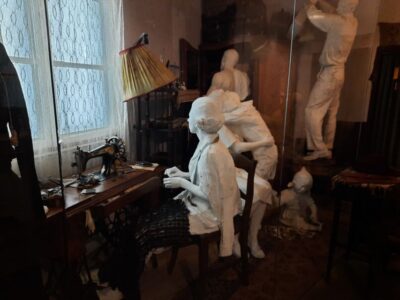
Schindler’s Factory Tour with Entrance Ticket
Read our review →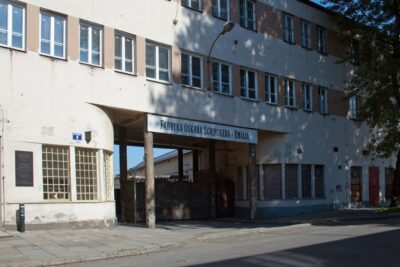
Schindler’s Factory Tour with Entrance Ticket
Read our review →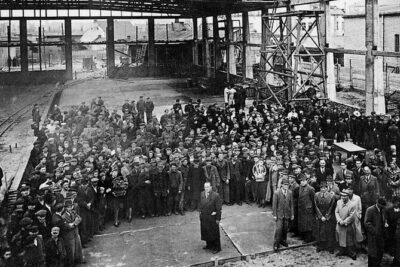
Schindler’s Factory in Krakow: Guided Tour & Skip the Line Ticket
Read our review →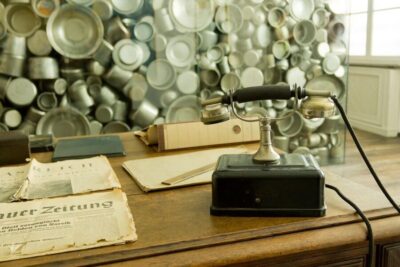
Schindler’s Factory Ticket with Guided Tour Option
Read our review →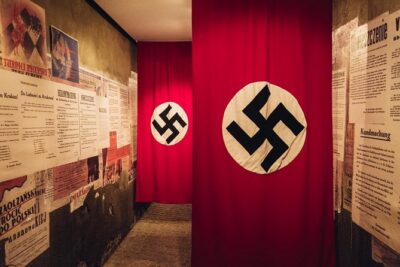
Krakow Schindler’s Factory Guided Tour with Admission Ticket
Read our review →Browse the lists this tour appears in