
Reviewed · WWII TOURS
Warsaw Uprising Museum (1944) + POLIN Museum : SMALL GROUP /inc. Pick-up/
The strongest part of this experience is the pairing of two museums that explain Warsaw from different angles. The Warsaw Rising Museum shows a city at war in 1944, while POLIN follows centuries of Jewish life in Poland. Together, they give you a much fuller picture than either museum alone.
I like the door-to-door pickup and the fact that admission and audio guides are included. I also like the small maximum group size of 15, which keeps the transport manageable. The main catch is important: this is not a guided museum tour. You get transport, tickets, and practical help, then explore each museum on your own.
Key points to know before booking
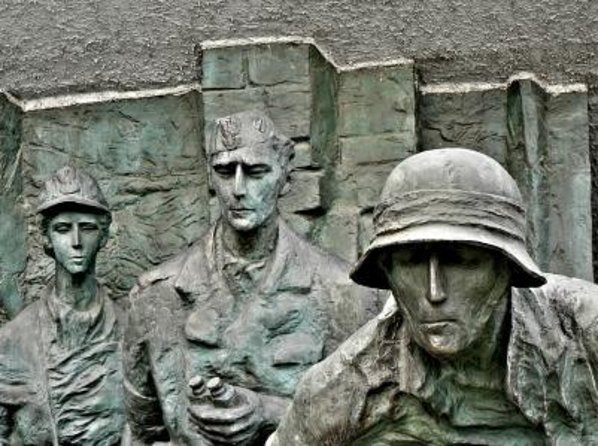
- Two major museums in one half-day: You visit the Warsaw Rising Museum and POLIN, each with about 1 hour and 15 minutes inside.
- Transport rather than traditional guiding: A driver-coordinator handles pickup, tickets, and the ride between museums, but does not lead a full museum commentary.
- Hotel or apartment pickup: Share your address when booking, then meet the coordinator outside the building with a card showing your name.
- Audio guides in many languages: Options include English, Polish, German, French, Spanish, Italian, Hebrew, Ukrainian, Chinese, Japanese, and several others.
- A useful fit for mobility needs: The transport is wheelchair accessible, and most people can take part.
- Good value if you want convenience: The $114.28 price includes transport, museum admission, audio guides, and taxes, but a taxi and separate tickets may cost less.
Two museums that explain Warsaw from different sides
Warsaw’s wartime story can feel overwhelming if you encounter it in scattered monuments and brief museum visits. This tour gives you a clear pairing: first the Polish resistance and the destruction of the city, then the long story of Jewish life in Poland.
The order matters. At the Warsaw Rising Museum, you confront the choices made in 1944 and the terrible cost of the uprising. At POLIN, you move across many centuries and see Jewish communities as part of Poland’s social, cultural, economic, and scientific life.
You should not expect a guide to walk you through every gallery. Instead, think of this as a convenient museum visit package. The driver-coordinator gets you there, helps with the ticket process, points out some sights during the drive, and makes sure you reach the next stop.
That arrangement suits me when I want control over my pace. It is less useful if you want a historian beside you explaining every display.
More Museum Tours in Warsaw
- Warsaw: POLIN Museum of the History of Polish Jews Ticket
★ 4.7 · 1,142 reviews - Warsaw: Polish Vodka Museum Tour with Tasting
★ 4.6 · 788 reviews - Warsaw: Museum World of Illusion Entry Ticket
★ 3.9 · 666 reviews
The Warsaw Rising Museum and the city destroyed in 1944
The first museum visit lasts about 1 hour and 15 minutes. That is enough time to get a strong introduction, but not enough to read every label and study every object in detail. If you are serious about modern Polish history, you may want more time here than the schedule allows.
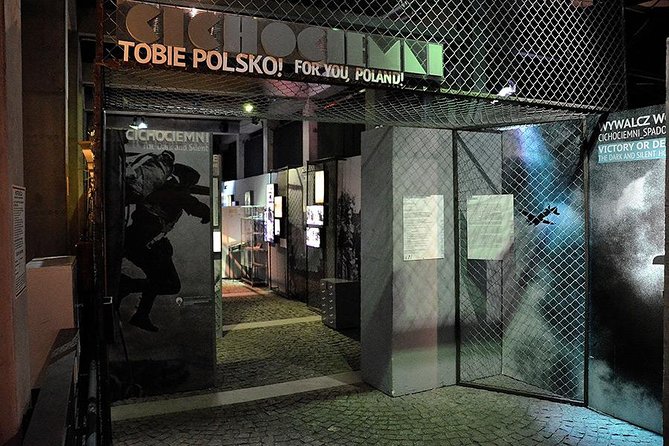
The museum focuses on the 1944 Warsaw Uprising, when Polish resistance fighters rose against German occupation. The central question is not simply what happened. It is why people decided to fight, what they hoped to achieve, and how much the city and its young population paid for that decision.
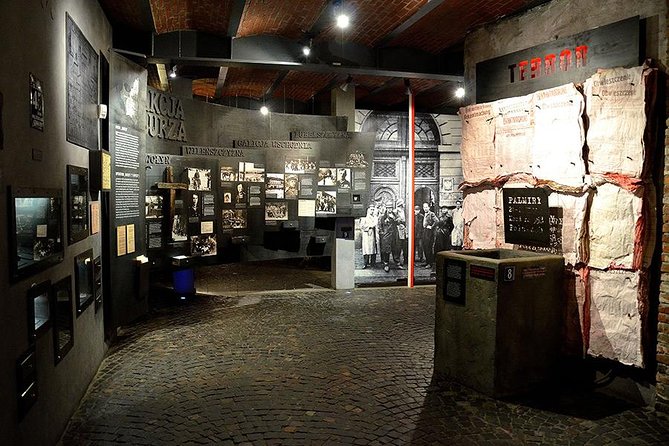
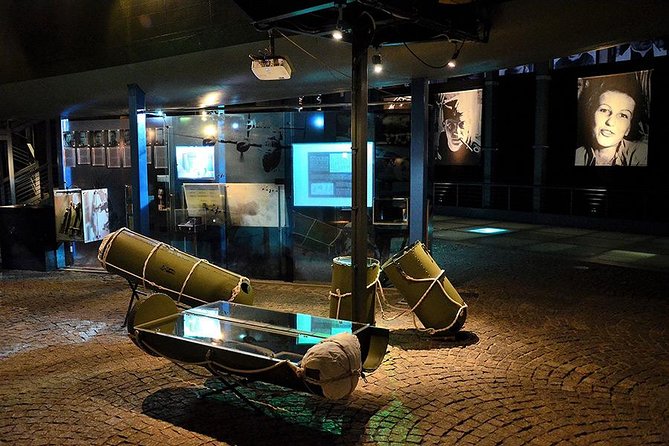
The museum uses photographs, film, sound, and authentic objects to build an emotional account. More than 1,000 exhibits and about 1,500 photographs and films are presented. This is not a quiet collection of framed documents. The presentation is designed to make the period feel immediate and personal.
One of the most memorable features is a five-minute 3D simulation showing Warsaw after its destruction. The image of a nearly erased city gives physical scale to a story that can otherwise remain abstract. Warsaw had once been known for grand tenements, modern infrastructure, religious variety, and fast growth. By the end of the war, much of it had been reduced to rubble.
You will also encounter the human cost. A large number of young people, including those who might have shaped Poland’s future, died in the fighting and its aftermath. The museum asks you to consider the moral problem at the center of the uprising: can a chance at freedom justify a battle that may bring catastrophic loss?
I appreciate that the museum presents the uprising through more than military dates. Images and sound make the political decision feel connected to ordinary life, fear, courage, and grief. Still, the quantity of material can be tiring. If you try to read every panel, the 75-minute visit will pass quickly.
The supplied audio guide helps you choose a path through the displays. English is available, along with a long list of other languages. Since the tour is not led inside the museum, the audio guide is the main tool for understanding what you see.
POLIN and centuries of Jewish life in Poland
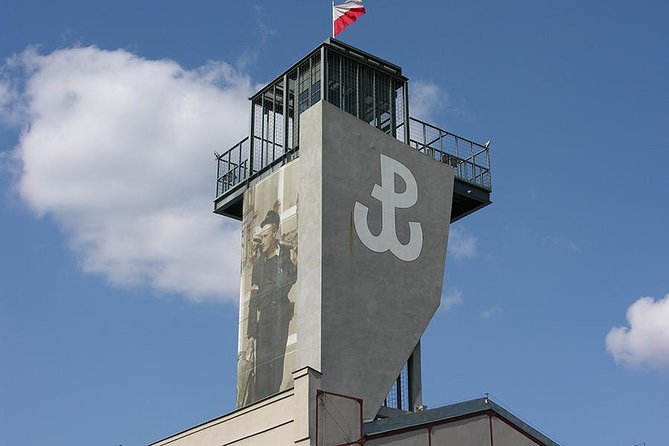
The second stop is POLIN Museum of the History of Polish Jews, also scheduled for about 1 hour and 15 minutes. It offers a very different experience from the Warsaw Rising Museum.
POLIN tells the story of Jewish life in Poland across many centuries. The focus is not only persecution and destruction. You also learn about Jewish contributions to Polish culture, trade, science, religion, literature, and daily life.
That wider focus is one of the museum’s greatest strengths. You see how Jewish and Polish communities lived alongside one another, how family and neighborhood relationships developed, and how Jewish and Christian traditions interacted. The museum presents Jewish life as a central part of Warsaw and Poland, not as a short chapter that begins and ends with the Second World War.
The exhibitions use multimedia displays and reconstructed settings. A virtual library presents Hebrew and Yiddish works, including religious, philosophical, and moral writing. You can also print a title page from a 16th-century book using a press. That small hands-on feature gives the museum a more personal feel than a row of display cases.
POLIN’s audio guide is available in English, Belarusian, French, German, Hebrew, Hungarian, Italian, Polish, Russian, Spanish, and Yiddish. That language range is especially useful here because the museum deals with names, texts, and cultural terms that can be difficult to absorb quickly.
As with the first museum, 75 minutes gives you a good first look but not a full study visit. POLIN has a great deal to absorb, and the subject reaches from medieval Poland to the modern era. If you want to read each section carefully, plan a separate return visit.
The contrast between the two museums makes the combination worthwhile. The Warsaw Rising Museum is concentrated, loud, and tied to one devastating year. POLIN moves across centuries and restores the broader human setting in which wartime events took place.
What the driver-coordinator actually does
It is useful to set expectations clearly. This experience provides a driver-coordinator, not a dedicated museum guide.
The coordinator collects you before the entrance to your hotel or apartment building. You are asked to provide the address when booking. On the day, look for a person holding a card with your first and last name. Transport is by car or van, not a large bus.
The coordinator helps with the ticket process and gets you started at each museum. During the drive, the coordinator may point out places of interest. The practical role is valuable, especially if you do not want to work out taxi rides, museum entrances, and transfers on your own.
Inside the museums, you use the included audio guides. This gives you freedom to pause, move ahead, or spend longer with a particular display. It also means the quality of your visit depends partly on how actively you use the audio guide.
If you are booking because you want a live expert to explain Warsaw’s history, this is the wrong product. A private guide or museum-led visit would be a better match. If your main concern is reliable transport and simple access to two major museums, the arrangement makes sense.
More WWII Tours in Warsaw
- World War 2 in Warsaw walking tour in English
★ 4.7 · 237 reviews - Warsaw for WWII Buffs – private tour with hotel pickup
★ 5.0 · 166 reviews - From Warsaw: Tour of the Wolf’s Lair, Hitler’s HQ by Car
★ 4.7 · 116 reviews - From Warsaw: Guided Tour of Treblinka Camp
★ 4.7 · 85 reviews
Is $114.28 a fair price?
At $114.28 per person, this is not the cheapest way to visit two museums in Warsaw. You could potentially hire taxis, buy admission separately, and arrange audio guides yourself for less. One dissatisfied customer specifically felt that taking taxis and paying for tickets independently would save money.
That criticism is fair, but it does not settle the value question. The price includes round-trip hotel or apartment transport, the ride between museums, admission tickets, audio guides, local taxes, and other listed fees. You are paying for convenience and coordination rather than for a long, live lecture.
The value improves if you are staying outside the central area, have limited time, need wheelchair-accessible transport, or do not want to manage Warsaw’s transport system. It also helps if you are traveling as a small group and prefer a planned half-day.
The value is weaker if you are staying close to both museums, are comfortable using taxis, or want to set your own schedule. The two museum visits are fixed at roughly 75 minutes each, so independent planning gives you more control.
I would compare the price with your priorities. If every dollar matters, arrange the museums yourself. If avoiding uncertainty matters more, the package may earn its price.
Timing, group size, and accessibility
The experience lasts about four hours. That includes pickup, transport, two museum visits, and the return ride. The museum time totals about two and a half hours, leaving the rest for driving and coordination.
The maximum group size is 15 people. That is small enough for a car or van arrangement to feel more personal than a coach tour, though the actual number in your group is not specified. You should not assume a private vehicle or private guide unless the booking terms say so.
A minimum of two people per booking is required. Most people can participate, and the transport is wheelchair accessible. These details matter because the schedule includes two separate museum visits and a transfer between them.
Audio guides are offered in many languages. The Warsaw Rising Museum lists English, Azerbaijani, Bulgarian, Chinese, Croatian, Czech, Danish, Finnish, French, Georgian, Hebrew, Spanish, Indonesian, Japanese, Macedonian, Dutch, German, Polish, Portuguese, Russian, Romanian, Slovak, Slovenian, Swedish, Ukrainian, Hungarian, and Italian.
POLIN lists English, Belarusian, French, German, Hebrew, Hungarian, Italian, Polish, Russian, Spanish, and Yiddish. If your preferred language is important, check that it is available at both museums rather than only one.
Who will get the most from this experience?
I would recommend this tour to you if you have one half-day in Warsaw and want to cover two major museums without sorting out transport. It is also a practical choice for first-time visitors who want an organized start to the city’s difficult modern history.
It suits people who prefer audio guides and independent exploring. You can move at your own pace within the time available, without waiting for a large group to finish every room.
It is less suitable for you if you want extended museum time. Both POLIN and the Warsaw Rising Museum can reward several hours, and this schedule gives you only 75 minutes at each.
It is also a poor match if you expect a fully guided history tour. The coordinator’s job is to transport and assist you, not to lead a detailed discussion inside the exhibitions. The distinction is simple but important.
Families and mixed-interest groups may find the pairing useful because the museums feel different. One centers on a single wartime uprising, while the other presents a long cultural and social story. Still, the heavy themes at the first museum may not suit every child, and no specific child-focused program is included in the information provided.
How to make the four hours work better
Use the audio guide from the start instead of treating it as an optional extra. With only 75 minutes at each museum, the guide can help you identify the main sections and avoid spending all your time in the first gallery.
At the Warsaw Rising Museum, focus on the uprising’s causes, main phases, failure, and effect on the city. The 3D flight over ruined Warsaw is short, but leave enough time to experience it.
At POLIN, pay attention to the long time span. Do not judge the museum only by its wartime sections. The displays on language, books, family, neighbors, religion, work, and cultural exchange are what make the visit broader and more useful.
Wear comfortable shoes and keep your attention on the clock. The transport and museum entries are coordinated, so wandering far beyond the suggested time could affect the rest of the group.
You may also want to save questions for a later museum visit or a separate walking tour. Since there is no named personal guide included, you should not count on an expert being available to answer detailed questions throughout the day.
Booking, pickup, and cancellation details
The pickup is from your hotel or apartment, so provide the complete address when booking. Meet the coordinator outside the building entrance, not inside the lobby, and look for the card with your name.
Confirmation is sent within 48 hours, subject to availability. Free cancellation is available if you cancel at least 24 hours before the scheduled start time. Changes or cancellations made less than 24 hours ahead are not accepted for a refund.
Photos, postcards, and similar purchases are not included. Admission, taxes, transport, and audio guides are included.
Should you book the Warsaw museums tour?
Book it if you want an efficient, organized half-day with transport and museum admission handled for you. The pairing is excellent: the Warsaw Rising Museum explains the city’s 1944 catastrophe, while POLIN gives you the longer story of Jewish life in Poland.
Do not book it expecting a traditional guided tour. You will receive practical assistance from a driver-coordinator and use audio guides inside the museums. For an independent visit with door-to-door transport, the price can be reasonable. For a live historian’s commentary or maximum museum time, taxis and separate tickets may give you better control.
FAQ
How long does the experience last?
The experience lasts approximately four hours, including hotel or apartment pickup, transport, the two museum visits, and return transport.
Which museums are included?
Admission to the Warsaw Rising Museum and the POLIN Museum of the History of Polish Jews is included.
How much time do I get at each museum?
The planned visit is about 1 hour and 15 minutes at each museum.
Is this a guided museum tour?
No. A driver-coordinator provides transport, helps with the ticket process, and may point out sights during the drive. Inside the museums, you explore independently with audio guides.
Is hotel pickup included?
Yes. Door-to-door pickup and return transport from a hotel or apartment are included. You must provide the address when booking and meet the coordinator outside the building entrance.
What languages are available for the audio guides?
The Warsaw Rising Museum offers audio guides in many languages, including English, Polish, German, French, Spanish, Italian, Hebrew, Ukrainian, Chinese, and Japanese. POLIN offers English, Polish, German, French, Spanish, Italian, Hebrew, Russian, Yiddish, and several other languages.
Just added around Warsaw
- Wolfs Lair and Swieta Lipka Small Group Tour from Warsaw with Lunch★ 4.5 · 21 reviews
- Wolf’s Lair & Treblinka Tour in 1 day from Warsaw★ 5.0 · 37 reviews
- Tour from Warsaw: Wolf’s Lair, Hitler’s HQ Zones I and II★ 5.0 · 32 reviews
- Wolf’s Lair Private Day Trip from Warsaw★ 5.0 · 50 reviews
- Wolfs Lair “Hitler’s Headquarters” – Full Day Tour from Warsaw by private car★ 4.5 · 4 reviews
- Warsaw Must-See Local City Tour with Antek and Tomek★ 5.0 · 51 reviews
- Off the Beaten Track in Warsaw: Private City Tour★ 4.5 · 9 reviews
- Warsaw’s Old Town A Self-Guided Audio Tour★ 4.5 · 10 reviews
WWII Tours, compared.
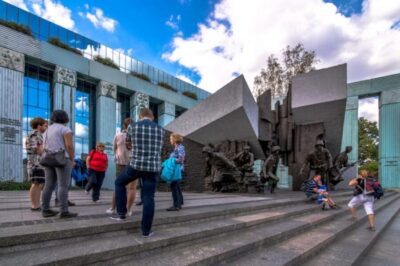
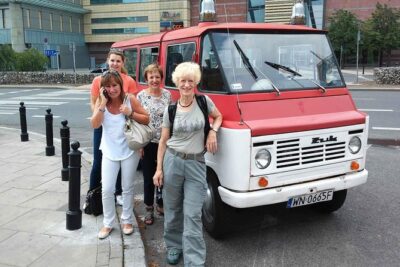
Warsaw for WWII Buffs – private tour with hotel pickup
Read our review →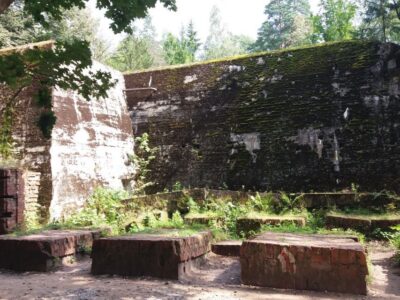
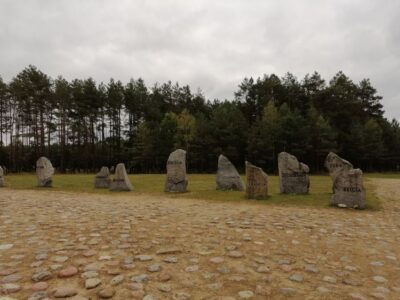
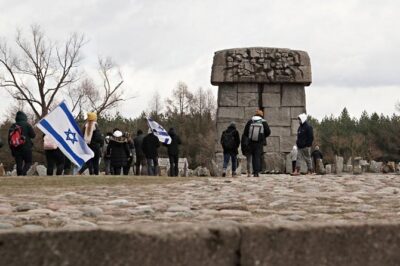
Treblinka Death Camp 6 Hour Private Tour from Warsaw
Read our review →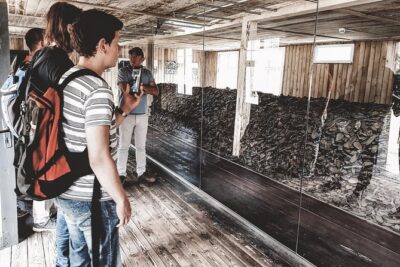
Stutthof Concentration Camp English Tour with Gdansk Hotel pickup
Read our review →Browse the lists this tour appears in