
Reviewed · WWII TOURS
Warsaw Uprising Museum (1944) : PRIVATE SERVICE /inc. Pick-up/
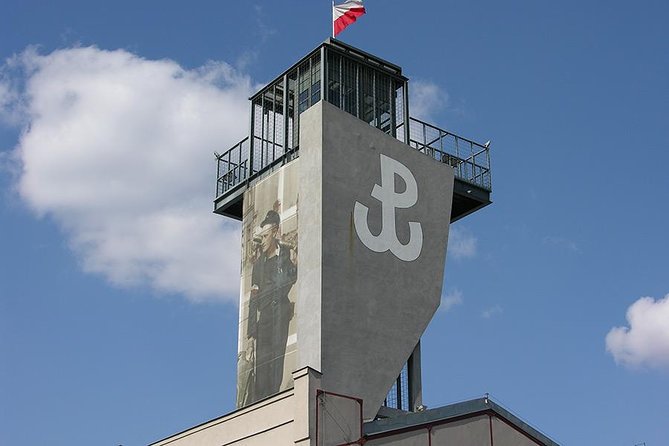
Warsaw’s 1944 Uprising Museum takes you into the city’s wartime destruction through photographs, personal stories, multimedia displays, and the daily realities of people who fought under impossible conditions. The private service makes the visit easy: your driver collects you at your accommodation, waits while you visit, and returns you to a Warsaw address of your choice. I especially like the door-to-door transport and the fact that you share the vehicle only with your own party. The wide choice of audio-guide languages is another real plus.
The main caution is time. The advertised visit is about two hours, but the museum can absorb three hours if you read the displays carefully. The included audio guide is not the same as a private historian, and the museum’s route can feel unclear at times. If you want detailed personal explanation, arrange the licensed guide for an additional 99 euros per group.
Key points to know before booking
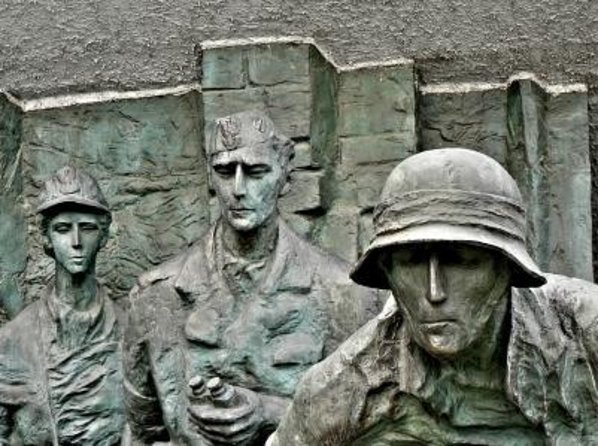
- The museum presents the 1944 Uprising through daily life as well as combat, including occupation, international politics, postwar communist repression, and the fate of the uprising’s participants.
- Private transport covers both directions, with pickup at your hotel or apartment and return to an address you name in Warsaw.
- The minimum booking is two people, and the largest private group is six.
- Audio guides are included, with English plus a long list of other languages.
- Plan more than the stated 75-minute museum visit if you want time for photographs, documents, and exhibits.
- A personal licensed guide costs extra, 99 euros per group, payable on the day if available.
Why the 1944 Uprising still matters in Warsaw
The museum focuses on a brutal turning point in Warsaw’s story. In 1944, Polish resistance fighters rose against German occupation, hoping to regain control of the city before Soviet forces could impose a new political order. The fighting brought courage, confusion, sacrifice, and terrible loss.
The museum also places the uprising inside the larger wartime picture. You are not shown only military plans and dates. The displays connect the fighting with the occupation, the destruction of Warsaw, the international situation, and the communist repression that followed the war.
That broader setting matters. Without it, the uprising can look like a simple story of heroic resistance. Instead, you see why the decision to rise was so difficult and why the consequences lasted long after the guns fell silent.
The city itself suffered almost total destruction. Warsaw had once been known for its grand tenements, growing industry, social variety, and distinctive urban character. After the war, much of that city was gone. The museum keeps returning to this human scale: homes, streets, families, underground communication, fear, hunger, and the loss of a generation.
More Museum Tours in Warsaw
- Warsaw: POLIN Museum of the History of Polish Jews Ticket
★ 4.7 · 1,142 reviews - Warsaw: Polish Vodka Museum Tour with Tasting
★ 4.6 · 788 reviews - Warsaw: Museum World of Illusion Entry Ticket
★ 3.9 · 666 reviews
Entering the Warsaw Uprising Museum
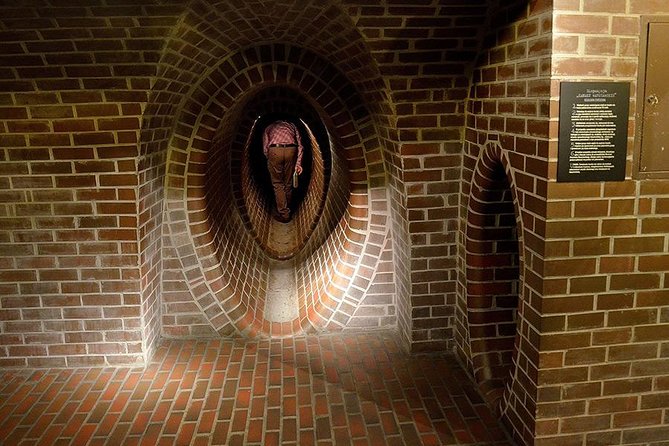
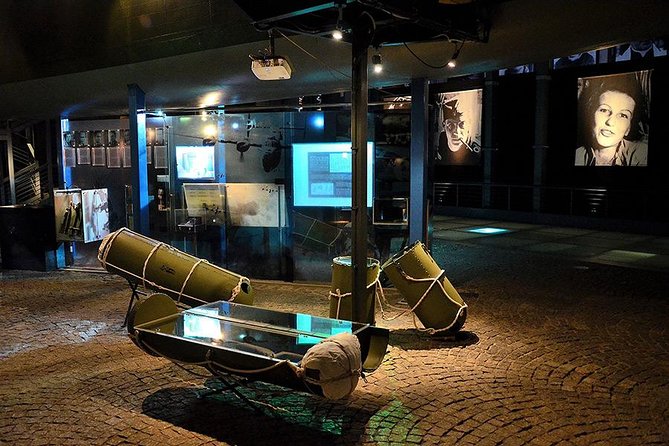
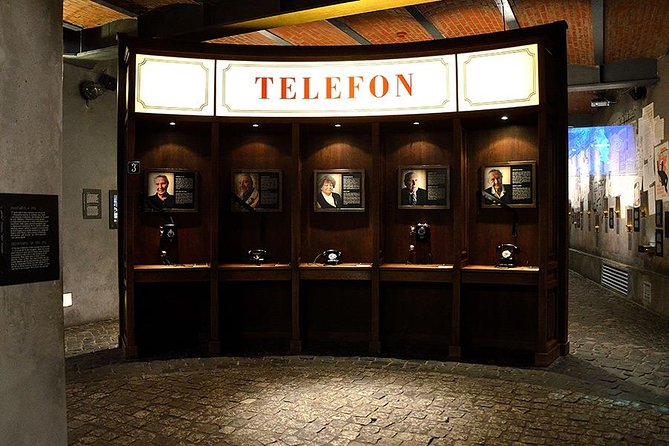
The museum is not arranged like a quiet line of framed paintings. It uses photographs, recordings, documents, objects, films, and multimedia displays to create a strong sense of movement through wartime Warsaw.
That approach will suit you if you learn best through visual material and personal stories. You might find the atmosphere tense and emotionally heavy. The subject is not softened, and the museum asks you to think about what ordinary men and women faced when they chose resistance.
The displays also include many photographs connected with the Warsaw Ghetto and the wider destruction of the city. These images help connect the uprising with the occupation that came before it. They also show that resistance was not limited to a small band of soldiers. Large numbers of Polish residents took part in efforts to fight, communicate, shelter others, and keep the city functioning.
I like that the museum does not treat the participants as distant figures from a textbook. The central question is personal: what would push people, many of them barely out of childhood, to risk everything for a chance at freedom? The museum does not offer an easy answer.
Allow 75 minutes, but plan for two or three hours
The included museum admission covers a visit of roughly 1 hour and 15 minutes in the formal schedule. That is enough for a brisk look, but it is not enough for a careful visit if you stop to read and listen.
I would set aside at least two hours. Several exhibits reward patience, and the audio guide adds context that you can miss if you hurry. Some people spend closer to three hours inside, especially when they follow the photographs and documents in detail.
The museum’s route may not always be obvious. You might need to pause and work out where to go next rather than expect a perfectly clear one-way path. That is not a reason to skip it, but it does affect the pace. If you like museums with a simple chronological route, give yourself extra time and avoid booking another fixed appointment immediately afterward.
The private car service helps here. You are not trying to fit the museum around a shared group departure or find a taxi at the end. Your driver returns after the visit, and you can continue to your accommodation or another Warsaw address.
What you will see beyond the battlefield
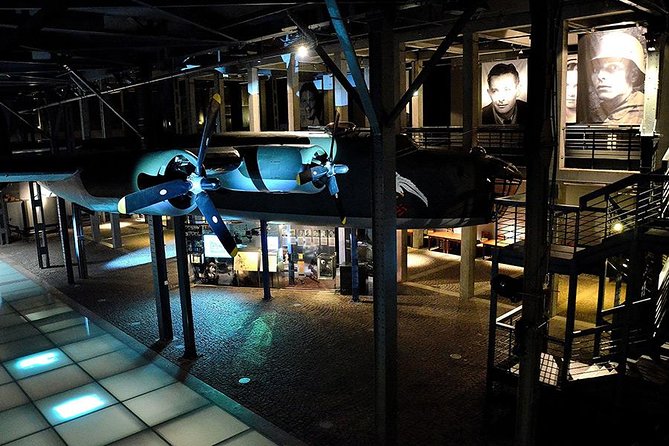
Military history is part of the experience, but it is not the whole story. The displays cover the participants’ daily lives, the machinery of resistance, and the conditions created by German occupation.
You can expect photographs and historical information to carry much of the visit. The museum also addresses the postwar period, including communist terror and what happened to people who had taken part in the uprising. That final section is important because victory and freedom did not follow in a simple line.
The result is a museum about choices as much as battles. You see bravery, but you also see uncertainty, poor odds, political isolation, and the cost paid by civilians. The story has no tidy ending, which is one reason the visit stays with you.
Some displays may appeal most to people already interested in wartime history, resistance movements, or military strategy. If your main interest is art, architecture, or general sightseeing, you may find other Warsaw museums more immediately appealing. This is a serious historical visit, not a light stop between cafés and shopping.
More WWII Tours in Warsaw
- World War 2 in Warsaw walking tour in English
★ 4.7 · 237 reviews - Warsaw for WWII Buffs – private tour with hotel pickup
★ 5.0 · 166 reviews - From Warsaw: Tour of the Wolf’s Lair, Hitler’s HQ by Car
★ 4.7 · 116 reviews - From Warsaw: Guided Tour of Treblinka Camp
★ 4.7 · 85 reviews
Audio guide or private guide?
An audio guide is included, and English is available. Other listed languages include Polish, German, French, Italian, Spanish, Portuguese, Russian, Ukrainian, Chinese, Japanese, Dutch, Swedish, Danish, Finnish, Czech, Croatian, Romanian, Hungarian, Slovak, Slovenian, Bulgarian, Georgian, Hebrew, Indonesian, Macedonian, Azerbaijani, and more.
That range is useful for mixed-language families and groups. You can listen at your own pace rather than remain attached to a fixed group. It also gives you a basic framework for the photographs and displays.
A licensed personal guide is optional and costs 99 euros per group. Available languages include English, German, French, Russian, Italian, and Spanish. The extra fee is payable on the day, if the service is available.
I would consider paying for the guide if this museum is one of your main reasons for visiting Warsaw, or if you want help with the political background. The audio guide should work well for an independent visit, but it cannot answer follow-up questions or adjust the explanation to your interests.
For a couple or small group, the added cost may be reasonable when divided among several people. For a larger group of six, it becomes better value per person. If you are mainly looking for transport and a flexible museum visit, the included audio guide is probably enough.
Why private pickup is useful
The practical strength of this experience is the transport. You provide your hotel or apartment address when booking, and the driver or coordinator waits outside the building entrance with a card showing your name.
That detail matters in Warsaw, where apartment entrances can be easy to miss and street names may not be familiar. You do not need to navigate public transport, arrange a taxi to the museum, or find a meeting point in an unfamiliar part of the city.
The vehicle is private to your party. No other clients share the ride, and the return transfer takes you from the museum to your accommodation or another Warsaw location you specify. This is especially handy if you are traveling with older relatives, children, luggage, or a group that prefers to move together.
There is one practical point to remember if you arrange your own taxi instead. The museum does not have a taxi rank, so you may need to call for a car when you finish. The included return transfer removes that small but annoying problem.
The transport is convenience, not a sightseeing tour. The driver is described as a coordinator, but the service does not promise a detailed historical talk during the ride. Think of it as a private transfer attached to a museum visit.
Is $95.03 per person good value?
At $95.03 per person, the price is not cheap for a museum visit. The value depends on how much you need the private transport.
You are paying for admission, taxes and fees, a multilingual audio guide, a private driver, pickup from your accommodation, and a return transfer. For two people, the total cost is significant, but a private car in both directions can be useful if you are staying outside the easiest transport routes or want to avoid local travel logistics.
For a group of four to six, the private transport becomes more attractive because the service is priced per person while the car remains private to your group. The optional personal guide is priced per group, so larger parties also get better value from that addition.
If you are comfortable finding the museum yourself and arranging your own return, you may prefer an ordinary museum visit. The private option makes most sense when time, comfort, and door-to-door movement matter more than getting the lowest possible price.
The museum itself can easily occupy two hours, and possibly three. That helps the value, provided you take your time. A rushed 75-minute visit would make the cost feel harder to justify.
Who should book this private museum visit?
I would recommend it most strongly to:
- Couples who want simple, private transport without planning several connections.
- Families or small groups who prefer to stay together.
- People staying in apartments, where finding a pickup point or taxi may be inconvenient.
- Visitors with a serious interest in the Second World War and Polish resistance.
- Anyone who wants an audio guide in English or another listed language.
- Groups considering the extra licensed guide and able to share the 99-euro fee.
I would be more cautious if your Warsaw schedule is tight or if military and political history is not your main interest. The subject is grim, and the museum asks for attention. It is not an easygoing attraction to squeeze into a spare hour.
The museum can also be difficult for anyone expecting a perfectly clear route. Give yourself time to find the order of the displays and do not plan a hard departure immediately after the scheduled visit.
Booking details and cancellation
A minimum of two people is required, and no more than six people can book together. The service is private, so only your own party participates.
Confirmation is sent within 48 hours of booking, subject to availability. Provide the full hotel or apartment address, then look for the coordinator or driver outside the building entrance, holding a card with your name.
Free cancellation is available up to 24 hours before the experience begins. If you cancel less than 24 hours before the start time, you should not expect a refund, and changes made inside that period are not accepted. The time limit follows Warsaw local time.
Most people can participate, according to the supplied practical information. If you have a specific mobility requirement, it is sensible to ask the provider before paying, since no detailed accessibility information is supplied.
Should you book it?
Book this service if you want the Warsaw Uprising Museum handled with minimal fuss. The private pickup and return are its clearest advantages, and the audio guide gives you useful support in English and many other languages.
I would choose the added guide for a history-focused visit, especially if you want to understand the political choices behind the uprising and the difficult postwar years. Otherwise, take your time with the included audio guide and allow two to three hours, not just the scheduled 75 minutes.
Skip this option if your priority is the lowest price, if you can easily reach the museum yourself, or if wartime history is not high on your list. For the right visitor, though, it offers a practical way to reach one of Warsaw’s most serious museums and leave with a clearer sense of what the city lost in 1944.
FAQ
How long does the Warsaw Uprising Museum visit take?
The museum portion is scheduled for about 1 hour and 15 minutes, but you should allow at least two hours. Some visits take around three hours when you stop for the photographs, documents, and audio information.
Is transportation included?
Yes. A personal driver provides door-to-door transport from your Warsaw hotel or apartment to the museum and back. You can also request another location in Warsaw for the return journey.
Is the vehicle shared with other people?
No. The transport is private, and only your own group rides in the vehicle.
How many people can book the private service?
The booking requires at least two people and allows a maximum of six people.
Is an audio guide included?
Yes. Audio guides are included, with English and many other languages available.
Can I hire a private museum guide?
Yes, if available. A licensed guide dedicated to your group costs an additional 99 euros per group, payable on the day. English, German, French, Russian, Italian, and Spanish guides are listed as available languages.
Can I cancel for a full refund?
Yes, if you cancel at least 24 hours before the experience begins. Cancellations or changes made less than 24 hours before the start time are not accepted for a refund.
Just added around Warsaw
- Wolfs Lair and Swieta Lipka Small Group Tour from Warsaw with Lunch★ 4.5 · 21 reviews
- Wolf’s Lair & Treblinka Tour in 1 day from Warsaw★ 5.0 · 37 reviews
- Tour from Warsaw: Wolf’s Lair, Hitler’s HQ Zones I and II★ 5.0 · 32 reviews
- Wolf’s Lair Private Day Trip from Warsaw★ 5.0 · 50 reviews
- Wolfs Lair “Hitler’s Headquarters” – Full Day Tour from Warsaw by private car★ 4.5 · 4 reviews
- Warsaw Must-See Local City Tour with Antek and Tomek★ 5.0 · 51 reviews
- Off the Beaten Track in Warsaw: Private City Tour★ 4.5 · 9 reviews
- Warsaw’s Old Town A Self-Guided Audio Tour★ 4.5 · 10 reviews
WWII Tours, compared.
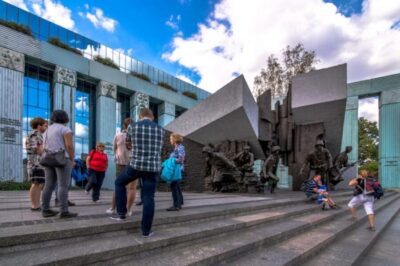
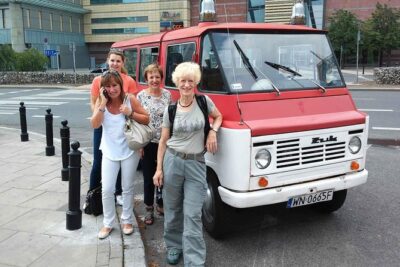
Warsaw for WWII Buffs – private tour with hotel pickup
Read our review →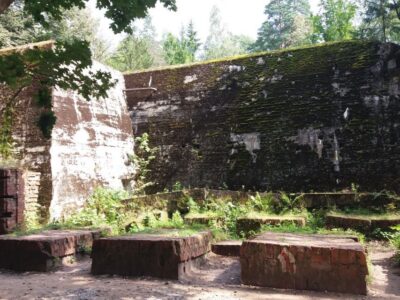
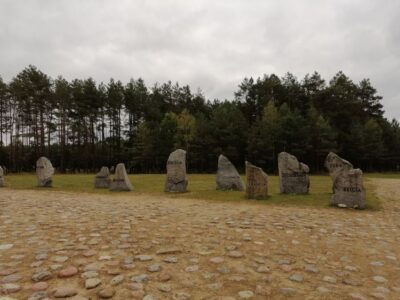
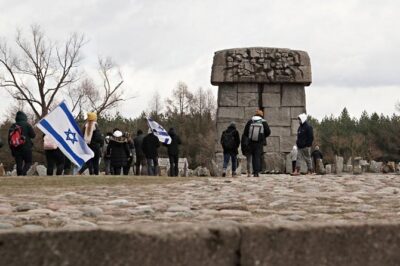
Treblinka Death Camp 6 Hour Private Tour from Warsaw
Read our review →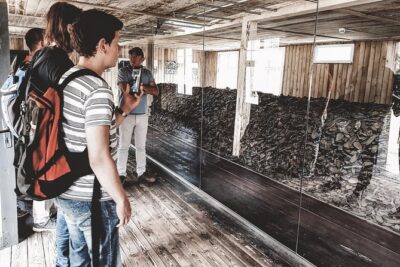
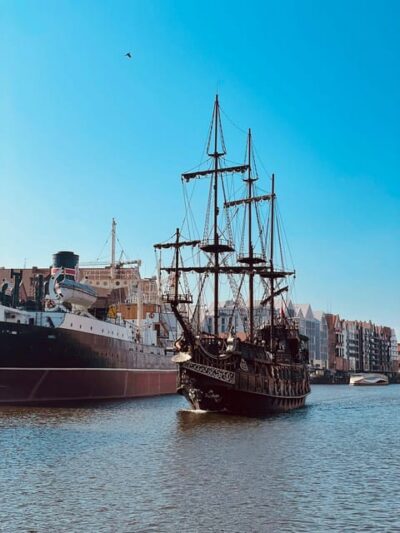
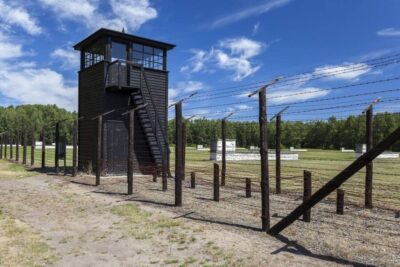
Stutthof Concentration Camp English Tour with Gdansk Hotel pickup
Read our review →Browse the lists this tour appears in