
Reviewed · WALKING TOURS
Wrocław: Old Town and Ostrów Tumski Walking Tour in English
Wrocław’s story is unusually tangled: Polish, German, Austrian, religious, wartime, communist, and modern threads all meet in one city. This 150-minute walk from the Market Square to Ostrów Tumski gives you a useful way into that story, with a local guide explaining why Wrocław is sometimes called a European microcosm.
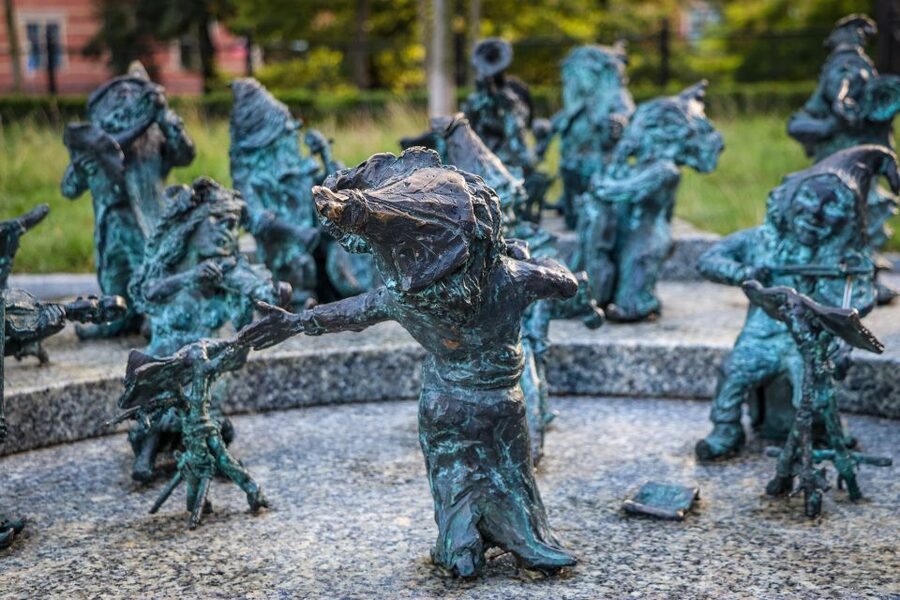
I like the route’s mix of grand sights and small details. You’ll see the Gothic Town Hall, count bridges on the way to the oldest part of the city, and learn about odd local touches such as Wrocław’s famous dwarfs. I also like the guides’ practical advice. Matt, Justyna, Łukasz, Michael, Simon, and others are praised for adding restaurant, café, and nightlife suggestions.
The main drawback is simple: this is a long walking tour on cobblestones. It can run close to three hours, and one large group found it crowded while another had trouble hearing the guide. Wear good shoes and stay near the guide.
Key points to know before you go
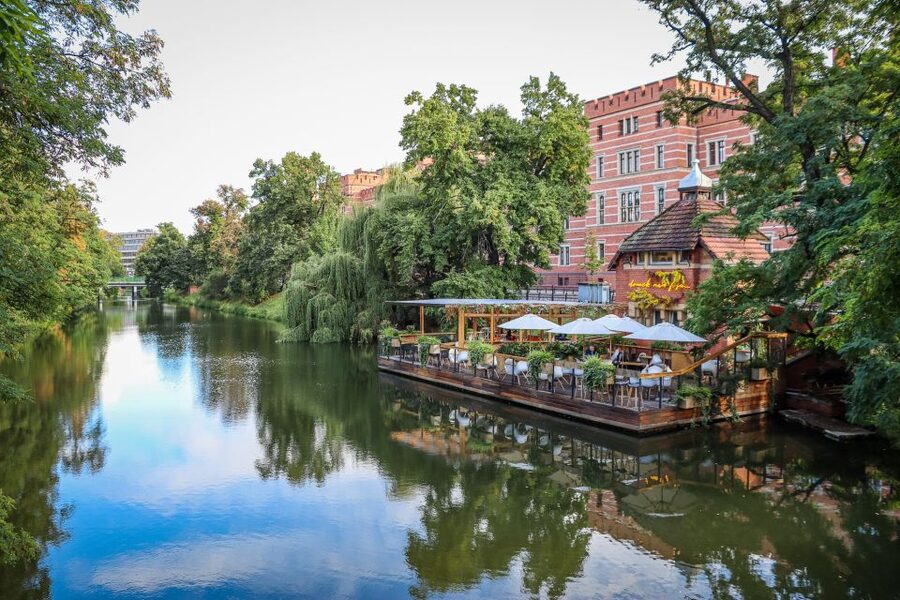
- The route links two essential areas: Start at the Fredro Statue in the Market Square and finish around Ostrów Tumski, the city’s oldest district.
- The history is the main attraction: Your guide explains Wrocław’s changes of rulers, religious conflict, wartime destruction, communist years, and modern revival.
- The Town Hall is a highlight: Expect time to appreciate its Gothic design and the merchant city that grew around it.
- The walk crosses into a city of bridges: The route uses Wrocław’s waterways and leads toward cathedral island.
- The guides add useful local color: You may get food, café, and sightseeing suggestions, along with stories about dwarfs, culture, and local life.
- Plan for a full 2.5 hours: The pace is generally comfortable, but the distance and cobblestones still require sensible footwear.
Starting beneath the Fredro Statue in the Market Square
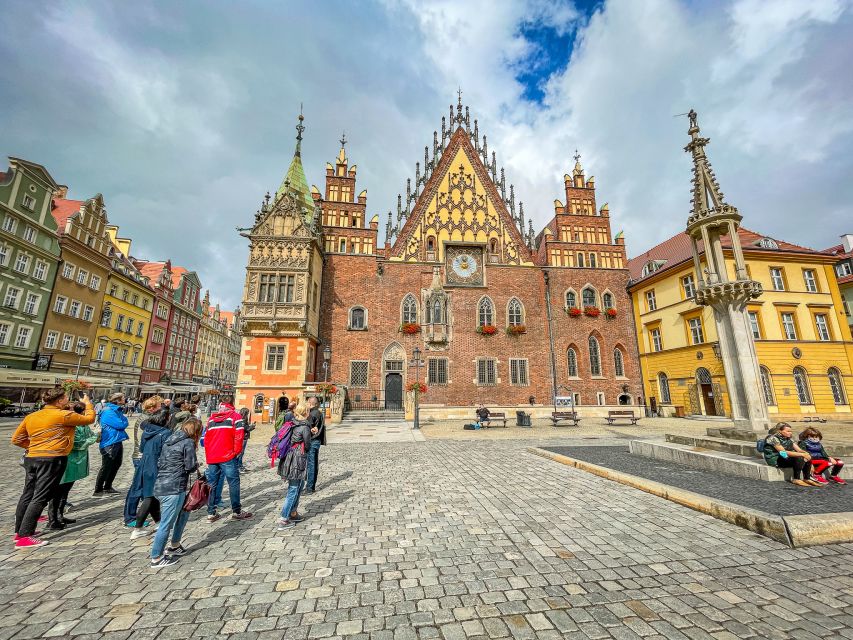
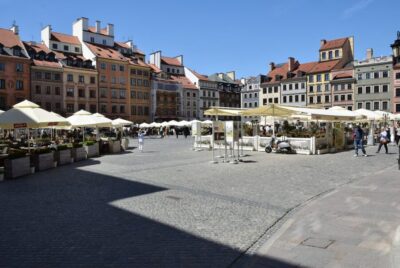
Meet the Walkative guide in front of the Fredro Statue, right in Wrocław’s Market Square. This is a sensible starting point because the square gives you an immediate sense of the city’s scale, architecture, and commercial past.
The Market Square, or Rynek, is not just a pretty open space for photographs. It is the setting for the city’s merchant life, political changes, rebuilding, and present-day social scene. Your guide uses the buildings around it to explain how Wrocław became a wealthy trading center and why its identity cannot be reduced to one national story.
One useful early lesson is the city’s name. Wrocław is not pronounced the way an English speaker might first guess. The guide explains both the pronunciation and the reason the name can look so confusing, which helps you say it correctly for the rest of your stay.
This first part should help you get your bearings fast. You are not simply being pointed toward attractive façades. You are being shown how the city’s past sits beside its present, from ornate merchants’ houses to modern restaurants and nightlife.
More Walking Tours in Wroclaw
- Wroclaw: Private Old Town Guided Walking Tour (2 hours)
★ 4.8 · 275 reviews - Old Town Wrocław Walking Tour
★ 5.0 · 249 reviews - Wroclaw Old Town Guided Walking Tour
★ 5.0 · 100 reviews
Reading the Gothic Town Hall and the old merchant city
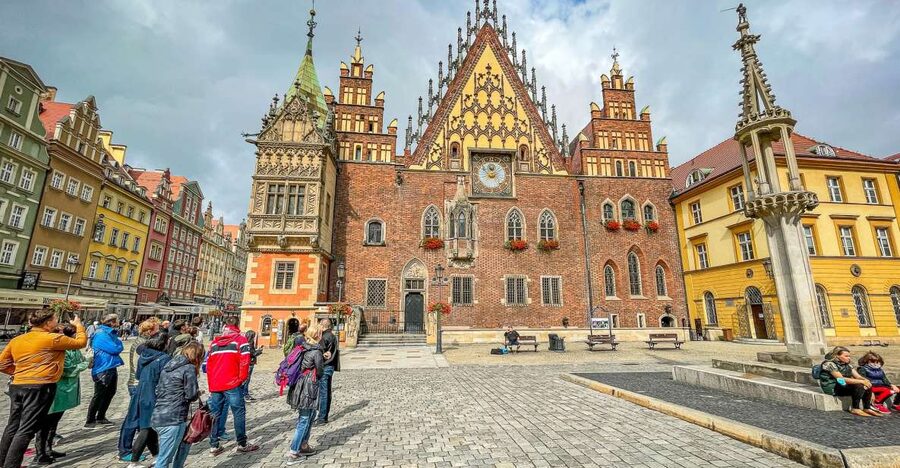
The Town Hall is one of the tour’s key sights. Its Gothic architecture gives the guide a strong visual tool for explaining Wrocław’s medieval wealth and civic life.
Look closely as your guide points out the building’s details. The value here is not only the façade itself, but the explanation of what a town hall meant in a powerful trading city. It represents local administration, business, status, and the public life that grew around the market.
This is also where the tour’s storytelling style matters. Guides such as Łukasz, Justyna, Zuzanna, and Matt have been praised for explaining difficult subjects in plain English, with humor instead of a dry lecture. You can expect stories and context rather than a list of dates.
Zuzanna, in particular, has used the Old Town to show that Wrocław is more than its handsome buildings and nightlife. Small subjects such as old prisoners’ graffiti, music events, and the work of Nobel Prize winner Olga Tokarczuk can widen your view of the city.
The tour also brings in the famous Wrocław dwarfs. They are not the whole story, and a good guide does not let them become a tourist gimmick. Instead, they work as small reminders that the city has a playful side alongside its serious past.
Making sense of a city shaped by many countries
Wrocław’s past can be hard to follow without help. Over more than 1,000 years, the city was affected by different states, rulers, languages, religions, and political systems. Its position in the middle of Europe made it a meeting point, but also left it exposed to conflict.
The guide’s job is to give you a clear sequence. You learn about wars and religious struggle, the prosperity of a trading city, the Nazi period, the destruction of the Second World War, the communist era, and the return to freedom.
The wartime section is especially important because modern Wrocław can look so polished. The city was almost completely destroyed during the war. That fact changes the way you see the rebuilt Old Town. The handsome streets are not simply old scenery preserved without interruption. Much of what you see belongs to a long process of loss, reconstruction, and renewed civic pride.
The tour also explains the population changes that followed the war and the city’s place within postwar Poland. The supplied history describes Wrocław as a microcosm of Europe, a place where major continental events repeatedly left their mark.
I find this broad approach more useful than a tour that focuses only on medieval architecture. By the time you leave the square, you should have a working explanation for why Wrocław feels both Polish and Central European, historic and modern, familiar and hard to categorize.
Crossing bridges toward Ostrów Tumski
Wrocław is closely tied to water, and the route takes advantage of that. As you leave the Old Town, you cross toward Ostrów Tumski while hearing about the city’s many bridges.
Counting bridges may sound like a small activity, but it helps you understand the physical shape of Wrocław. The city is spread across islands and waterways, and the approach to Ostrów Tumski feels different from the open commercial space of the Market Square.
The walk is described as easy-going, but it is still a proper city walk. You will cover a good distance over about two and a half hours. One visitor with elderly parents found the pace comfortable, while another noted that the tour ran nearer three hours than two and a half.
That timing matters if you have a train, a timed museum entry, or a dinner booking. I would leave extra room after the scheduled finish. The guide may pause for questions, and a large group can move more slowly through busy areas.
A short break at Market Hall has also been part of the experience, giving people a chance to use the facilities or browse. Do not assume this is a guaranteed formal stop, but the possibility is useful to know, especially on a longer walking route.
Same city, a completely different kind of day:
- Wroclaw: E-Car Tour and Audio Guide
★ 4.6 · 1,738 reviews - Wroclaw: 2-Hour Private Guided Tour by Electric Car
★ 4.8 · 805 reviews - Wroclaw: City Tour Sightseeing By Golf Cart Shared Or Privat
★ 4.8 · 189 reviews - Wroclaw Pub Crawl with Free Drinks
★ 4.4 · 127 reviews
Entering Ostrów Tumski, Wrocław’s oldest district
Ostrów Tumski is the destination that gives the walk its shape. The name means Cathedral Island, and the area is described as the oldest part of Wrocław.
Here the city’s religious past becomes more visible. The cathedrals and church architecture give the guide a chance to explain the importance of the district and its place in Wrocław’s development.
The change in atmosphere is part of the appeal. You begin among the commercial buildings of the Market Square, then move across bridges and waterways into a district centered on cathedrals. The route lets you compare two sides of Wrocław without needing a bus or taxi.
Expect to finish around the cathedral island area. That makes the tour practical as well as informative. You can continue exploring the churches and riverfront afterward, or use the guide’s suggestions for food and drinks.
The itinerary does not include transportation, and you do not need it for the walk itself. Still, you should plan for steady movement between the Old Town and Ostrów Tumski. Comfortable shoes are more important here than fashionable ones. The cobbles can be tiring, especially in wet or cold weather.
The people who make the walk work
The strongest part of this experience is the guide. The names attached to especially warm feedback include Łukasz, Justyna, Matt, Michael, Simon, Adam, Damian, Daniel, Zuzanna, Peter, and Michał.
You should expect an English-speaking local guide, but personalities will differ by departure. The common pattern is a guide who explains clearly, answers questions, and uses humor to keep the history moving.
Łukasz is repeatedly praised for his passion for the city, comic timing, and ability to make the walk feel like an outing with a well-informed local friend. Justyna is noted for humor, a good route, and helpful suggestions based on how long people are staying. Michael has provided written recommendations for restaurants, including vegetarian and affordable traditional choices.
Several guides have also offered advice on cafés, pubs, and other places to see after the walk. That can add real value to a short city visit because you are not left with only a set of monuments. You get ideas for how to use the rest of your day.
English is generally clear and easy to follow. Still, one person found it difficult to hear the guide at times and wished for audio receivers. Another found a large group crowded. Stay close, especially near roads, bridges, or busy squares, and ask the guide to repeat something if needed.
Price, payment, and what the $19 really covers
The listed price is $19 per person. That is a fair price for 150 minutes of local guiding, especially if you want a structured introduction before exploring independently.
There is one point to understand clearly. This is presented as a general pay-as-you-wish tour, yet the booking price covers the reservation fee and the guide’s payment. In other words, the amount you pay in advance is not simply an optional tip handed over after the walk.
For value, the tour works best if you use the information afterward. Pay attention to restaurant suggestions, places to revisit, and details you may have missed while walking. A guided introduction can save time during a short stay and help you choose which churches, streets, and cultural sites deserve a second look.
The free cancellation policy allows cancellation up to 24 hours before the activity for a full refund. You can also reserve now and pay later, which helps if your schedule is still shifting.
The activity is listed as wheelchair accessible, but the practical experience still involves a long outdoor walk and cobbled surfaces. If accessibility is important for your group, confirm the route conditions and current meeting details before booking.
Who will get the most from this tour
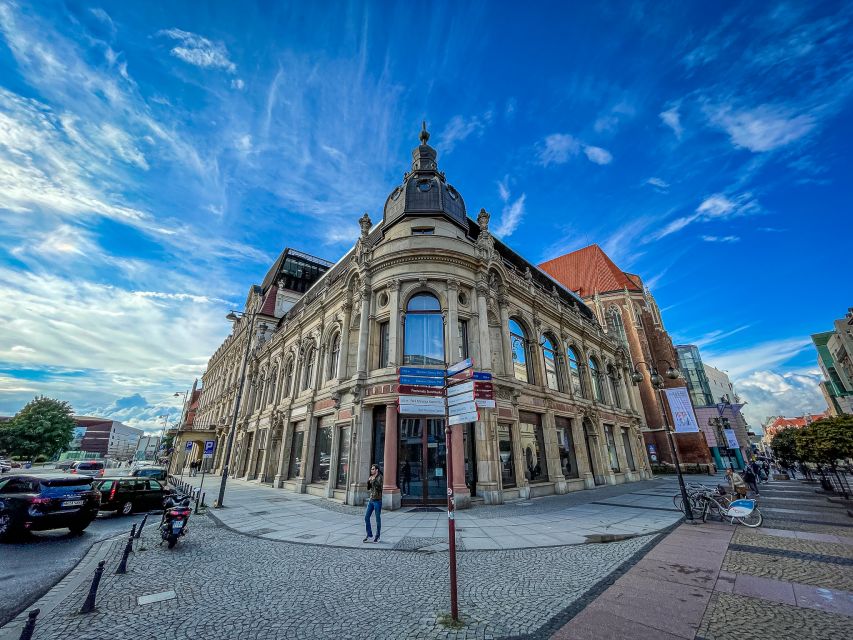
I would choose this walk for a first visit to Wrocław, especially if you want the city’s story explained rather than simply photographed.
It suits you if you enjoy:
- Large historic squares and Gothic architecture
- Local stories about politics, religion, war, and rebuilding
- Walking between the main Old Town and Ostrów Tumski
- Practical food and café suggestions
- A guide who can answer questions in English
- A relaxed pace that still covers a lot of ground
Families can manage it if everyone is comfortable walking for 2.5 hours. One group included two older parents without trouble, but the cobbles and length still deserve attention.
This may not suit you if you want a short, tightly timed sightseeing loop, a private tour, or a tour with guaranteed audio equipment. It is also not the best choice if you dislike group walks or prefer to explore without historical explanation.
Should you book the Wrocław walking tour?
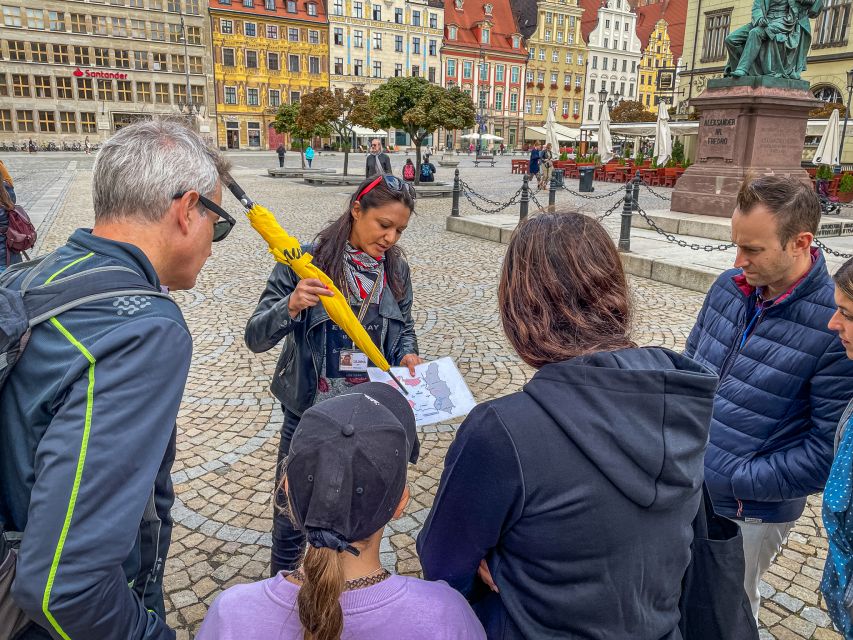
Book it if you want a strong first look at Wrocław and need help sorting out its complicated past. The route covers the Market Square, Town Hall, bridges, and cathedral island, while the guides add local food tips and stories that are easy to miss on your own.
I would schedule it early in your stay, then return to the places that catch your interest. Allow closer to three hours, wear weather-ready clothing and firm shoes, and stay near the guide so you can hear every detail.
At $19, it offers solid value for a city introduction, particularly when the guide is one of the engaging locals praised for humor and clear explanations. Choose it with the understanding that the group size and guide style can vary. For most first-time visitors who want history with a human voice, it is a sensible choice.
FAQ
How long is the Wrocław Old Town and Ostrów Tumski tour?
The scheduled duration is 150 minutes, or two and a half hours. You should allow extra time because the walk may run closer to three hours.
Where does the walking tour begin?
Meet the Walkative guide in front of the Fredro Statue in Wrocław’s Market Square.
Where does the tour finish?
The route finishes at or around Ostrów Tumski, also known as Cathedral Island, the oldest part of Wrocław.
Is the tour conducted in English?
Yes. The tour has a live English-speaking guide.
Does the tour include transportation?
No. Transportation is not included. The activity is a walking tour between the Old Town and Ostrów Tumski.
What should I bring?
Bring weather-appropriate clothing and wear comfortable shoes. The route includes cobbled streets and a substantial amount of walking.
Can I cancel the booking?
Yes. You can cancel up to 24 hours in advance for a full refund. You can also reserve now and pay later.
Just added around Wroclaw
- Lower Silesia Tour From Wroclaw★ 4.5 · 33 reviews
- Wroclaw Old Town Private Tour★ 5.0 · 6 reviews
- Museum of Illusions Wroclaw Entrance Ticket★ 5.0 · 42 reviews
- Jewels of Lower Silesia★ 5.0 · 22 reviews
- Legends of Old Town 1 Hour Walking Tour in Wroclaw★ 5.0 · 6 reviews
- Highlights of Wroclaw Private Tour with one Entrance★ 5.0 · 5 reviews
- Private Candlelight concerts with classical music in Wroclaw★ 4.5 · 6 reviews
- Famous Islands of Wroclaw – Cathedral Island and Sand Island Private Tour★ 5.0 · 13 reviews
Walking Tours, compared.
Gdańsk City Sights & History Guided Walking Tour in English
Read our review →
Browse the lists this tour appears in