
Reviewed · WWII TOURS
Gdansk: Stutthof Concentration Camp Regular Tour
Stutthof is not a casual sightseeing stop. You enter a former Nazi concentration camp, walk through the gas chambers and crematorium, and hear about people who were imprisoned and murdered there. The visit carries real emotional weight, but it also gives you a clear, guided account of the camp and the persecution of Pomerania.
I like the hotel pickup and the comfortable one-hour ride from Gdansk, especially since Stutthof is outside the city and not as simple to reach on your own. I also like the handoff to an English-speaking museum guide, with guides such as Michael, Thomas, and Tomasz praised for clear explanations and respectful delivery. The main drawback is pace: two hours inside the museum and grounds can feel rushed if you want time alone.
Key points to know before you go
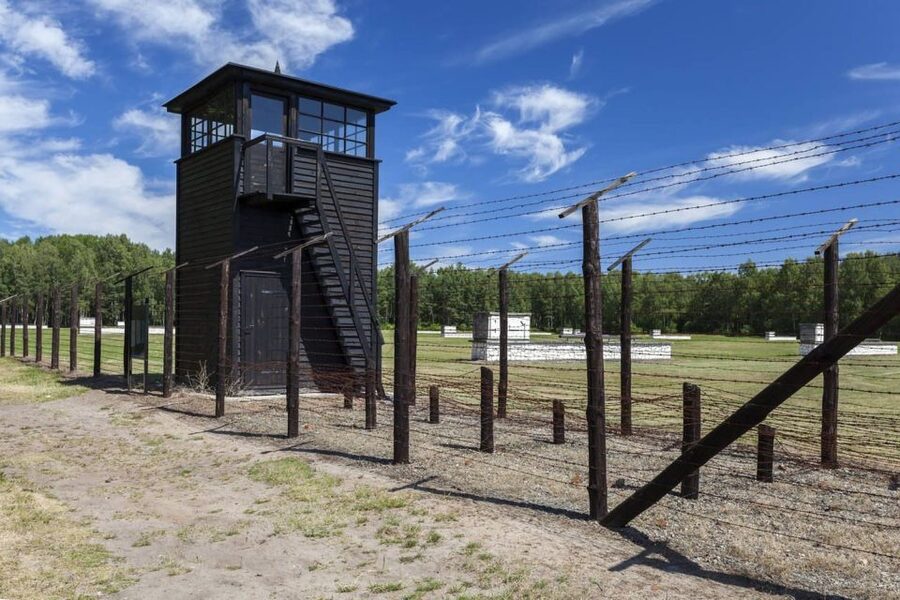
- Stutthof is the first Nazi concentration camp outside German territory and the longest-operating camp in Poland.
- Your English-speaking museum guide leads you through the former camp, including the gas chambers and crematorium.
- Pickup and drop-off are available from hotels in Gdansk and Sopot.
- The air-conditioned minibus ride takes about one hour each way.
- The full outing lasts about five hours, with roughly two to two and a half hours at the museum.
- The visit is best suited to adults and children aged 13 and older who can handle difficult subject matter.
Why Stutthof deserves a place on your Gdansk itinerary
Gdansk is often associated with its handsome old town, shipyards, and Baltic setting. Stutthof adds a far darker but important part of the region’s story. The camp was established during the Nazi occupation of Pomerania and became the first concentration camp created outside Germany. It operated for the longest period of any camp in occupied Poland.
That context matters. This is not simply a museum filled with wartime objects. You walk through the actual grounds where people were imprisoned, abused, and killed. The surviving buildings and empty spaces make the subject harder to keep at a distance.
I would not describe this as an enjoyable outing, and the tour does not try to make it one. Its value comes from careful explanation and direct contact with a place that carries historical evidence. A good guide helps you understand the camp’s purpose, the system of persecution behind it, and the human stories that can otherwise get lost in dates and statistics.
The tour has an average rating of 4.7 from 361 bookings, and the praise is remarkably consistent around two areas: the drivers and the museum guides. That matters because the journey and the walking tour are separate parts of the day. A reliable driver gets you there without stress, while a strong guide helps you make sense of a difficult site.
More WWII Tours in Gdansk
- Gdansk: Guided Round-Trip Cruise to Westerplatte
★ 4.3 · 865 reviews - Stutthof Concentration Camp English Tour with Gdansk Hotel pickup
★ 4.5 · 73 reviews - Stutthof Concentration Camp:Guided Tour with Transportation
★ 4.7 · 57 reviews
The one-hour ride from Gdansk or Sopot
Pickup is available from hotels in Gdansk, with Sopot also listed as a pickup and drop-off area. The exact collection time depends on the day, so check the confirmed time carefully. One booking issue has been inconsistent pickup information, making it worth checking your message the evening before.
The air-conditioned minibus takes about an hour each way. That gives you a total of roughly two hours on the road, so the vehicle and driver make a real difference. The transport is not just a way to get from point A to point B. Several drivers, including Simon, Christopher, Peter, Nic, and Krysof, have been praised for punctuality, friendly service, and clear English.
The strongest drivers add local context during the journey. Simon, in particular, is often singled out for explaining Gdansk, nearby towns, Polish culture, and the area around Stutthof. One route even varied the outward and return roads to show more of the surrounding area.
That extra commentary is useful, but keep your expectations in check. The driver is not your museum guide. The main historical tour begins at Stutthof, where you meet a separate English-speaking guide.
The vehicle is described as comfortable and climate-controlled, which is helpful in both summer heat and chilly weather. You do not need to arrange parking or navigate the rural roads yourself. Parking and entrance fees are included, as is insurance.
What the two-hour Stutthof visit includes
The guided portion at the museum takes up to two and a half hours, though the listed itinerary describes about two hours. In practice, allow the full two and a half hours so you are not watching the clock.
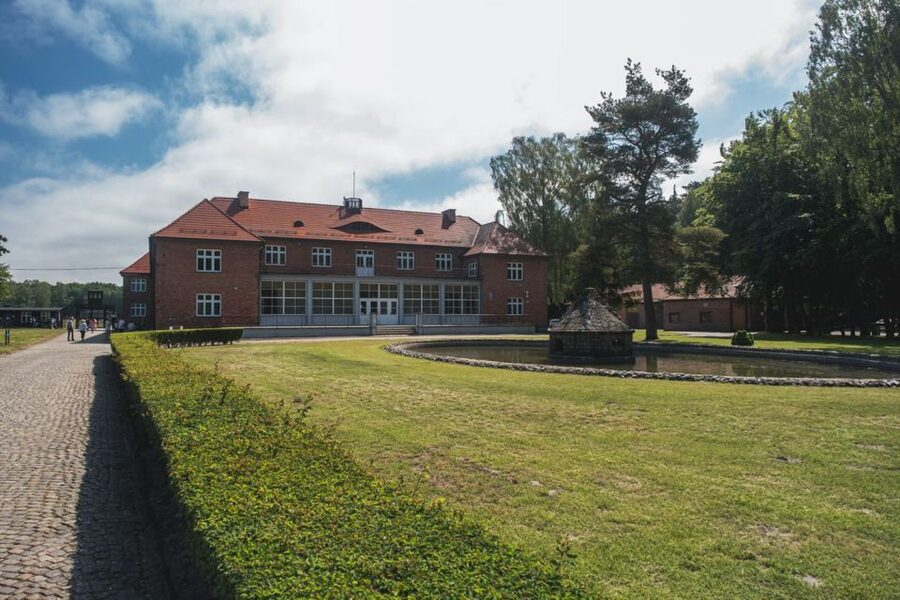
You begin at the Stutthof Museum, which commemorates the victims of the former camp. The guide places the site in the history of Nazi occupation and the persecution of people in Pomerania. This opening explanation helps you understand that the camp was part of a wider machinery of repression, not an isolated prison.
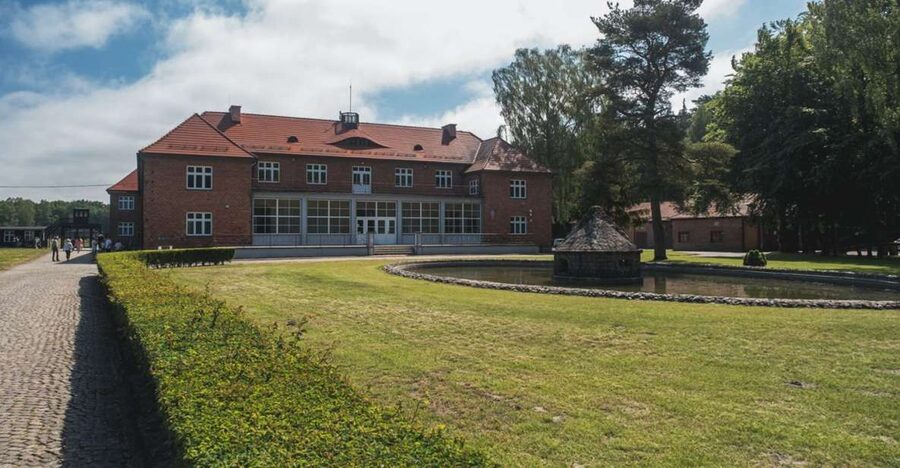
From there, the route moves through important surviving buildings and memorial spaces. You may see the former commander’s villa, an uncomfortable reminder of how ordinary domestic life existed close to organized cruelty. The contrast between the villa and the camp grounds is one of the details that can stay with you.
The tour then reaches the gas chambers and crematorium. This is the most difficult section for many people. The guide explains the mass murder carried out there, while the buildings themselves remove any comfortable distance from the subject.
You also visit the monument to the camp’s victims. This gives the walk a place for reflection after the more graphic and factual parts of the tour. The guide’s tone matters here, and the strongest feedback focuses on respectful delivery, clear English, and patience with questions.
The exact order can vary, but the central route focuses on the museum, camp buildings, commander’s villa, gas chambers, crematorium, and memorial. You are guided through the key areas rather than left to work out the site alone.
Why the guide matters at a place like this
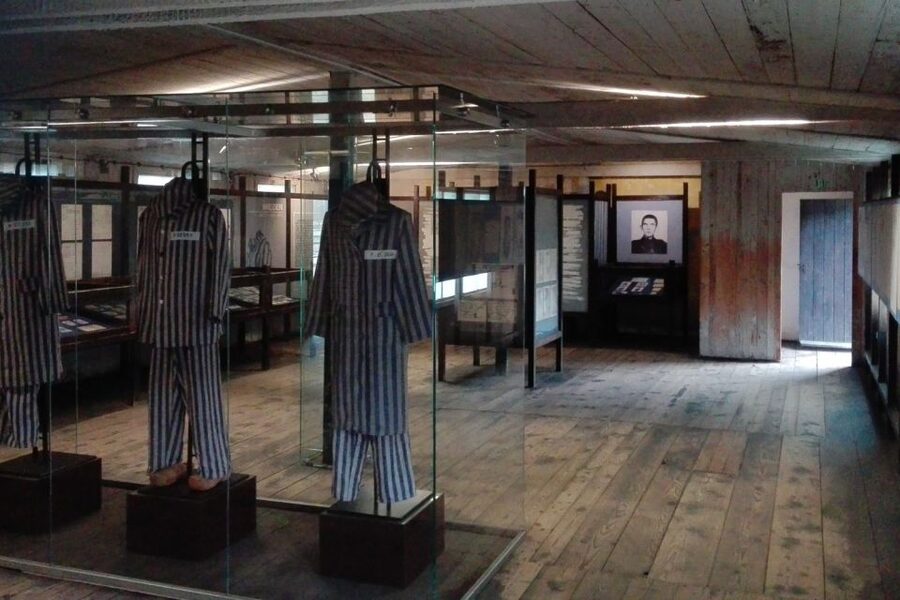
Stutthof is a large and emotionally difficult historical site. Without explanation, you might see old buildings and barracks without fully understanding what happened there or why each section matters.
The English-speaking guides are the heart of the visit. Michael, Thomas, Tomasz, and Michael G are among the names repeatedly praised for clear explanations and strong command of the camp’s history. One guide was also appreciated for sharing personal stories, which added a human scale to the visit.
You should expect a serious presentation. This is not a theatrical performance, and the guides do not turn the subject into entertainment. The best accounts describe a calm, respectful manner, with time for questions and explanations as the group walks.
One point to consider is that guide quality can vary by individual. Most of the available feedback is very positive, but one person found the guide’s English less polished than the driver’s. Another felt the route was too rushed. That does not make the tour a poor choice, but it is a reason to see the guided walk as an organized introduction rather than a slow, private study visit.
If you already know a great deal about Stutthof, you might prefer more independent time. If you are coming with little background, the guide is a major advantage.
More visits to the Stutthof memorial:
- Stutthof Concentration Camp tour including transfer from Gdansk
★ 5.0 · 34 reviews - Stutthof Concentration Camp Half-Day Private Tour
★ 4.8 · 29 reviews - Private transportation to the Stutthof Concentration Camp 4h
★ 4.7 · 28 reviews - Stutthof Concentration Camp: Private Guided Tour with Transport
★ 4.5 · 26 reviews
The emotional weight of the gas chambers and crematorium
A visit to a concentration camp demands a different mindset from a normal day trip. You may find the gas chambers and crematorium especially hard to face. The tour presents these places as historical evidence, not as attractions, and you should be prepared for a quiet, somber atmosphere.
The emotional response can arrive in different ways. Some people feel sadness, anger, disbelief, or simply numbness. You do not need to force a reaction. Take the time you need, listen carefully, and remember that the site is also a memorial to people, not only a record of Nazi crimes.
The monument to the victims offers a natural point to pause. It is worth resisting the urge to rush straight back to the minibus after the guided route. Even a few quiet minutes can help you process what you have seen.
This is why the tour is not recommended for children under 13. The subject matter is severe, and the walking route includes locations directly connected with mass murder. Parents should make their own judgment for older children, including the 14-year-old who attended with a parent and found the visit meaningful, but the provider sets 13 as the minimum recommendation.
A practical look at comfort, clothing, and bags
Wear comfortable shoes. The tour is on foot, and the grounds can feel exposed in cloudy or chilly weather. Bring an extra jacket if the forecast looks cool, even if Gdansk feels mild when you leave your hotel.
You can bring an umbrella, an extra jumper, or a small backpack. The museum grounds limit bags and backpacks to a maximum size of 30 by 20 by 10 centimeters. Large bags and luggage are not allowed, so do not plan to go straight from a hotel checkout with a full suitcase.
Sleeveless shirts and smoking are not permitted. Food and drinks are not included, and the supplied details do not promise a meal stop. Eat before departure or plan to arrange food after you return to Gdansk or Sopot.
The tour is listed as wheelchair accessible, but the activity remains a walking visit across a historic camp site. If you need specific access arrangements, confirm them when booking rather than assuming every part of the route will be equally easy.
Is the $128 price fair?
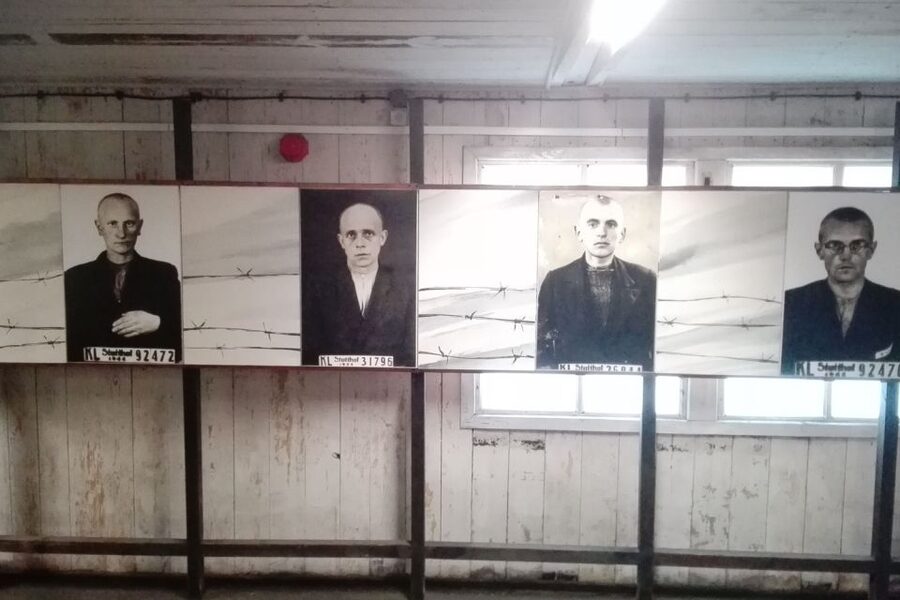
At $128 per person, this is not the cheapest way to reach Stutthof. The price includes hotel pickup and drop-off, an air-conditioned minibus, an English-speaking driver, the museum guide, entrance fees, parking, and insurance.
That package makes the price easier to understand. You are paying for transport from Gdansk, a planned entry, and a guided visit rather than only admission to the museum. You also avoid arranging a separate taxi, finding parking, and working out the route to Sztutowo.
The value depends on what you want from the day. If you mainly need transportation and prefer to walk alone, a cheaper independent option might suit you better. If you want the convenience of hotel pickup and a guide who explains the site as you move through it, the price is more reasonable.
The driver commentary adds a little extra value, especially on the return ride. Some drivers have shared information about Gdansk and the surrounding area, and one recommended a local place to try zurek soup in bread after the tour. That is a pleasant extra, but the real reason to book is the organized access and museum guidance.
Free cancellation up to 24 hours before departure and the option to reserve without paying immediately give you some flexibility. Starting times depend on availability, so check the schedule before building the rest of your Gdansk day around it.
Who should book this Stutthof tour?

I would choose this tour if you are staying in Gdansk or Sopot and want to visit Stutthof without handling transport yourself. It is also a good fit if you want a clear English explanation and prefer a guide to lead you through the most important areas.
The tour suits adults, mature teenagers, history students, and anyone who feels that understanding Gdansk requires looking beyond the postcard center. It is particularly useful for first-time visitors to the site, since the camp’s history can be difficult to grasp from signs alone.
You may want another plan if you need a leisurely, self-guided visit. The route is structured, and several hours are taken up by the outward and return journeys. The two-hour museum visit can feel short if you want to read every display or spend long periods alone at each building.
Plan something quiet after you return. This is not the sort of morning to follow with a tightly packed list of cheerful attractions. Give yourself room to think, eat, and recover from the subject matter.
Final verdict: a serious and worthwhile half-day from Gdansk
Book this tour if you want a practical, guided way to reach one of Poland’s most important wartime memorial sites. The strongest parts are the hotel pickup, dependable minibus transport, and the English-speaking museum guide who explains the camp’s buildings and history with care.
Do not book it expecting an easy sightseeing trip or plenty of free time. Stutthof is harrowing, and the guided schedule can feel brisk. Still, for most first-time visitors, the organization and expert explanation are worth the $128, particularly when you consider the long drive and included fees.
Go prepared for difficult images, steady walking, and a serious tone. If you can give the place your full attention, this five-hour visit offers a direct and meaningful way to understand a painful part of Pomerania’s past.
FAQ
How long does the Stutthof tour take?
The full activity lasts about five hours, including roughly one hour each way between Gdansk and Stutthof. The guided visit at the museum takes about two to two and a half hours.
Where can I be picked up?
Pickup and drop-off are available from hotels in Gdansk. Sopot is also listed as a pickup and drop-off location.
Is an English-speaking guide included?
Yes. The tour includes an English-speaking driver and a separate English-speaking guide for the Stutthof Museum.
What places do I see at Stutthof?
The route includes the Memorial Museum, the former commander’s villa, the gas chambers, the crematorium, the camp grounds, and the monument to the victims.
Can children join the tour?
The tour is not recommended for children under 13 because of the difficult subject matter and the locations visited.
What should I bring?
Wear comfortable shoes for the walking tour. Bring an extra jacket if the weather is cloudy or chilly. Small backpacks and bags are allowed, but they must not exceed 30 by 20 by 10 centimeters.
Just added around Gdansk
- Gdansk and Malbork Castle Small Group Tour from Warsaw with Lunch★ 4.5 · 20 reviews
- Westerplatte private tour led by Expert-Guide (door to door)★ 5.0 · 5 reviews
- Whisky Tasting in Gdańsk★ 5.0 · 3 reviews
- Private WW2 Tour of Westerplatte,Gdansk and Stutthof Including Lunch★ 5.0 · 12 reviews
- Gdansk EVERYDAY Vodka Tasting Tour★ 5.0 · 6 reviews
- Westerplatte – 2h private trip by luxury car|★ 5.0 · 4 reviews
- Aiport Gdansk Transfer to Malbork Castle or Stutthof★ 5.0 · 3 reviews
- 5 hours Individual trip to the Stutthof Concentration Camp★ 5.0 · 5 reviews
WWII Tours, compared.

Warsaw for WWII Buffs – private tour with hotel pickup
Read our review →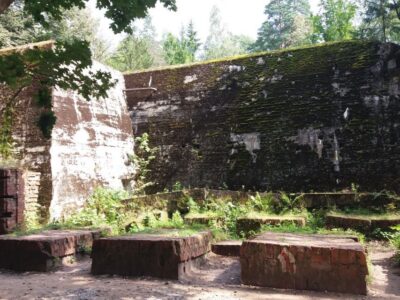
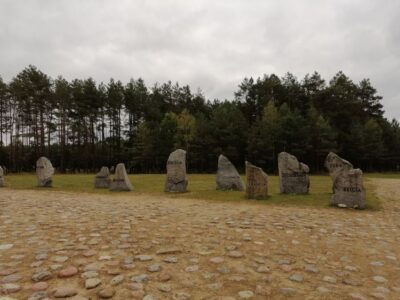
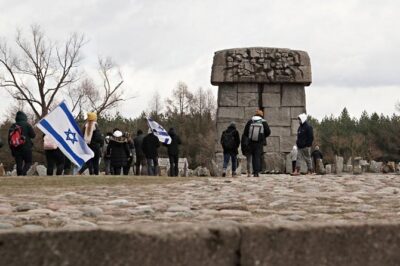
Treblinka Death Camp 6 Hour Private Tour from Warsaw
Read our review →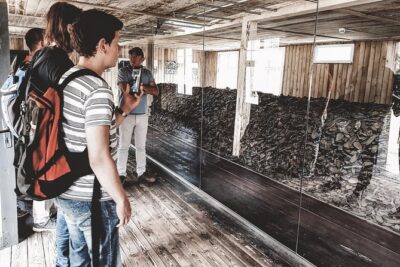
Stutthof Concentration Camp English Tour with Gdansk Hotel pickup
Read our review →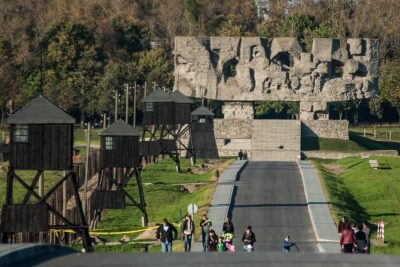
Majdanek Concentration Camp & Lublin Full Day Private Tour from Warsaw
Read our review →Browse the lists this tour appears in