
Reviewed · SCHINDLER FACTORY TOURS
Kazimierz, Schindler’s Factory & Ghetto Guided Tour
Kraków’s Jewish story comes into sharp focus on this five-hour walk from Kazimierz to the former Ghetto. You move from centuries of Jewish religious and family life to Nazi occupation, deportation, and the story of Oskar Schindler. It is a serious tour, but the route gives the past a clear shape instead of treating it as a list of dates.
I like the order of the tour. Starting with Szeroka Street and its synagogues helps you understand what was lost before you reach Schindler’s Factory and Ghetto Heroes Square. I also like the licensed guides, who explain Jewish customs and daily life as well as wartime events. The main drawback is the group size, which can reach 25 people, and one review found the museum’s narrow corridors hard to follow at that size.
Key points to know before booking
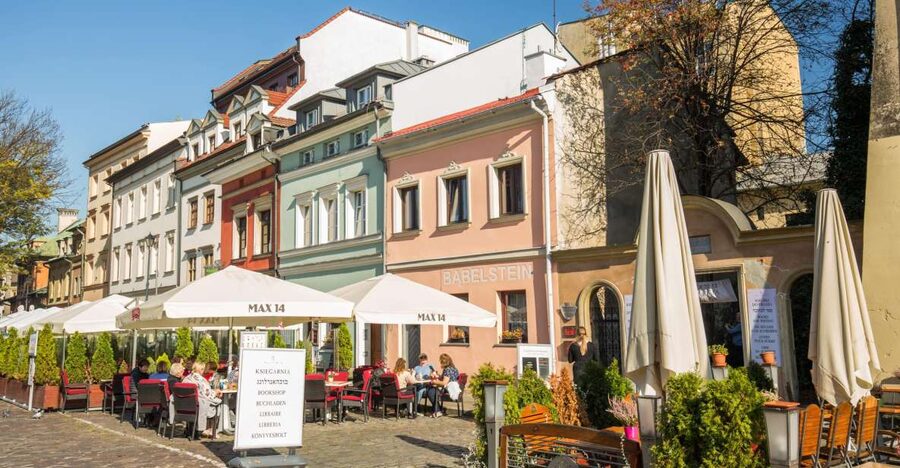
- Szeroka Street sets the historical scene: Begin beside the Old Synagogue, Poland’s oldest preserved synagogue, with the Remuh, Kupa, and Tempel synagogues nearby.
- The tour links two different stories: You first learn about Jewish life and culture, then follow the effects of Nazi occupation through Schindler’s Factory and the former Ghetto.
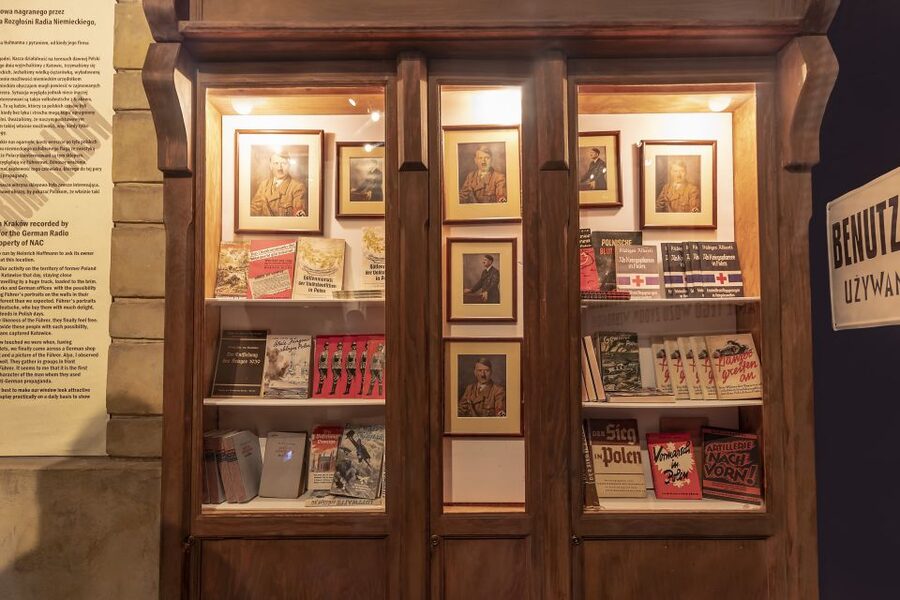
- Schindler’s Factory is now a museum: You will see the exhibition Kraków under Nazi Occupation 1939 to 1945, not original factory machinery.
- The Ghetto Walls make history physical: Surviving fragments show how Jewish residents were confined and separated from the rest of Kraków.
- Ghetto Heroes Square ends the route on a powerful note: Empty metal chairs recall the people who were deported and killed.
- Plan for a full five hours outdoors and indoors: Comfortable shoes and weather-ready clothing matter, and you must arrive at least 10 minutes early.
Why this route works so well
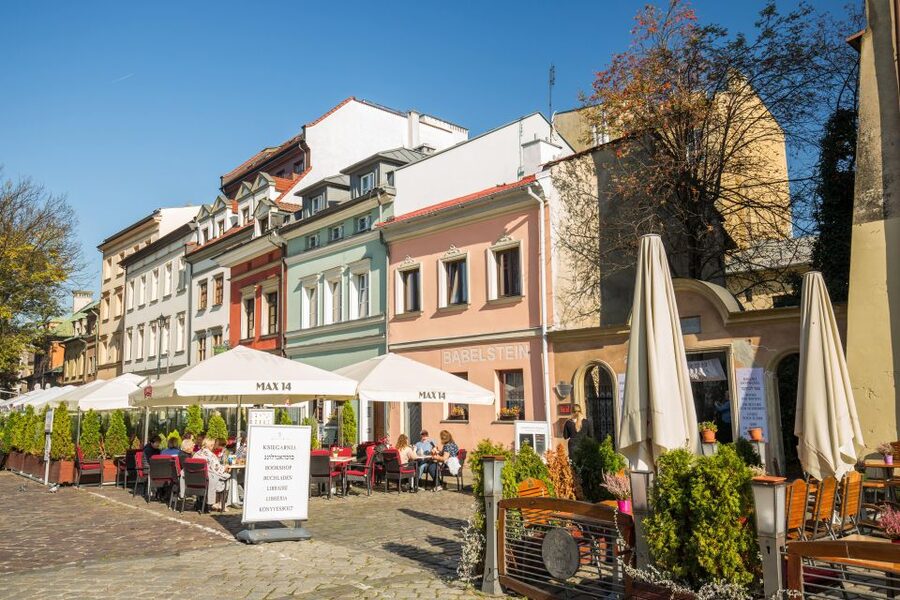
Many Kraków history tours focus only on the Nazi occupation. This one gives you the setting first. That matters because Kazimierz was not created by the war. It was a Jewish district with places of worship, cemeteries, homes, businesses, and traditions that developed over centuries.
You begin in Kazimierz and finish in Podgórze, the district where the Nazi authorities established the Kraków Ghetto. The route therefore follows a useful historical progression: community, persecution, confinement, deportation, and remembrance.
The guide’s role is especially important here. A walk past old buildings can remain a pleasant stroll unless someone explains what happened inside them and how Jewish life shaped Kraków. The strongest feedback about this tour centers on the guides’ explanations, with several people praising the clear storytelling and the way the tour helped them understand events before visiting Auschwitz.
The tour is also conducted in one language at a time. You choose English, French, German, Spanish, or Italian when booking. That is useful for a history-heavy tour, since you will want to catch names, dates, and explanations rather than piece them together through translation.
More Jewish Heritage Tours in Krakow
- Krakow: Schindler’s Factory & Ghetto Guided Tour
★ 4.7 · 1,694 reviews - Krakow: Jewish Quarter and Former Ghetto Tour
★ 4.9 · 1,441 reviews - Krakow: Bike Tour of Old Town, Jewish Quarter and the Ghetto
★ 4.9 · 1,155 reviews
Starting on Szeroka Street in Kazimierz
Meet your guide on the steps of the Old Synagogue. Look for the Kazimierz Guided Tour sign and arrive at least 10 minutes before departure. Late arrivals cannot join once the group has entered, and the ticket is not refundable.
Szeroka Street is a fitting starting point. It was the historic heart of Jewish Kazimierz, and its buildings show the district’s religious and civic importance. Synagogues and townhouses from the 16th through 18th centuries frame the street, giving you a strong sense of age without requiring a museum visit first.
The Old Synagogue is the key landmark here. It is described as the oldest preserved synagogue in Poland and now operates as a museum of Jewish history. On this tour, you should expect to learn about it from outside rather than receive a separate interior museum visit, since the included museum admission is for Schindler’s Factory.
That distinction is worth noting. If you want to spend time inside several synagogues, you may need a separate visit. This tour uses the buildings as part of a wider walking story, keeping the focus on the neighborhood and its changing life.
The Remuh, Kupa, and Tempel synagogues
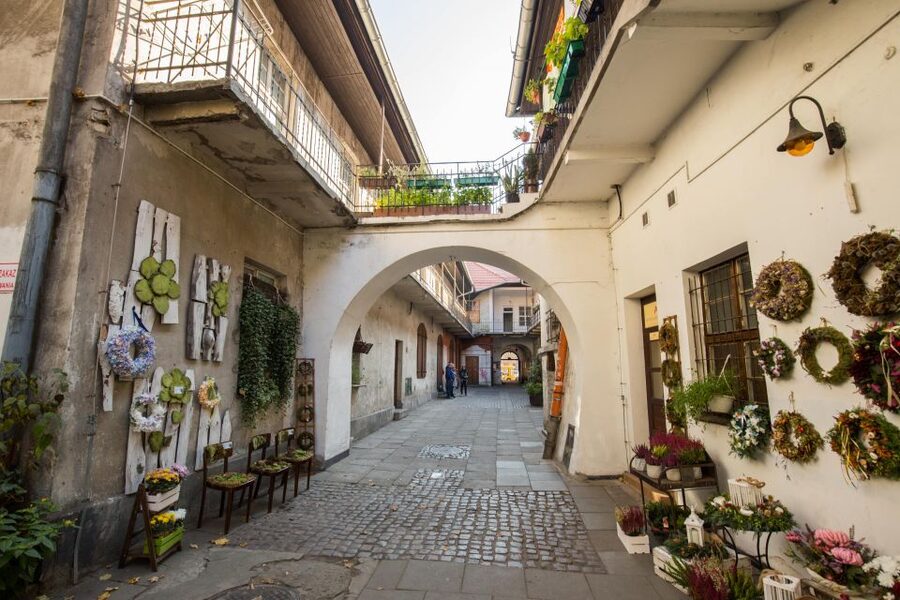
The route continues past the Remuh Synagogue and Cemetery, one of Poland’s most important Jewish religious sites. The cemetery adds a different layer to the walk. It is not simply another historic building, but a place tied to religious memory and generations of Jewish residents.
You also pass the Kupa Synagogue, which once served poorer members of the Jewish community. That detail helps correct the idea that historic synagogues all served the same role. Different congregations had different resources and social ties, and a good guide can make those distinctions understandable.
The Tempel Synagogue is another important stop. It remains an active center of cultural life, linking the area’s past with its present. The tour does not treat Kazimierz as a frozen historical display. You see a district where old religious sites now share space with cafés, markets, art, and daily city life.
The walk finishes this part of the route at Plac Nowy. This lively square is filled with cafés, markets, and local art. It offers a change of mood after the more solemn synagogue and cemetery stops, though the overall subject remains serious.
I like this portion because it gives you cultural context before the war years. You learn that Jewish Kraków was not only a backdrop for tragedy. It was a lived community with religious practice, social differences, public spaces, and ordinary routines.
From Jewish life to Nazi occupation
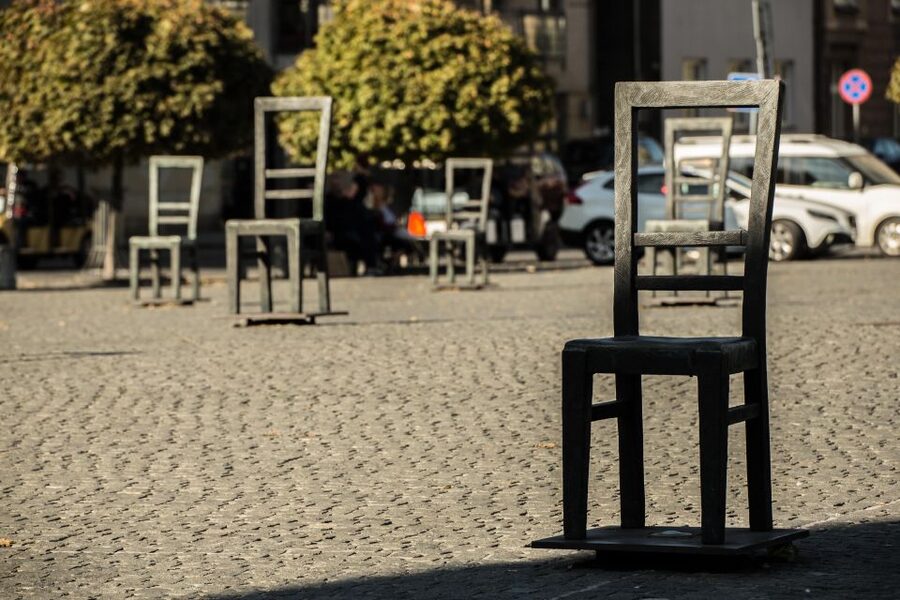
The transition to the wartime section is the heart of the tour. The guide connects Jewish customs, family life, and religious traditions with the events that later destroyed much of the community.
One French-language review specifically praised this type of explanation, noting that the guide covered Jewish life in Poland and Kraków from the Middle Ages through the Second World War. That is the right approach for this subject. Without the earlier context, the Ghetto can feel like an isolated wartime site. With it, you understand the scale of what was broken.
The tour then turns toward Schindler’s Factory. The change in subject is stark, but the sequence makes sense. You have first encountered the people and places of Jewish Kraków. You can then see how occupation altered the city and placed Jewish residents under growing threat.
More ways to visit Schindler's Factory:
- Krakow: Oskar Schindler’s Factory Entry Ticket & Guided Tour
★ 4.2 · 3,793 reviews - Krakow: Schindler’s Factory Tour with Entrance Ticket
★ 4.5 · 3,182 reviews - Krakow: Schindler’s Factory Skip-the-Line Ticket
★ 4.4 · 3,105 reviews - Krakow: Schindler’s Factory Tour with Entrance Ticket
★ 4.6 · 1,737 reviews
Schindler’s Factory and the museum exhibition
Fast-track admission to Schindler’s Factory is included. The building originally functioned as Oskar Schindler’s enamel factory, but it is now a museum and no longer contains the original production equipment.
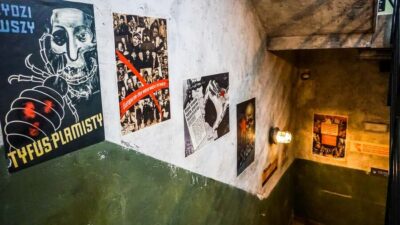
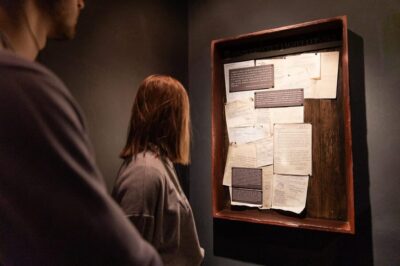
The main exhibition is called Kraków under Nazi Occupation 1939 to 1945. It uses photographs, personal objects, reconstructed streets, and other displays to show the fear and uncertainty of life under occupation. The exhibition is not only a portrait of Schindler. It also presents the wider experience of Kraków’s inhabitants.
Schindler’s role is a central thread. He employed Jewish workers and used his position, influence, and resources to protect them from deportation. More than 1,000 men and women survived through his efforts. The people he saved are often called Schindlerjuden, and the guide explains their stories within the larger history of the occupation.
That balance matters. A tour centered only on Schindler can make one man appear to be the whole story. Here, his actions are placed against the machinery of Nazi persecution and the daily reality faced by Jewish residents. You get the human story of courage, but also the difficult setting that made his actions so significant.
The museum may be the most demanding part of the visit. The exhibition includes narrow, winding corridors, and the group can contain as many as 25 people. One person found that a group grew from 15 to 25 at the factory, making it difficult to see what the guide was pointing out even though the guide could still be heard through the audio system.
That is a useful warning. A larger group does not cancel the value of the museum, but it can affect how close you get to displays and how easily you follow visual details. Stay near the guide when possible and keep in mind that the museum may feel crowded.
Walking through the former Kraków Ghetto
After the museum, the tour continues through the former Jewish Ghetto in Podgórze. This part of the route takes the history outside again. You are no longer looking only at photographs and objects. You are seeing the streets and remaining structures connected with confinement and deportation.
The surviving Ghetto Wall fragments are especially important. They offer a physical reminder of the boundaries imposed on the Jewish population and the separation from the rest of Kraków. The pieces are not a complete structure, but their presence makes the policy of confinement easier to grasp.
The guide’s explanation helps you read the surroundings. Without context, a fragment of wall could look like another old piece of masonry. With the story, it becomes evidence of how occupation reshaped the city and controlled where people could live and move.
This outdoor portion also means the weather matters. Rain, cold, heat, or strong sun can affect your comfort during a five-hour walking tour. Wear shoes suited to city walking and bring clothing for the forecast. The route includes both outdoor streets and indoor museum time, so you will need to be ready for changing conditions.
Ghetto Heroes Square and the empty chairs
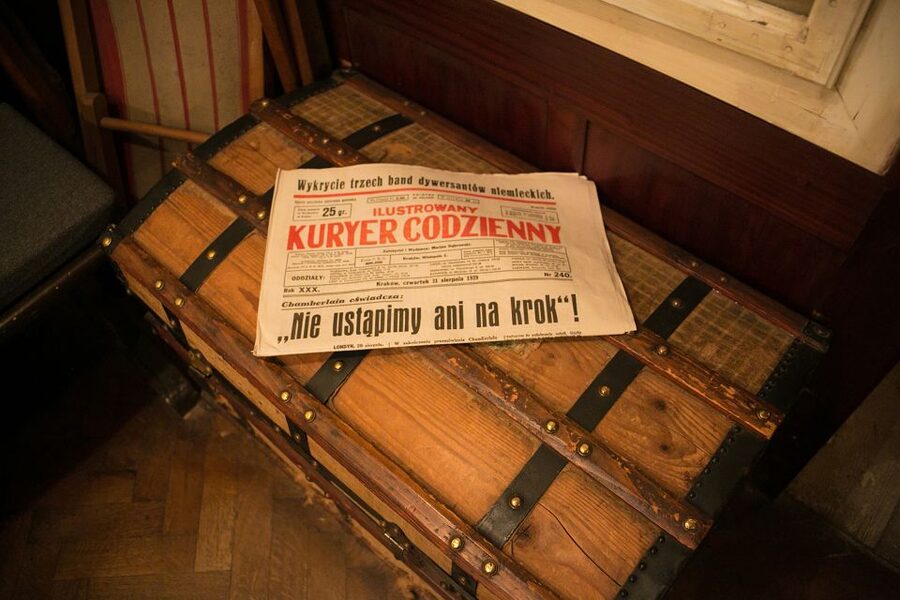
The final major stop is Ghetto Heroes Square, the former center of the Kraków Ghetto. It is closely connected with deportations, making it one of the most serious points on the route.
Today, the square is marked by a memorial of empty metal chairs. The chairs represent the lives lost and the belongings left behind when people were removed from their homes. The design is direct and restrained, which makes the square difficult to dismiss as just another historic site.
Ending here gives the tour a clear emotional direction. You begin with homes, prayer, community, and cultural life in Kazimierz. You finish with a place of removal and remembrance. The contrast is painful, but it is also why the full route works better than visiting the factory alone.
What the five-hour length means
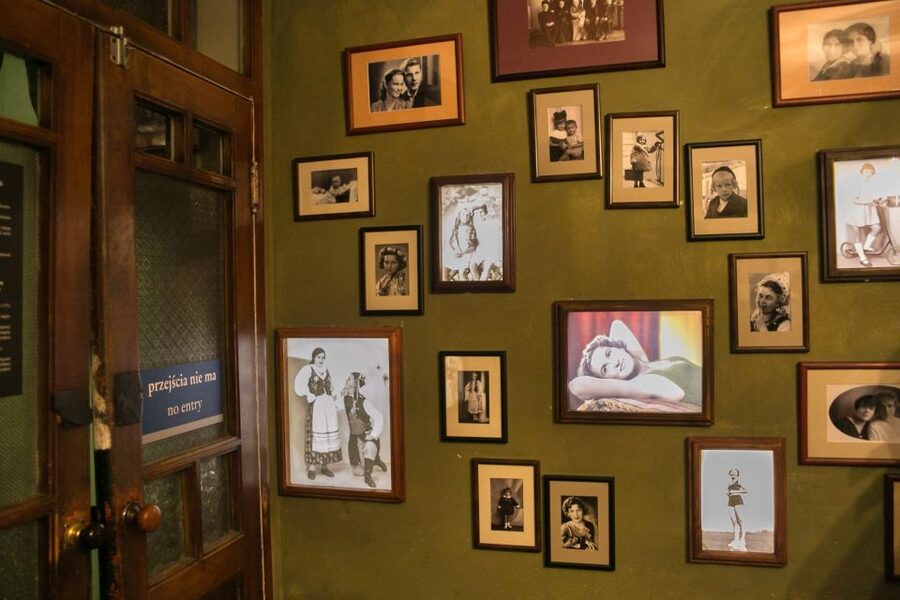
Five hours is a substantial part of your day. That is a fair amount of time for the route because the tour covers two districts, several historic sites, a museum, and a major wartime memorial.
You should not expect five hours of nonstop walking at the same pace. The experience includes explanations and time at the museum, with the exact schedule subject to museum and site timing. Start times are approximate and may shift because of scheduling, so keep your plans around the tour flexible.
There is no food or drink included. Plac Nowy has cafés and markets, but you should not count on a meal break being built into the tour. Eat before starting or plan food for afterward, especially if you prefer not to go five hours without a proper break.
The tour is conducted in a single language, and the group limit is 25 people. That cap is better than an unlimited crowd, but it is still large enough to affect the museum portion. If you prefer close contact with a guide and quiet time at displays, a smaller private experience may suit you better, though that is not part of this product.
Is $81 a fair price?
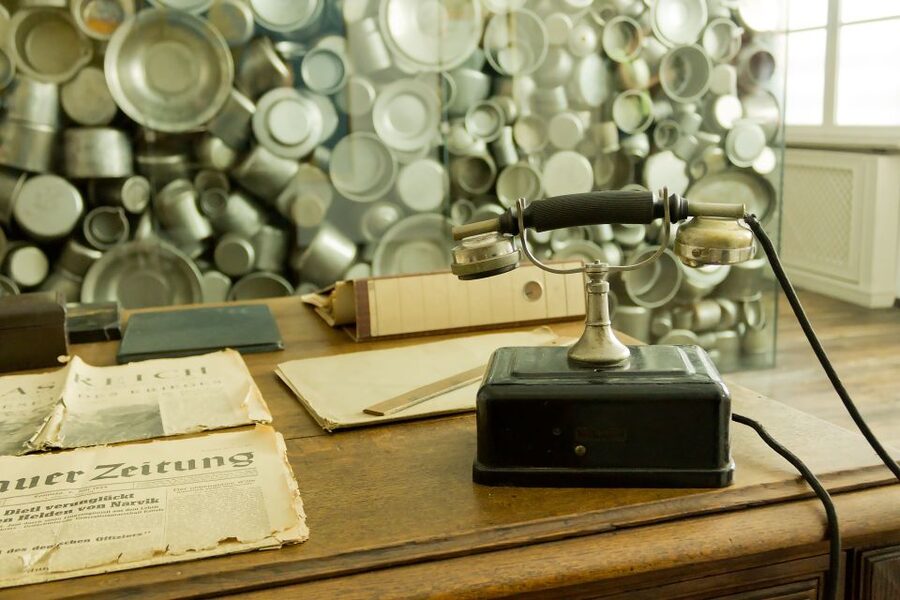
At $81 per person, this is not the cheapest way to see Kazimierz. The value comes from the amount of interpretation and the included fast-track entry to Schindler’s Factory.
You are paying for a licensed guide across five hours, a connected route through Kazimierz and Podgórze, and museum admission. If you visited the neighborhood without guidance, you could see the buildings and memorials, but you would need to arrange your own explanation and museum entry.
The price is easiest to justify if you want one organized introduction to Kraków’s Jewish heritage and wartime history. It is less appealing if you prefer to explore slowly, enter synagogues independently, or spend a long time at the museum’s displays without a group moving on.
The cancellation policy adds some useful flexibility. You can cancel up to 24 hours before the tour for a full refund, and you can reserve now and pay later. Just remember that this flexibility does not apply to arriving late on the day itself.
Who will get the most from this tour?
I would recommend it to first-time visitors who want a clear framework for Kraków’s Jewish and Nazi occupation history. It also suits anyone planning to visit Auschwitz, since one person found the tour helpful preparation for understanding the events and context before that visit.
History-focused adults, older children who can handle serious subject matter, and visitors who prefer guided explanation over independent reading should find the format useful. The route covers religious life, social history, occupation, resistance through individual action, deportation, and remembrance.
You should think twice if long walks, outdoor weather, or crowded museum spaces are difficult for you. The group can reach 25 people, and the museum’s narrow corridors may make it hard to see every detail when the group is full.
Guide quality appears to be a major strength. Several evaluations praise the guides’ explanations, and Aneta was singled out for clear work both in Kazimierz and at Schindler’s Factory. Guide assignments can change, so you should not book on the assumption that Aneta will lead your departure, but the feedback gives you a useful sense of the standard expected from the guiding team.
Should you book it?
Book this tour if you want the big picture, not just a famous name. Its best feature is the connection between Jewish life in Kazimierz, Schindler’s story, the Ghetto Walls, and Ghetto Heroes Square.
The main caution is the group size inside the museum. If you can accept a potentially crowded visit and arrive early, the $81 price is reasonable for five hours of guided history and included museum admission. If you want a slower, quieter museum visit or more interior synagogue time, build your own itinerary instead.
FAQ
Where does the tour begin?
Meet your guide on the steps of the Old Synagogue in Kazimierz. The guide will hold a Kazimierz Guided Tour sign.
How long does the tour last?
The tour lasts five hours. Starting times vary, so you need to check availability when booking.
What areas does the tour visit?
The route covers Kazimierz, Kraków’s historic Jewish Quarter, Schindler’s Factory, and the former Jewish Ghetto in Podgórze.
Is admission to Schindler’s Factory included?
Yes. Fast-track admission to Schindler’s Factory is included.
Does the factory still contain its original equipment?
No. The building originally operated as Schindler’s factory, but it now functions as a museum and no longer contains original production equipment.
What languages are available?
Tours are offered in English, French, German, Spanish, and Italian. Each group tour is conducted in one language.
How large can the group be?
Museum guidelines limit the group to a maximum of 25 participants.
What should I see in Kazimierz?
The route includes Szeroka Street, the Old Synagogue, the Remuh Synagogue and Cemetery, the Kupa Synagogue, the Tempel Synagogue, and Plac Nowy.
Does the tour include food or drinks?
No. Food and drinks are not included.
What happens if I arrive late?
You should arrive at least 10 minutes before the start. Once the group has entered, late arrivals cannot be accommodated, and the ticket is non-refundable.
Just added around Krakow
- stag dog chase Krakow prank★ 5.0 · 4 reviews
- Divine Mercy Sanctuary – Private Tour from Krakow★ 5.0 · 4 reviews
- ZALIPIE – painted village, unique small group tour from Krakow★ 5.0 · 7 reviews
- ZALIPIE – painted village, unique PRIVATE tour from Krakow★ 5.0 · 20 reviews
- Zalipie Private Tour from Krakow The Painted Village★ 5.0 · 4 reviews
- Wooden Churches Unesco List Private Tour from Krakow★ 5.0 · 14 reviews
- Guided tour to Salt Mine & Schindler Factory with Pick-Up Options★ 4.0 · 58 reviews
- Wawel Castle, Cathedral, & Rynek Underground Tour with Lunch★ 5.0 · 4 reviews
Schindler Factory Tours, compared.
Oskar Schindler’s Factory Entry Ticket & Guided Tour
Read our review →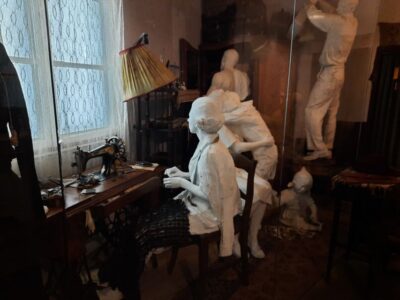
Schindler’s Factory Tour with Entrance Ticket
Read our review →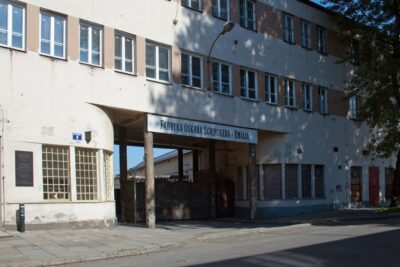
Schindler’s Factory Tour with Entrance Ticket
Read our review →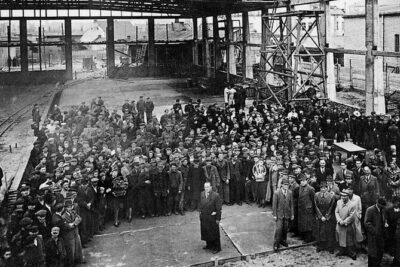
Schindler’s Factory in Krakow: Guided Tour & Skip the Line Ticket
Read our review →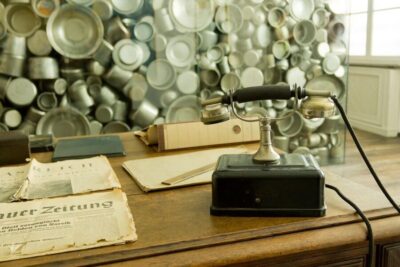
Schindler’s Factory Ticket with Guided Tour Option
Read our review →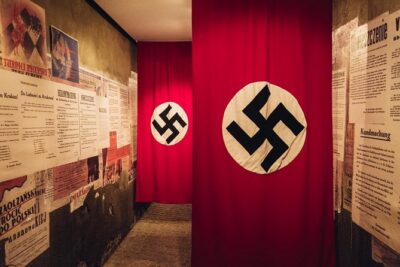
Krakow Schindler’s Factory Guided Tour with Admission Ticket
Read our review →Browse the lists this tour appears in