
Reviewed · JEWISH HERITAGE TOURS
Krakow: Jewish Ghetto Guided Walking Tour
Krakow’s former Jewish Ghetto can look like an ordinary city neighborhood until someone explains what happened here. This one-hour walk through Podgórze connects surviving wall fragments, deportation sites, and wartime streets to the daily struggle of people forced to live inside the ghetto.
I like the route’s real physical remains, especially the ghetto wall and Ghetto Heroes Square. I also like the human focus: the guide explains the choices faced by residents, Tadeusz Pankiewicz, and the staff of Under the Eagle Pharmacy. The drawback is time. One hour is enough for a sharp introduction, but not a full study of Krakow under Nazi occupation.
Key points to know before you book
- The tour begins at Schindler’s Factory: Meet at the main entrance, on the right-hand side, where the guide holds an excursions.city sign.
- The surviving wall fragments make the past tangible: You are not only hearing about the ghetto boundary, you are seeing part of it.
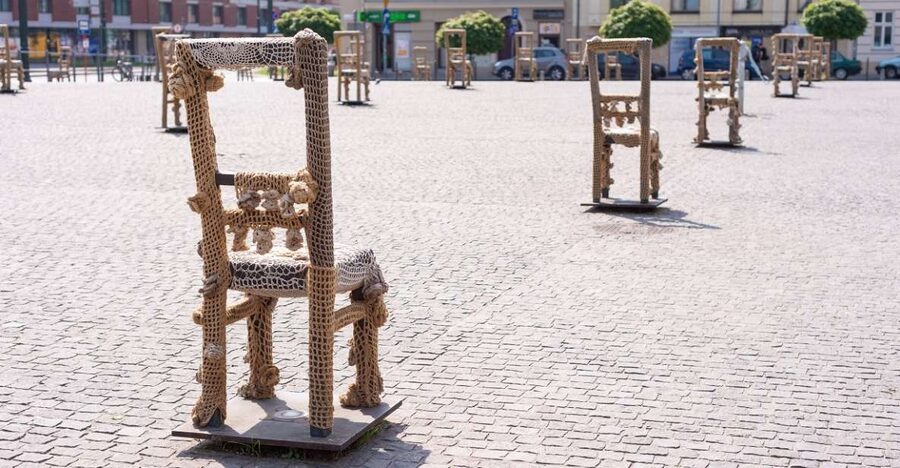
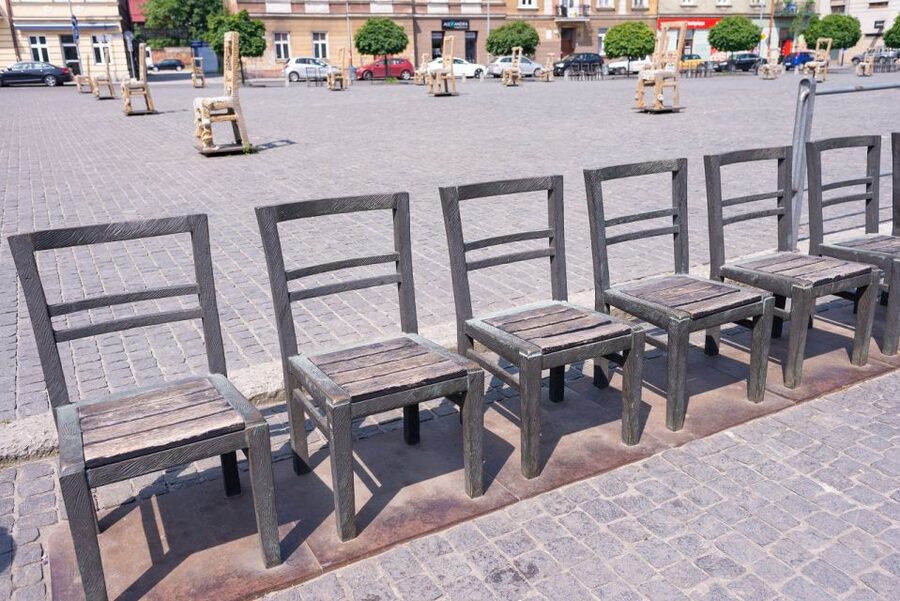
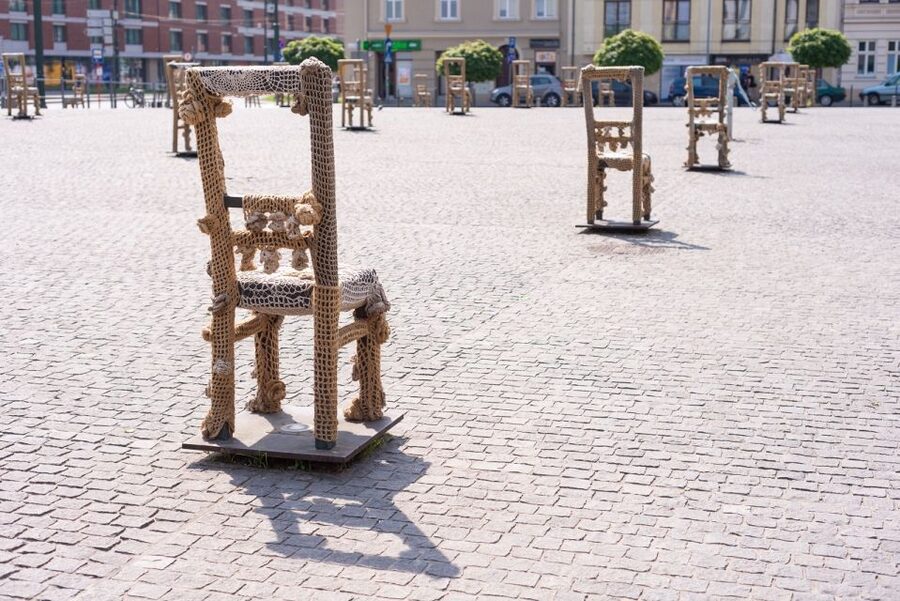
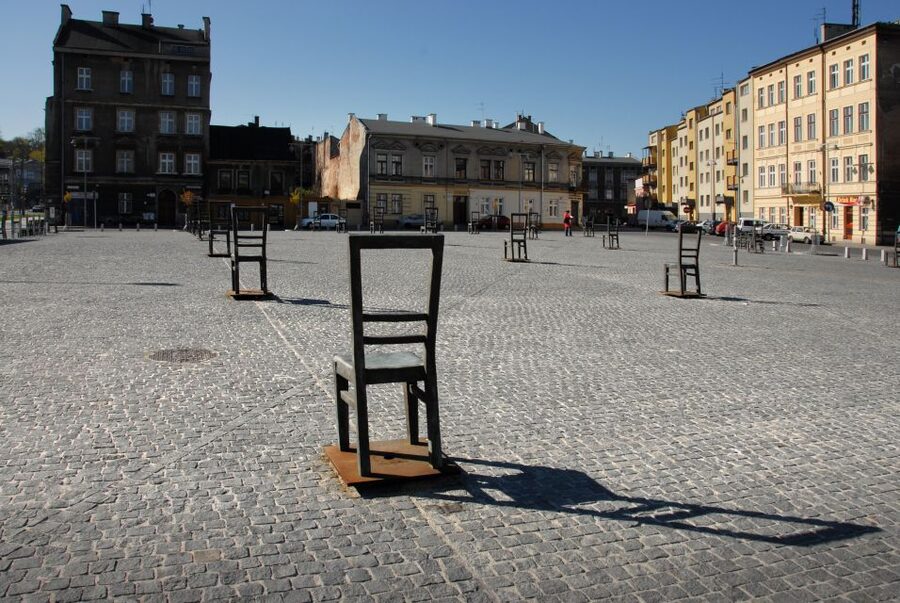
- Ghetto Heroes Square is the emotional center: Empty metal chairs recall the lives lost during deportations.
- Under the Eagle Pharmacy adds a story of courage: Learn how Tadeusz Pankiewicz and his staff helped people inside the ghetto.
- The price is low for a guided introduction: At $15 per person, the tour offers useful context without an expensive museum admission.
- Arrive early and dress for the forecast: Come 10 minutes before departure, wear sensible shoes, and expect the walk to continue in all weather.
Why Podgórze needs a guided walk
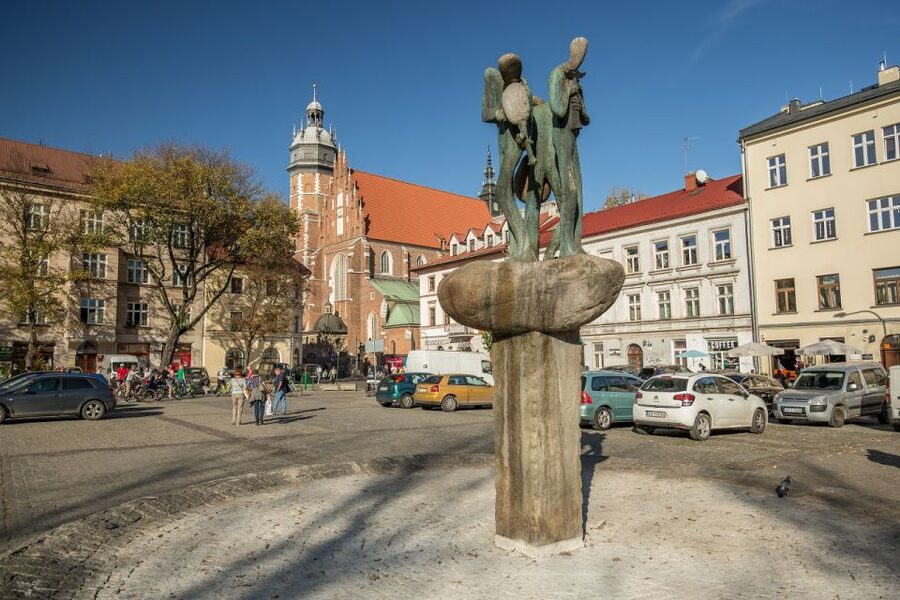
Krakow’s wartime Jewish Ghetto was created in Podgórze, across the river from the city’s older central districts. Today, you walk through streets with normal city life around you. That contrast is exactly why a guide matters.
Without historical explanation, a street corner may simply look like a street corner. With the right context, it becomes part of a system of confinement, forced labor, surveillance, deportation, and survival. The tour helps you connect places that might otherwise seem unrelated.
The guide also puts attention on daily life. This is not only a tour of Nazi policy or military events. You learn how work, housing, food, fear, family life, and moral choices shaped the experience of people trapped in the ghetto.
That focus gives the walk its value. You are not asked to absorb a long lecture full of dates. Instead, you move through the district and attach historical meaning to actual locations.
More Jewish Heritage Tours in Krakow
- Krakow: Schindler’s Factory & Ghetto Guided Tour
★ 4.7 · 1,694 reviews - Krakow: Jewish Quarter and Former Ghetto Tour
★ 4.9 · 1,441 reviews - Krakow: Bike Tour of Old Town, Jewish Quarter and the Ghetto
★ 4.9 · 1,155 reviews
Starting at Schindler’s Factory
The meeting point is in front of the main entrance to the Schindler’s Factory Museum, on the right-hand side. Look for the guide holding an excursions.city sign.
The tour does not include entrance to the museum, so you should not expect an indoor visit as part of this booking. The factory area works as a useful starting point because it introduces the connection between industry, occupation, and forced labor.
Your guide begins by explaining how this part of Krakow changed during World War II. Industry was not separate from the lives of people in the ghetto. Work, control, and survival were tied together, and the area around the factory helps frame that relationship.
This opening also gives you a sense of the route. You are entering a district where preserved streets and buildings sit beside modern Krakow. The guide’s job is to help you read those surroundings rather than simply pass them by.
If you want to visit Schindler’s Factory Museum itself, plan that separately. Since admission is not included, check its arrangements on your own and allow extra time beyond this one-hour walk.
Seeing the former ghetto wall
The remains of the former Ghetto Wall are among the most important stops because they provide a direct physical link to the ghetto’s boundaries.
A fragment of wall can look plain. Its importance comes from what it represented: a forced separation that confined Krakow’s Jewish population and controlled movement through the city. Your guide explains how the boundary affected ordinary life and why the surviving sections matter.
I find this part especially useful for visitors who know the broad outline of the Holocaust but need a clearer sense of place. A wall turns an abstract idea into something visible. It helps you picture how a neighborhood was cut off and how daily routines were shaped by restriction.
The stop is also a reminder that much of the ghetto itself is no longer intact in a simple, museum-like form. You will not walk through a preserved wartime enclosure. Instead, you see remnants among present-day buildings and rely on the guide to connect the remaining evidence.
That can be both powerful and demanding. You need to pay attention, because the setting does not explain itself. The guide’s clarity matters here, and the experience has been led by guides including Elena and Renata, both noted for clear explanations and a helpful manner.
Ghetto Heroes Square and the empty chairs
The walk continues to Ghetto Heroes Square, once a central place in the Krakow Ghetto and later connected with deportations.
The square’s memorial of empty metal chairs is the most immediately recognizable feature of the route. The chairs symbolize the lives lost, and their empty presence gives the square a quiet, uneasy force. They are not a decorative monument. They suggest absence, removal, and the ordinary furniture of homes left behind.
Your guide explains what took place here and why the square has such importance. The stop offers a chance to pause and reflect, but it also provides essential historical context. You learn how the area functioned during the ghetto period and how deportations fit into the wider process of Nazi persecution.
This is likely to be the emotional center of the tour. It is also the point where the experience may feel less like sightseeing and more like a memorial visit. Come prepared to listen respectfully and give the place your attention.
The square is open space, so weather can affect your comfort. In cold rain or strong sun, the stop may feel longer than it would in mild weather. The tour runs in all weather conditions, so check the forecast and dress accordingly.
More Walking Tours in Krakow
- Old Town Krakow & Wawel Castle Walking Tour
★ 5.0 · 1,508 reviews - Creepy Krakow: 2-Hour City Walking Tour
★ 4.7 · 1,131 reviews - Krakow: The Old Town Walking Tour
★ 4.8 · 794 reviews - Krakow: Kazimierz Jewish Quarter Walking Tour
★ 4.8 · 571 reviews
Under the Eagle Pharmacy and moral courage
Across from the square is the historic Under the Eagle Pharmacy, associated with Tadeusz Pankiewicz and his staff.
The pharmacy gives the tour a more personal angle. Instead of focusing only on victims and official decisions, the guide explains how people outside the Jewish population responded to the crisis. Pankiewicz and the pharmacy staff provided vital assistance to residents inside the ghetto.
This stop raises difficult questions about courage and moral choice. What could a person do under occupation? What risks came with helping others? How did a pharmacy become part of the daily struggle for survival? The guide uses this location to bring those questions into view.
The tour does not include entrance fees to attractions, so do not assume that the walk includes entry inside the pharmacy or a museum visit. The value here comes from seeing the setting and hearing the story connected to it.
I like this stop because it keeps the route from becoming a list of locations. It gives you a human example of action during a time when many people were forced into fear, compromise, or silence.
Preserved streets and the power of context
Between the main stops, you walk through wartime streets and around buildings that have survived from the period. These sections may seem less dramatic than the wall or the square, but they help complete the picture.
The streets show how historical events unfolded in an actual neighborhood. People lived, worked, waited, hid, and tried to maintain family life in places that now appear far more ordinary. Your guide explains how the district functioned and how occupation changed its use.
This is where the tour’s personal approach pays off. A guide can point out the relationship between the major memorial sites and the surrounding streets. You begin to understand that the ghetto was not just a single square or wall fragment. It was a lived environment.
The route is still a walking tour, not a full museum program. If you want extensive documents, exhibitions, or long accounts of individual families, you will need a longer visit elsewhere. This experience gives you a compact foundation and a clearer sense of place.
What one hour can realistically cover
The advertised duration is one hour. That is a useful length if you want a focused introduction, especially if your Krakow schedule is tight.
The route covers the Schindler’s Factory area, remains of the wall, Ghetto Heroes Square, Under the Eagle Pharmacy, and preserved wartime streets. The guide has to keep the pace moving, so some subjects will receive an overview rather than a lengthy discussion.
That short format is also part of the appeal. At $15 per person, you are paying for a guided framework rather than a full-day historical program. The price is modest, and the inclusion of a licensed guide makes it more useful than simply walking through Podgórze with a map.
I would choose this tour if you want to understand the district before deciding how much more time to spend on Krakow’s wartime sites. I would not choose it as your only Holocaust-related visit if you want extensive indoor exhibits or a detailed account of every stage of the occupation.
The pace may suit you if you prefer short, direct walks. It may feel too brief if you want long pauses at each memorial. One hour gives you a clear route and essential context, but you should set your expectations accordingly.
The guide’s role and available languages
The guide is the main source of depth because the route itself is largely outdoors. A licensed guide leads the walk and explains the sites in English, German, Italian, French, or Spanish.
Clear speech matters on a serious history tour. One guide, Elena, has been praised for being friendly and easy to follow, while Renata has been noted for clear explanations and willingness to help. These details suggest the experience depends heavily on who leads your departure, but the language options make it easier to choose a suitable session.
You should feel free to ask questions during the walk. The tour is designed to explain context and lived experience, not just point out monuments. Still, remember that the whole route lasts only an hour. If you have a long list of detailed questions, you may need to continue your research afterward.
Price, timing, and practical comfort
At $15 per person, this is one of the more affordable ways to add structure to a visit to Podgórze. You are paying for a professional guide and a guided walk through the former Nazi Jewish Ghetto. Attraction admission is not included.
The meeting point is specific, but give yourself time to find the correct side of the museum entrance. Arrive 10 minutes early. Once the group has left, latecomers cannot join, and the ticket cannot be refunded.
Wear comfortable shoes. The route is outdoors, and suitable footwear will make it easier to focus on the guide rather than your feet. Bring clothing for the forecast because the tour operates in all weather.
You can cancel up to 24 hours before the start for a full refund. The reserve-now, pay-later option also helps if your Krakow plans are still changing. Check available departure times before booking, since the one-hour activity does not run at a single fixed time.
Who should choose this Krakow walk?
I would recommend it to you if you want a short but serious introduction to Krakow’s wartime Jewish history. It suits first-time visitors who may otherwise pass through Podgórze without understanding what happened there.
It is also a good choice if you prefer learning outdoors, with actual streets and memorials providing the setting. The route gives you enough context to make a later visit to Schindler’s Factory or other historical sites more meaningful.
Families with older children may find the one-hour format manageable, though the subject is painful and requires maturity. The tour is also useful for solo visitors who want a guide to frame the district without committing to a much longer program.
You may want something else if you are seeking a museum admission, a private tour, or an extended academic treatment. Those are not part of this booking. You should also think carefully about timing if you dislike walking in poor weather, since the tour continues as planned.
Should you book the Jewish Ghetto walking tour?
Book it if you want clear historical context at a low price and can give one focused hour to Podgórze. The surviving wall, empty chairs on Ghetto Heroes Square, and Under the Eagle Pharmacy create a strong sequence of places, while the guide explains how fear and survival shaped everyday life.
Skip it if you already know the district well or want a longer indoor visit with admission included. For most first visits, though, $15 is fair value for a licensed guide who helps you see why these ordinary streets matter.
FAQ
Where does the tour meet?
Meet in front of the main entrance to the Schindler’s Factory Museum, on the right-hand side. Your guide will hold an excursions.city sign.
How long does the walking tour last?
The tour lasts one hour.
What languages are available?
The tour is offered in English, German, Italian, French, and Spanish.
Are entrance fees included?
No. Entrance fees to attractions are not included in the tour price.
What should I wear?
Wear suitable footwear and dress for the weather. The tour takes place outdoors and runs in all weather conditions.
How early should I arrive?
Arrive 10 minutes before the scheduled start. Latecomers cannot join after the group has departed, and their tickets cannot be refunded.
Can I cancel for a full refund?
Yes. You can cancel up to 24 hours in advance for a full refund. You can also reserve now and pay later.
Just added around Krakow
- stag dog chase Krakow prank★ 5.0 · 4 reviews
- Divine Mercy Sanctuary – Private Tour from Krakow★ 5.0 · 4 reviews
- ZALIPIE – painted village, unique small group tour from Krakow★ 5.0 · 7 reviews
- ZALIPIE – painted village, unique PRIVATE tour from Krakow★ 5.0 · 20 reviews
- Zalipie Private Tour from Krakow The Painted Village★ 5.0 · 4 reviews
- Wooden Churches Unesco List Private Tour from Krakow★ 5.0 · 14 reviews
- Guided tour to Salt Mine & Schindler Factory with Pick-Up Options★ 4.0 · 58 reviews
- Wawel Castle, Cathedral, & Rynek Underground Tour with Lunch★ 5.0 · 4 reviews
Jewish Heritage Tours, compared.

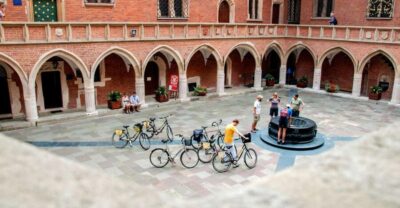
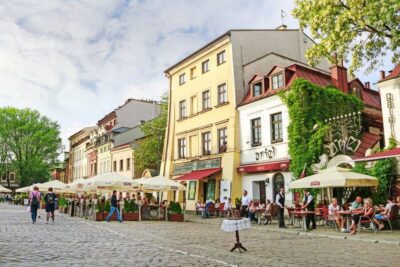
Bike Tour of Old Town, Jewish Quarter and the Ghetto
Read our review →
Kazimierz, Schindler’s Factory & Ghetto Guided Tour
Read our review →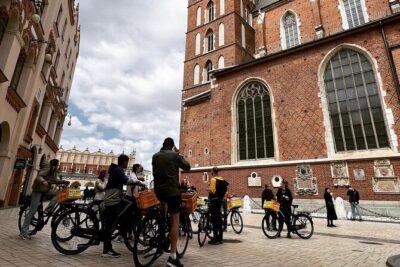
Full Bike Tour – the Old Town, Jewish Qtr & the Ghetto NEW BIKES
Read our review →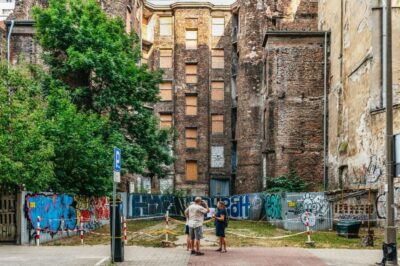
Warsaw Ghetto Private Walking Tour with Hotel Pickup
Read our review →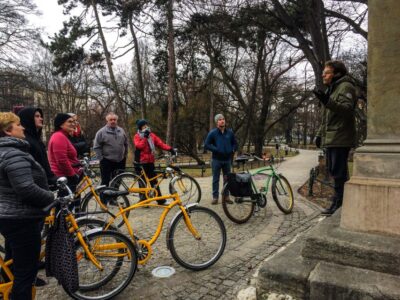
Bike Tour of the Old Town, Kazimierz, and the Ghetto
Read our review →Browse the lists this tour appears in