
Reviewed · SCHINDLER FACTORY TOURS
Krakow: Kazimierz, Schindler’s Factory, & Ghetto Guided Tour
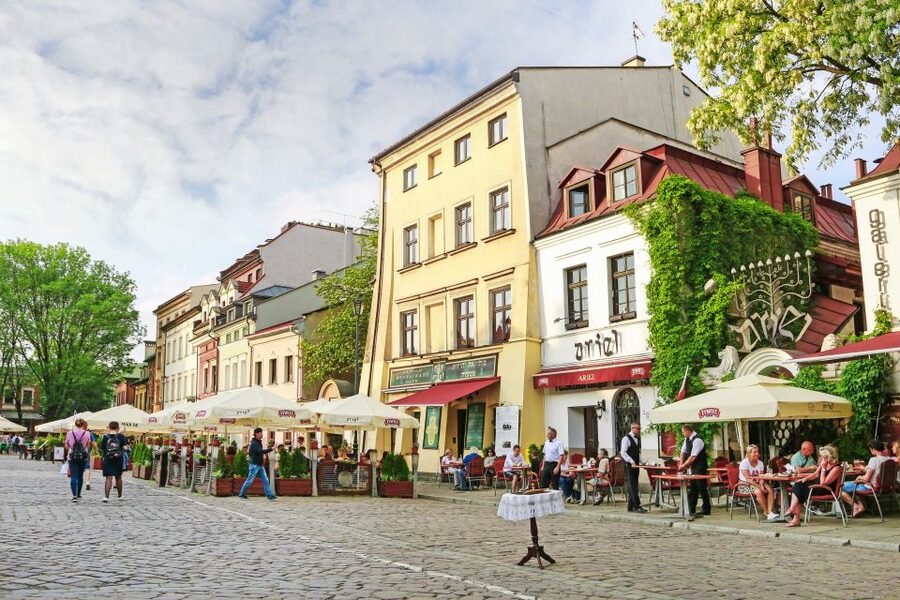
Krakow’s Jewish quarter and former ghetto are best understood on foot, where a synagogue, a surviving wall, a pharmacy, and a row of empty chairs turn a huge historical subject into specific places. This five-hour tour links Kazimierz, Schindler’s Factory, and the ghetto in one long, serious walk.
I like the way the route joins everyday Jewish life with the Nazi occupation, rather than treating the Holocaust as a story kept inside a museum. I also like the skip-the-line entry to Schindler’s Factory and the guides’ personal touch. Sara praised a guide who connected the subject to her own family, while Filip was singled out for answering questions and keeping the group moving at a comfortable pace.
The main drawback is the length. You will walk about 5 kilometers, and the subject matter includes painful stories and distressing images. At $81 per person, this is not a cheap stroll, but the guide, museum entry, and five hours of context make it reasonable if you want one serious introduction rather than several separate visits.
Key points to know before you book
- Three connected Krakow sites: The route covers Kazimierz, Schindler’s Factory, and the former Jewish ghetto.
- A guide makes the difference: The strongest praise goes to guides who tell stories clearly, answer questions, and handle difficult subjects with care.
- Expect roughly 5 kilometers on foot: Wear comfortable shoes and plan for weather changes.
- The ghetto wall still survives: You see a remaining section of the barrier that confined Jewish residents during the occupation.
- Schindler’s Factory has timed museum access: Skip-the-line entry is included, but museum scheduling can affect the exact tour time.
- The finish is quiet and sobering: The 68 empty chairs at Heroes’ Square provide a powerful final image.
Starting in Kazimierz beside the Old Synagogue
The tour begins outside the Old Synagogue in Kazimierz. Look for the guide holding an excursions.city sign. This meeting point puts you directly in the former Jewish district, so the tour begins with community life rather than with war alone.
Kazimierz housed Krakow’s Jewish community for centuries. As you walk its streets, your guide explains how Jewish religious, family, and commercial life shaped the area. You are not simply looking at old buildings. You are learning how a neighborhood worked before the Nazi occupation tore it apart.
The Old Synagogue is an important anchor for this opening section. The tour description does not promise an interior visit, so you should expect to see it as part of the walking route and hear its place in Krakow’s Jewish story. That distinction matters if you are hoping for extended time inside every site.
I like this beginning because it gives you a human frame for what follows. The Jewish community is introduced as a living part of Krakow, not only as a population later persecuted. That makes the transition to the wartime sections more meaningful.
Kazimierz is now a fashionable district, but the tour asks you to look past its current cafés and renovated streets. Your guide helps connect the present-day neighborhood to the people who lived, worshipped, worked, and raised families here. The contrast can feel sharp. It is also one of the reasons a guided walk is more useful than a quick self-guided circuit.
More Jewish Heritage Tours in Krakow
- Krakow: Schindler’s Factory & Ghetto Guided Tour
★ 4.7 · 1,694 reviews - Krakow: Jewish Quarter and Former Ghetto Tour
★ 4.9 · 1,441 reviews - Krakow: Bike Tour of Old Town, Jewish Quarter and the Ghetto
★ 4.9 · 1,155 reviews
Under the Eagle pharmacy and the human cost of occupation
The route includes Under the Eagle pharmacy, a place linked to the fate of Krakow’s Jewish population during the Nazi occupation. Here, the story moves from the structure of the neighborhood to the choices and suffering of people trapped inside the ghetto system.
The stop is brief in the larger five-hour program, but its value comes from the explanation around it. A guide can tell you why this pharmacy mattered and how it fits the larger story of forced relocation, overcrowding, and persecution. Without that context, it would be easy to pass the building without grasping its importance.
You should prepare yourself for distressing material. The tour specifically warns that some images and stories may be upsetting. This is not a light sightseeing walk with a few historical facts added for flavor. It deals directly with the destruction of a community, so I would choose a different outing if you want an easygoing afternoon.
The best guides handle this weight without turning the experience into a lecture. Sara described a guide who brought personal family connections into the storytelling, and that kind of detail can make a difficult subject feel less remote. Filip was praised for using small moments of humor at suitable times, while still treating the topic seriously. That balance is hard to manage, and it matters over five hours.
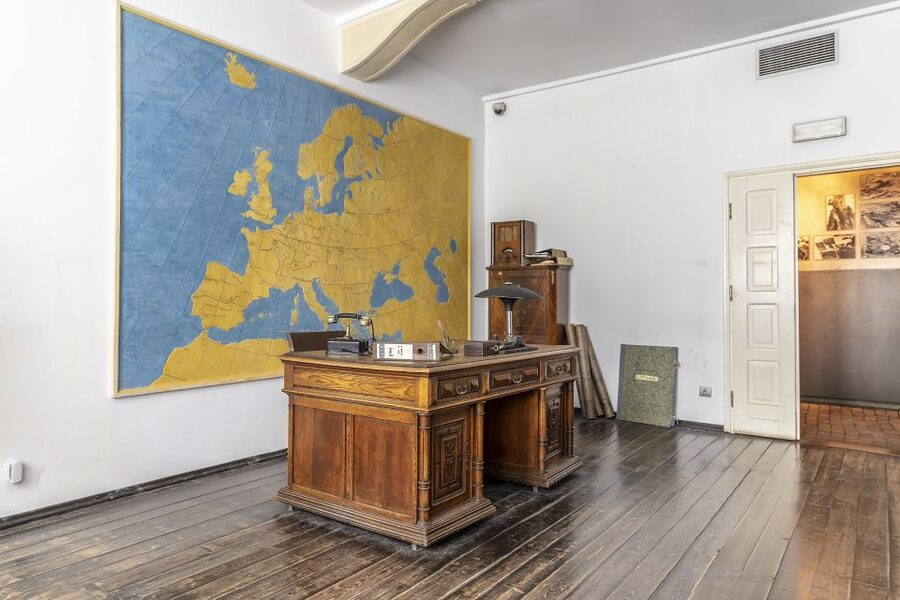
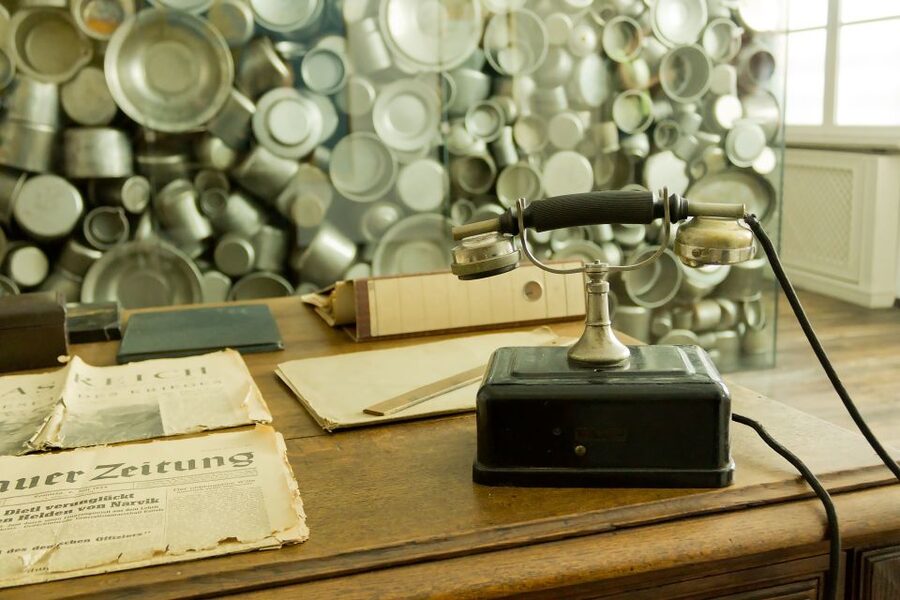
Schindler’s Factory, with a guide to explain the museum
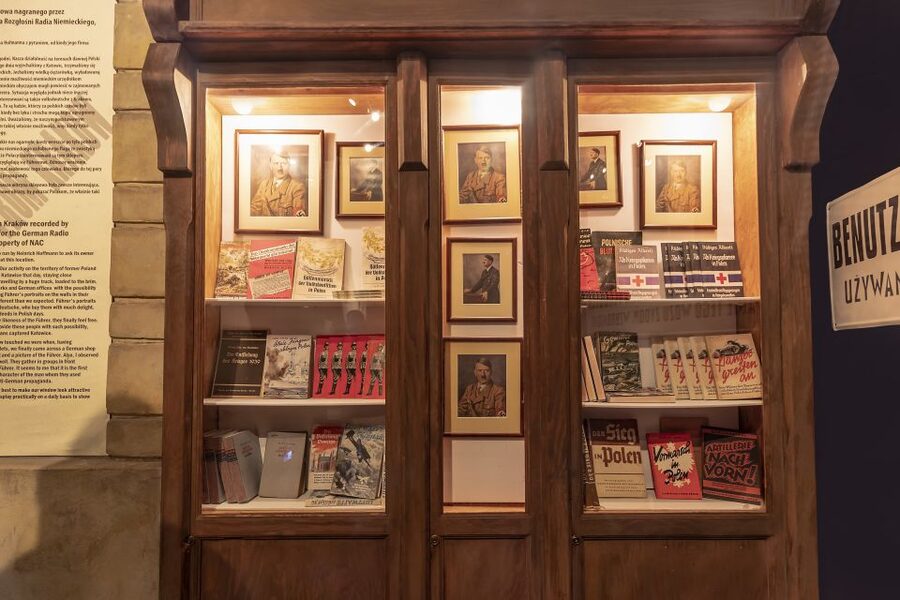
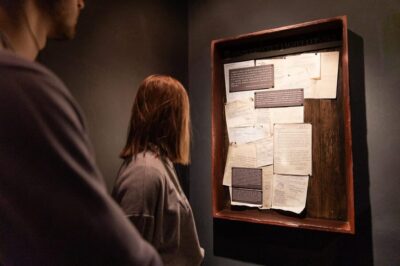
The centerpiece for many people is Oskar Schindler’s Enamel Factory. Skip-the-line admission is included, which is useful because the museum can draw heavy interest. One booking specifically valued having a tour because of the high number of visitors and the need to navigate the museum efficiently.
The factory is important for two reasons. It tells the story of Krakow under Nazi occupation from 1939 to 1944, and it explains Oskar Schindler’s efforts to protect Jewish workers from deportation and death. Your guide places Schindler’s actions within the wider events, rather than presenting him as an isolated hero detached from the period around him.
This is where the five-hour format earns its keep. The museum material covers more than Schindler alone, and a guide can help you understand how the occupation changed Krakow and affected Jewish residents. Elizabeth, who took the full route, considered the factory the single best choice for anyone unable to do all three sections because it also touches on parts of Kazimierz and the former ghetto.
That is useful advice. If your schedule is tight, Schindler’s Factory with a guide may give you the broadest historical coverage. If you have the time, the full route adds the physical places that the museum cannot fully reproduce: the streets of Kazimierz, the wall, the former ghetto houses, and Heroes’ Square.
The museum visit also gives your feet a break from the walking, though you should not expect the whole experience to be indoors. The route continues on foot before and after the factory, so comfortable shoes remain essential.
From January 1, 2026, museum scheduling may change the exact start time. You can choose a preferred time when booking, but it is not guaranteed. Because Schindler’s Factory uses personalized tickets, every participant must provide a full name and bring a passport or identity card. Without those details and documents, entry may be refused.
The former ghetto and its surviving wall
After the factory, the tour heads to the site of the former Jewish ghetto. This section can be especially affecting because you are walking through the places where people were forced to live, often in overcrowded conditions, during the occupation.
The tour includes a surviving part of the ghetto wall. Seeing the wall gives physical form to a policy that can otherwise sound abstract in a museum room. It reminds you that the ghetto was not merely an administrative label. It was a confined area enclosed by barriers, with thousands of people displaced into it.
You also stand near houses where displaced Jews once lived. The power of this stop comes from the ordinary appearance of the setting. Streets and buildings can look unremarkable today, but the guide helps you understand what happened there and how quickly daily life was restricted.
I appreciate this part of the route because it slows the story down. The museum gives you a wide view of Krakow during the occupation. The former ghetto gives you a place to consider the effect on residents, families, and neighbors. Together, the two settings provide a stronger sense of scale.
The walking distance can be demanding, especially in summer heat. Filip was praised for keeping a steady pace and allowing water breaks. You should still bring your own water, wear supportive shoes, and dress for the weather. This is a walking tour, not a coach excursion, and the five-hour duration includes substantial time outdoors.
More ways to visit Schindler's Factory:
- Krakow: Oskar Schindler’s Factory Entry Ticket & Guided Tour
★ 4.2 · 3,793 reviews - Krakow: Schindler’s Factory Tour with Entrance Ticket
★ 4.5 · 3,182 reviews - Krakow: Schindler’s Factory Skip-the-Line Ticket
★ 4.4 · 3,105 reviews - Krakow: Schindler’s Factory Tour with Entrance Ticket
★ 4.6 · 1,737 reviews
Heroes’ Square and the 68 empty chairs
The tour ends at Heroes’ Square, where 68 empty chairs form a memorial to the people who were forced from their homes. The chairs are spare and easy to understand. They suggest absence without needing a long explanation.
This is a good final stop because it leaves you with a clear visual image after several hours of names, dates, places, and stories. The empty chairs bring the focus back to the individuals who disappeared from the neighborhood. I would not rush this moment. The subject calls for a pause.
The square also helps tie the route together. You have started with a Jewish district shaped by community life, visited a museum about occupation and Schindler, walked through the former ghetto, and ended with a memorial to those who were removed from it. The sequence is logical and emotionally demanding.
Do not expect the ending to feel cheerful or tidy. That is not a flaw. The tour is designed to help you face a painful part of Krakow’s past, and the final memorial keeps that purpose clear.
What $81 covers, and when it feels worthwhile
The price is $81 per person. That includes a licensed guide, walking tours through the three areas, and skip-the-line tickets for Schindler’s Enamel Factory. There is no mention of transport, meals, or additional entry beyond the listed museum admission, so plan this as a walking experience with your own food and drinks arranged separately.
For the right visitor, the value is solid. You receive five hours of explanation, a route connecting several sites, and help with museum access at a place that can be busy. You also avoid the work of building a route across Kazimierz, the former ghetto, and Schindler’s Factory on your own.
The price is harder to justify if you only want a quick look at Kazimierz or prefer to explore independently. The tour is long, focused, and emotionally serious. You are paying for interpretation and structure, not simply for entry tickets.
I would compare it with the cost of visiting Schindler’s Factory separately and then deciding how much value you place on the walking sections. If you want the wider story and expect to ask questions, the guide-led format makes more sense. If you already know the subject well, a shorter museum visit might suit you better.
Free cancellation up to 24 hours before the activity and reserve-now, pay-later booking add flexibility. Still, the practical matters deserve attention: give the full names of all participants when required from 2026 onward, bring identification, and check the confirmed timing because the museum schedule can shift.
Who will get the most from this five-hour walk
I would recommend this tour to first-time visitors who want a serious introduction to Krakow’s Jewish and wartime history. It also suits anyone who prefers stories tied to actual streets and buildings rather than a museum-only visit.
The tour works particularly well for people who want to ask questions. A strong guide can adjust the explanation, connect the subject to different backgrounds, and make the five hours feel like a conversation rather than a fixed script. Filip was praised for engaging people from several countries and for answering questions throughout the day.
You should think twice if you dislike long walks, struggle with standing for extended periods, or find Holocaust memorial sites too upsetting. The route covers about 5 kilometers, and the material can include distressing stories and images.
Languages available are English, Italian, Spanish, French, and German. Since the individual guide can vary, do not assume you will have Filip or the guide who led another booking. The useful point is to expect a live guide in your chosen language, not a recorded audio route.
Should you book it?
Book this tour if you want the full connection between Kazimierz, the ghetto, and Schindler’s Factory, and if you value clear storytelling over a quick checklist of sights. The strongest reason to choose it is the route itself. Each section adds something the others cannot provide.
Choose only the Schindler’s Factory portion, if that option is available to you, when time is limited. It offers the broadest account of Krakow from 1939 to 1944 and touches on the other subjects. Choose the complete five-hour route when you want the places, memorials, and street-level context as well.
Wear good shoes, bring water, and leave room afterward to process what you have seen. At $81, this is best viewed as a serious history experience with museum access, not a casual neighborhood walk.
FAQ
Where does the tour begin?
It begins outside the Old Synagogue in Krakow’s Kazimierz district. Look for a guide holding an excursions.city sign.
How long does the tour last?
The tour lasts five hours.
How much walking is involved?
The route covers about 5 kilometers on foot, according to the practical guidance from the experience. Comfortable shoes are recommended.
Which places are included?
The tour includes Kazimierz, Oskar Schindler’s Enamel Factory, the former Jewish ghetto, Under the Eagle pharmacy, the remaining ghetto wall, and Heroes’ Square with its 68 empty chairs.
Is entry to Schindler’s Factory included?
Yes. Skip-the-line tickets to Oskar Schindler’s Enamel Factory are included.
What languages are available?
Live guides are available in English, Italian, Spanish, French, and German.
Do I need identification for Schindler’s Factory?
From January 1, 2026, you must provide the full names of all participants when reserving and bring a passport or identity card for museum entry. Without these, entry may be denied.
Is the exact starting time guaranteed?
From January 1, 2026, the time you select is only a preferred time. The exact timing may change because of Schindler’s Factory scheduling.
Is the subject matter upsetting?
It can be. The tour may include distressing images and stories about the persecution and suffering of Krakow’s Jewish community during World War II.
Can I cancel the booking?
You can cancel up to 24 hours in advance for a full refund. Reserve-now, pay-later booking is also available.
Just added around Krakow
- stag dog chase Krakow prank★ 5.0 · 4 reviews
- Divine Mercy Sanctuary – Private Tour from Krakow★ 5.0 · 4 reviews
- ZALIPIE – painted village, unique small group tour from Krakow★ 5.0 · 7 reviews
- ZALIPIE – painted village, unique PRIVATE tour from Krakow★ 5.0 · 20 reviews
- Zalipie Private Tour from Krakow The Painted Village★ 5.0 · 4 reviews
- Wooden Churches Unesco List Private Tour from Krakow★ 5.0 · 14 reviews
- Guided tour to Salt Mine & Schindler Factory with Pick-Up Options★ 4.0 · 58 reviews
- Wawel Castle, Cathedral, & Rynek Underground Tour with Lunch★ 5.0 · 4 reviews
Schindler Factory Tours, compared.
Oskar Schindler’s Factory Entry Ticket & Guided Tour
Read our review →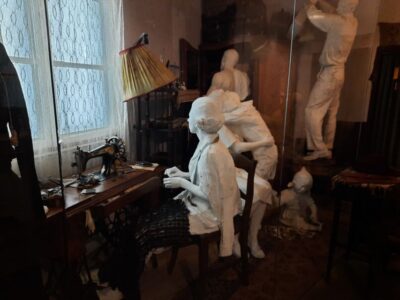
Schindler’s Factory Tour with Entrance Ticket
Read our review →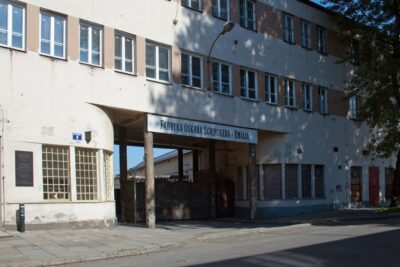
Schindler’s Factory Tour with Entrance Ticket
Read our review →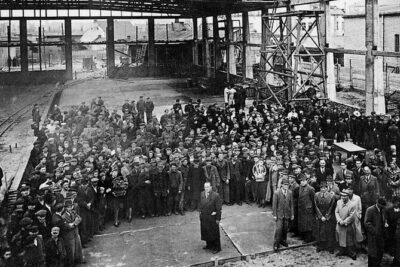
Schindler’s Factory in Krakow: Guided Tour & Skip the Line Ticket
Read our review →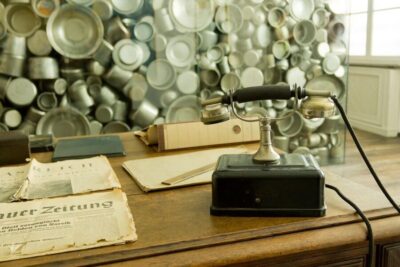
Schindler’s Factory Ticket with Guided Tour Option
Read our review →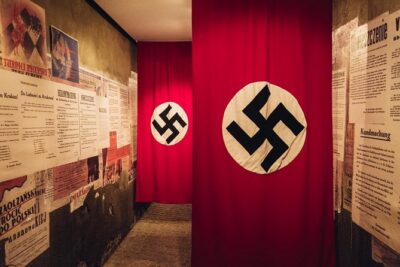
Krakow Schindler’s Factory Guided Tour with Admission Ticket
Read our review →Browse the lists this tour appears in