
Reviewed · SCHINDLER FACTORY TOURS
Krakow: Schindler’s Factory & Ghetto & Plaszow Camp Guided Tour
Krakow’s wartime story becomes most powerful when you leave the polished center and follow the route through Podgórze’s former Jewish ghetto to the rough remains of Plaszow Camp. This five-hour tour joins Schindler’s Factory with places that are easy to miss alone, including a fragment of the ghetto wall, Ghetto Heroes Square, Liban Quarry, and Krakus Mound.
I like the mix of a museum visit and outdoor sites, and I like that the guide supplies the links between them. Guides such as Dominika and Matthew have been praised for clear explanations and strong local knowledge. The main drawback is the amount of walking over hilly or muddy ground, while Schindler’s Factory is about occupied Krakow rather than a full biography of Oskar Schindler.
Key points at a glance
- The route reaches Plaszow’s less obvious remains, including the former quarry area and wartime camp grounds.
- Schindler’s Factory focuses on Krakow under Nazi occupation, not just Schindler’s personal story.
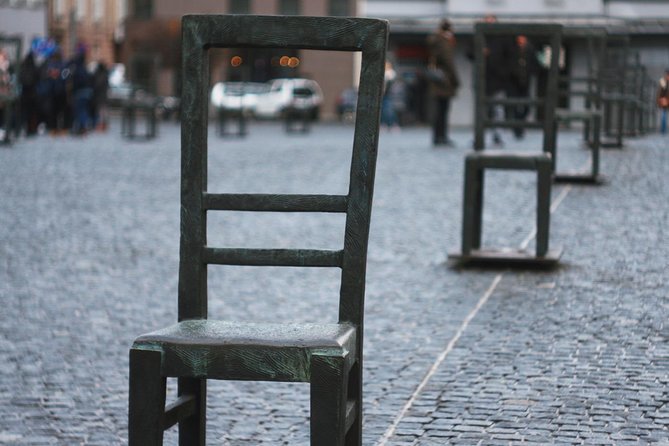
- Ghetto Heroes Square’s 70 metal chairs create a stark memorial to the people forced from their homes.
- Guides such as Dominika and Matthew have been praised for clear English and strong local detail.
- Plan for hills, mud, and plenty of walking, especially around Plaszow and the climb toward Krakus Mound.
- The $76.33 price includes the guide and museum admission, but not the tram ticket between parts of the route.
Why this five-hour route matters
Many Krakow visitors choose Auschwitz or Wieliczka and stop there. This tour gives you another way to understand the city’s wartime past, one tied directly to Krakow streets and neighborhoods.
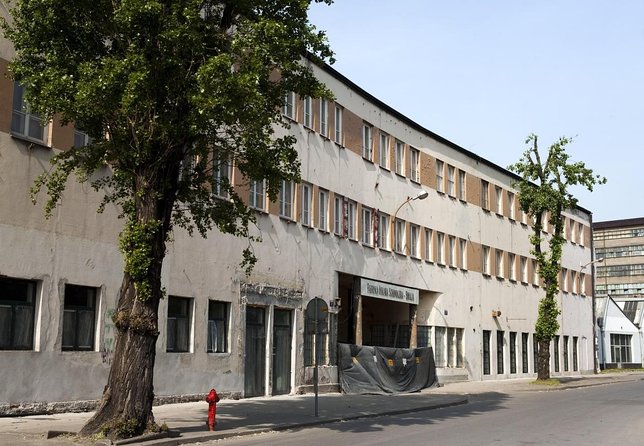
You begin at Lipowa 4, where Schindler’s former enamel factory now houses the museum. From there, the route moves through the Podgórze district, where the German occupation reshaped daily life for Krakow’s Jewish population. You then continue to the former Plaszow camp area, an open and less clearly marked place where a guide adds real value.
That combination is important. The museum gives you a structured account of the occupation. The ghetto sites show how that system affected a neighborhood. Plaszow then reveals the forced labor and terror that followed deportations from the ghetto.
The subject is painful, and this is not a light sightseeing outing. Still, the tour can be one of the most meaningful additions to a Krakow city break, especially if you want to understand the city beyond its old town and handsome squares.
More Jewish Heritage Tours in Krakow
- Krakow: Schindler’s Factory & Ghetto Guided Tour
★ 4.7 · 1,694 reviews - Krakow: Jewish Quarter and Former Ghetto Tour
★ 4.9 · 1,441 reviews - Krakow: Bike Tour of Old Town, Jewish Quarter and the Ghetto
★ 4.9 · 1,155 reviews
Inside Schindler’s Factory at Lipowa 4
The first stop lasts about 90 minutes and includes admission. You enter one of Krakow’s best-known museums, but it helps to set your expectations correctly before you arrive.
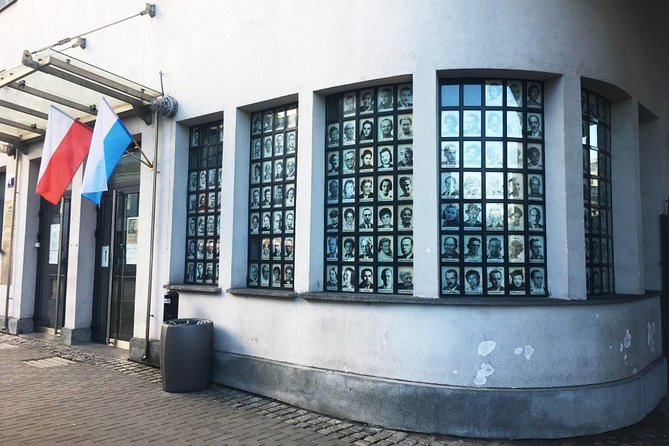
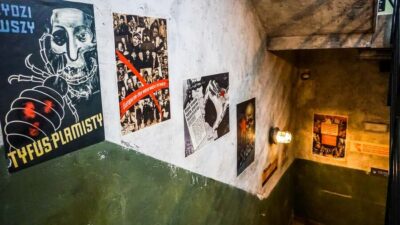
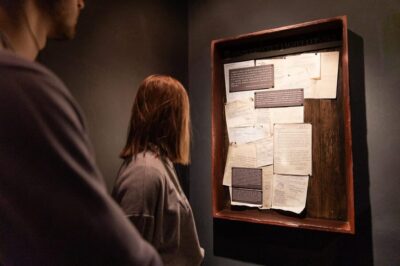
The main exhibition is called Krakow under Nazi Occupation 1939 to 1945. It examines the city during German rule, including the treatment of Jewish residents, the operation of the ghetto, wartime administration, forced labor, and the wider destruction caused by the Nazi occupation.
This is not mainly a biographical museum about Oskar Schindler. You will learn about Schindler’s courage and role, but the displays place him within a much larger story. If you arrive expecting a museum devoted only to the film Schindler’s List or Schindler’s personal life, you may feel surprised.
I see that as a strength, though it can also be a drawback. The museum gives you a fuller picture of Krakow and the people who lived through the occupation. At the same time, the exhibition can feel less personal if your main interest is Schindler himself.
The allotted 90 minutes gives you time to follow the exhibition without rushing. After the guided portion, you can continue at your own pace, which matters in a museum with a serious amount of material to take in. The guided explanation helps you get oriented, then you have space to pause over sections that matter most to you.
A guide can also help you connect the museum to the later stops. Without that link, the ghetto wall, square, and Plaszow grounds may feel like separate points on a map. With it, the sequence becomes clearer: occupation, confinement, deportation, forced labor, and mass death.
The ghetto wall and the meaning of the metal chairs
The next stops shift from museum displays to physical reminders in the Podgórze district. The first is a surviving 12-meter section of the original ghetto wall.
It is not a grand monument. That is part of its force. You are looking at a fragment of the barrier that confined Krakow’s Jewish population between 1941 and 1943. A plaque in Polish and Hebrew records that people lived, suffered, and died there before being sent toward the death camps.
The visit lasts about 15 minutes. That may sound brief, but a guide’s explanation gives the fragment meaning. On your own, you could easily pass it without understanding what it represents.
The tour then continues to Ghetto Heroes Square, also called Plac Bohaterów Getta. During the ghetto years, this was a place where Jewish residents were assembled before transport to concentration camps.
Today, the square contains 70 large metal chairs, spaced across the open area. They represent the belongings left behind when Krakow’s Jews were removed from their homes. The design is simple and severe. Instead of a traditional statue, you see empty forms spread across the place where people were gathered.
You have about 15 minutes here. Use it to look closely at the arrangement rather than treating it as a quick photo stop. The open spacing makes the square feel larger and emptier, while the chairs suggest the ordinary objects and domestic lives that were scattered during the ghetto’s liquidation.
This part of the tour is also useful for understanding scale. The factory museum gives you documents, rooms, and exhibits. The ghetto sites place that story in the city itself, among streets where people lived before the occupation tore their lives apart.
Plaszow Camp, Liban Quarry, and Krakus Mound
The final major section takes about 90 minutes and is the most physically demanding part of the route. Plaszow began as a forced labor camp and was later expanded into a concentration camp. It supplied labor to military factories and a quarry, and deportations from the Krakow ghetto began arriving there in October 1942.
You should not expect a preserved camp complex with rows of buildings. Much of the original site is gone, and the remains can be difficult to read without help. That lack of obvious structure is one reason a guide is especially useful here.
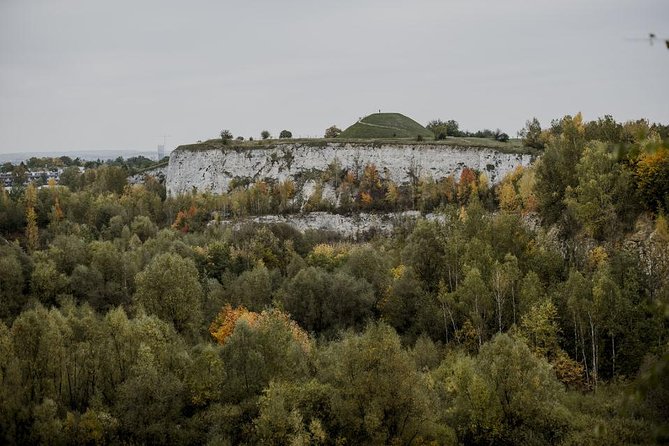
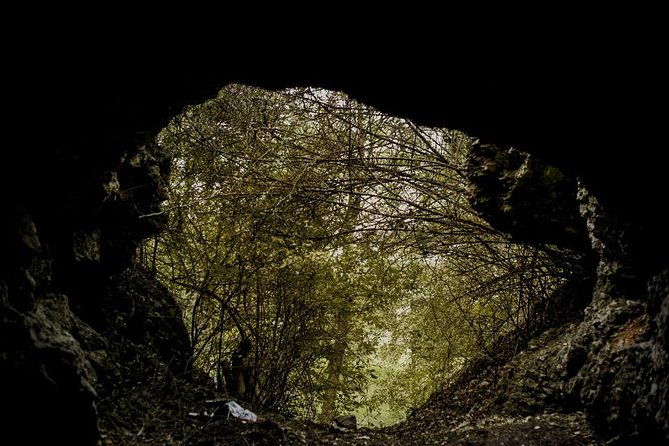
The area includes the former Liban Quarry, where forced labor was used. You may see rough ground, open spaces, slopes, and traces that do not explain themselves. The setting is less formal than Auschwitz, with fewer obvious visitor facilities and no single path that tells the whole story.
That can make Plaszow feel more direct, but also more demanding. You need to listen carefully and keep your bearings. The history is carried by the guide’s explanation, the surviving features, and the relationship between the camp, quarry, and surrounding area.
The route also includes a climb toward Krakus Mound. This adds a panoramic view to a tour otherwise focused on confinement and destruction. The view can help you understand where the camp sat in relation to the city, but do not mistake it for a carefree sightseeing break. The change in scenery gives you physical perspective, not emotional relief from the subject.
Wear shoes with good grip. One previous participant specifically warned about hills and mud, and that advice is worth taking seriously. In poor weather, the ground can make the walk slower and less comfortable. The tour is not suited to anyone hoping to avoid uneven outdoor paths.
Plaszow is also less straightforward to reach and interpret independently. The guide points out places you might otherwise miss and explains how the site functioned. Several guides associated with this route, including Dominika and Matthew, have been praised for making the area understandable and for connecting the camp to present-day Krakow.
More ways to visit Schindler's Factory:
- Krakow: Oskar Schindler’s Factory Entry Ticket & Guided Tour
★ 4.2 · 3,793 reviews - Krakow: Schindler’s Factory Tour with Entrance Ticket
★ 4.5 · 3,182 reviews - Krakow: Schindler’s Factory Skip-the-Line Ticket
★ 4.4 · 3,105 reviews - Krakow: Schindler’s Factory Tour with Entrance Ticket
★ 4.6 · 1,737 reviews
How much walking and transport to expect
The tour lasts about five hours, but it is not five hours of sitting and listening. You move between the museum, ghetto locations, and the Plaszow area, with outdoor walking and a climb included.
Public transport is not included in the price. The listing specifically notes a tram ticket as an extra cost, so keep a little local transport money or a suitable ticket ready. The tour starts at Lipowa 4 and ends at Henryka Kamieńskiego 57, so you should not expect to finish where you began.
That start and end point matter when planning the rest of your day. The route begins at Schindler’s Factory and finishes in the southern part of Krakow. If you have a restaurant booking or another timed activity, allow extra time after the stated five hours.
The group can include up to 25 people. That is small enough for a guide to speak to the group outdoors, but it is not a private tour. At busy points, you may need to stay close so you can hear the explanation.
The tour is described as suitable for most people, but the walking conditions deserve more attention than the general participation note. The Plaszow section is hilly and can be muddy. If you have difficulty walking on uneven ground, ask the provider for current details before booking.
The guides make the difference
The strongest part of this experience is the human explanation. The sites themselves are important, but several are fragmentary. A wall section, scattered remains, and an open quarry do not automatically tell you what happened there.
Dominika has been praised for clear English, warmth, and a strong grasp of the ghetto and camp. She has also led the route in poor weather without losing the thread of the story. Matthew has been described as a Krakow native who connects wartime events with local life today.
Those names are useful if you want to ask whether a particular guide is leading your departure, but you should not assume a specific guide is guaranteed. The company uses professional guides, and the quality may depend on who is assigned.
One criticism of the experience points to a guide who seemed rushed and gave a general account of the ghetto. That is a fair warning. A serious historical tour depends on pace, accuracy, and attention to the places being visited. Most of the available feedback is strongly positive, but the experience is not completely uniform.
You can improve your chances of getting full value by staying engaged. Ask questions at the wall and square, and tell the guide if you need a moment to catch up outdoors. On a subject this serious, a rushed explanation can make the visit feel thin, while a patient guide can turn scattered evidence into a clear story.
Is $76.33 good value?
At $76.33 per person, this is not the cheapest way to see Krakow’s wartime sites. The price includes a professional guide and admission to Schindler’s Factory, but not public transport.
I think the value depends on how you would visit the sites without help. The museum ticket covers the main indoor attraction, but the guide is most valuable at the ghetto and Plaszow stops. Those places are easier to misunderstand or overlook on your own.
You are also paying for a route that links several locations in one half-day. If you value historical context and do not want to work out the connections yourself, the price is reasonable. If you prefer to move slowly, read everything independently, or avoid group schedules, you may find a self-guided visit better suited to you.
The tour is often booked about 55 days ahead, so it is sensible to reserve early if your Krakow dates are fixed. Free cancellation is available up to 24 hours before the start time. If the minimum number of participants is not reached, the operator says you will be offered another date or experience, or a full refund.
Who should book this Krakow tour?
I recommend it for you if you want a serious, local account of World War II in Krakow and prefer seeing real places rather than only reading museum panels. It is especially useful if Plaszow is on your list but you are unsure how to find or understand the remains.
You should also book it if you want Schindler’s Factory included without dealing with the individual visitor line, and if you like having a guide explain the sequence from ghetto to camp.
Think twice if you want a relaxed city walk, have limited tolerance for difficult subject matter, or need level paths and short distances. The tour is emotionally heavy and physically more active than the museum portion suggests.
FAQ
How long does the Krakow Schindler’s Factory and Plaszow tour last?
The tour lasts approximately five hours. This includes Schindler’s Factory, the ghetto wall fragment, Ghetto Heroes Square, and the Plaszow area.
Is admission to Schindler’s Factory included?
Yes. The entrance ticket to Schindler’s Factory Museum is included in the tour price.
Is public transportation included?
No. Public transportation, including the tram ticket, is not included.
Where does the tour start and finish?
The tour starts at Lipowa 4 in Krakow and ends at Henryka Kamieńskiego 57. The start and end points are different.
Is the tour suitable for most people?
The activity states that most people can participate, but the Plaszow section includes hills and may be muddy. Comfortable shoes with good grip are recommended.
Can I cancel for a full refund?
Yes, if you cancel at least 24 hours before the experience start time. Cancellations made less than 24 hours before the start time are not refunded, and the activity may be changed or canceled if its minimum number is not reached.
Should you book it?
Book this tour if you want the wider Krakow story, not only Oskar Schindler’s personal story. The museum, ghetto wall, metal chairs, quarry, and Plaszow remains form a strong half-day route, and the guide is particularly useful where little is left to see.
Bring sturdy shoes, allow for public transport costs, and prepare for a sober experience. If you can accept the walking and the difficult subject, this is one of the better ways to connect Krakow’s wartime history with the places where it happened.
Just added around Krakow
- stag dog chase Krakow prank★ 5.0 · 4 reviews
- Divine Mercy Sanctuary – Private Tour from Krakow★ 5.0 · 4 reviews
- ZALIPIE – painted village, unique small group tour from Krakow★ 5.0 · 7 reviews
- ZALIPIE – painted village, unique PRIVATE tour from Krakow★ 5.0 · 20 reviews
- Zalipie Private Tour from Krakow The Painted Village★ 5.0 · 4 reviews
- Wooden Churches Unesco List Private Tour from Krakow★ 5.0 · 14 reviews
- Guided tour to Salt Mine & Schindler Factory with Pick-Up Options★ 4.0 · 58 reviews
- Wawel Castle, Cathedral, & Rynek Underground Tour with Lunch★ 5.0 · 4 reviews
Schindler Factory Tours, compared.
Oskar Schindler’s Factory Entry Ticket & Guided Tour
Read our review →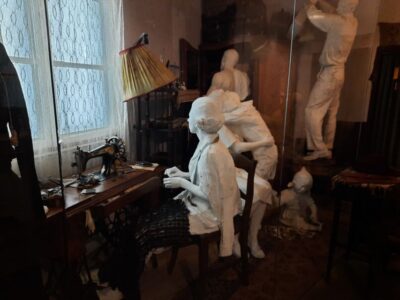
Schindler’s Factory Tour with Entrance Ticket
Read our review →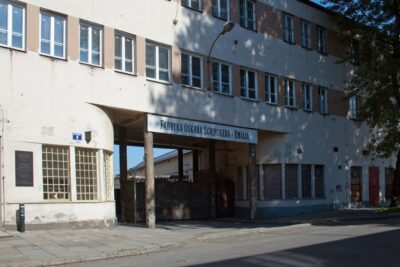
Schindler’s Factory Tour with Entrance Ticket
Read our review →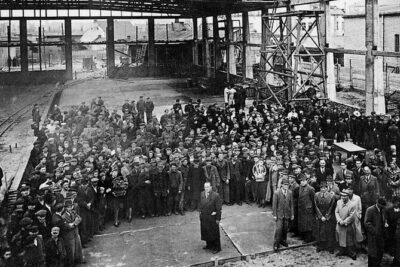
Schindler’s Factory in Krakow: Guided Tour & Skip the Line Ticket
Read our review →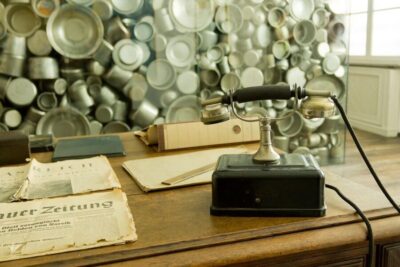
Schindler’s Factory Ticket with Guided Tour Option
Read our review →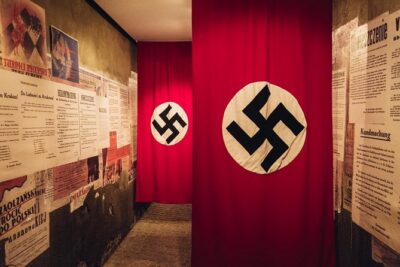
Krakow Schindler’s Factory Guided Tour with Admission Ticket
Read our review →Browse the lists this tour appears in