
Reviewed · SCHINDLER FACTORY TOURS
Krakow: Schindler’s Factory Tour & Skip-the-Line Entry
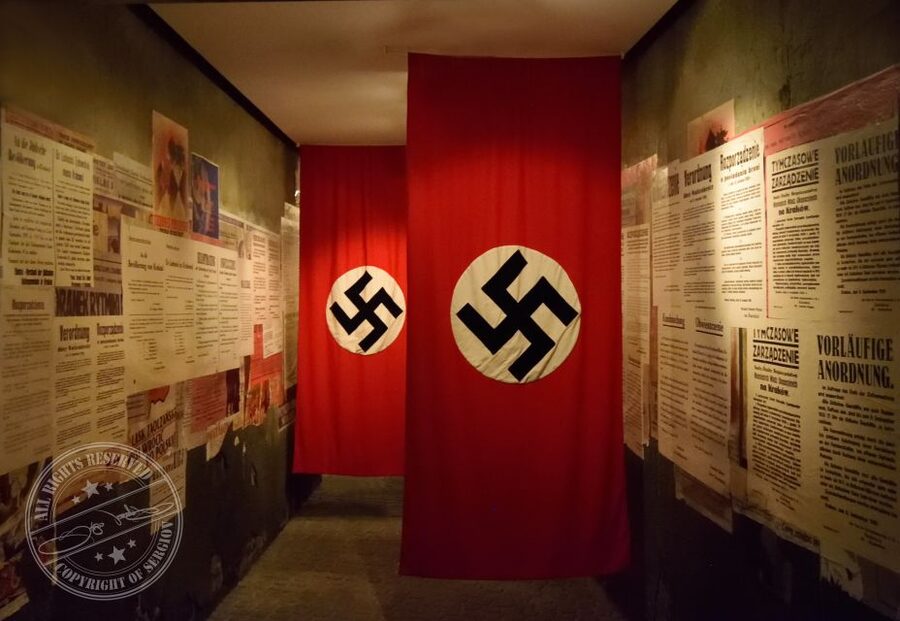
At Oskar Schindler’s former enamel factory, the main story is not simply about Schindler. It is about Krakow between 1939 and 1945, when Nazi rule tore apart the city’s Polish-Jewish community. The museum uses streets, tram cars, apartments, photographs, film, and personal accounts to make that history feel close and human.
I like the preserved office and the striking Survivor’s Ark made from enamel pots. I also like having a guide to explain the museum’s many layers, rather than trying to piece together the story alone. The main drawback is that the tour can feel more like a history of wartime Krakow than a focused account of Schindler himself, and a guide’s narration may leave little time to read every display.
Key points
- Schindler’s office remains inside the former factory administration building, giving the visit a direct connection to the man made famous by Schindler’s List.
- The museum’s central story covers all of Krakow, including Polish civilians, Jewish residents, Nazi occupiers, and the destruction of long-standing Polish-Jewish ties.
- The theatrical displays are unusually memorable, with a reconstructed city street, a tram documentary, a Jewish apartment, and the Hall of Choices.
- The 90-minute guided format keeps the visit focused, which helps in a museum with a large amount of written material.
- Skip-the-line entry matters, especially when museum access is limited and timed entry is in demand.
- You need identification, and from January 1, 2026, the museum requires the full names of all participants when booking.
Why this museum is about more than Oskar Schindler
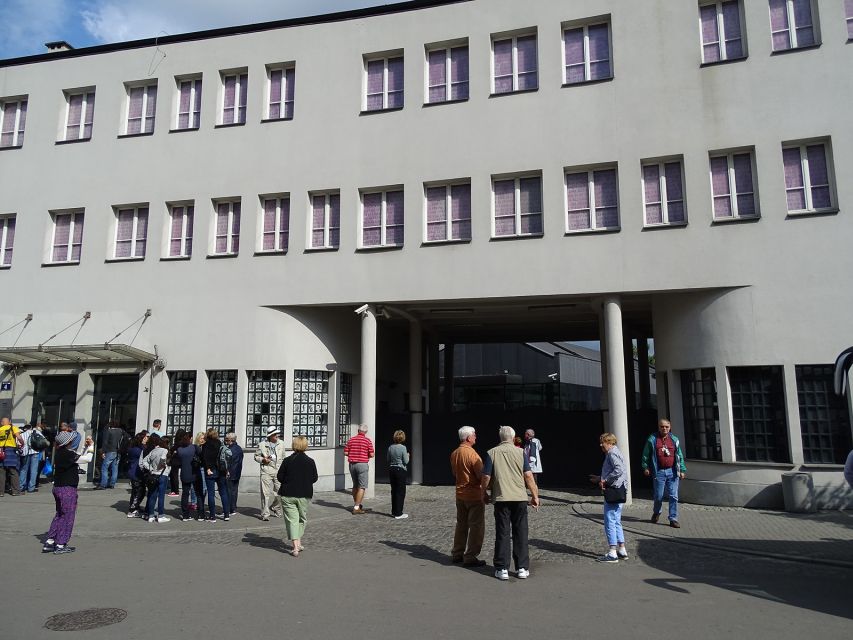
If you arrive expecting a museum devoted mainly to Schindler’s personal story, adjust your expectations before entering. The tour uses Schindler’s factory as its setting, but its subject is the wartime life of Krakow.
That wider focus is a strength. You see how Nazi occupation affected both Jewish and Polish residents, while also learning how the Nazi authorities controlled and reshaped the city. The museum presents the occupation as a violent break in Krakow’s long Polish-Jewish story, not as a single heroic tale.
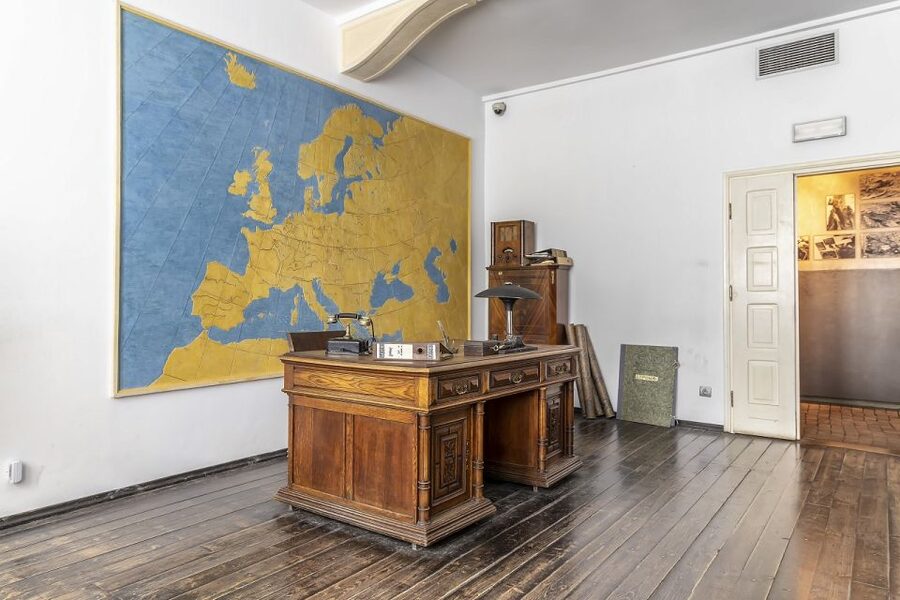
Schindler remains important. His office has been preserved in the factory’s administrative building, and the setting gives the visit a strong sense of place. But the museum does not treat him as the only figure who matters. I think that makes the experience more honest and useful, even if it differs from what the film’s title may lead you to expect.
The guide helps explain this distinction early. That is valuable because the museum’s displays move between personal stories, city life, Nazi policy, and the fate of Krakow’s Jewish population. Without some direction, you could spend too long on one section and miss the way the pieces fit together.
More Skip-the-Line Tickets in Krakow
- Krakow: Schindler’s Factory Skip-the-Line Ticket
★ 4.4 · 3,105 reviews - Schindler’s Factory in Krakow: Guided Tour & Skip the Line Ticket
★ 4.5 · 1,714 reviews - Krakow: Oskar Schindler’s Factory Skip-The-Line Ticket
★ 4.3 · 689 reviews
Entering the former enamel factory at Lipowa 4
Your meeting point is outside the main entrance of the museum at Lipowa 4 in Krakow. Look for the guide holding an excursion.city sign. The ticket includes museum admission and a professional guide, so you do not need to arrange a separate entrance ticket.
The skip-the-line feature is practical rather than glamorous. It does not shorten the museum itself, but it helps you avoid waiting at the ticket line and gives you more of your limited time inside. Since the guided visit lasts 90 minutes, every minute matters.
Bring a passport or ID card. From January 1, 2026, the museum’s personalized tickets require the full names of everyone in your party, and each person must bring identification for entry. Without the required details or ID, admission may be refused.
Food and drinks are not allowed, and large bags or luggage are also prohibited. Plan to arrive with only what you need for the visit. The tour is held in English, Spanish, Italian, French, or German, depending on the chosen departure.
Schindler’s office and the Survivor’s Ark
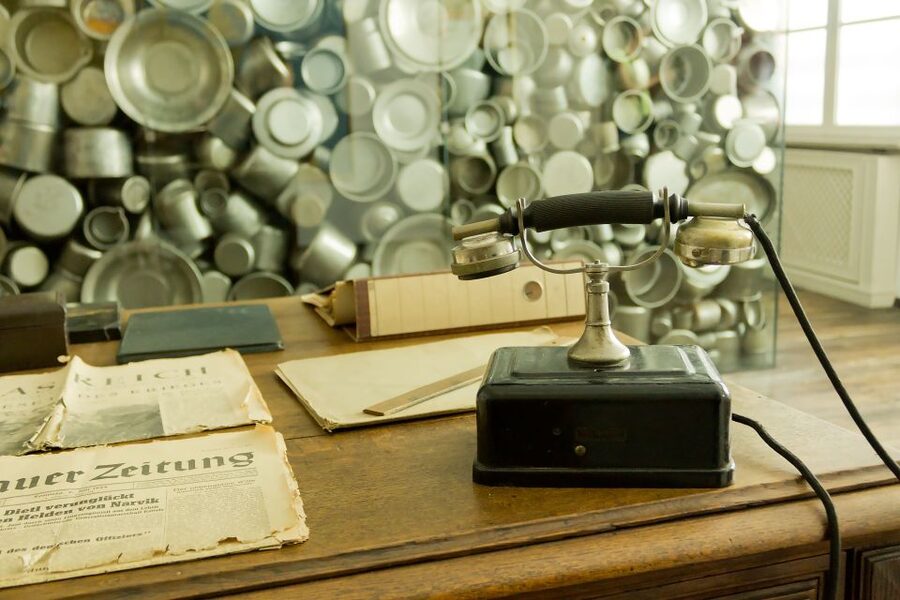
The preserved office is one of the most direct links to Oskar Schindler. You are not just looking at a photograph of the factory or a film prop. You are seeing part of the administrative building where the factory operated during the occupation.
The Survivor’s Ark is another memorable sight. Made from thousands of enamel pots, it recalls the products manufactured at the factory while also symbolizing the people who survived the war. The object is large, visual, and easy to remember, which helps break up the museum’s more text-heavy sections.
These two displays give you the Schindler connection, but they do not take over the whole tour. If you mainly want a film-related visit, you may find the experience less focused than expected. If you want a fuller picture of wartime Krakow, the broader approach works well.
A theatrical walk through wartime Krakow
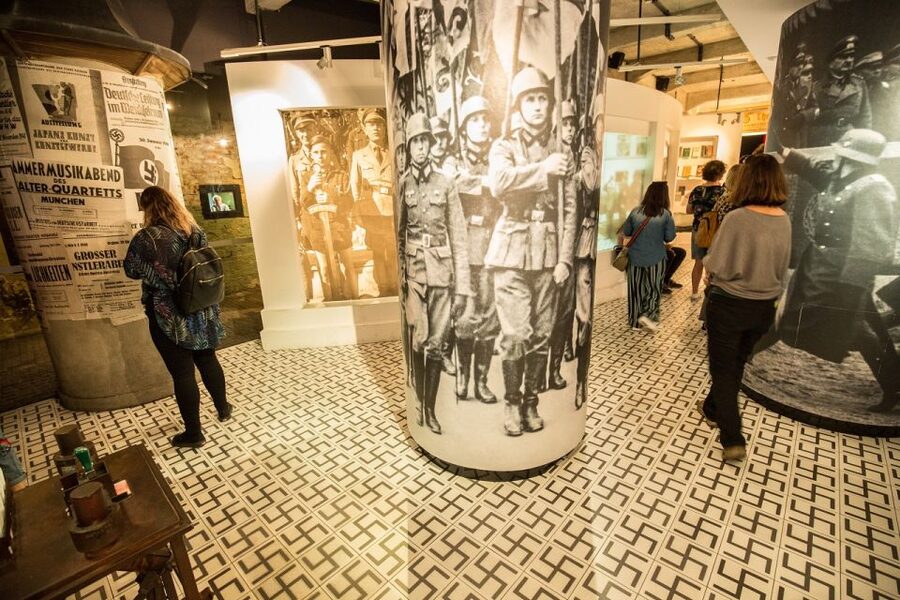
The permanent collection is presented in a theatrical, cinematic style, with work associated with stage designer Michał Urban and theatre director Łukasz Czuj. Instead of walking through a plain series of glass cases, you move through recreated spaces designed to suggest the city as it existed during the occupation.
One section recreates Krakow’s historical city space. This gives you a physical sense of the city rather than presenting the past only through dates and captions. The design is especially useful for anyone who finds conventional museum displays tiring or hard to connect with.
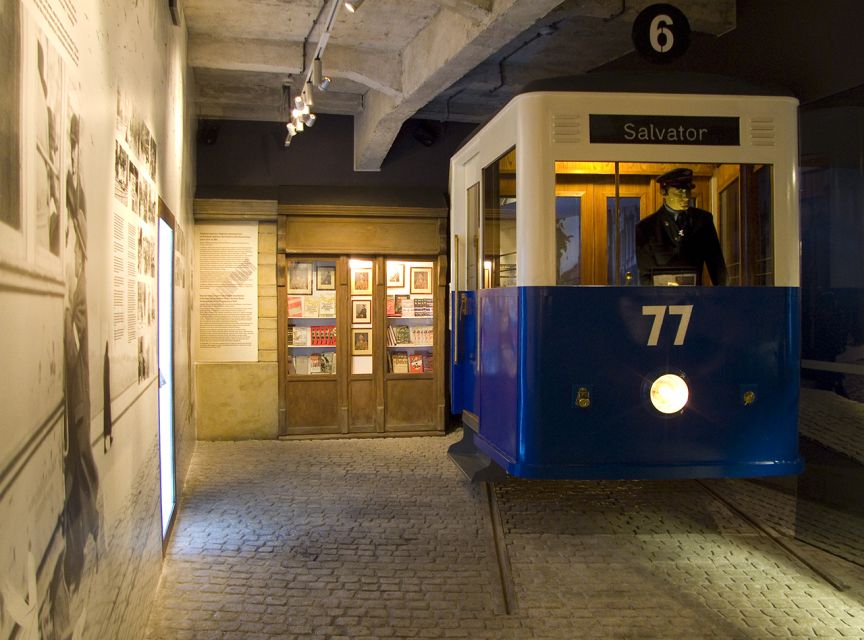
You also board a tram and watch a documentary about everyday city life. That detail matters because it shifts the focus away from major political events and toward ordinary movement through Krakow. The tram becomes a small piece of daily life under occupation, while the film adds voices and images that printed panels cannot provide.
The museum also recreates a typical Jewish apartment. This is one of the more personal parts of the route. An apartment can show how a family lived, what kind of space people inhabited, and how the loss of normal domestic life affected the city. The display helps put a human scale on events that can otherwise feel remote.
More ways to visit Schindler's Factory:
- Krakow: Oskar Schindler’s Factory Entry Ticket & Guided Tour
★ 4.2 · 3,793 reviews - Krakow: Schindler’s Factory Tour with Entrance Ticket
★ 4.5 · 3,182 reviews - Krakow: Schindler’s Factory Tour with Entrance Ticket
★ 4.6 · 1,737 reviews - Krakow: Schindler’s Factory & Ghetto Guided Tour
★ 4.7 · 1,694 reviews
Plaszow camp artifacts and the Hall of Choices
The section devoted to artifacts from the Plaszow camp adds a harder edge to the visit. These objects connect the museum’s story to the camp system and to the people who suffered under Nazi persecution. The displays are not simply about military history. They point you toward individual lives and the consequences of decisions made under terror.
The Hall of Choices is a sculptural installation about the ethical decisions people faced during the war. It does not reduce those choices to easy answers. Instead, it asks you to think about fear, survival, cooperation, resistance, and responsibility in conditions where ordinary moral rules were under severe pressure.
I find this part especially useful because it keeps the visit from becoming a sequence of facts. The museum asks you to consider what people could actually know, risk, or do at the time. That is a more difficult question than simply labeling people as heroes or villains.
The subject matter is heavy. You may want time afterward before moving on to another major sight. The 90-minute format provides a clear structure, but it also means the visit moves at a set pace.
Why the guide matters inside the museum
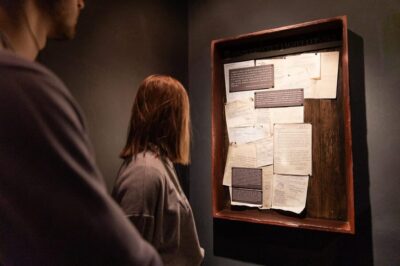
The museum contains documentary photographs, eyewitness accounts, film documentaries, multimedia presentations, artifacts, and written explanations. That range is valuable, but it can also be a lot to absorb in one visit.
A good guide gives you a framework. You learn which details are central, how the displays connect, and why the museum treats Polish and Jewish experiences together. The guide can also answer questions as they arise, which is helpful when a display raises a point that needs context.
English-language guiding has been especially well received, and the tour is also offered in Spanish, Italian, French, and German. Guides have been praised for clear English, strong subject knowledge, friendly manner, and patience with visitors who walk more slowly.
The trade-off is control. During a guided explanation, you may want to stop and read a panel in full, but the group may continue. One practical solution is to listen closely during the guide’s main explanation and return to selected displays afterward, if time and museum rules allow. If you prefer to read every caption at your own pace, an unguided visit may suit you better, though this experience is designed around guided access.
The 90-minute pace and group experience
Ninety minutes is a sensible length for this museum. It is long enough to cover the main spaces without turning the visit into an exhausting half-day history lesson. It is also short enough to fit neatly into a day of sightseeing in Krakow.
The pace can vary with the size of the group and how busy the museum is. Smaller groups make it easier to hear the guide and ask questions. One particularly useful aspect of the format is that the guide can sometimes slow down when needed, rather than rushing everyone through.
Still, do not expect unlimited time at every display. The tour has a route to follow, and a guide may continue speaking while you are reading. If you want to study every photograph, document, and caption, set aside extra time for a return visit or choose a slower museum visit instead.
The experience involves walking through the museum and moving between recreated spaces. No detailed accessibility information is provided, so if you have specific mobility needs, confirm arrangements before booking.
Is $49 a fair price?
At $49 per person, this is not the cheapest way to see a Krakow museum. The value depends on what you want from the visit.
You are paying for three things: entrance, skip-the-line access, and a 90-minute guided explanation in your chosen language. If you arrive with little knowledge of Krakow during the occupation, the guide can save you from reading a large amount of material without a clear structure. The time saved at the ticket line is also useful when your schedule is tight.
The price feels less attractive if you mainly want to see Schindler-related objects or spend a long time reading independently. The museum itself is broader than the film story, and the guided format may not give you enough time to examine every display closely.
For a first visit to Krakow, I think the price can make sense if you value context and have limited time. It is less compelling for repeat visitors or people who prefer museums at their own pace.
When to book and what to watch for
Book ahead if this museum is important to your plans. Entry places can be limited, and Monday opening hours may be reduced, with closing around midday. Check the available starting times carefully before choosing a date.
Tour times may be changed by the museum. From January 1, 2026, the selected time is only a preference, because the museum’s schedule can affect the final appointment. Keep an eye on booking messages and confirm the latest time before setting other plans around the visit.
Free cancellation is available up to 24 hours in advance for a full refund. You can also reserve and pay later, which is useful if your Krakow schedule is still shifting.
Who should book this experience?
I would choose this tour for you if you want a guided introduction to Krakow’s wartime story, especially if you have not studied the occupation before. It suits visitors who appreciate visual staging, documentary film, eyewitness accounts, and a clear route through a serious subject.
It is also a good fit if you are interested in Schindler’s List but are willing to learn a wider story than the film presents. The office and enamel pots provide the direct connection, while the rest of the museum explains the city and its people.
I would hesitate if you want a short, film-focused attraction with little reading or historical context. I would also think twice if you need to examine every display slowly, since the guide sets the pace.
Should you book the Schindler’s Factory tour?
Book it if you want the former factory as a doorway into Krakow under Nazi occupation, rather than as a shrine to one famous industrialist. The preserved office, Survivor’s Ark, reconstructed city scenes, tram film, Jewish apartment, Plaszow artifacts, and Hall of Choices create a serious and varied visit.
At $49, it is best value for a first-time visitor with limited time who wants a guide to connect the museum’s many parts. Bring your ID, avoid large bags, watch for any time change, and expect a broader history of Krakow rather than a narrow Schindler biography.
FAQ
How long does the Schindler’s Factory tour last?
The guided tour lasts 90 minutes, or 1.5 hours.
What is included in the price?
Entrance fees and a professional guide are included.
Are food and drinks included?
No. Food and drinks are not included, and food and drinks are not allowed inside the museum.
Where does the tour meet?
Meet at the main entrance of the museum at Lipowa 4, 33-332 Kraków, Poland. The guide will hold an excursion.city sign.
Which languages are available?
The tour is available in Spanish, Italian, French, English, and German.
Do I need a passport or ID card?
Yes. You should bring a passport or ID card for entry.
What changes from January 1, 2026?
From that date, you must provide the full names of all participants when booking and bring a passport or ID card. The selected tour time is approximate and may change because of the museum’s schedule.
Can I bring luggage or a large bag?
No. Luggage and large bags are not allowed.
Can I cancel the booking?
Yes. You can cancel up to 24 hours in advance for a full refund.
Can I reserve now and pay later?
Yes. The activity allows you to reserve a place and pay later.
Just added around Krakow
- stag dog chase Krakow prank★ 5.0 · 4 reviews
- Divine Mercy Sanctuary – Private Tour from Krakow★ 5.0 · 4 reviews
- ZALIPIE – painted village, unique small group tour from Krakow★ 5.0 · 7 reviews
- ZALIPIE – painted village, unique PRIVATE tour from Krakow★ 5.0 · 20 reviews
- Zalipie Private Tour from Krakow The Painted Village★ 5.0 · 4 reviews
- Wooden Churches Unesco List Private Tour from Krakow★ 5.0 · 14 reviews
- Guided tour to Salt Mine & Schindler Factory with Pick-Up Options★ 4.0 · 58 reviews
- Wawel Castle, Cathedral, & Rynek Underground Tour with Lunch★ 5.0 · 4 reviews
Schindler Factory Tours, compared.
Oskar Schindler’s Factory Entry Ticket & Guided Tour
Read our review →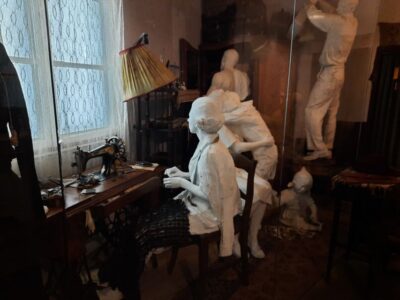
Schindler’s Factory Tour with Entrance Ticket
Read our review →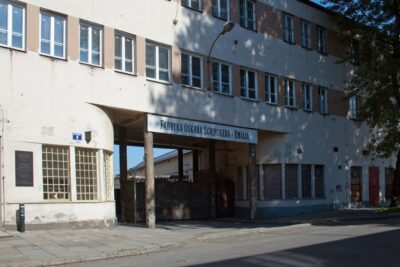
Schindler’s Factory Tour with Entrance Ticket
Read our review →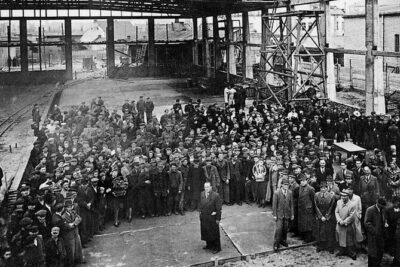
Schindler’s Factory in Krakow: Guided Tour & Skip the Line Ticket
Read our review →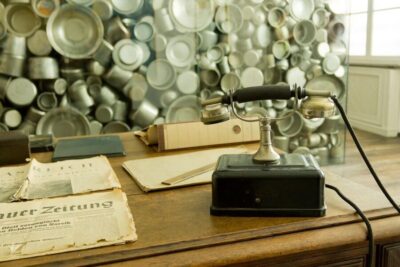
Schindler’s Factory Ticket with Guided Tour Option
Read our review →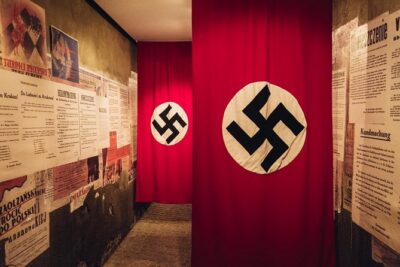
Krakow Schindler’s Factory Guided Tour with Admission Ticket
Read our review →Browse the lists this tour appears in