
Reviewed · SCHINDLER FACTORY TOURS
Schindler’s Factory and Jewish Ghetto Guided Tour
Schindler’s Factory is not a preserved factory floor with old machinery. It is a carefully built museum about Kraków under Nazi occupation from 1939 to 1945, with Schindler’s story woven into the larger ordeal of Jewish and non-Jewish residents. I like the powerful mix of photographs, objects, and reconstructed streets, and I like that the tour continues outside to the actual ghetto walls and Ghetto Heroes Square. The main drawback is pace: a group tour can move too quickly through a crowded museum.
I also like the human scale of the walking section. You see where an orphanage, welfare offices, and a hospital once served people trapped inside the ghetto, then hear about the help given at Under the Eagle Pharmacy. Guides such as Joanna, Alicja, Magda, Bartholomew, and Phil have earned especially warm praise for clear explanations and vivid storytelling. Arrive at least 10 minutes early, since late arrivals cannot join once the group has entered.
Key points to know before booking
- The museum is about more than Oskar Schindler: You learn how the whole city changed under Nazi rule, not only how Schindler protected Jewish workers.
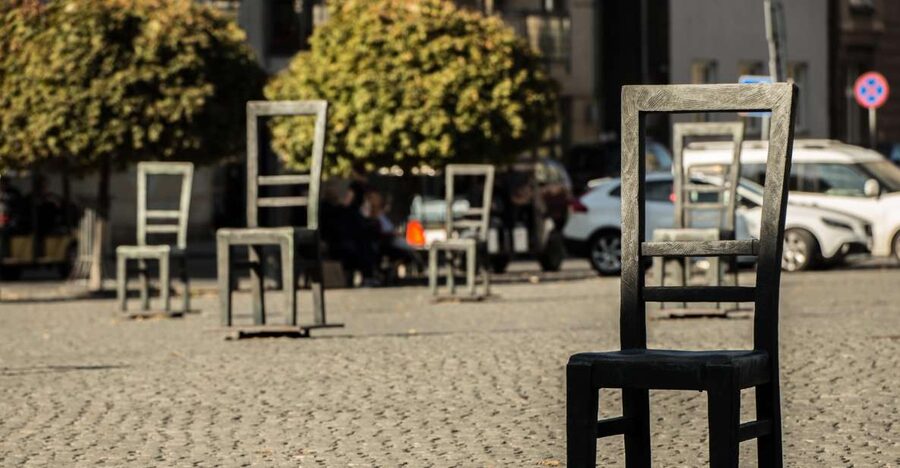
- The ghetto walk adds essential context: Preserved wall fragments, Ghetto Heroes Square, and the Chair Memorial make the museum story physical and easier to understand.
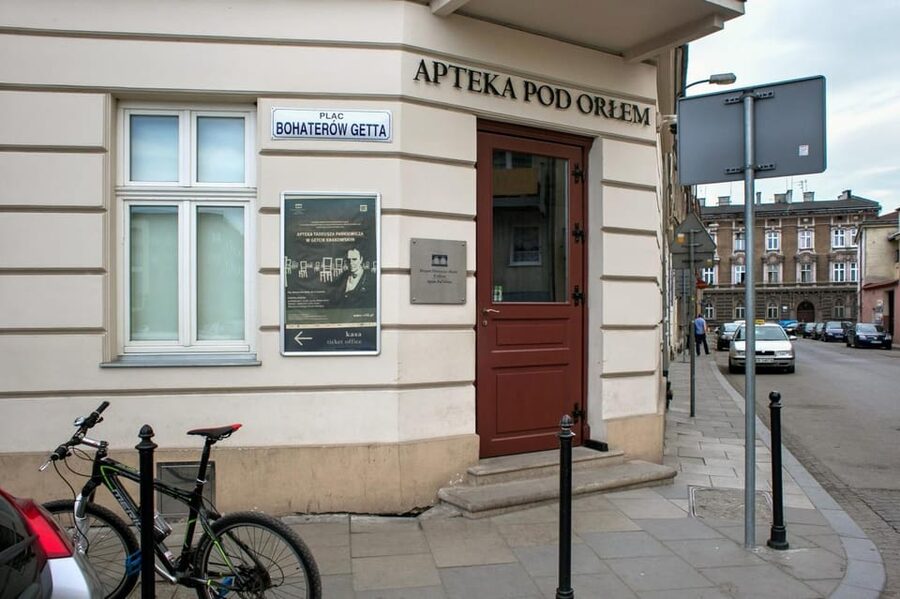
- You do not enter Under the Eagle Pharmacy: The stop is outside, so expect its history rather than an interior visit.
- The exhibition uses reconstructions: It recreates wartime streets and daily life, but the factory no longer contains its original production equipment.
- A guide gives the tour its value: Clear English and strong storytelling can turn a difficult subject into a coherent three-hour visit.
- The group can include up to 25 people: That keeps the price reasonable, but it may feel tight in the museum’s narrow passages.
Why this three-hour tour works
This experience links two places that are often visited separately. First, you explore Schindler’s Factory Museum, then you walk through the former Jewish Ghetto. That order matters because the museum gives you the basic timeline and citywide setting before you reach the places where the ghetto story unfolded.
I find this approach more useful than treating Schindler as a lone hero in a movie plot. His actions matter, but the museum places them beside the lives of workers, families, officials, rescuers, and people who had very little control over what happened to them. You come away with a fuller picture of Kraków during the war.
The tour lasts about three hours. That is enough time for a serious introduction, but not enough for a slow reading of every display. If you want to study each photograph and document at length, a self-guided return visit would suit you better. If you want the story explained in a logical order, the guide-led format is the stronger choice.
More Jewish Heritage Tours in Krakow
- Krakow: Schindler’s Factory & Ghetto Guided Tour
★ 4.7 · 1,694 reviews - Krakow: Jewish Quarter and Former Ghetto Tour
★ 4.9 · 1,441 reviews - Krakow: Bike Tour of Old Town, Jewish Quarter and the Ghetto
★ 4.9 · 1,155 reviews
Inside Schindler’s Factory Museum
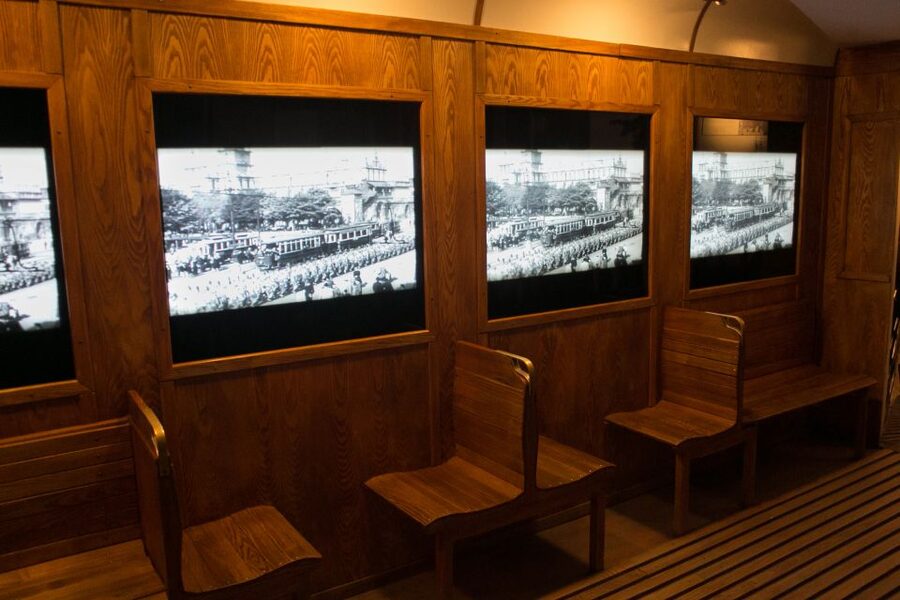
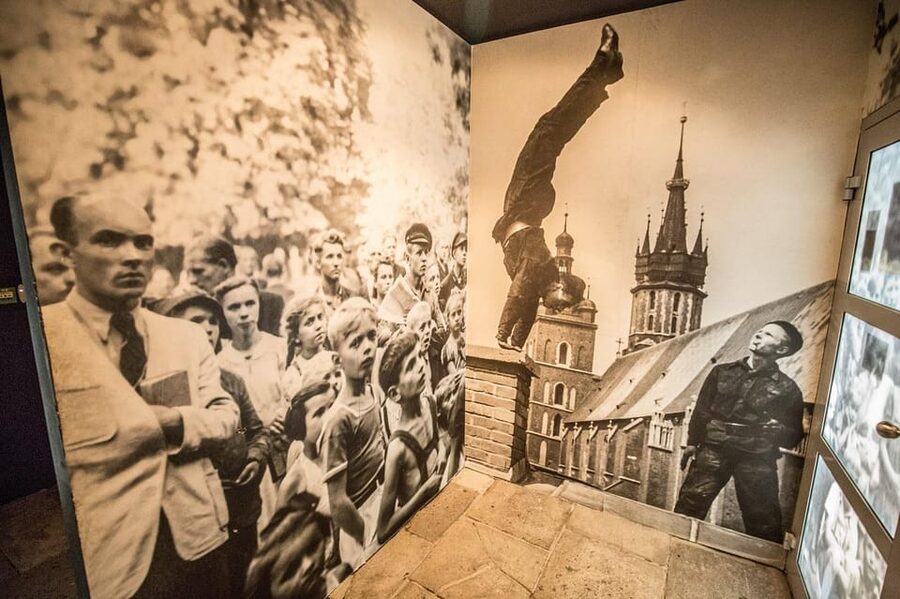
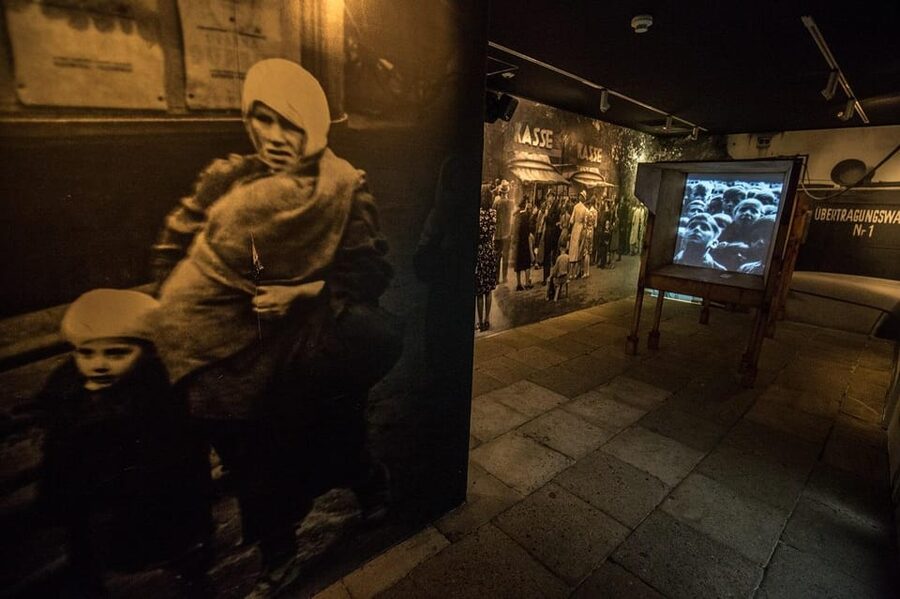
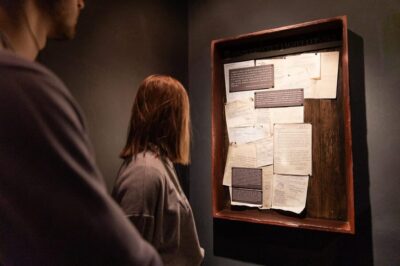
The museum’s main exhibition is called Kraków under Nazi Occupation 1939 to 1945. It uses original artifacts, photographs, personal objects, and reconstructed spaces to show how occupation changed everyday life.
You may walk through recreated streets and rooms rather than a traditional series of glass cases. The layout is immersive in a practical sense: narrow passageways and period-style settings help you understand the pressure and uncertainty of the time. This design can make the subject more immediate, though it also means the route may feel crowded when the museum is busy.
The factory building originally belonged to Oskar Schindler, who employed Jewish workers and used his position, influence, and resources to protect them from deportation. More than a thousand men and women survived through his efforts. The museum explains this story, but it does not present Schindler as the only person worth remembering.
That wider focus is one of the tour’s best features. You learn about Jewish residents facing confinement and deportation, but also about non-Jewish residents trying to live under occupation. The exhibition shows how ordinary routines, work, family life, and access to food or medicine were altered by Nazi rule.
I especially value the personal material. A large historical event can feel distant when it is told only through dates and military movements. Personal objects and photographs help you picture the people caught inside the system. Your guide can also point out details you might miss if you move through the displays alone.
The museum is not the original working factory in the sense some people expect. There is no preserved production floor filled with original equipment. If you arrive expecting a factory museum focused on machines and manufacturing, adjust your expectations. This is primarily a historical museum about wartime Kraków, Schindler, his workers, and the city’s residents.
Schindler’s story within Kraków’s wartime story
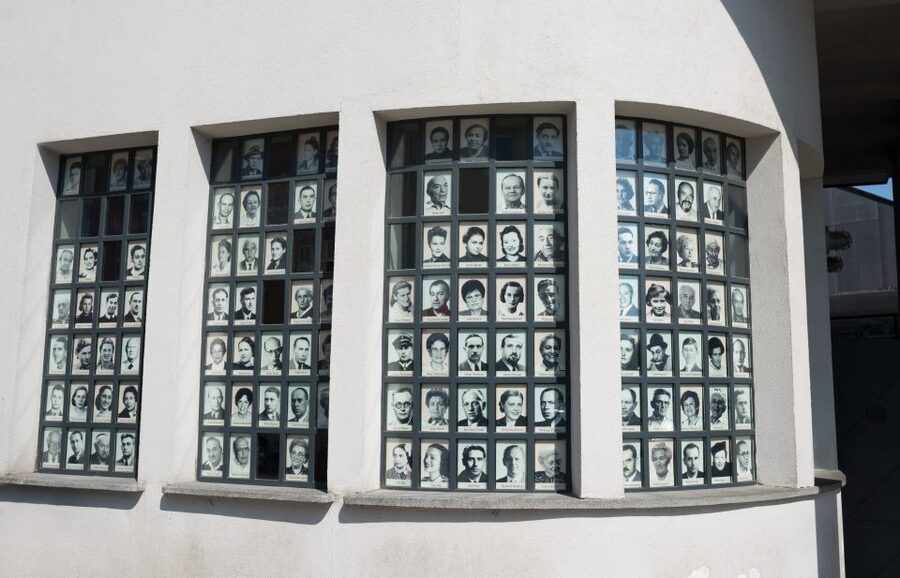
The title can make it sound like the whole visit will revolve around one famous man. In practice, Schindler’s actions are placed against a far larger story of persecution, deportation, fear, and survival.
You hear how his decisions could change the fate of individual workers. His protection did not erase the cruelty around them, but it offered a rare form of resistance within the Nazi system. The people he helped are often called Schindlerjuden, and their testimony remains an important part of the museum’s meaning.
A good guide helps you keep two ideas in view at once. Schindler showed courage and determination, yet the people he protected had their own stories, families, fears, and choices. The tour works best when you treat it as a visit to a city under siege, not simply a memorial to one businessman.
Guides have included Bartholomew, Joanna, Alicja, Magda, and Phil. The strongest descriptions of the guiding style point to clear English, careful answers, and the ability to explain difficult events without turning the visit into a rushed list of facts. Your guide is especially important here because the exhibition contains more material than you can absorb in one pass.
Walking through the former Jewish Ghetto
After the museum, the tour moves outdoors into the Jewish Wartime District. This part changes the tone of the visit. Inside, the museum controls the setting with photographs and reconstructions. Outside, you stand among the remaining places connected to the ghetto itself.
The preserved fragments of the ghetto wall are among the most direct reminders of confinement. They show that the ghetto was not just an idea on a map. It was a physically marked enclosure that separated Jewish residents from the rest of the city.
The walk includes Józefińska 41. This address once housed an orphanage, welfare offices, and a hospital. Those functions mattered because they provided basic care and support to people living under brutal conditions. The location helps you think about the ghetto not only as a place of imprisonment, but also as a community trying to keep children, patients, and vulnerable people alive.
The outdoor portion requires more attention to weather than the museum. Cold, wind, rain, or strong sun can affect your comfort, so wear suitable shoes and clothing. The route is not a long countryside hike, but you will be on your feet and listening outdoors.
More ways to visit Schindler's Factory:
- Krakow: Oskar Schindler’s Factory Entry Ticket & Guided Tour
★ 4.2 · 3,793 reviews - Krakow: Schindler’s Factory Tour with Entrance Ticket
★ 4.5 · 3,182 reviews - Krakow: Schindler’s Factory Skip-the-Line Ticket
★ 4.4 · 3,105 reviews - Krakow: Schindler’s Factory Tour with Entrance Ticket
★ 4.6 · 1,737 reviews
Ghetto Heroes Square and the Chair Memorial
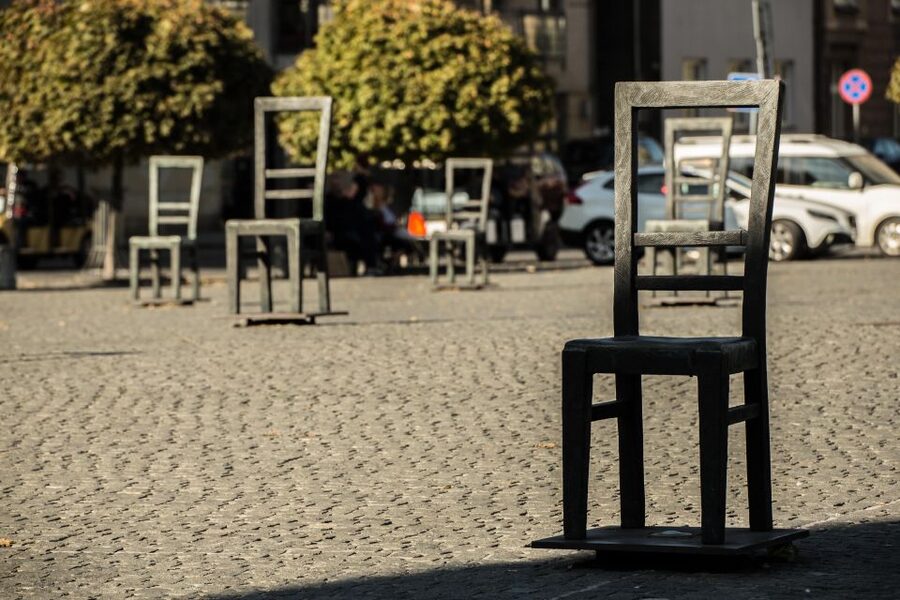
Ghetto Heroes Square is one of the most affecting stops. Today, the square is marked by the Chair Memorial, a row of large empty chairs. The memorial’s simple form fits the subject. It suggests absence, interrupted lives, and the belongings left behind when people were taken away.
Your guide explains how the square became a site of round-ups and deportations to concentration camps. Hearing that history while standing in the actual open space gives the museum material a sharper edge. You are no longer only looking at a reconstructed scene. You are looking at a place used in the machinery of removal.
This stop can be emotionally heavy. The tour does not treat the square as a quick photo opportunity, and you should not expect a light sightseeing mood. The value comes from pausing and allowing the location to speak through the explanation.
Under the Eagle Pharmacy and the people who helped
The route also stops at Under the Eagle Pharmacy. You do not enter the pharmacy on this tour, which is important to know before booking. The guide explains the work of Tadeusz Pankiewicz and his staff, who risked their safety to help Jewish residents.
The pharmacy offered medicine, shelter, and hope. In a place where people faced severe restrictions and constant danger, those forms of help could be life-saving. This story adds another layer to the tour’s central theme: resistance did not always look like open rebellion. Sometimes it meant using a workplace, supplies, or personal courage to aid someone in immediate danger.
I would have liked more time at this stop if you want detailed stories about individual families. The exterior visit is useful, but it cannot provide the same experience as a full interior tour. Think of it as an important chapter in the walking route rather than a separate museum visit.
How the guide affects the experience
The guide is the main reason to choose this format instead of visiting the museum alone. The strongest guides make the sequence easy to follow, explain unfamiliar names and events, and answer questions without losing the group.
Several guides have received particularly strong praise for clear English and a warm, personal style. Alicja has been singled out for making the history and culture of Polish people and Polish Jews feel immediate. Bartholomew has been praised for clear speech and detailed explanations, while Joanna has been noted for organizing the museum and ghetto sections in a useful order.
Language choice matters. Each group tour is conducted in one language, with English, French, Spanish, German, and Italian available. Select your preferred language at booking rather than assuming a multilingual group will switch between languages.
A group of up to 25 people is allowed. That is not enormous, but the museum’s narrow passageways can make even a moderate group feel close together. If the museum is crowded, you may need to wait for space before seeing a display. One visitor found the museum section rushed, and another felt that around 20 people made movement harder.
The guide-led format can also repeat information. Since the ghetto walk may include people who joined only for that section, your guide may repeat some background from the museum. That helps anyone arriving for the second part, but it can feel familiar if you completed the full tour.
Is $57 a fair price?
At $57 per person, the price is reasonable if you want admission, a licensed guide, and the walking route combined. You are paying for fast-track museum entry, the three-hour guided structure, and the connection between the exhibition and the real ghetto sites.
The value is strongest for a first visit to Kraków’s wartime history. You do not need to work out the route or decide which details matter most. The guide creates a clear path from Schindler’s factory to the ghetto walls, the square, and the pharmacy.
The price is less attractive if you prefer to read every panel at your own pace. A self-guided museum visit gives you more control over timing, especially during quieter periods. The tradeoff is that you lose the guide’s explanations and the organized outdoor walk.
For many people, the best plan is to take this tour for orientation, then return independently to any museum section that deserves more time. The three-hour visit gives you the framework. A second visit lets you slow down.
Practical advice for a smoother visit
Meet your guide in front of the main entrance to Schindler’s Factory Museum, on the right-hand side. Look for the Schindler’s Factory Guided Tour sign.
Arrive at least 10 minutes early. Once the group has entered, late arrivals cannot be accommodated, and the ticket is non-refundable. The museum issues personalized tickets, so provide the full names of all participants when booking. Missing names can result in denied entry.
Wear comfortable shoes and check the weather. You will spend part of the tour outside, and cold conditions have made the walking section uncomfortable for some people. The exhibition has narrow passageways, so avoid bringing expectations of a wide, relaxed gallery layout.
Food and drinks are not included. Plan around the three-hour duration rather than expecting refreshments during the visit.
Free cancellation is available up to 24 hours before the start time, and you can reserve now and pay later. Starting times vary, so check availability for your date.
Who should book this tour?
I recommend it to anyone who wants a guided introduction to Kraków’s Jewish wartime history and has not visited Schindler’s Factory before. It suits people who value explanation, context, and real locations more than a quiet, self-paced museum visit.
It is also a good choice if you have only a short time in Kraków. The museum and ghetto are connected in one planned experience, so you can cover a great deal without arranging separate visits.
You may prefer an unguided museum visit if you read slowly, take many notes, or want to spend extra time with photographs and documents. The group may move on before you have finished each display. You should also know that the pharmacy is viewed from outside and the factory contains no original production equipment.
Should you book Schindler’s Factory and the Ghetto tour?
Book it if you want the guide to connect Schindler’s personal story with the broader suffering of Kraków’s Jewish and non-Jewish residents. The preserved wall fragments, Ghetto Heroes Square, and Under the Eagle Pharmacy make the history more concrete than a museum visit alone.
Skip it in favor of a self-guided visit if you need complete control over the museum pace. For everyone else, the combination offers solid value at $57, provided you arrive early, prepare for some outdoor walking, and understand that the factory is now a museum rather than a preserved workplace.
FAQ
How much does the tour cost?
The tour costs $57 per person.
How long does the experience last?
The tour lasts three hours.
What languages are available?
Tours are available in English, French, Spanish, German, and Italian. Each group tour is conducted in one language.
What does the tour include?
It includes a professional licensed guide, fast-track admission to Schindler’s Factory Museum, and a walking tour of the Jewish Wartime District.
Where do I meet the guide?
Meet in front of the main entrance to Schindler’s Factory Museum, on the right-hand side. The guide will hold a Schindler’s Factory Guided Tour sign.
Do I enter Under the Eagle Pharmacy?
No. The tour stops at the pharmacy and explains its history, but entry is not included.
Is the original factory equipment still inside?
No. The building now operates as a museum and does not contain the original production equipment.
How large can the group be?
Group size is limited to 25 participants.
What happens if I arrive late?
You should arrive at least 10 minutes before the start. Once the group has entered, late arrivals cannot be accommodated, and tickets are non-refundable.
Do I need to provide participant names?
Yes. The museum issues personalized tickets, so full names for all participants are required at booking.
Just added around Krakow
- stag dog chase Krakow prank★ 5.0 · 4 reviews
- Divine Mercy Sanctuary – Private Tour from Krakow★ 5.0 · 4 reviews
- ZALIPIE – painted village, unique small group tour from Krakow★ 5.0 · 7 reviews
- ZALIPIE – painted village, unique PRIVATE tour from Krakow★ 5.0 · 20 reviews
- Zalipie Private Tour from Krakow The Painted Village★ 5.0 · 4 reviews
- Wooden Churches Unesco List Private Tour from Krakow★ 5.0 · 14 reviews
- Guided tour to Salt Mine & Schindler Factory with Pick-Up Options★ 4.0 · 58 reviews
- Wawel Castle, Cathedral, & Rynek Underground Tour with Lunch★ 5.0 · 4 reviews
Schindler Factory Tours, compared.
Oskar Schindler’s Factory Entry Ticket & Guided Tour
Read our review →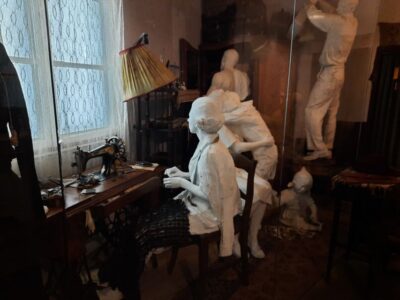
Schindler’s Factory Tour with Entrance Ticket
Read our review →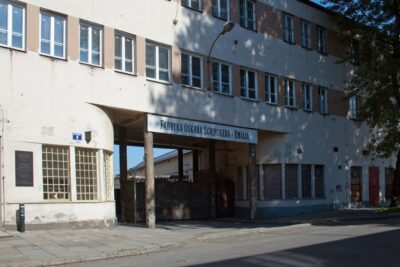
Schindler’s Factory Tour with Entrance Ticket
Read our review →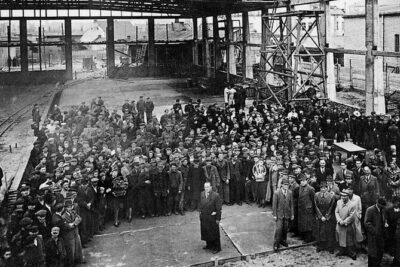
Schindler’s Factory in Krakow: Guided Tour & Skip the Line Ticket
Read our review →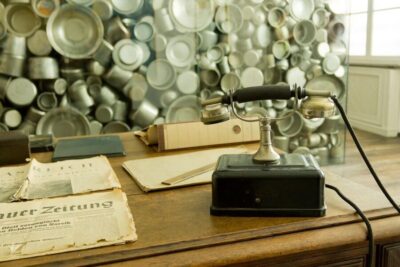
Schindler’s Factory Ticket with Guided Tour Option
Read our review →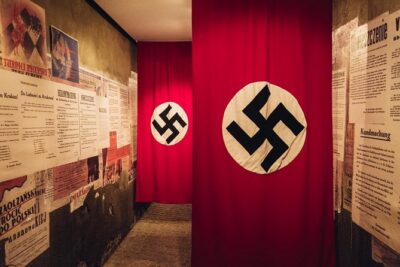
Krakow Schindler’s Factory Guided Tour with Admission Ticket
Read our review →Browse the lists this tour appears in