
Reviewed · SCHINDLER FACTORY TOURS
Schindler’s Factory Visit & Skip-the-Line Entry
Schindler’s Factory is less a shrine to one man than a carefully staged account of Krakow under Nazi occupation. In about 90 minutes, you move through recreated streets, a hairdresser, a photographer’s shop, a tram, and a cramped ghetto apartment before reaching the story of Płaszów and the city’s Jewish and Polish residents.
I like the way a guide gives the displays a clear human voice, and I like the museum’s use of photographs, films, sound, and eyewitness accounts rather than relying only on glass cases. The main drawback is the pace: groups can be large, and you may have little time to stop and read everything.
Key points before you book
- The museum is about Krakow first, Schindler second: His factory and rescue work appear within a wider story of wartime Poland.
- The 90-minute visit uses strong visual staging: Expect recreated streets, a tram, a photoplasticon, a ghetto apartment, and multimedia scenes.
- An English-speaking guide adds vital context: Guides such as Helen and Barbara have been praised for clear, thoughtful explanations.
- Skip-the-line entry is useful but not foolproof: Crowds and meeting-point confusion have sometimes caused delays.
- Your ID is essential: The name on your ticket must match your passport or identification document.
- The tour suits film fans and serious history learners: It is especially worthwhile if you have seen Schindler’s List, but the museum is not mainly about the film.
What the Schindler museum really covers
The name can set up the wrong expectation. You may arrive expecting a detailed biography of Oskar Schindler, a tour of his enamel factory, and a close look at the events shown in Steven Spielberg’s Schindler’s List.
You do get some of that. But the main exhibition is a broad account of Krakow before, during, and just after the Nazi occupation. It follows the fate of Polish and Jewish residents, the arrival of the German occupiers, the creation of the ghetto, deportations, forced labor, and the Płaszów camp.
That wider focus is one of the tour’s strengths. Schindler’s actions make more sense when you understand the system around him. The exhibition shows the city as a place where ordinary life was gradually restricted, controlled, and destroyed. His factory and his efforts to protect Jewish workers are part of that story, not the whole story.
If you want a museum devoted almost entirely to Schindler, you may find the visit limited. Some displays give more attention to Poland, Krakow, and the Jewish community than to Schindler himself. That is not a flaw in the museum’s purpose, but it is worth knowing before you pay for the tour.
More Skip-the-Line Tickets in Krakow
- Krakow: Schindler’s Factory Skip-the-Line Ticket
★ 4.4 · 3,105 reviews - Schindler’s Factory in Krakow: Guided Tour & Skip the Line Ticket
★ 4.5 · 1,714 reviews - Krakow: Oskar Schindler’s Factory Skip-The-Line Ticket
★ 4.3 · 689 reviews
Entering the former enamel factory
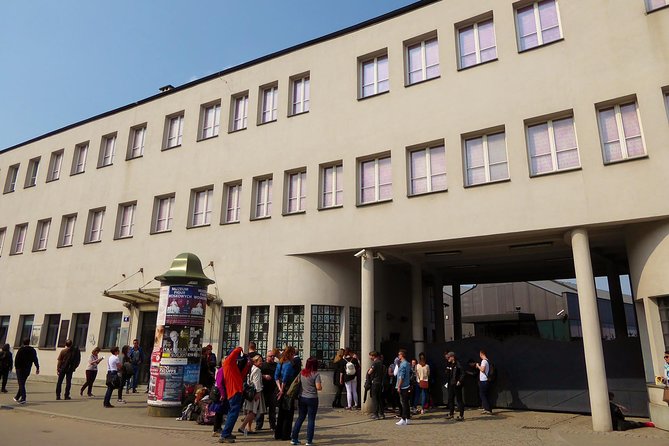
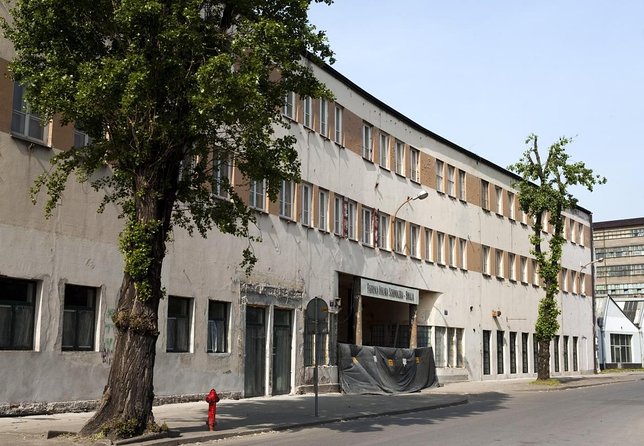
The visit takes place at Fabryka Emalia Oskara Schindlera, the former factory associated with Schindler. The building gives the subject a powerful setting, but you are touring a museum exhibition rather than watching the original factory floor operate.
The factory building itself remains, while much of the visit follows a designed route through galleries and recreated scenes. One important detail is that the factory was moved to the Czech Republic toward the end of the war, so the tour does not present a complete collection of original enamel production equipment.
That distinction matters if you are interested in industrial history. The attraction is not a working factory tour. It is a museum about wartime Krakow housed in a place linked to Schindler.
Your guide normally leads the group through the exhibition in chronological order. This helps you follow the rapid change from prewar city life to occupation and persecution. A good guide also explains what you are seeing without turning the visit into a simple retelling of the film.
Walking through occupied Krakow
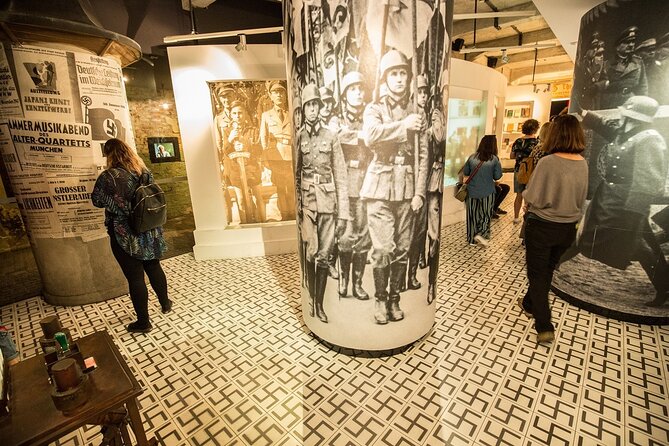
The most memorable part is the museum’s use of reconstructed spaces. Instead of moving only from one display case to another, you walk along cobbled streets designed to suggest occupied Krakow.
You may enter a recreated hairdresser and photographer’s shop, and you see an authentic photoplasticon. These details help you picture the city as a lived-in place before the war and then understand how familiar public spaces changed under German control.
The tram section is particularly effective. Through its windows, a film shows aspects of city life during the occupation. It gives the exhibition movement and a sense of watching Krakow pass by, even though you are inside a museum.
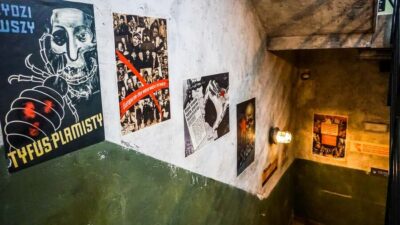
Next comes a narrow ghetto setting, including a Jewish apartment. The confined layout makes the loss of space and freedom easier to grasp. You are not simply told that people were forced into overcrowded conditions. The design asks you to notice the cramped rooms and the restrictions built into daily life.
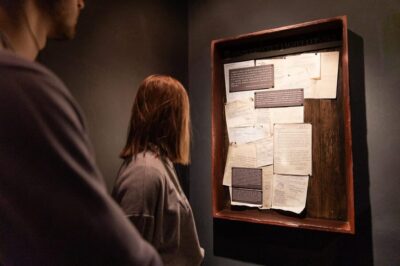
The museum then takes you toward the Płaszów camp section. This part can be emotionally heavy, so allow yourself time after the tour rather than planning an immediate rushed activity. The subject is presented through objects, images, accounts, and multimedia material, not as a light sightseeing stop.
Why the guide matters
I would strongly favor the guided visit over entering alone, especially if you have limited time in Krakow. The exhibition contains many layers, and the meaning of a photograph or reconstructed room is not always clear without explanation.
The best guides add dates, names, and connections between the displays. They also explain that the story includes all Polish people affected by occupation, while giving careful attention to the persecution of Jews. Guides named Helen and Barbara have been singled out for clear English, strong preparation, and sensitive presentation.
The quality of the English can vary. Most feedback describes the guides as easy to understand and well informed, but one experience found the guide’s English difficult at times. If you have hearing trouble, stand close to the guide and use the provided headset when available.
Headsets have worked well for many groups, even when the museum is crowded. They are especially useful in narrow rooms, where standing near the front may not be possible.
A guide can also help you avoid a common misunderstanding: Schindler is not presented as the sole subject. One useful explanation is that the museum shows the conditions that shaped his choices and the dangers faced by the people he employed.
More ways to visit Schindler's Factory:
- Krakow: Oskar Schindler’s Factory Entry Ticket & Guided Tour
★ 4.2 · 3,793 reviews - Krakow: Schindler’s Factory Tour with Entrance Ticket
★ 4.5 · 3,182 reviews - Krakow: Schindler’s Factory Tour with Entrance Ticket
★ 4.6 · 1,737 reviews - Krakow: Schindler’s Factory & Ghetto Guided Tour
★ 4.7 · 1,694 reviews
The pace, group size, and crowded rooms
The official duration is about one hour and 30 minutes. That is enough for a guided overview, but not enough to read every panel or study every photograph at leisure.
This is the main trade-off. A guide keeps you moving and prevents you from missing the main story, but the group must also stay on schedule. Several accounts describe the visit as rushed, with too little time to absorb the displays or interact with the exhibits.
Groups of around 20 people have been reported. That is manageable in a large gallery, but it can feel crowded in the smaller recreated rooms. At times, you may wait for another group to move through a confined area before your own group can continue.
If you are someone who reads every label, you may leave wishing for another hour. I would treat this as a guided introduction rather than a complete museum study. You can ask the guide questions, but do not expect to linger at every station.
The tour works best if you accept the structure. Listen for the main narrative, note the displays you want to revisit, and return independently only if you have enough time and an additional ticket is available. The guided visit itself is designed to keep moving.
Is the skip-the-line promise worth it?
At around $50.46 per person, this is not a cheap museum admission. You are paying for the entry arrangement, a guide, and the convenience of joining a scheduled English-language group.
The skip-the-line element can be valuable during busy periods. Schindler’s Factory is a popular Krakow stop, and a reserved place removes some of the risk of arriving to find the available entry times gone. One person who booked at short notice noted that a door ticket may be possible in quieter periods, but that is not something I would rely on during a busy visit.
The phrase should not be understood as a guarantee that you will walk straight inside without any waiting. Confusion outside the building, large crowds, and ticket checks have caused delays. Some people paid for priority entry but still waited in a line or were unsure where to meet their guide.
Look for the correct guide or tour sign, and do not assume a nearby group is yours. One group nearly missed its start because the sign showed a different time from the booking. Another had trouble after a time change was not passed to the local operator.
The practical value depends on your schedule. If you have only one day in Krakow, paying more for a planned entry and guide may be sensible. If you have plenty of time and are visiting in a quiet season, the premium may feel harder to justify.
Booking details that can affect entry
The museum issues personalized tickets. You must provide the full name of every participant when booking, then bring the same passport or identification document to the museum.
The name and surname on the ticket must match your ID. Without the required identification, entry may be denied. This is one detail you should handle before leaving your hotel, not at the door.
The activity is offered in English. It is near public transport, and most people can take part, but expect a fair amount of standing and walking through the exhibition. If you dislike crowded interiors or need frequent pauses, the fixed group pace may be difficult.
From January 1, 2026, the chosen time may be only a preferred time rather than a guaranteed exact start. Museum scheduling can change, so check the final arrangements carefully.
You can cancel for a full refund up to 24 hours before the start time. Changes or cancellations made less than 24 hours in advance are not accepted for a refund.
How the visit connects with Schindler’s List
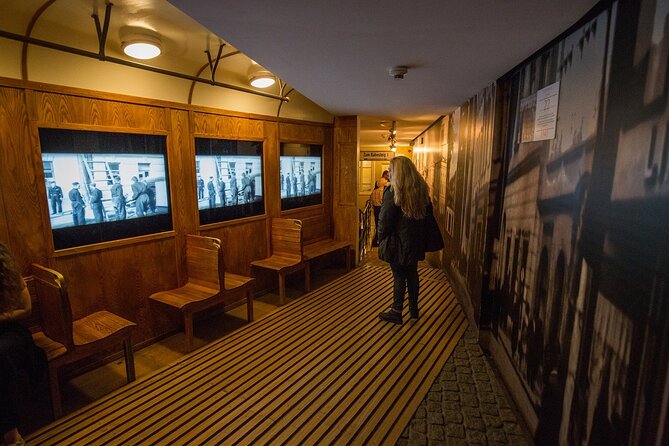
If you have seen the film, the factory visit adds real places and local context to a story you may already know. You will recognize the broad subject of Schindler’s rescue efforts, but the museum does not simply recreate the film.
The exhibition places Schindler beside the history of Krakow and the destruction of Jewish life under Nazi rule. You see how the occupation affected streets, homes, work, transport, and family life. That wider frame is important because the film, while powerful, cannot show every part of the city’s experience.
Do not come expecting movie props or a film set tour. Come ready for a museum that uses some of the same historical events while presenting a larger account. Film fans may find the visit more meaningful after learning how much of the story extends beyond Schindler.
Who will get the most from this tour?
I recommend it to first-time visitors who want a clear introduction to Krakow during World War II. The guide helps you connect the rooms and displays, which can be difficult to do alone in a short visit.
It also suits families with older children and teenagers. The visual presentation gives younger visitors more ways into the subject than a room full of text, though the material is serious and sometimes upsetting.
History students, film fans, and anyone visiting Auschwitz or the former Płaszów site may also find useful context here. The museum helps explain how occupation changed daily life before you move on to other wartime sites.
I would be cautious if your main interest is enamel production, factory machinery, or a long biography of Schindler. You may prefer an independent museum visit if you want to read every label and study each photograph at your own pace.
My booking verdict
Book this tour if you want a well-structured introduction to wartime Krakow and value a guide who can explain the exhibition’s difficult subjects. The strongest parts are the reconstructed streets, tram, ghetto apartment, multimedia displays, and the wider focus on Polish and Jewish life under occupation.
Book with realistic expectations. The $50.46 price buys convenience and interpretation, not a private visit. The skip-the-line arrangement may still involve waiting, the group can be large, and the 90-minute route may feel hurried.
Bring matching ID, arrive early enough to locate the correct meeting point, and keep your schedule flexible. If you can accept the pace, this is a worthwhile and serious Krakow museum visit. If you want Schindler alone, or long quiet hours with every display, choose a different format.
FAQ
Where does the tour take place?
The tour takes place at Fabryka Emalia Oskara Schindlera, known as Schindler’s Factory Museum, in Krakow, Poland.
How long does the visit last?
The guided visit lasts approximately one hour and 30 minutes.
Is the tour offered in English?
Yes. The experience is offered in English.
Is museum admission included?
Yes. The admission ticket to Schindler’s Factory Museum is included.
Does the tour focus only on Oskar Schindler?
No. The exhibition covers Krakow during the Nazi occupation, including the fate of Polish and Jewish residents. Schindler and his factory are part of the wider story.
What can I see inside the museum?
The route includes recreated streets, a hairdresser, a photographer, an authentic photoplasticon, a tram with film footage, a Jewish apartment in a ghetto setting, and displays about Płaszów.
Do I need to bring identification?
Yes. Bring a passport or other identification document. The name on your ID must match the name on your personalized museum ticket.
Is skip-the-line entry guaranteed?
The tour includes skip-the-line entry, but waiting or confusion at the meeting point can still occur, particularly when the museum is crowded or tour groups overlap.
Is the exact start time guaranteed?
From January 1, 2026, the selected time may be only a preferred time. The museum schedule can change, so the exact time is not guaranteed.
What is the cancellation policy?
You can cancel up to 24 hours before the start time for a full refund. Cancellations or changes made less than 24 hours before the start time are not refunded or accepted.
Just added around Krakow
- stag dog chase Krakow prank★ 5.0 · 4 reviews
- Divine Mercy Sanctuary – Private Tour from Krakow★ 5.0 · 4 reviews
- ZALIPIE – painted village, unique PRIVATE tour from Krakow★ 5.0 · 20 reviews
- ZALIPIE – painted village, unique small group tour from Krakow★ 5.0 · 7 reviews
- Zalipie Private Tour from Krakow The Painted Village★ 5.0 · 4 reviews
- Wooden Churches Unesco List Private Tour from Krakow★ 5.0 · 14 reviews
- Guided tour to Salt Mine & Schindler Factory with Pick-Up Options★ 4.0 · 58 reviews
- Wawel Castle, Cathedral, & Rynek Underground Tour with Lunch★ 5.0 · 4 reviews
Schindler Factory Tours, compared.
Oskar Schindler’s Factory Entry Ticket & Guided Tour
Read our review →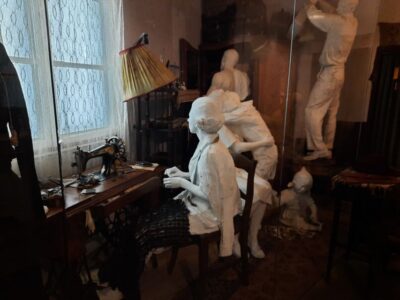
Schindler’s Factory Tour with Entrance Ticket
Read our review →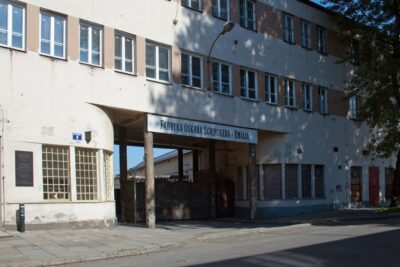
Schindler’s Factory Tour with Entrance Ticket
Read our review →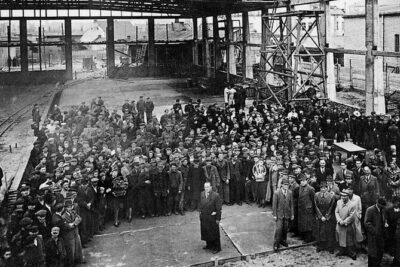
Schindler’s Factory in Krakow: Guided Tour & Skip the Line Ticket
Read our review →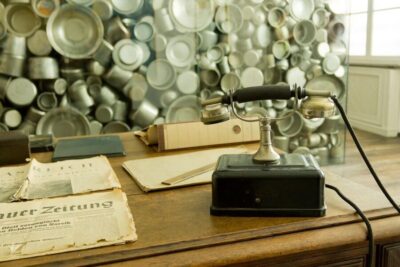
Schindler’s Factory Ticket with Guided Tour Option
Read our review →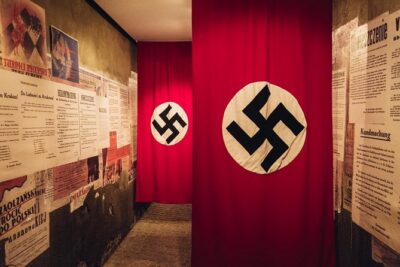
Krakow Schindler’s Factory Guided Tour with Admission Ticket
Read our review →Browse the lists this tour appears in