
Reviewed · WWII TOURS
Gdansk: Gdansk, Sopot and Westerplatte Private Guided Tour
Hitler-era sites are woven into a five-hour route through Poland’s Tricity region, with Sopot, Gdansk, and Westerplatte each showing a different side of the WWII story. You’ll walk through Sopot, explore Gdansk Old Town, and reach the coast by private vehicle rather than piecing the day together with public transport.
I like the mix of major sights and focused history, especially the former Kasino-Hotel in Sopot and the Westerplatte defensive site. I also like the private format, which gives you hotel pickup, a dedicated guide, and transfers between places. The main drawback is the price, $243 per person, which makes the tour easier to justify for a small private group than for a solo visitor.
Key points to know
- Sopot opens the day with architecture and Hitler-era history, including the former Kasino-Hotel and the famous pier.
- Gdansk Old Town adds classic city sights, including Arthur’s Court and Piwna Street.
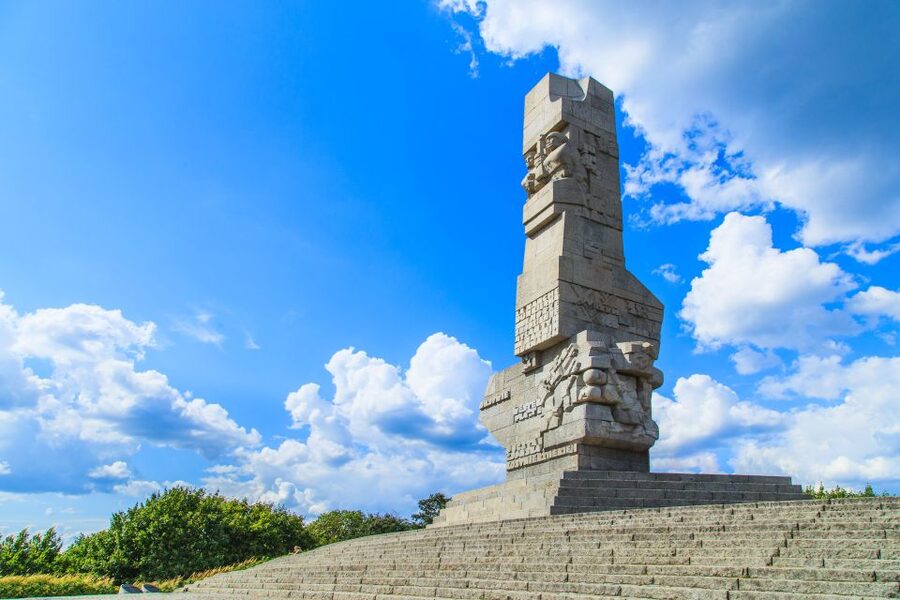
- Westerplatte brings the story to its final setting, with a large monument honoring the Defenders of the Polish Coast.
- A private vehicle links the three stops, saving you the trouble of arranging transport.
- The five-hour schedule is compact, so you get a clear WWII theme without giving up a full day.
- The experience is available in nine languages and can accommodate wheelchair users.
Why this Tricity WWII route works
This is not a general sightseeing tour with a few war references added at the end. The route is built around places connected with Hitler and WWII, then uses Sopot and Gdansk’s grand architecture to show how the region looked before, during, and around the conflict.
You begin in Sopot, continue to Gdansk Old Town, and finish at Westerplatte. That order gives the day a useful rhythm. Sopot is a calm opening with a walk and seaside views. Gdansk brings the city’s historic streets and buildings. Westerplatte is the most direct military stop and gives the tour a strong closing point.
I like that the experience does not limit the subject to museums or indoor displays. You see the streets, waterfront, buildings, and memorial site connected with the story. That makes the past easier to picture, though it also means the quality of the day depends heavily on how clearly your guide explains what you are seeing.
The experience has a 4.8 rating from four ratings, with its strongest praise focused on being well structured, interesting, and entertaining. Those are useful qualities here. The itinerary has several locations, and a good guide needs to keep the connections clear rather than simply point at buildings and repeat dates.
More WWII Tours in Gdansk
- Gdansk: Guided Round-Trip Cruise to Westerplatte
★ 4.3 · 865 reviews - Gdansk: Stutthof Concentration Camp Regular Tour
★ 4.7 · 361 reviews - Stutthof Concentration Camp English Tour with Gdansk Hotel pickup
★ 4.5 · 73 reviews
Sopot and the former Kasino-Hotel
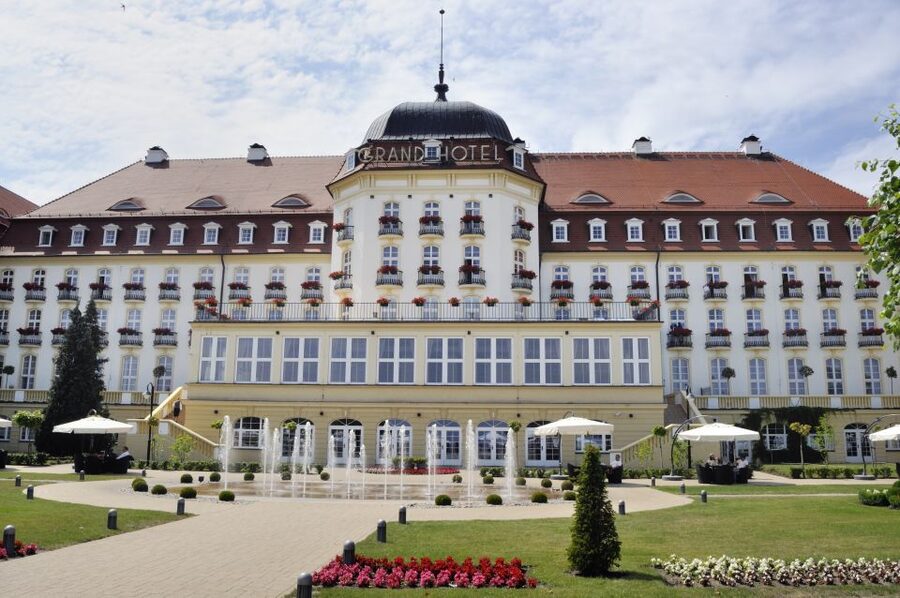
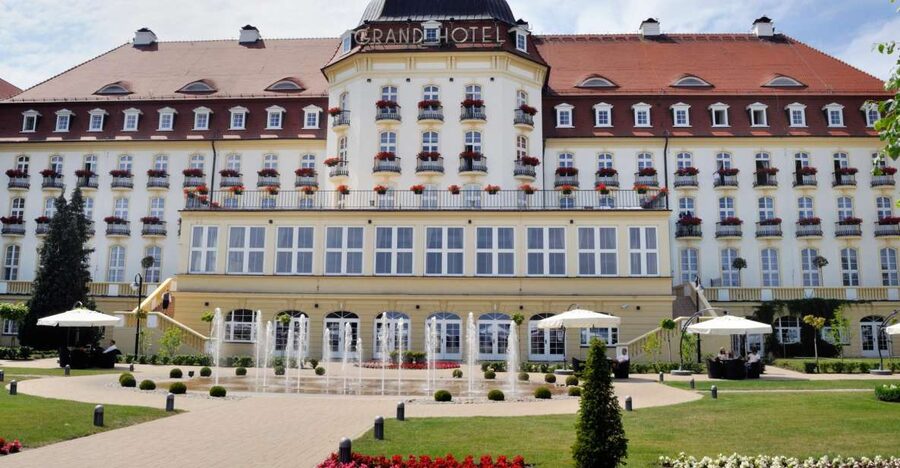
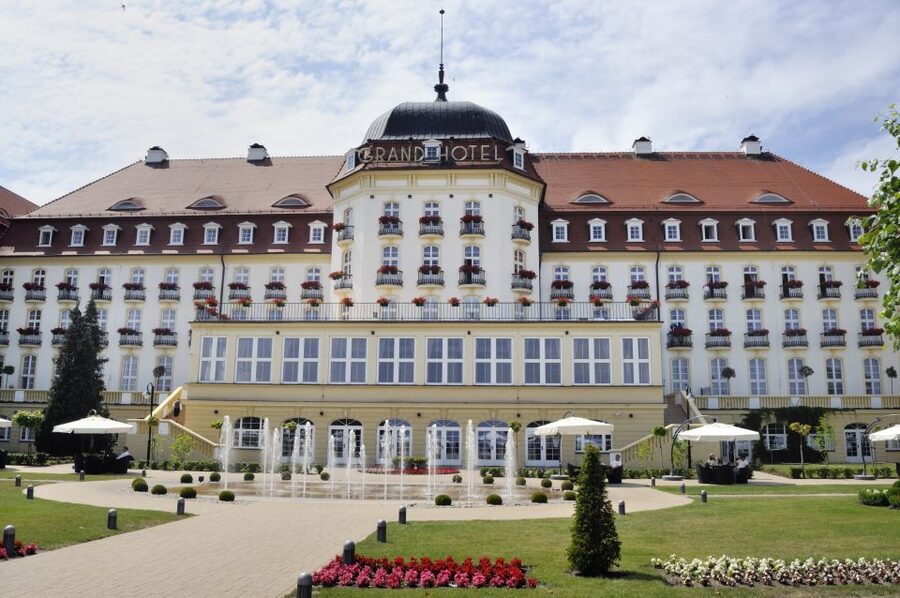
Sopot is the gentlest part of the route. You begin with a walking tour through the resort city, looking at its impressive architecture before moving toward the former Kasino-Hotel.
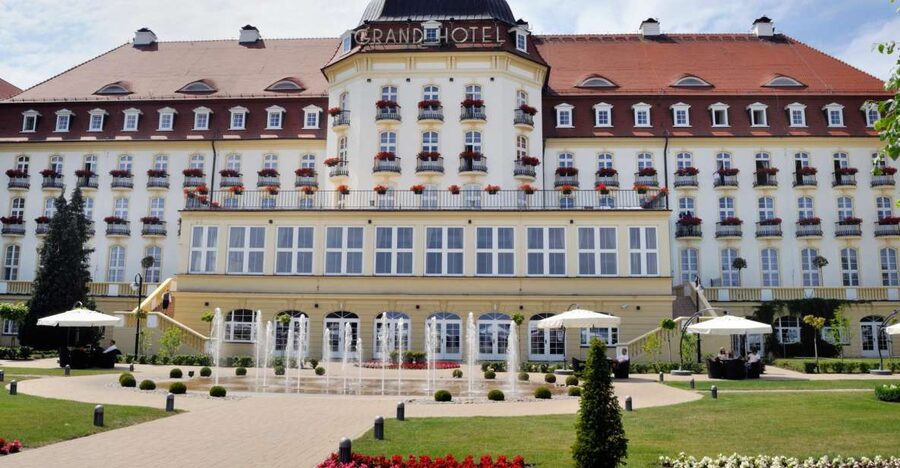
The hotel matters because Hitler stayed there during the capitulation of the Polish army. That detail gives the building a direct link to the WWII story, but it also creates a useful point of caution. You are seeing a place connected to a political and military figure, not a museum devoted entirely to him. The guide’s explanation is what turns the building from an attractive old hotel into a meaningful historical stop.
I appreciate the contrast here. Sopot is known for its resort character and seaside promenade, yet the tour asks you to look at it through a wartime lens. You can take in the architecture while learning how the city fit into the events of the period.
After the hotel, you walk to Sopot Pier. The pier sits opposite the hotel and offers a peaceful change of pace. It is also a practical chance to look back at the waterfront setting rather than spend the entire morning focused on military sites.
Entry to the pier is optional and costs 2 EUR seasonally. That small extra charge is not included in the tour price, so keep it in mind if you want the full walk. If the pier fee is not worthwhile to you, the rest of the Sopot portion still includes the architectural walk and the hotel stop.
The Sopot section should suit you if you prefer history with some breathing room. It is less stark than Westerplatte and gives you time to settle into the topic before the route turns to Gdansk’s Old Town.
Gdansk Old Town through a WWII lens
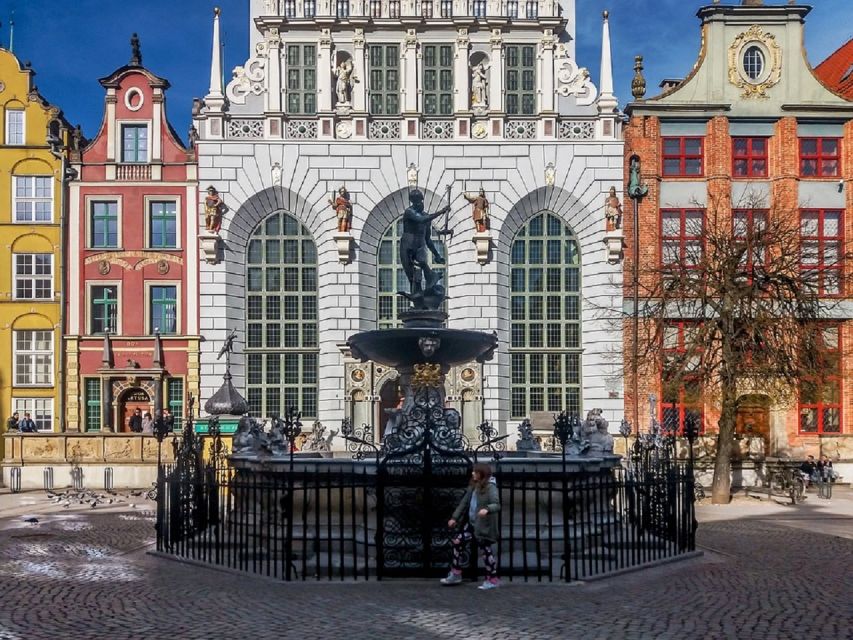
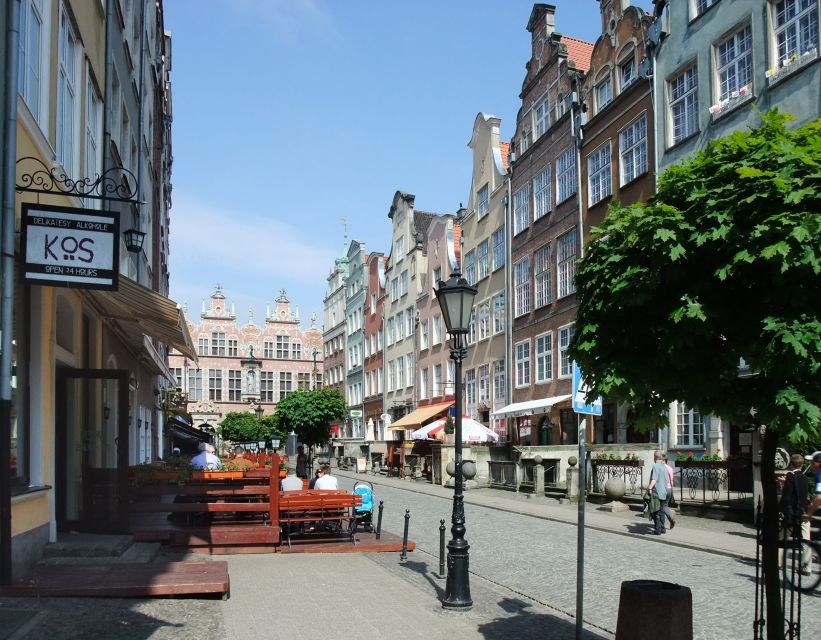
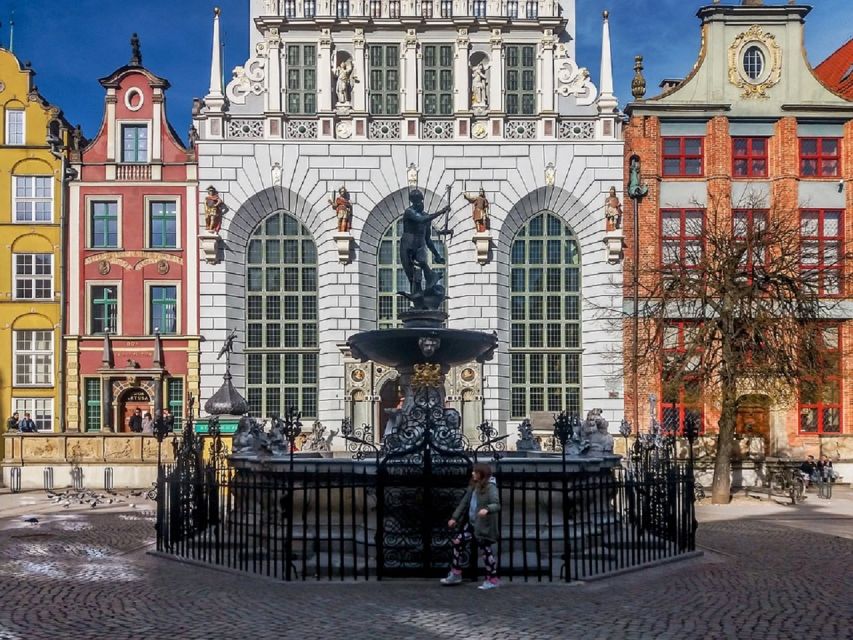
The next stop is a guided walk around Gdansk Old Town. This is where the tour broadens its scope. You are not only looking for wartime remains. You are also seeing some of the city’s most recognizable historic buildings, including Arthur’s Court.
Arthur’s Court is an important visual anchor in the Old Town. The building gives you a sense of the city’s formal, grand architectural character, while the guide adds the WWII connections that are less obvious at first glance.
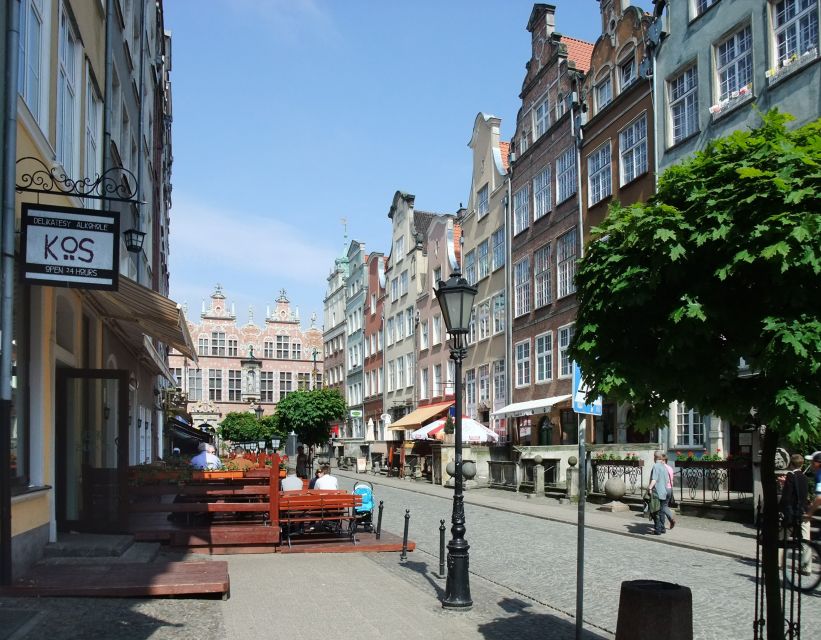
Piwna Street is one of the specific places linked to Hitler’s visit. The tour uses the street to explain how he was greeted in Gdansk years ago. That detail helps connect a familiar pedestrian street with the political mood and public events surrounding the period.
This section is likely to be the most rewarding part for people who want both city sightseeing and historical context. You can enjoy the buildings and streets even if you are not a specialist in WWII. At the same time, the tour gives those places an added layer that you would likely miss on a simple Old Town walk.
The tradeoff is that Gdansk Old Town can pull your attention in several directions. There is plenty to look at, and a five-hour tour cannot pause at every building or explain every stage of the city’s past. I would treat this as a focused introduction rather than a complete history of Gdansk.
The guide’s role is especially important here. The experience is offered in Polish, German, English, Russian, Italian, Spanish, French, Norwegian, and Swedish. You should select the language that lets you follow political and military details without strain. The available information does not provide individual guide names, but it does specify a licensed guide for the private tour.
Westerplatte and the Defenders of the Polish Coast
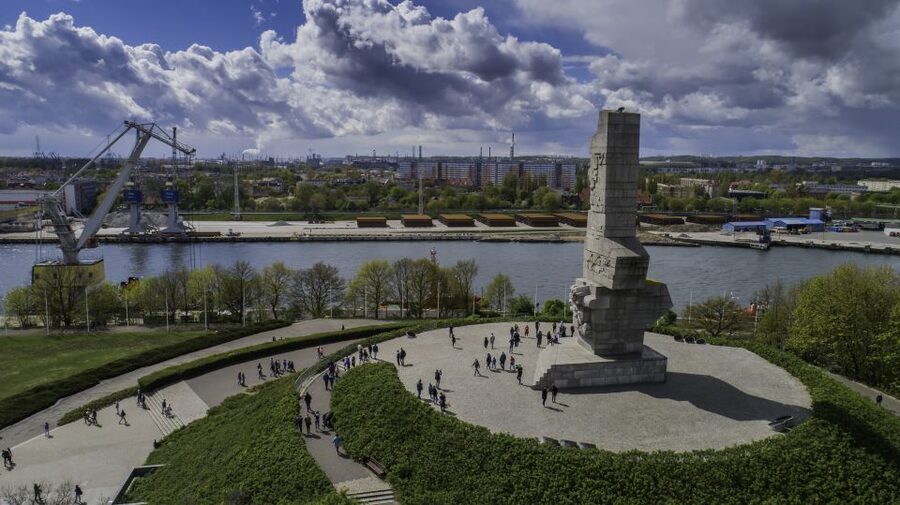
Westerplatte is the final stop, and it gives the itinerary its clearest military focus. The site was also visited by Hitler, who was surprised that the Polish army managed to defend the city against the Germans for as long as it did.
That detail makes Westerplatte more than a quick photo stop. The location represents resistance and endurance, and the large monument honors the Defenders of the Polish Coast. You can expect the guide to place the site within the wider WWII story and explain why it remains important in Polish memory.
I like finishing here. The route moves from a hotel and resort pier, through the streets of Gdansk, to a memorial site tied directly to defense. The change in setting helps the subject become more serious without making the whole tour feel heavy from the first minute.
The monument is the main visual feature named for this stop. Since the tour information does not promise a museum visit or a particular set of interior exhibits, you should book it for the outdoor site, the guide’s interpretation, and the chance to see the memorial in person.
Weather matters more at Westerplatte than during the Old Town portion. Much of the value comes from being at the site and taking in the monument, so bring suitable clothing for an outdoor visit. That is simple advice, but it can make a real difference on a coastal stop.
Same city, a completely different kind of day:
- Gdansk: City Cruise on Historical Polish Boat
★ 4.8 · 2,913 reviews - Gdańsk: Sunset Cruise on a Historic Polish Boat
★ 4.9 · 977 reviews - Gdańsk City Sights & History Guided Walking Tour in English
★ 4.8 · 876 reviews - Gdansk: Firearm Shooting Experience with Instructor
★ 4.8 · 866 reviews
What the private vehicle adds
The private vehicle is one of the most practical parts of the experience. You receive pickup and drop-off from accommodation in Gdansk or Sopot, then travel between the three areas without arranging separate taxis, trains, or buses.
That matters because Sopot, central Gdansk, and Westerplatte are distinct stops. Public transport may be possible, but organizing it around a fixed historical route would take time and could leave you watching the clock. Here, the transportation is built into the private tour.
A private group also gives the day a more personal feel than a large coach excursion. You can focus on the guide’s explanation without trying to keep up with a large crowd. The tour is described as available for a private group, though the supplied information does not specify the maximum group size.
The vehicle does not eliminate walking. You walk in Sopot, stroll on or near the pier if you choose to enter it, tour Gdansk Old Town on foot, and explore the Westerplatte site. Think of the vehicle as the link between walking sections, not as a way to avoid walking altogether.
The route lasts five hours, so the pace should be purposeful. You will see three places, but you will not have unlimited free time in each one. If you want long meals, extensive shopping, or detailed independent visits inside several attractions, this may feel tight.
Is $243 per person a fair price?
At $243 per person, this is not a budget sightseeing option. The value comes from the combination of a private licensed guide, hotel pickup and drop-off, private transportation, and a route covering three separate places.
For a couple, family, or small private group that wants a dedicated WWII theme, the price may make sense. You are paying for convenience and interpretation as much as for the stops themselves. The private format also removes much of the planning work.
For one person or a larger group paying individually, the cost deserves more thought. You could visit parts of Gdansk and Sopot independently for less, but you would not receive the same single-day route, private transfers, or focused commentary. The question is not simply how much the sites cost. It is how much you value having the historical connections explained as you move between them.
The tour includes no entrance fee for Sopot Pier. That costs 2 EUR seasonally if you choose to enter. No other optional entrance fees are identified, so do not assume that the tour price covers attractions beyond the listed guided visits and transport.
The five-hour length helps keep the price from feeling like a full-day commitment. You get a clear theme and several major locations, then still have time left in your schedule for another activity or an evening in Gdansk.
Who will get the most from this tour?
I would recommend this for you if WWII history is a major reason for visiting Pomerania, but you also want to see Sopot and Gdansk rather than spend the entire day at one military site.
It is also a good fit if you value convenience. Pickup from your accommodation in Gdansk or Sopot removes a common source of stress, and the private vehicle keeps the three-part route manageable.
Families and mixed-interest groups may appreciate the balance. Someone interested in history gets the Hitler and WWII connections, while someone more interested in architecture gets Sopot’s buildings, the pier, Arthur’s Court, and Gdansk Old Town.
You may want a different plan if you prefer a slow, self-guided day. The schedule is organized and focused, not loose. You should also think twice if you want extensive indoor museum time, since the supplied itinerary centers on walking tours, streets, the pier, Westerplatte, and the monument.
The tour is wheelchair accessible, which makes it worth considering for visitors who need that feature. Still, the information provided does not detail the exact accessibility conditions at every stop, so you should confirm any specific mobility needs before booking.
Practical details before you reserve
Pickup and drop-off are included from accommodation in Gdansk or Sopot. Starting times depend on availability, so check the date and time options before you commit to other plans.
You can cancel up to 24 hours in advance for a full refund. The reserve-now, pay-later option also lets you hold a place without paying at the time of booking, which is useful when your schedule is still changing.
The tour is available with live guidance in nine languages: Polish, German, English, Russian, Italian, Spanish, French, Norwegian, and Swedish. A private group option is available, and the activity is listed as wheelchair accessible.
Bring comfortable footwear. Even with private transport, the main stops involve walking through Sopot and Gdansk Old Town, plus time at Westerplatte. If you want to include Sopot Pier, allow for the seasonal 2 EUR entry fee.
Should you book this Gdansk, Sopot, and Westerplatte tour?
Book it if you want a private, tightly planned WWII route with hotel pickup and a guide who can connect buildings, streets, and memorials across the Tricity area. The strongest parts are the clear structure, the contrast between Sopot and Westerplatte, and the convenience of private transfers.
Skip it if $243 per person feels too high for a five-hour outing, or if you want a leisurely city tour with lots of unstructured time. For the right budget and interest, though, this is an efficient way to place Gdansk’s WWII story into the streets and sites where it unfolded.
FAQ
How long does the tour last?
The tour lasts five hours.
Where does pickup take place?
Pickup and drop-off are available from your accommodation in Gdansk or Sopot.
Which places does the tour visit?
The route includes Sopot, Gdansk Old Town, and Westerplatte.
Is the Sopot Pier entrance included?
No. Entry to Sopot Pier is optional and costs 2 EUR seasonally.
What can I see in Sopot?
You can see Sopot’s architecture, the former Kasino-Hotel where Hitler stayed, and the famous pier opposite the hotel.
Which Gdansk Old Town sights are included?
The guided walk includes places such as Arthur’s Court and Piwna Street, which is linked to Hitler’s reception in Gdansk.
What is the main sight at Westerplatte?
The tour visits the large monument built in memory of the Defenders of the Polish Coast.
What languages are available?
Live guides are available in Polish, German, English, Russian, Italian, Spanish, French, Norwegian, and Swedish.
Is the tour wheelchair accessible?
Yes, the activity is listed as wheelchair accessible.
Just added around Gdansk
- Gdansk and Malbork Castle Small Group Tour from Warsaw with Lunch★ 4.5 · 20 reviews
- Westerplatte private tour led by Expert-Guide (door to door)★ 5.0 · 5 reviews
- Whisky Tasting in Gdańsk★ 5.0 · 3 reviews
- Gdansk EVERYDAY Vodka Tasting Tour★ 5.0 · 6 reviews
- Westerplatte – 2h private trip by luxury car|★ 5.0 · 4 reviews
- Private WW2 Tour of Westerplatte,Gdansk and Stutthof Including Lunch★ 5.0 · 12 reviews
- Aiport Gdansk Transfer to Malbork Castle or Stutthof★ 5.0 · 3 reviews
- 5 hours Individual trip to the Stutthof Concentration Camp★ 5.0 · 5 reviews
WWII Tours, compared.
Warsaw for WWII Buffs – private tour with hotel pickup
Read our review →
Treblinka Death Camp 6 Hour Private Tour from Warsaw
Read our review →
Stutthof Concentration Camp English Tour with Gdansk Hotel pickup
Read our review →Browse the lists this tour appears in