
Reviewed · GDANSK SHIPYARD TOURS
Gdansk Private Communism Tour with Solidarity Center Museum
Gdansk’s shipyards are where Poland’s fight against communist rule became a force felt across Eastern Europe. This private tour connects the 1970 workers’ monument, the old shipyard, Sala BHP, and the European Solidarity Centre so you can see both the places and the people behind the change.
I like the private format, since you can ask direct questions about Lech Walesa, Anna Walentynowicz, and daily life in communist Poland. I also like the choice of a shorter or longer tour, plus a Polish vodka toast on the four-hour option.
The main caution is timing. One booking was said to finish after three hours instead of four, and another guide arrived 20 minutes late. If the museum matters most to you, make clear at the start that you want enough time inside.
Key points to know before booking
- The shipyard is the real classroom: You walk through the places where workers organized strikes that challenged Poland’s communist government.
- The four-hour option offers the fuller story: It adds Sala BHP, more time at the Gdansk Shipyard, a vodka shot, and the European Solidarity Centre.
- The museum visit is the strongest indoor section: You see the original 21 Postulates and documents from the struggle for free elections.
- This is a true private tour: Only your own group takes part, with a licensed guide speaking your chosen language.
- Hotel pickup has a tight limit: Pickup is offered only within 1.5 kilometers of the meeting point in Gdansk Old Town.
- Do not book the shipyard portion for a weekend: Gdansk Shipyard is closed on Saturdays and Sundays.
Why Gdansk’s shipyards matter
The story here is bigger than one Polish city. After World War II, Poland sat behind the Iron Curtain, under a communist government tied to the Soviet Union. Workers had limited political power, shortages were common, and protests could bring harsh punishment.
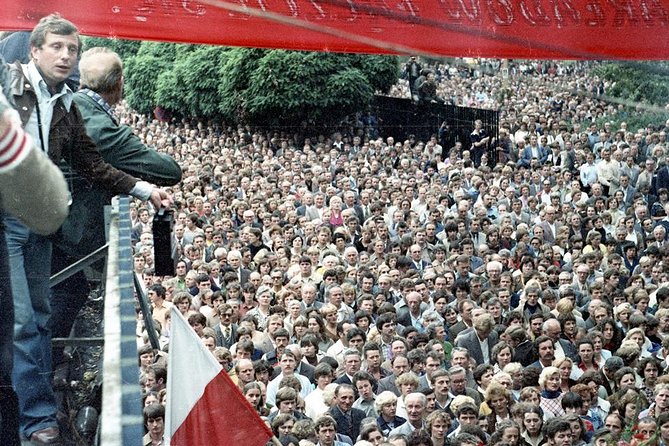
Gdansk became the place where ordinary shipyard workers pushed back in an organized way. In 1980, about 17,000 ship builders joined civil resistance at the Gdansk Shipyard, then known as the Lenin Shipyard. Their demands were not limited to wages. They called for independent trade unions, freedom of expression, and greater rights for workers.
That is why this tour works best when you want context, not just sightseeing. The buildings and monuments matter because they are linked to strikes, negotiations, arrests, and political change. A guide can explain those links as you move through the area, rather than leaving you to piece them together from museum labels.
The tour also brings in figures such as Lech Walesa and Anna Walentynowicz. Walesa became the best-known face of Solidarity, while Walentynowicz was a shipyard worker whose dismissal helped trigger the 1980 strike. You will also hear about other people who helped organize the movement and carry it beyond the shipyard gates.
More Museum Tours in Gdansk
- Gdansk: Private Communism Tour with Solidarity Center Museum
★ 5.0 · 28 reviews - Museum of the Second World War Gdansk Private Tour & Tickets
★ 5.0 · 24 reviews - Gdansk Private WWII Tour with Museum of the Second World War
★ 4.9 · 22 reviews
Meeting the guide at the 1970 monument
The usual starting point is the Monument to the Fallen Shipyard Workers of 1970 at Plac Solidarności. The meeting point is easy to identify, and the tour begins with a short look at the monument itself.
Three tall crosses form the center of the memorial, which honors workers killed during protests in December 1970. The opening section is brief, about 10 minutes, but it gives you the key fact needed for the rest of the visit: the shipyard’s 1980 strike did not appear out of nowhere.
The earlier protests were sparked by rising prices and economic pressure. The government’s response included violence, and the memory of those deaths remained powerful among shipyard workers. Your guide uses the monument to explain why the 1980 movement carried such emotional weight.
This is also where you should clarify the schedule. Ask how long the group will spend at the European Solidarity Centre and whether you are taking the two-hour or four-hour version. That small conversation can help prevent the museum visit from feeling squeezed at the end.
If your hotel is in Gdansk Old Town and within 1.5 kilometers of the meeting point, pickup may be arranged. Otherwise, you meet the guide at Plac Solidarności. Pickup outside that area is not included, and the route may be changed if your accommodation does not fit the stated limit.
Anna Walentynowicz and the people behind Solidarity
The next stop is the monument to Anna Walentynowicz. You spend about 20 minutes here, learning about Walentynowicz, Walesa, and others who helped lead the strikes.
This part is valuable because it keeps the story from becoming a single-hero tale. Walesa is central, but Solidarity depended on many workers, organizers, and supporters. Walentynowicz’s role shows how a dispute involving one employee could widen into a movement with national consequences.
A private guide is particularly useful at this point. You can ask how the strikes were organized, why the workers’ demands reached beyond the shipyard, and how the movement affected other countries in Eastern Europe. The tour is available in nine European languages, so you can choose the language that lets you follow political details without translation fatigue.
One guide named in the feedback is Aneta, who was described as a friendly and passionate local guide. That fits the nature of this route: the subject is easier to grasp when someone who knows Gdansk can explain not only the dates, but also why these locations still matter to the city.
Sala BHP and the agreement signed in 1980
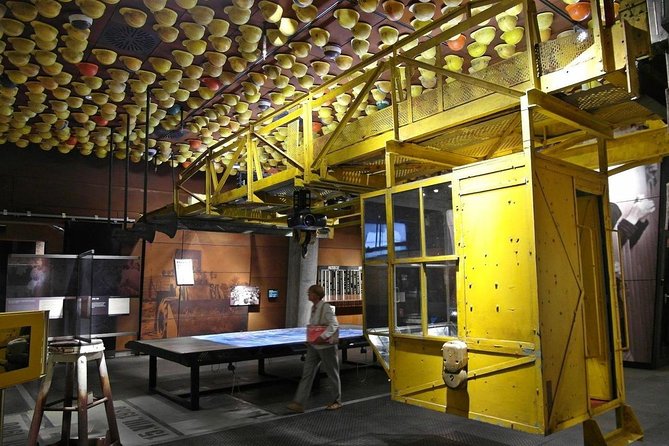
Sala BHP is the most important historical interior on the longer route. The name refers to the former worker protection center of the Gdansk Shipyard, and this is where the Gdansk Agreement was signed on August 31, 1980.
You have about an hour here on the four-hour tour. The setting helps connect the workers’ demands with the negotiations that followed. Instead of hearing only that Solidarity was founded, you can learn where the agreement took shape and why the document became such a turning point.
Your guide also explains the Polish People’s Republic, commonly called the PRL. That background is useful if your knowledge of communist Poland is limited. The tour can cover how the state was organized, what daily life was like under the system, and why independent worker action was such a serious challenge to the authorities.
The stop also returns to the Solidarity Square and the tragic events of 1970. That repetition is helpful rather than redundant. You see how the earlier deaths shaped the later movement, and how memorials, agreements, and political change are tied together in one small part of Gdansk.
The official program lists free entry to Sala BHP on the four-hour option. If you choose a shorter tour, do not assume you will receive the same amount of time here. Ask exactly what is included before you pay, since the two-hour and four-hour versions do not offer the same route.
More Gdansk Shipyard and Solidarity tours:
- Sunset on the Shipyard and Old Town Evening Cruise
★ 4.5 · 86 reviews - Solidarity Tour
★ 5.0 · 25 reviews - Segway Tour Gdansk: Shipyard Tour – 1,5-Hour of Magic!
★ 4.4 · 16 reviews - Gdansk: European Solidarity Centre Guided Tour
★ 4.9 · 14 reviews
Walking through the Gdansk Shipyard
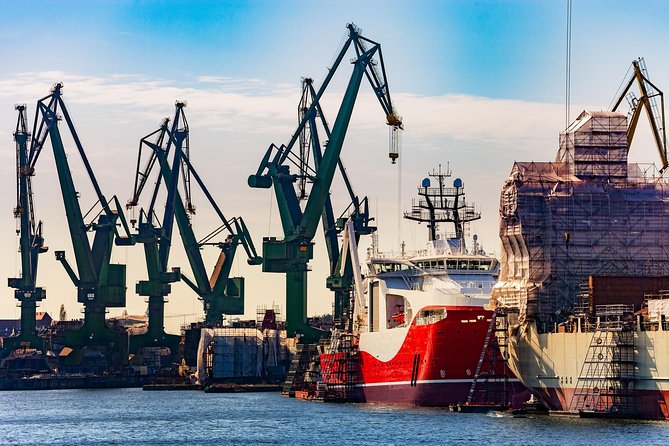
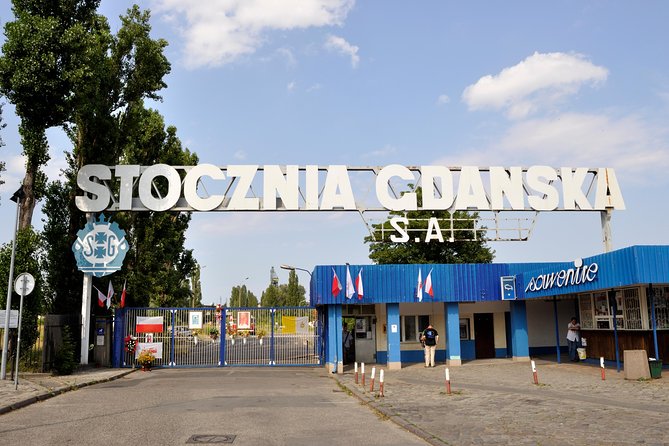
The final outdoor stop is Stocznia Gdanska, the Gdansk Shipyard. This is where the workers’ resistance began in 1980, and it gives the tour its strongest sense of place.
Shipyards are working environments rather than polished monuments, so do not expect every part of the walk to feel like a formal museum. The value is in understanding what happened here. The docks and industrial setting help you picture the scale of the workforce and the practical setting in which the strikes took place.
The guide explains how roughly 17,000 ship builders took part in civil resistance against the communist regime. That number matters. Solidarity was not a small protest led by a few public figures. It involved a major workforce and became a national movement.
The four-hour option includes a shot of traditional Polish vodka. It is a small touch, but it suits the local setting and gives the group a simple social moment after a serious subject. You should not book the tour for the drink, but it can make the end of the walk feel less formal.
Pay attention to the day of your visit. Gdansk Shipyard is closed on Saturdays and Sundays, so the shipyard section is not available then. The tour information specifically warns about this closure, making a weekday booking the safer choice if seeing the site itself is important to you.
What you see at the European Solidarity Centre
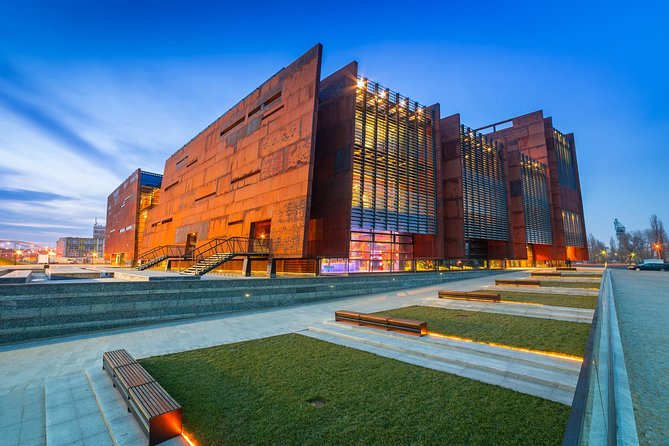
The European Solidarity Centre is the main museum portion of the experience. The four-hour option includes skip-the-line entry, and you spend about an hour inside.
The museum follows Solidarity step by step. You see the original Tables of 21 Postulates, the written demands made by striking workers at the Lenin Shipyard, now Gdansk Shipyard. These demands help explain why the movement was more than a protest over pay or working conditions.
You also see documents and photographs connected with the strikes, the 1989 Round Table Talks, and Poland’s first pluralistic election since 1947. Together, these materials show how a labor dispute grew into a challenge to one-party rule, then helped bring democratic politics back to Poland.
The museum is excellent for visitors who want a clear sequence of events. It also supplies the wider Eastern European context. The tour begins with Gdansk, but the museum helps you understand how the movement affected the end of communist power across the region.
I would protect enough time for this section. One booking described the experience as rushed and said the group had less time than expected at the museum. That is the most useful warning attached to this tour. If you are choosing between a quick overview and a fuller historical visit, choose the four-hour option and tell the guide you want to use the full museum hour.
The skip-the-line ticket is helpful, but it does not mean the museum should be treated as a quick add-on. The exhibits contain documents, photographs, and political details that reward a slower pace. You may want to ask your guide which displays are essential if your time is limited.
Two hours or four hours?
The duration choice changes the experience more than the price label might suggest. The shorter option suits you if you want an introduction to Solidarity, a walk around the principal sites, and a quicker museum visit.
The four-hour option is the better choice for most first-time visitors who care about the subject. It includes:
- The Monument to the Fallen Shipyard Workers of 1970
- The Anna Walentynowicz monument
- Sala BHP
- The Gdansk Shipyard
- The European Solidarity Centre
- A Polish vodka shot
- Skip-the-line museum entry
The route is listed as lasting about two to four hours, depending on the version selected. Since the shipyard is closed on weekends, the exact route can also depend on your date.
At $139.10 per person, this is not a budget walking tour. The price makes more sense for a small private group that wants a guide in a specific language, hotel pickup within the stated area, and help interpreting a complicated political story. If you are traveling alone, the cost is harder to justify. If several people share the private booking, group discounts may improve the value.
The main value is not transportation. You are paying for a private guide, historical explanation, and access to several connected sites. If you only want to see the monuments from the outside, a self-guided walk will cost less. If you want to understand the causes, personalities, and consequences of the strikes, the guide adds much more.
Who will get the most from this tour?
I would recommend it to anyone interested in twentieth-century Europe, democratic movements, labor history, or the end of communism. It is also a strong choice if you have visited Gdansk’s medieval center and want to understand the city’s modern identity.
The private setup suits families and small groups with different levels of background knowledge. You can ask basic questions without holding up a larger group, or spend more time on the political details that interest you.
It is less suitable if you want a relaxed sightseeing walk with little discussion. The subject includes repression, deaths, political conflict, and the pressures of life under communism. The vodka stop adds warmth, but this remains a serious history tour.
You should also be comfortable with walking between outdoor sites and museum spaces. The information provided describes a walking tour near public transportation, but it does not give a precise distance or accessibility plan. If you have mobility concerns, ask the provider before booking.
Practical advice for a smooth visit
Book on a weekday if you want the complete shipyard route. Check your email the day before, since important tour information is sent then.
Give your accommodation address when booking if you want pickup. The service is limited to Gdansk Old Town accommodations within 1.5 kilometers of the meeting point. If your hotel falls outside that area, plan to reach the monument at Plac Solidarności yourself.
Arrive on time and confirm the end point. The listed end point is Stocznia Gdanska at Doki 1. Since the route can finish at the shipyard rather than return you to your hotel, plan your next move from there.
If your guide is delayed, contact the provider rather than leaving immediately. One reported delay was 20 minutes, so a little patience may be needed. At the same time, keep an eye on the promised finish time and politely ask the guide to protect your museum visit if the schedule slips.
Cancellation is free up to 24 hours before the start time. Inside that window, the payment is not refunded, and changes are not accepted.
Should you book the Gdansk Communism Tour?
Book it if you want Gdansk’s Solidarity story explained by a private, licensed guide rather than read as a list of dates. The combination of the 1970 monument, Sala BHP, the shipyard, and the European Solidarity Centre gives you both the physical setting and the political context.
Choose the four-hour weekday option if the museum and shipyard are your priorities. It costs more time and money, but it is the version that makes the route feel complete.
Skip it if you only want a short city walk or if your schedule allows no flexibility. The occasional timing problem is worth keeping in mind. Still, for a focused look at how Polish workers helped challenge communist rule, this is one of Gdansk’s most meaningful guided experiences.
FAQ
Where does the tour begin?
It begins at the Monument to the Fallen Shipyard Workers of 1970 at Plac Solidarności in Gdansk.
Is hotel pickup available?
Pickup is available from accommodations in Gdansk Old Town located within 1.5 kilometers of the meeting point. Pickup outside that area is not included.
How long does the experience last?
The tour takes approximately two to four hours, depending on the option selected.
What is included in the four-hour option?
The four-hour option includes the European Solidarity Centre, Sala BHP, the Gdansk Shipyard, skip-the-line museum entry, and a shot of traditional Polish vodka.
Is the European Solidarity Centre included?
Skip-the-line entry to the European Solidarity Centre is included in the two-hour and four-hour options.
Can I take the tour on a weekend?
The Gdansk Shipyard is closed on Saturdays and Sundays, so the shipyard portion is not available on those days.
More Communist History Tours in Gdansk
- Krakow: Nowa Huta Guided Tour in Vintage Car
★ 4.9 · 277 reviews - Legendary Private Nowa Huta Communism Tour with Crazy Guides
★ 5.0 · 262 reviews - Nowa Huta: Steelworks Administration Buildings/Shelters Tour
★ 4.9 · 160 reviews - Private Tour: Warsaw’s Communist History by Retro Fiat
★ 5.0 · 115 reviews
Just added around Gdansk
- Gdansk and Malbork Castle Small Group Tour from Warsaw with Lunch★ 4.5 · 20 reviews
- Westerplatte private tour led by Expert-Guide (door to door)★ 5.0 · 5 reviews
- Whisky Tasting in Gdańsk★ 5.0 · 3 reviews
- Gdansk EVERYDAY Vodka Tasting Tour★ 5.0 · 6 reviews
- Westerplatte – 2h private trip by luxury car|★ 5.0 · 4 reviews
- Private WW2 Tour of Westerplatte,Gdansk and Stutthof Including Lunch★ 5.0 · 12 reviews
- Aiport Gdansk Transfer to Malbork Castle or Stutthof★ 5.0 · 3 reviews
- 5 hours Individual trip to the Stutthof Concentration Camp★ 5.0 · 5 reviews
Gdansk Shipyard Tours, compared.

Sunset on the Shipyard and Old Town Evening Cruise
Read our review →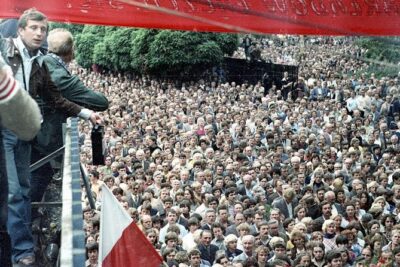
Private Communism Tour with Solidarity Center Museum
Read our review →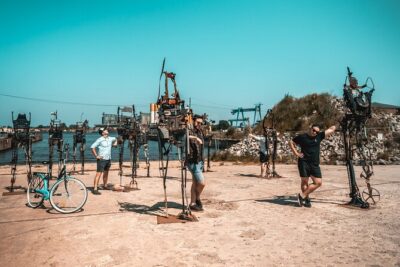
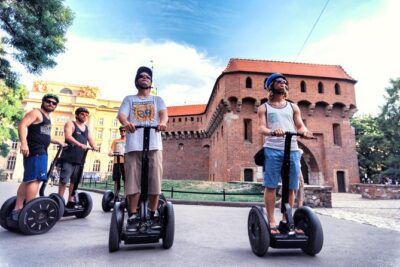
Segway Tour Gdansk: Shipyard Tour – 1,5-Hour of Magic!
Read our review →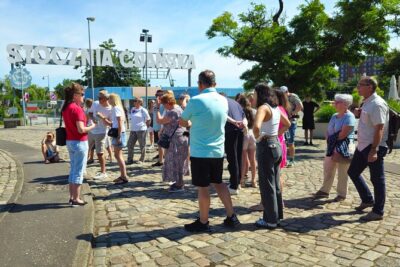

Segway Tour Gdańsk: Full Tour (Old Town + Shipyard) 3-Hour
Read our review →
Electric Scooter Tour: Full Tour (Old Town + Shipyard) 3hour
Read our review →Segway Tour Gdansk: Full Tour (Old Town + Shipyard) 3-Hour
Read our review →Browse the lists this tour appears in