
Reviewed · GDANSK SHIPYARD TOURS
Solidarity Tour
Gdansk’s Solidarity story comes alive when you leave the handsome old town and walk through the former shipyard, where workers challenged communist rule. This tour links the European Solidarity Center with Lenin Gates, Sala BHP, docks, and old warehouses, giving you both the museum story and the actual setting where events unfolded.
I like the private format, since you can ask questions and guide time can adjust to your interests. I also like the mix of a first-rate museum and gritty industrial spaces, plus the fact that admission to the European Solidarity Center is included.
The main consideration is pace. Two of the three hours are spent in the museum, leaving about an hour outdoors, and the tour operates in all weather. Wear sensible shoes and dress for Gdansk’s changeable conditions.
Key points to know before booking
- The European Solidarity Center takes about two hours, making it the main part of the experience.
- Sala BHP is the place where Lech Wałęsa signed the Gdańsk Agreement, a major moment in the movement’s story.
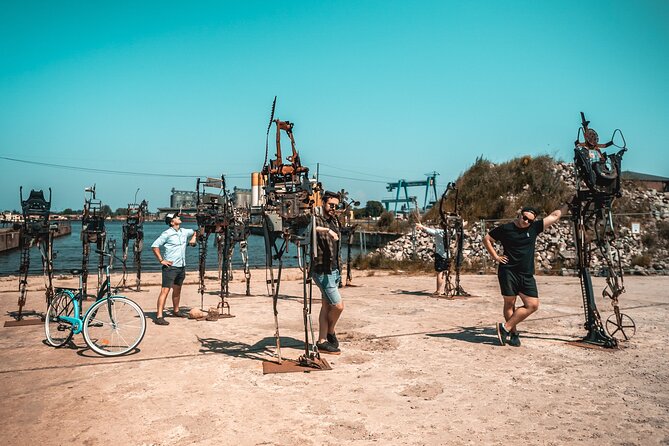
- The former Gdansk Shipyard adds the physical setting, including docks, warehouses, and areas now changing into cultural venues.
- This is a private English-language tour, so your group has the guide to itself.
- Bozena and Sebastian receive especially warm praise for their energy, personal approach, and ability to explain difficult history clearly.
- The price is $114.45 per person, with museum admission, a local guide, and beverages included.
Why this tour matters in Gdansk
Many visits to Gdansk focus on the colorful streets, church towers, and waterfront. Those sights are worth your time, but they tell only part of the city’s story. The Solidarity movement grew in the working shipyards, not in the polished center, and this tour takes you to that less touristy side of town.
The subject is Poland under communism, the workers’ struggle for greater freedom, and the wider effect of Solidarity. You will hear about the people involved, the pressure placed on ordinary citizens, and the way events in Gdansk affected Poland and other countries in Europe.
I find this setting especially useful because the history can otherwise feel distant. A museum can explain dates and political change, but standing near the shipyard gates gives the story a physical scale. You can better understand that this was a workplace, a meeting point, and a place of confrontation, not simply a chapter in a textbook.
The tour is also a good choice if you know the name Solidarity but not much else. The movement’s story has many names, agreements, political changes, and turning points. A strong guide helps put those pieces in order, which is where Bozena and Sebastian appear to be particularly effective.
More Gdansk Shipyard and Solidarity tours:
- Sunset on the Shipyard and Old Town Evening Cruise
★ 4.5 · 86 reviews - Gdansk: Private Communism Tour with Solidarity Center Museum
★ 5.0 · 28 reviews - Segway Tour Gdansk: Shipyard Tour – 1,5-Hour of Magic!
★ 4.4 · 16 reviews
Two hours inside the European Solidarity Center
The tour begins at the European Solidarity Center, at Plac Solidarności 1. Admission is included, and the museum takes about two hours, so plan on giving this stop your full attention.
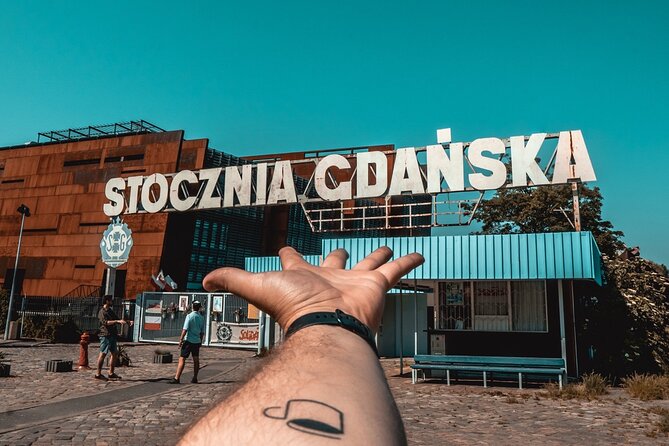
This is the main teaching portion of the tour. You will learn about the fight for a free Poland and how people coped during the difficult years of communist rule. The museum provides the background needed to understand why the shipyard mattered and why the Solidarity movement became such a powerful force.
I like the length of this visit. A quick walk through the museum would leave you with slogans and famous names but little sense of cause and effect. Two hours gives the guide time to explain the people involved, the social pressure of the period, and the impact of the movement on Gdansk and Poland.
The private setting makes a difference here. If you are unsure about a political term, a date, or the role of a particular person, you can ask at once. One guide, Sebastian, is praised for giving a large amount of information while still allowing questions. Bozena is described as energetic and able to present the subject in an engrossing, personal way.
You should also expect an emotional subject. This is not a light sightseeing stop. The story deals with repression, uncertainty, sacrifice, and the desire for freedom. That seriousness is part of its value, but you may prefer to schedule an easier activity afterward rather than rush straight into another demanding museum.
The museum admission is a useful part of the price. You are not paying only for an outdoor walk and a few historical remarks. The main indoor visit is built into the experience, giving the tour a firm foundation.
Sala BHP and the Gdańsk Agreement
After the museum, the tour moves to Sala BHP, where Lech Wałęsa signed the Gdańsk Agreement with representatives of the People’s Republic of Poland. The stop lasts about 20 minutes, and admission is free.
This is a short visit, but it carries great weight. The room is tied directly to the agreement and to the leadership of the Solidarity movement. After spending two hours learning the wider story, you can connect that information to one specific place and event.
I would listen closely here rather than expect a long guided visit. Twenty minutes is enough for context and reflection, but not enough for an extended museum-style presentation. That makes the guide’s skill important. A clear explanation can make this stop memorable; a rushed one could make it feel like a brief pause between larger attractions.
This is also where a private tour has a practical advantage. You can ask why the agreement mattered, what it changed, and how it fit into the larger struggle. The tour’s private nature means your questions do not need to match the interests of a large group.
The stop is free, but it still adds value because it is tied to a concrete moment rather than a general historical theme. You are not simply hearing that negotiations happened in Gdansk. You are visiting the place associated with a major agreement.
Walking through the former Gdansk Shipyard
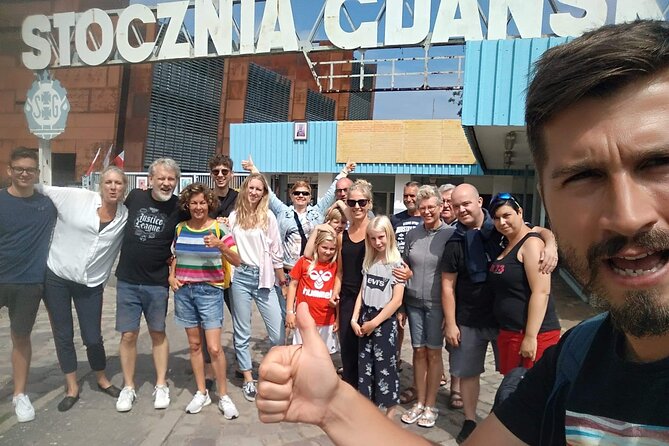
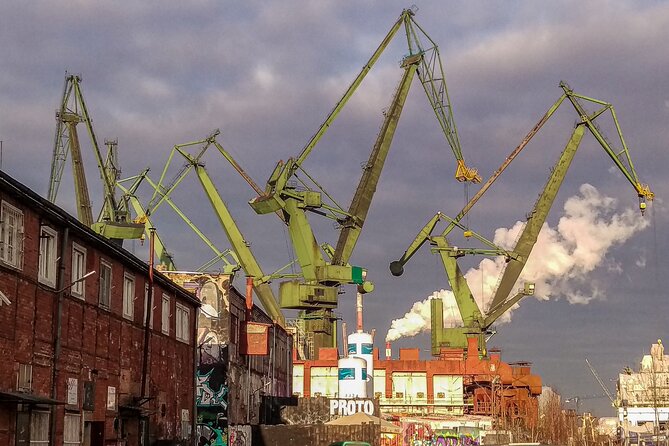
The final major part of the route takes about 40 minutes through the Gdansk Shipyard. The shipyard still functions, but the area is changing. New clubs, galleries, and entertainment centers are appearing alongside the older industrial spaces.
This portion gives the tour its strongest sense of place. The route includes less touristy parts of Gdansk, such as docks and old warehouses, and it includes Lenin Gates among the important landmarks. You get a view of a working area in transition rather than a preserved historic district arranged only for sightseeing.
That change is worth noticing. The shipyard is not presented as a frozen monument. It is still part of the city’s present, even as new uses move into the district. You may find the contrast between industrial buildings and newer cultural venues one of the most interesting parts of the walk.
The 40-minute timing is enough for an introduction to the area, but do not expect a full industrial tour. The route is focused on the Solidarity story and the atmosphere of the former shipyard. The outdoor section also depends on weather, since the experience operates in rain and other conditions.
Dress accordingly. The practical advice is simple: wear comfortable shoes, bring clothing suitable for the forecast, and remember that the walk is not confined to heated museum rooms. A moderate level of physical fitness is recommended.
A few more Gdansk half-days worth comparing
- Gdansk: City Cruise on Historical Polish Boat
★ 4.8 · 2,913 reviews - Gdańsk: Sunset Cruise on a Historic Polish Boat
★ 4.9 · 977 reviews - Gdańsk City Sights & History Guided Walking Tour in English
★ 4.8 · 876 reviews - Gdansk: Firearm Shooting Experience with Instructor
★ 4.8 · 866 reviews
The guides are a major part of the experience
The guide can make or break a history tour, and this experience receives especially strong praise for its people. Bozena is described as energetic, polite, personal, and able to tell the story in a way that makes the movement easier to understand. Sebastian is praised for his depth of information, warmth, and willingness to answer questions.
Those qualities matter because Solidarity is not a simple story. It includes workers, political leaders, agreements, conflict, and consequences beyond Gdansk. A guide needs to explain the connections without burying you in dates.
The private format should help. Only your group participates, so the guide can respond to your questions and adjust the conversation. If you already know something about Polish history, you can ask for more detail. If the subject is new to you, you can ask for the basic timeline without feeling out of place.
The personal approach also seems to be part of what makes this tour work. The strongest praise focuses not only on factual information but also on energy and human connection. That is useful to know when comparing this with a standard group walk.
One practical point is that the precise guide is not guaranteed. Bozena and Sebastian are both associated with strong experiences, but your booking information may not name the person in advance. The tour is offered in English.
What the $114.45 price includes
At $114.45 per person, this is not the cheapest way to spend three hours in Gdansk. Its value depends on whether you want a focused, private history experience rather than a general city walk.
The price includes:
- A local guide
- Admission to the European Solidarity Center
- Beverages
- A private tour for your group
The museum admission is important when judging the cost. You are getting a substantial indoor visit, not just a short talk outside. You are also paying for a private guide, which can be worthwhile if you want direct conversation and the freedom to ask questions.
Alcoholic drinks are not included, though they are available to purchase. That distinction is minor for most people, but it is useful to know what beverages the price covers.
I would recommend this more readily to couples, families with older children, friends, or small groups who care about the subject. If you are traveling alone and mainly want a low-cost introduction to Gdansk, the price may feel high. If you are sharing the cost among a private group and want focused attention, it becomes easier to justify.
The tour is often booked well ahead, with an average booking time of about 79 days in advance. That does not mean you must plan that far ahead, but it suggests you should not leave it until the last moment if your dates are fixed.
Who will get the most from this tour
This tour suits you if you want to understand Gdansk beyond its postcard center. It is especially useful if you have an interest in modern European history, political change, labor movements, or the end of communist rule.
You will also like it if you learn best through a mix of museum displays and real places. The European Solidarity Center supplies context, while Sala BHP and the shipyard connect that context to specific locations.
The private format is a good match for people who dislike large groups. It also helps families or mixed-interest groups, since the guide can explain the subject at a level that works for everyone.
I would be more cautious about booking it for very young children. The tour lasts about three hours, includes serious political history, and requires moderate physical fitness. The provided information does not give a minimum age, so families should check the booking details before reserving.
You should also consider your schedule. This is not a general overview of every major attraction in Gdansk. It is a focused visit to the Solidarity Center and shipyard area. If your main goal is medieval architecture, the old town, or a broad introduction to the city, choose a different tour or pair this one with separate sightseeing.
Practical details that affect your day
The meeting point is the European Solidarity Center at Plac Solidarności 1 in Gdansk. The tour ends back at the same meeting point, which makes it easy to plan another activity nearby afterward.
The full experience lasts about three hours. Around two hours are spent at the museum, followed by about 20 minutes at Sala BHP and 40 minutes in the shipyard area. The times are approximate, so allow some flexibility.
The tour is offered in English and operates in all weather conditions. There is no need to plan for alcohol, since alcoholic drinks are separate and available for purchase if wanted. Comfortable clothing and shoes are the sensible choice.
Free cancellation is available if you cancel at least 24 hours before the start time. Cancellations made less than 24 hours ahead are not refunded, and changes inside that window are not accepted. The cut-off follows local time.
Should you book the Solidarity Tour?
I would book this tour if you want the history behind Gdansk’s modern identity and prefer a private guide to a large group. The strongest reasons are the well-chosen sequence, the included museum admission, and the chance to ask questions throughout.
Bozena or Sebastian may add a particularly personal touch, and the private setting gives the experience room to respond to your interests. You will see the museum, the agreement site, Lenin Gates, and the former shipyard in one compact visit.
Skip it if you want a relaxed city stroll, a broad tour of Gdansk’s old town, or a low-cost activity with little walking. But if Solidarity is a gap in your understanding of Poland, this is one of the clearest ways to fill it.
FAQ
Where does the Solidarity Tour begin?
It begins at the European Solidarity Center, Plac Solidarności 1, 80-863 Gdańsk, Poland.
Where does the tour end?
The activity ends back at the European Solidarity Center, the starting point.
How long does the Solidarity Tour last?
It lasts approximately three hours.
Is the European Solidarity Center admission included?
Yes. Admission to the European Solidarity Center is included in the tour price.
What language is the tour offered in?
The tour is offered in English.
Is this a private tour?
Yes. Only your group participates in the activity.
What other places are visited?
The route includes Sala BHP and the Gdansk Shipyard. It also includes landmarks such as Lenin Gates, along with less touristy areas including docks and old warehouses.
Are beverages included?
Beverages are included. Alcoholic drinks are not included, but they are available to purchase.
What happens if I need to cancel?
You can receive a full refund if you cancel at least 24 hours before the experience start time. Cancellations or changes made less than 24 hours before the start time are not accepted for a refund.
Just added around Gdansk
- Gdansk and Malbork Castle Small Group Tour from Warsaw with Lunch★ 4.5 · 20 reviews
- Whisky Tasting in Gdańsk★ 5.0 · 3 reviews
- Westerplatte private tour led by Expert-Guide (door to door)★ 5.0 · 5 reviews
- Gdansk EVERYDAY Vodka Tasting Tour★ 5.0 · 6 reviews
- Westerplatte – 2h private trip by luxury car|★ 5.0 · 4 reviews
- Private WW2 Tour of Westerplatte,Gdansk and Stutthof Including Lunch★ 5.0 · 12 reviews
- Aiport Gdansk Transfer to Malbork Castle or Stutthof★ 5.0 · 3 reviews
- 5 hours Individual trip to the Stutthof Concentration Camp★ 5.0 · 5 reviews
Gdansk Shipyard Tours, compared.

Sunset on the Shipyard and Old Town Evening Cruise
Read our review →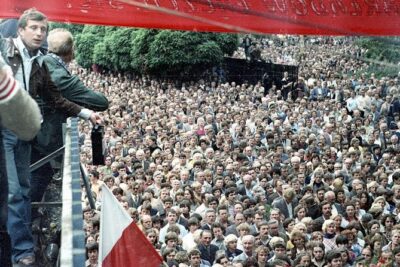
Private Communism Tour with Solidarity Center Museum
Read our review →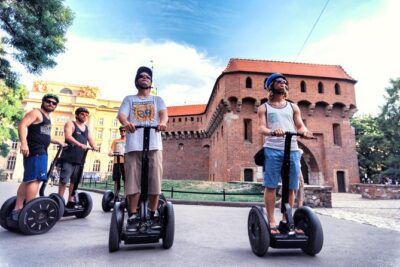
Segway Tour Gdansk: Shipyard Tour – 1,5-Hour of Magic!
Read our review →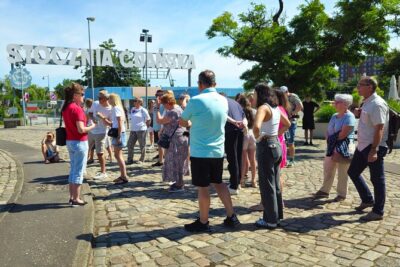

Segway Tour Gdańsk: Full Tour (Old Town + Shipyard) 3-Hour
Read our review →Gdansk Private Communism Tour with Solidarity Center Museum
Read our review →
Electric Scooter Tour: Full Tour (Old Town + Shipyard) 3hour
Read our review →Segway Tour Gdansk: Full Tour (Old Town + Shipyard) 3-Hour
Read our review →Browse the lists this tour appears in