
Reviewed · WWII TOURS
Gdansk Private WWII Tour with Museum of the Second World War
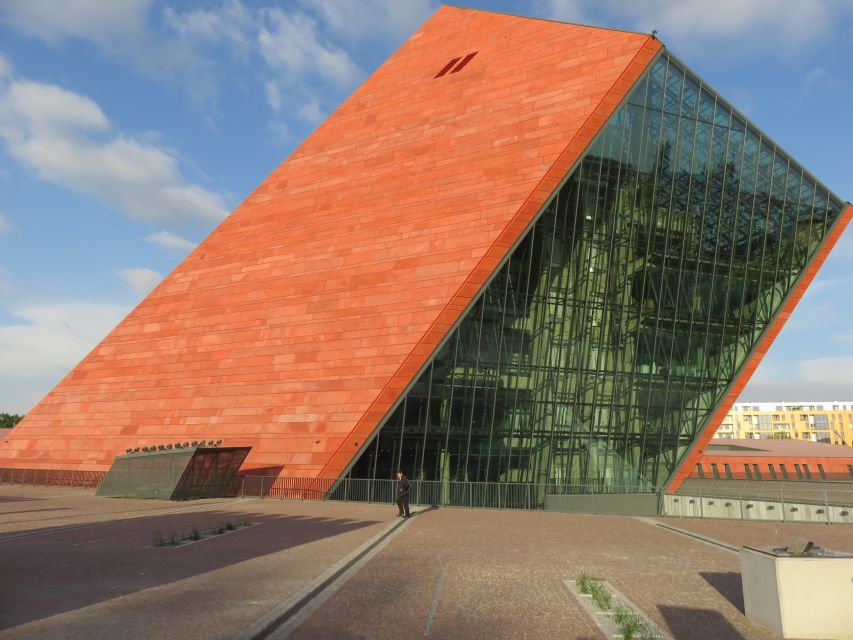
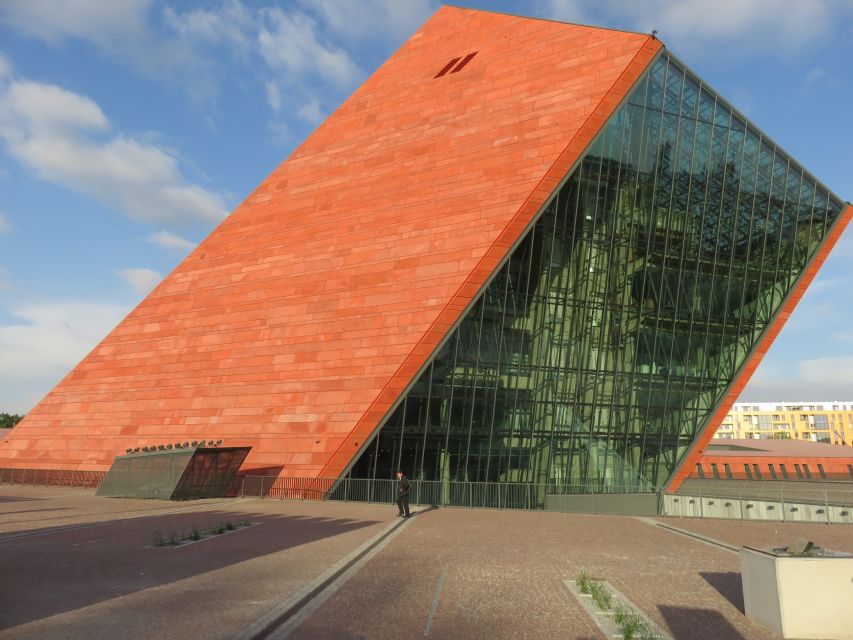
Gdansk’s Museum of the Second World War tells a large, painful story through the eyes of Poland, its civilians, and its resistance fighters. With a private guide and timed entry, you can spend less energy finding your way through the museum and more time understanding why the war began here and how its effects lasted long after 1945.
I like the private format, since you can ask direct questions and set the pace. I also like the choice between a focused two-hour museum visit and a four-hour route that adds the Polish Post Office memorial, shipyard sites, Solidarity landmarks, and a preserved air raid shelter.
The main drawback is time. The museum is huge, and even a three-hour visit may not cover everything. On the longer tour, you will also walk over uneven surfaces and steps, so comfortable shoes matter.
Key points to know before booking
- The museum visit starts at the heart of the tour: You receive a timed ticket for the permanent exhibition and avoid the ticket-office queue.
- The two-hour option stays focused: It is best if you want the museum without a longer city walk.
- The four-hour route adds modern Polish history: You connect World War II with the later struggle against Communist rule.
- Named guides bring different strengths: Krzysztof, Małgorzata, Luca, Elvira, Magdalena, and Margaret have led tours praised for clear explanations and friendly service.
- Hotel pickup is limited: Pickup is available within 1.5 kilometers of the meeting point, including hotels in Gdansk Old Town.
- This is history with emotional weight: Expect stories of invasion, occupation, resistance, civilian suffering, and the long fight for freedom.
Why Gdansk is the right place to study World War II
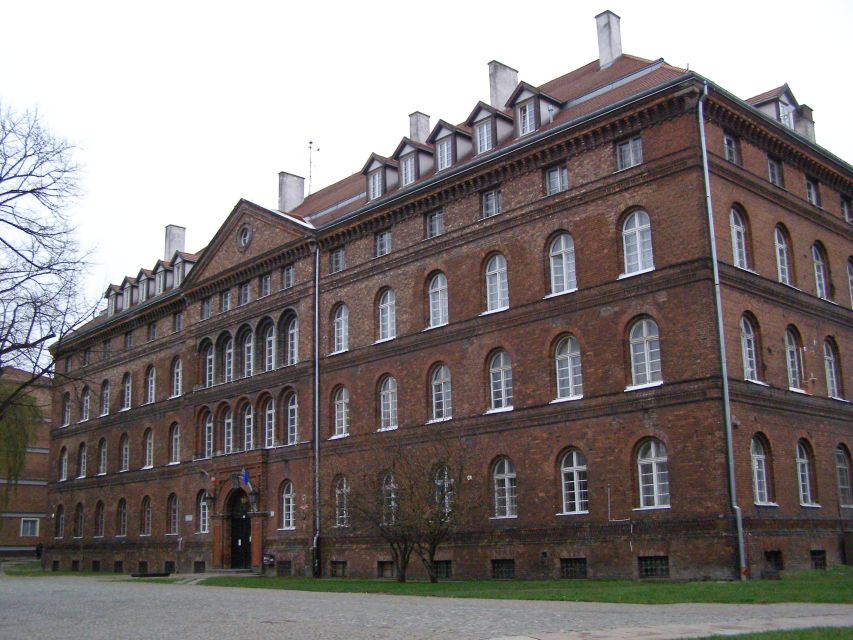
Gdansk is not just a convenient setting for a war museum. The city sits close to several events that shaped the opening days of the conflict and Poland’s later fight for independence.
The tour begins near the Museum of the Second World War at plac Władysława Bartoszewskiego 1. Your guide meets you by the monument to Witold Pilecki, a Polish resistance figure. From there, the museum gives you a broad view of the war while keeping Poland at the center of the story.
That focus matters. Many WWII museums begin with military campaigns and dates. Here, you also see what occupation meant for ordinary people, how Poland’s institutions were attacked, and why resistance took many forms. The displays connect local events to the wider war without losing sight of Gdansk and Poland.
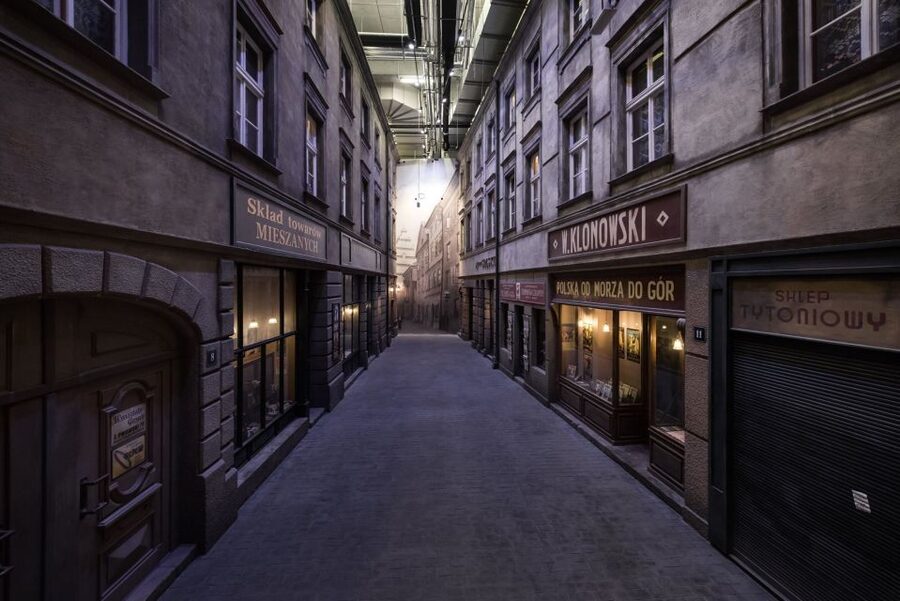
You will encounter original weapons, uniforms, photographs, documents, and personal accounts. Recreated streets help you picture daily life under wartime conditions. The subject matter is heavy, but the museum uses objects and testimony to make events easier to understand rather than presenting only a wall of dates.
More Museum Tours in Gdansk
- Gdansk: Private Communism Tour with Solidarity Center Museum
★ 5.0 · 28 reviews - Museum of the Second World War Gdansk Private Tour & Tickets
★ 5.0 · 24 reviews - Gdansk Private Communism Tour with Solidarity Center Museum
★ 5.0 · 14 reviews
Inside the Museum of the Second World War
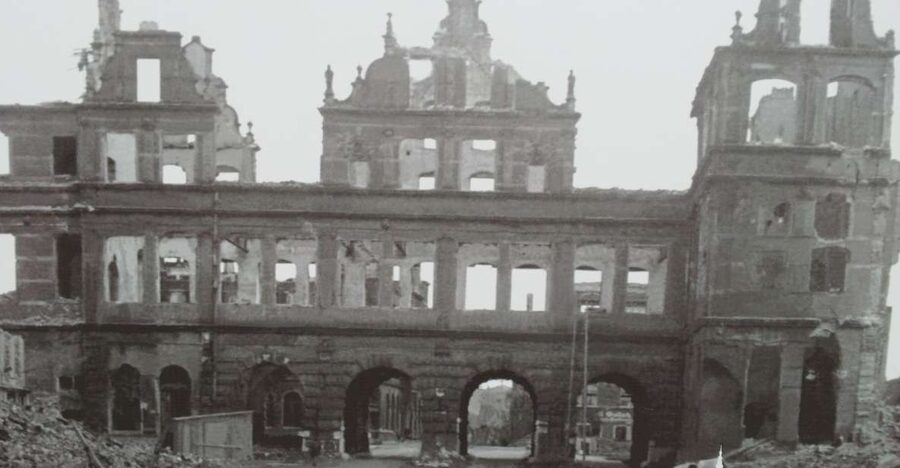
The two-hour tour is a good introduction, but it is not a full museum visit. The exhibition is large enough that you will need to accept some selectivity. Your guide chooses the sections that best explain the outbreak of war in 1939, the occupation of Poland, the resistance, and the conflict’s aftermath.
The guide’s role is especially useful here. A museum of this size can feel confusing if you walk through it alone. You may pause at a display without knowing its importance, or spend too much time early in the visit and rush the final galleries. A private guide helps you see the main thread.
You can also ask questions as they arise. That is one of the clearest advantages over a standard group visit. If you want more detail about Polish resistance, civilian life, military equipment, or postwar consequences, you can steer the discussion.
Past guides have included Krzysztof, praised for his enthusiasm and humor; Małgorzata, who led a four-hour visit in German; Luca, who was friendly and attentive; and Elvira, who helped explain the museum’s many displays. English quality can vary by guide. One booking received a very informative tour but found the guide’s English somewhat broken, so if language precision is important to you, contact Rosotravel before booking.
The museum admission covers the permanent exhibition. Your timed ticket lets you bypass the line at the ticket office, but it does not mean you can ignore the entrance procedure. Arrive on time for the reserved slot.
The two-hour option: a focused museum visit
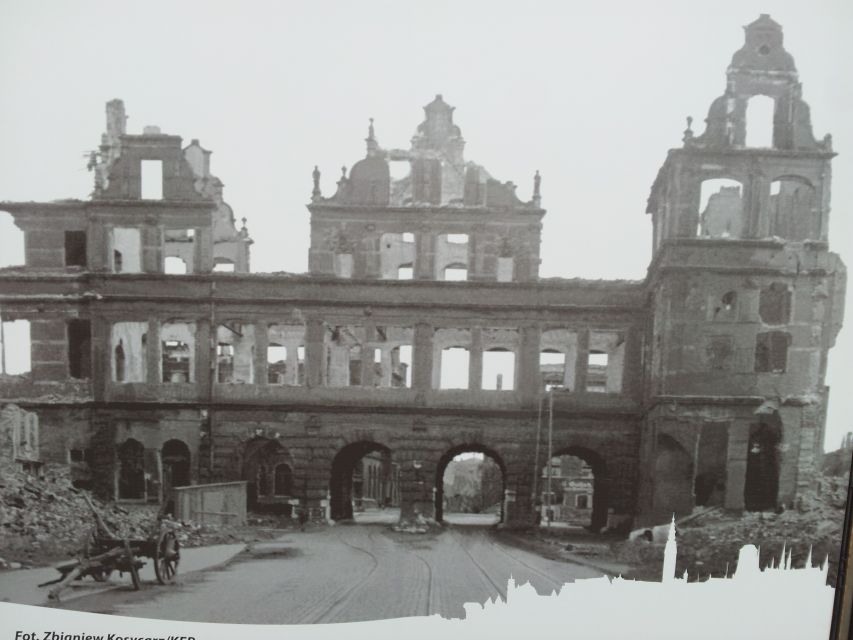
Choose the two-hour version if your main goal is the museum itself. You meet at the monument outside, receive an introduction from your guide, and then spend the bulk of the visit inside the exhibition.
This option suits you if you have a short stay in Gdansk, want to limit walking, or plan to see the city’s historic center separately. It also gives you a clear subject for the day rather than combining several difficult periods into one fast tour.
The tradeoff is simple: two hours gives you an informed route, not every gallery. Since the museum is very large, you might leave knowing the main story but still have sections you did not see. If you like to read every panel or study each artifact, allow extra time in your own schedule, if available.
The tour can sometimes run longer in practice when a group has many questions. A past booking spent about three hours in the museum and still did not see it all. That is not a flaw in the exhibition, but it shows why you should not schedule another fixed activity too tightly afterward.
The four-hour route from wartime sites to Solidarity
The longer option adds a walking tour outside the museum and gives you a wider view of Gdansk’s 20th-century story. It is not simply a longer museum visit. It links the Nazi invasion, wartime resistance, postwar Communist rule, and the later movement for freedom.
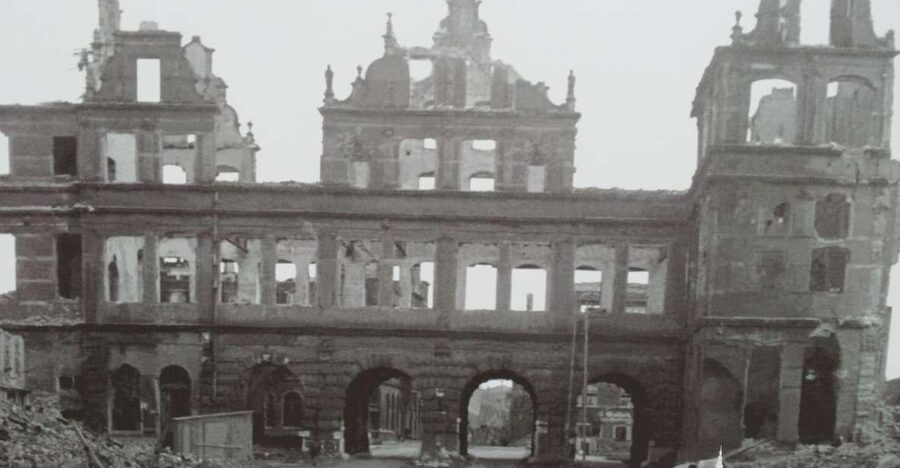
The first important stop is the Defenders of the Polish Post Office memorial. The Polish Post Office became one of the early sites of fighting during the invasion of Poland. Your guide explains why this location matters and how its defenders became part of Gdansk’s wartime memory.
The route also includes the Church of St. James. This stop adds another local setting for discussing occupation and resistance. You should expect the guide to connect places, people, and events rather than treat the church as a sightseeing stop on its own.
At the Monument to the Fallen Shipyard Workers, the story shifts toward the workers’ struggle against Communist rule. This is where the four-hour option earns its extra time. You see that Poland’s fight for freedom did not end when the war ended.
More WWII Tours in Gdansk
- Gdansk: Guided Round-Trip Cruise to Westerplatte
★ 4.3 · 865 reviews - Gdansk: Stutthof Concentration Camp Regular Tour
★ 4.7 · 361 reviews - Stutthof Concentration Camp English Tour with Gdansk Hotel pickup
★ 4.5 · 73 reviews - Stutthof Concentration Camp:Guided Tour with Transportation
★ 4.7 · 57 reviews
The European Solidarity Centre and BHP Hall
The European Solidarity Centre helps explain Poland’s route toward independence after the war. It is a natural companion to the WWII museum because it shows how the country continued to confront outside control and political repression.
You also visit historic BHP Hall, where the August Agreements were signed. The site connects the shipyard workers’ movement with the wider campaign for political change. For me, this part gives the tour its strongest sense of continuity: war, occupation, Communism, protest, and the push for self-rule are presented as connected chapters.
The four-hour route includes the Obrońca mural, a tribute to those who defended Poland. You also see a preserved WWII air raid shelter, which provides a more physical sense of wartime danger than a display case can offer.
The final stop is the Imperial Shipyard. Its industrial setting helps keep the story grounded in the places where people worked, organized, and faced political pressure. The tour does not present Gdansk as a city frozen in wartime memory. Instead, it shows how the shipyards remained important long after the fighting stopped.
How the two options compare
The choice depends on what you want from your time in Gdansk.
Choose two hours if you:
- Want the museum to be the main event
- Have limited time
- Prefer less walking
- Plan to visit Solidarity sites on another day
- Want a clear introduction to Poland during World War II
Choose four hours if you:
- Want wartime and postwar history in one outing
- Like walking tours with several stops
- Want to see the Polish Post Office memorial and shipyard sites
- Are interested in the connection between Nazi occupation and Communist rule
- Prefer a private guide who can build a broader story around the museum
The four-hour route is described as moderately active. Expect some uneven ground and steps, and dress for the weather because the tour runs in rain or sunshine. The guide can adjust the pace, and you should contact the operator in advance with accessibility requests.
Guide quality and the value of a private visit
A private guide changes the tone of this experience. You do not have to keep up with a large group or wait while strangers ask unrelated questions. You can pause, ask for clarification, or move along when a section does not interest you.
The guides named in the booking record have earned particular praise for their subject knowledge, patience, and friendly manner. Krzysztof was described as enthusiastic and good-humored. Małgorzata was praised for her detailed explanation during a four-hour visit. Luca was considerate of the group’s needs, and Elvira helped make sense of the museum’s large collection.
That said, guide quality can vary, especially across nine available languages: English, German, Russian, Polish, Spanish, French, Italian, Norwegian, and Swedish. One English-language booking had an excellent subject guide but some language difficulty. If you need polished English or have a specialist interest, ask Rosotravel to confirm the guide and language before the day.
The private format costs about $153 per person. That is a serious price for a two-hour visit, particularly if you are booking for one or two people. The value improves if you choose the four-hour version and care about the guide’s interpretation, timed museum access, and the extra city route.
You are paying for more than admission. The package includes the licensed guide, skip-the-line ticket handling, and the private setting. For a family or small group, the ability to ask questions and set the pace may justify the price. If you are comfortable reading museum panels alone, the two-hour option may feel expensive.
Meeting point, pickup, and practical planning
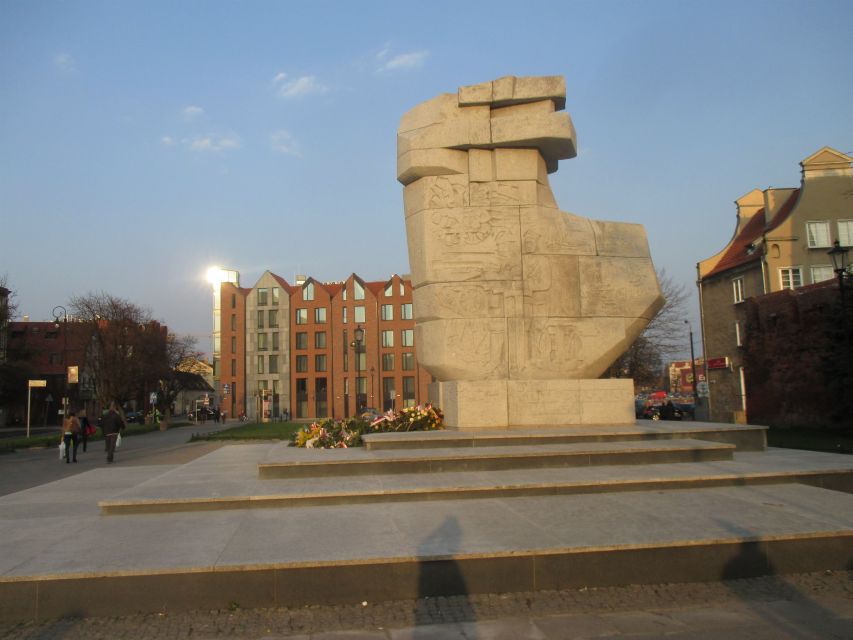
The official meeting point is the monument to Witold Pilecki in front of the Museum of the Second World War, at plac Władysława Bartoszewskiego 1. Hotel pickup is available for accommodations within 1.5 kilometers of that point, including many Old Town hotels.
If your hotel is farther away, plan to reach the museum yourself. The itinerary may be adjusted when pickup is included, so check the final meeting details carefully.
Read the operator’s email the day before the tour. The starting time and meeting instructions matter because the museum ticket is reserved for a specific date and time. You can skip the ticket-office queue, but you still need to arrive on schedule for entry.
Wear comfortable shoes for the four-hour tour. The outdoor portion includes walking over uneven surfaces and steps. The museum portion is easier physically, but the amount of standing and concentration can still make the visit tiring.
The tour is wheelchair accessible, and the operator asks guests with disabilities or special requests to make contact ahead of time. The private format allows the guide to adjust the pace when possible.
Who will get the most from this tour
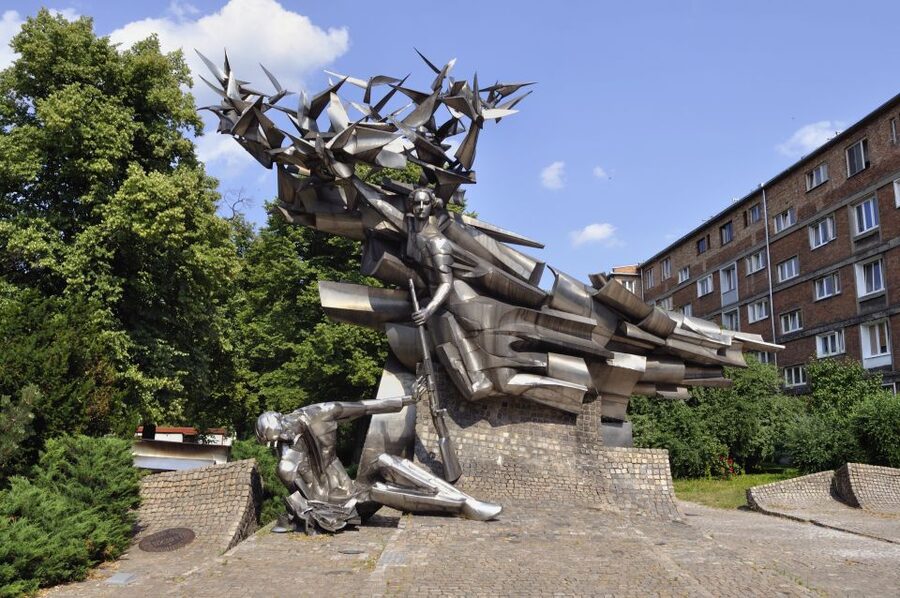
This experience is a strong fit for anyone who wants context rather than a quick museum visit. First-time visitors to Gdansk will benefit from having the city’s memorials explained alongside the museum. Families with older children may also appreciate the private format, since the guide can adapt explanations and answer questions as they come.
It suits history-minded visitors, but you do not need specialist knowledge. The guide provides the framework. You only need enough time and attention for difficult material.
The four-hour option is best for people who see World War II and postwar Communism as part of one story. If you only want to understand the war itself, the two-hour museum option is more efficient.
I would be cautious about booking this immediately before another major attraction. The museum can hold your attention for several hours, and a private conversation may stretch the visit. Leave room in your schedule rather than treating the end time as exact.
Should you book the Gdansk WWII tour?
Book it if you want a guided, serious look at Gdansk’s wartime past and prefer to ask questions as you go. The four-hour option offers the best value for most history-minded visitors because it adds the Polish Post Office memorial, air raid shelter, Solidarity sites, BHP Hall, and Imperial Shipyard.
Choose the two-hour version if the museum is your priority or your schedule is tight. It gives you a strong route through the permanent exhibition, but do not expect to see every section.
The price is higher than a self-guided museum visit, yet the private guide is the reason to book. You receive local context, help with a very large exhibition, and a route that joins wartime events to Poland’s later struggle for freedom. For that kind of focused understanding, the cost can be worthwhile.
FAQ
How long is the Gdansk WWII tour?
You can choose a two-hour or four-hour option. The two-hour tour focuses on the Museum of the Second World War. The four-hour option adds a walking route through wartime memorials and postwar Communist history.
What does the two-hour tour include?
It includes a private guided visit to the permanent exhibition at the Museum of the Second World War, with a skip-the-line ticket and a licensed guide.
What does the four-hour tour add?
The four-hour option includes the museum plus the Defenders of the Polish Post Office memorial, Church of St. James, Monument to the Fallen Shipyard Workers, European Solidarity Centre, BHP Hall, Obrońca mural, a preserved WWII air raid shelter, and the Imperial Shipyard.
Where do I meet the guide?
Meet at the monument to Witold Pilecki in front of the Museum of the Second World War, plac Władysława Bartoszewskiego 1, 80-862 Gdansk.
Is hotel pickup available?
Pickup is available from hotels and accommodations within 1.5 kilometers of the meeting point. Pickup from locations outside that area is not included.
Does the museum ticket let me skip every line?
The ticket lets you skip the line at the ticket office. It is tied to a pre-booked date and time, and you still need to arrive on time for the entrance process.
Which languages are available?
Guides are available in English, German, Russian, Polish, Spanish, French, Italian, Norwegian, and Swedish.
Is the tour suitable for wheelchair users?
The activity is wheelchair accessible. For specific needs or special requests, contact Rosotravel in advance so arrangements can be discussed.
Can I cancel the booking?
You can cancel up to 24 hours in advance for a full refund. The reserve-now, pay-later option also lets you hold a place without paying immediately.
Just added around Gdansk
- Gdansk and Malbork Castle Small Group Tour from Warsaw with Lunch★ 4.5 · 20 reviews
- Westerplatte private tour led by Expert-Guide (door to door)★ 5.0 · 5 reviews
- Whisky Tasting in Gdańsk★ 5.0 · 3 reviews
- Private WW2 Tour of Westerplatte,Gdansk and Stutthof Including Lunch★ 5.0 · 12 reviews
- Gdansk EVERYDAY Vodka Tasting Tour★ 5.0 · 6 reviews
- Westerplatte – 2h private trip by luxury car|★ 5.0 · 4 reviews
- Aiport Gdansk Transfer to Malbork Castle or Stutthof★ 5.0 · 3 reviews
- 5 hours Individual trip to the Stutthof Concentration Camp★ 5.0 · 5 reviews
WWII Tours, compared.
Warsaw for WWII Buffs – private tour with hotel pickup
Read our review →
Treblinka Death Camp 6 Hour Private Tour from Warsaw
Read our review →
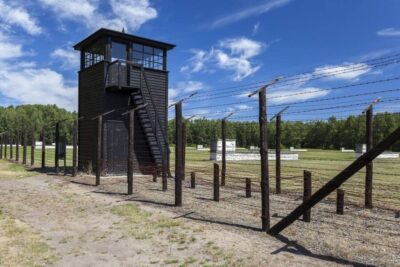
Stutthof Concentration Camp English Tour with Gdansk Hotel pickup
Read our review →Browse the lists this tour appears in