
Reviewed · GDANSK SHIPYARD TOURS
Gdansk: Private Communism Tour with Solidarity Center Museum
Gdańsk’s Solidarity story comes alive when you walk through the old shipyard where workers challenged Poland’s Communist government. The European Solidarity Centre gives you the documents and timeline, while the shipyard grounds and Sala BHP put the events in their real setting.
I like the private guide format, especially for a political story that can get tangled in names and dates. I also like the mix of museum time and outdoor history, ending with the traditional Polish vodka shot. The main drawback is practical: Gdańsk Shipyard is closed on Saturdays and Sundays, so your day of travel matters.
- See the original 21 Postulates made by striking shipyard workers in 1980.
- Visit Sala BHP, where the Gdańsk Agreement was signed on 31 August 1980.
- Walk Solidarity Square and learn the story behind the Monument to the Fallen Shipyard Workers of 1970.
- Use skip-the-line entry at the European Solidarity Centre, a useful perk on a busy day.
- Ride by car from Gdańsk Old Town if your accommodation is within 1.5 kilometers of the meeting point.
- Choose your language from English, German, Polish, or Russian, with French guidance also demonstrated by Małgorzata on one tour.
Why Gdańsk’s Shipyard Changed Europe
The most important part of this tour is not simply seeing old industrial buildings. It is understanding how a workplace dispute became a national movement, then helped weaken Communist rule across Eastern Europe.
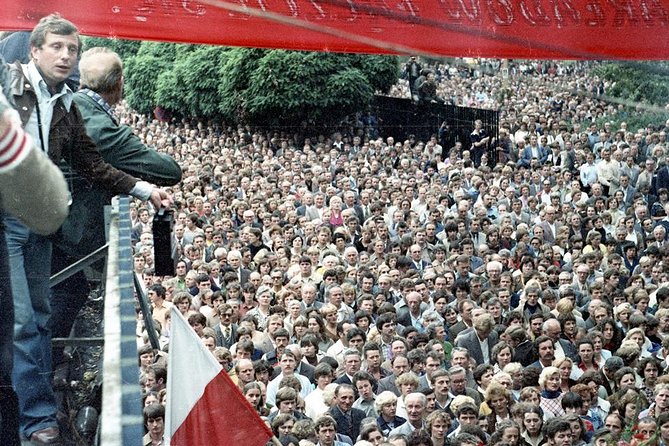
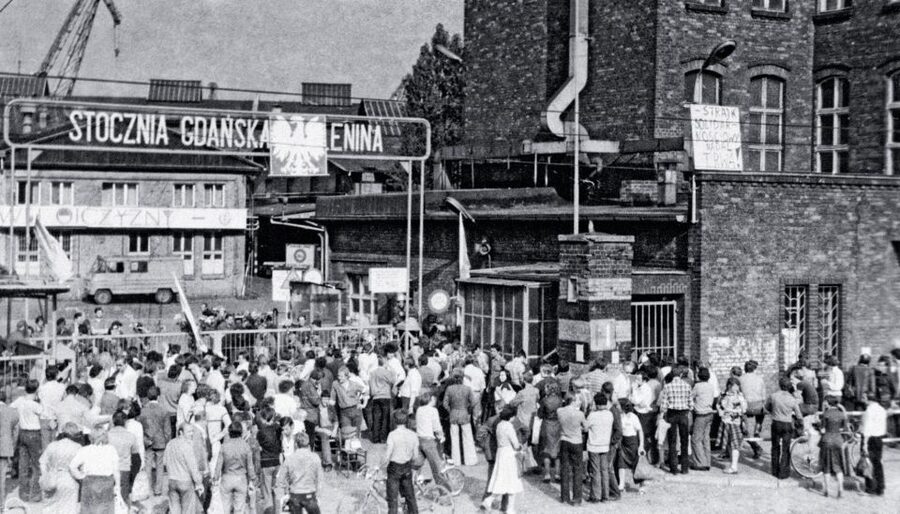
On 31 August 1980, workers at the Lenin Shipyard, now called Gdańsk Shipyard, reached an agreement with the authorities. Their demands included the right to form an independent trade union. That union became Solidarity, or Solidarność, and its success changed Poland’s political future.
You will hear about Lech Wałęsa, Anna Walentynowicz, and the workers who organized strikes in a system that did not permit open political opposition. The story is both local and huge. It begins with wages, safety, jobs, and dignity, then reaches the 1989 round table talks and Poland’s first pluralistic election since 1947.
I like that the tour does not treat Solidarity as a distant political tale. You see the spaces where people gathered, negotiated, signed documents, and faced serious danger. That physical connection gives the museum material more weight.
The European Solidarity Centre in About Two Hours
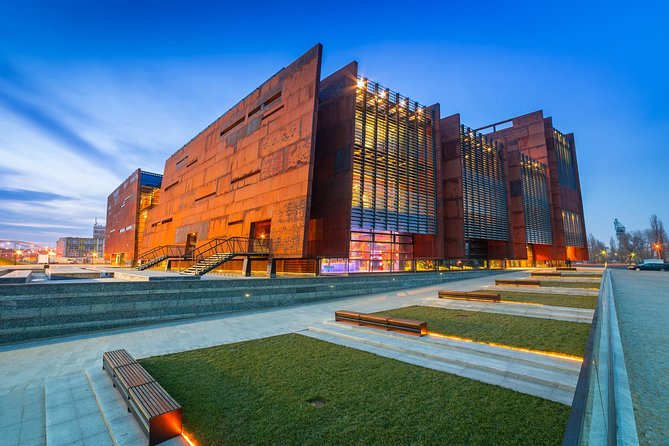
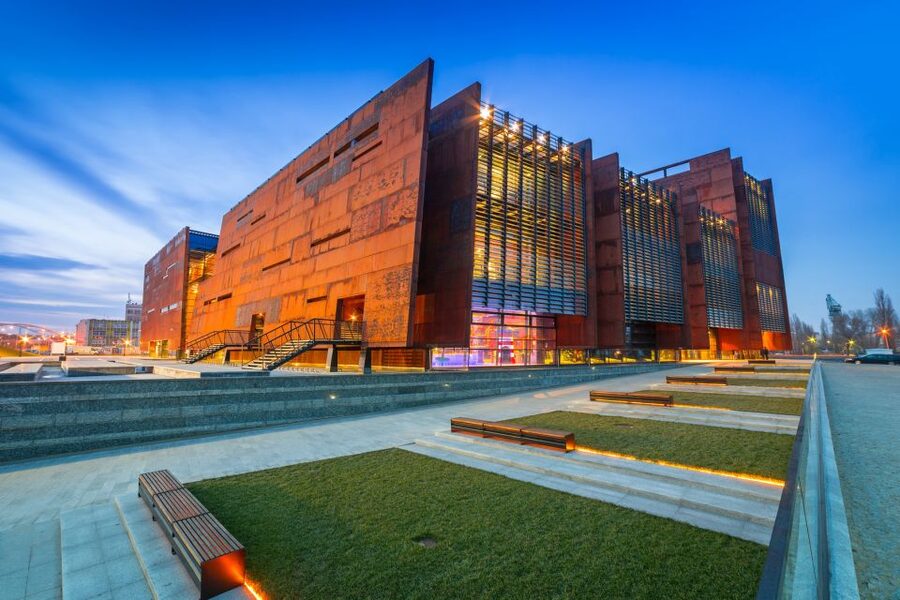
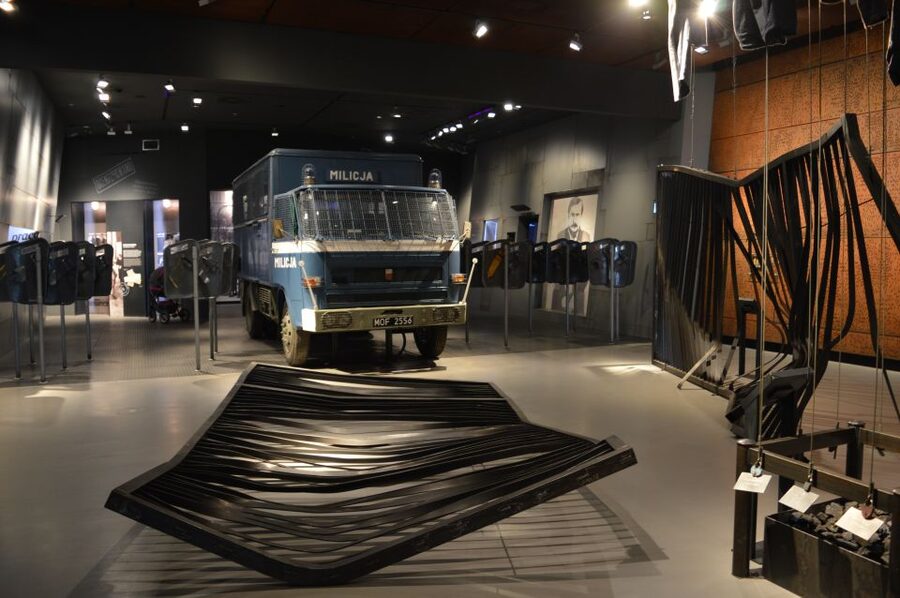
The European Solidarity Centre is the main indoor stop, and you should allow about two hours here as part of the longer tour. The building presents the Solidarity story through documents, photographs, objects, and displays that guide you from Communist-era Poland through the movement’s rise and its wider political effects.
The original Tables of 21 Postulates are a major sight. These were the written demands presented by striking workers at the shipyard in 1980. Seeing the actual tables helps you grasp the direct, practical nature of the protest. This was not only an abstract call for freedom. It was a list of concrete demands made by people at work.
Your private guide can explain how these demands fit into life in the Polish People’s Republic, often called the PRL. That context matters. Without it, the displays can become a parade of unfamiliar names, dates, and political terms.
You will also encounter material on the strikes, the movement’s fight for freedom, the 1989 round table talks, and the first pluralistic election since 1947. The guide’s role is especially useful here because the museum covers several decades and moves between workplace issues, national politics, and international consequences.
Skip-the-line entry saves time, but it does not mean the museum is a quick stop. If you choose the four-hour version, the museum takes up a substantial part of the morning or afternoon. That is a good use of time for anyone who wants a clear explanation rather than a quick photo stop.
The museum is wheelchair accessible. Ask about the current route if mobility needs affect your planning, since the full tour also includes outdoor locations and shipyard grounds.
More Museum Tours in Gdansk
- Museum of the Second World War Gdansk Private Tour & Tickets
★ 5.0 · 24 reviews - Gdansk Private WWII Tour with Museum of the Second World War
★ 4.9 · 22 reviews - Gdansk Private Communism Tour with Solidarity Center Museum
★ 5.0 · 14 reviews
Solidarity Square and the Monument to Fallen Workers
After or around the museum visit, the tour brings you to Solidarity Square. Here, the Monument to the Fallen Shipyard Workers of 1970 tells the tragic beginning of the story.
The monument honors shipyard workers killed during protests in 1970. Your guide connects those deaths with the later strikes of 1980, showing why the earlier violence remained present in the minds of workers and organizers.
This is a place where the political story becomes personal. You are not only hearing that Communist authorities used force. You are learning how the memory of that force shaped later resistance.
The square also helps you orient yourself. The museum, monument, shipyard, and nearby historic work sites are part of one connected area. Rather than seeing separate attractions with no link between them, you can follow the movement’s story across the places where it actually unfolded.
Bring a coat if the weather is unsettled. Part of the experience is outdoors, and the shipyard area can feel exposed. The tour includes car transport, but you should still expect walking between key sites.
Sala BHP and the Gdańsk Agreement
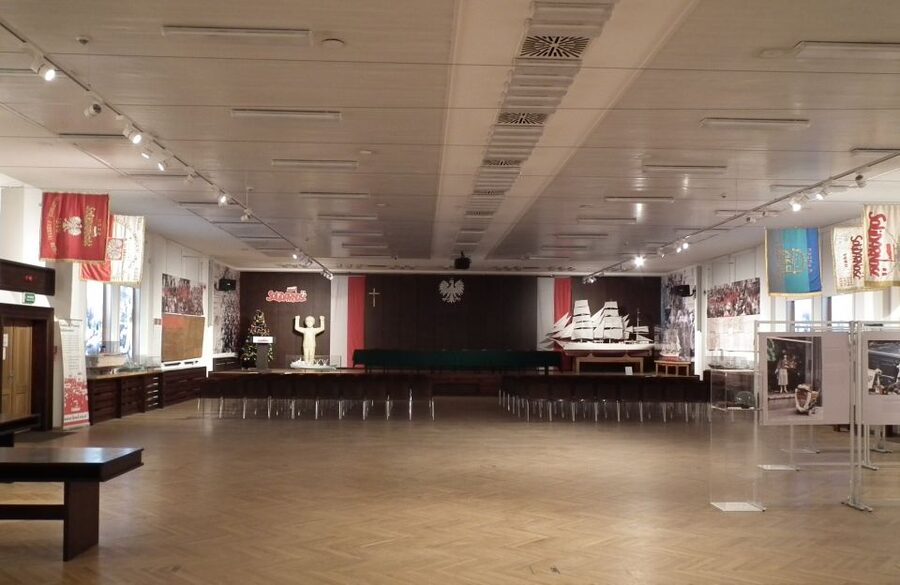
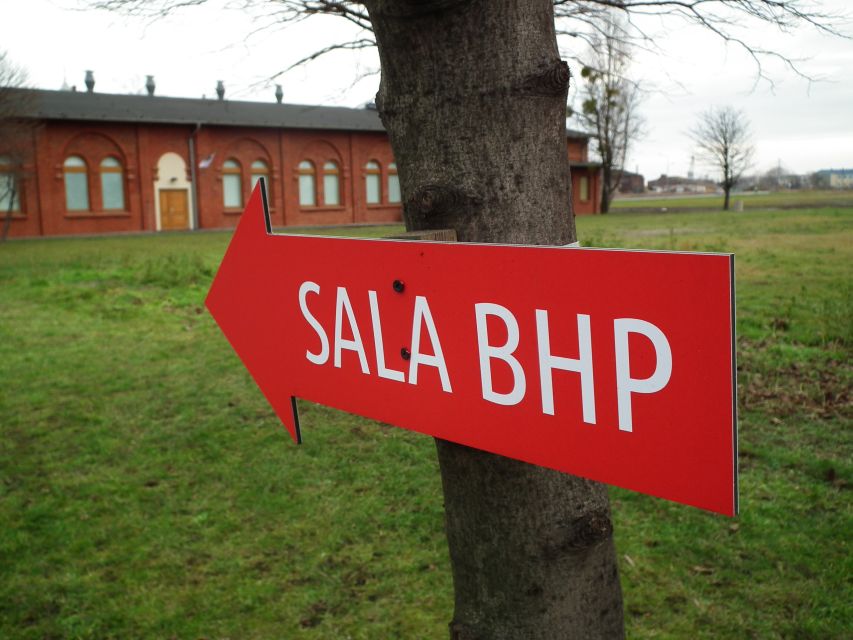
The four-hour option includes Sala BHP, the historic Center of Worker Protection of Gdańsk Shipyard. This is where the Gdańsk Agreement was signed on 31 August 1980.
For me, this is one of the most valuable stops because it marks the point where demands became an official agreement. The location is more than a meeting room. It represents a rare moment when workers forced the authorities to negotiate with an independent movement.
Your guide explains what happened at the signing and why the agreement mattered. You can also connect the room to the exhibits at the European Solidarity Centre. At the museum, you see the documents and broader timeline. At Sala BHP, you stand at the site of the negotiations themselves.
This stop is available with the four-hour itinerary, not the shorter museum-focused option. If Sala BHP is important to you, book the longer tour and check the operating schedule carefully.
Walking Through Gdańsk Shipyard
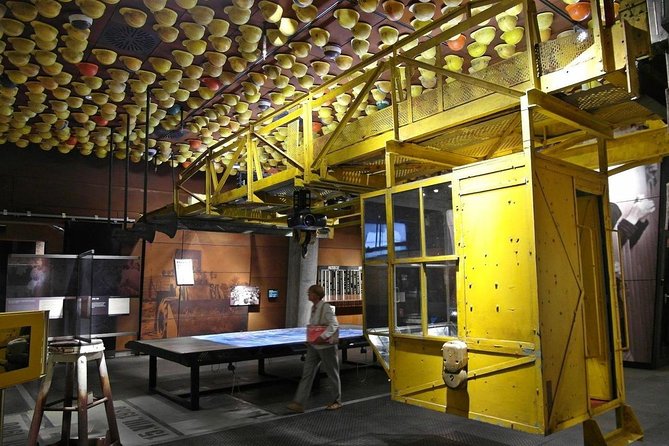
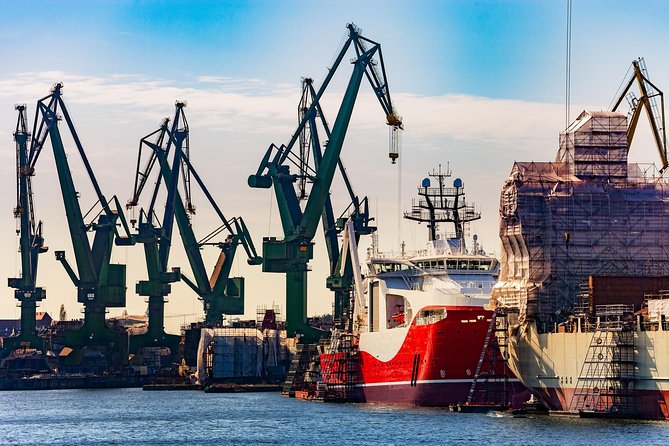
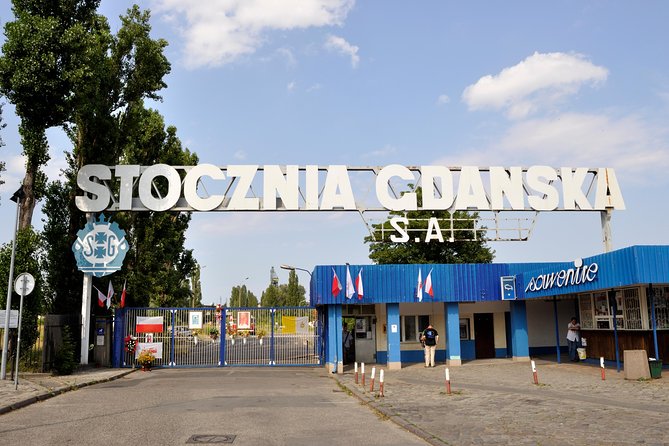
The final major stop is Gdańsk Shipyard, known in Polish as Stocznia Gdańsk. In 1980, about 17,000 shipbuilders began civil resistance against the Communist regime here.
The shipyard is not presented as a polished historic attraction. It is a working, changing area, and that is part of its appeal. You get a sense of the scale of the setting and the distance between the workers’ daily jobs and the political change that grew from their strike.
A guide makes a real difference here. The area is large, and its meaning is not always obvious from a sign or a monument. Małgorzata, one guide available for this experience, has been praised for knowing the shipyard’s history and its changing corners, and for explaining the setting in French. German, English, Polish, and Russian are also listed as tour languages.
The shipyard is closed on Saturdays and Sundays. This is the most important scheduling warning. If you want the full route with the shipyard and Sala BHP, plan for a weekday and check the exact start time before booking.
More Gdansk Shipyard and Solidarity tours:
- Sunset on the Shipyard and Old Town Evening Cruise
★ 4.5 · 86 reviews - Solidarity Tour
★ 5.0 · 25 reviews - Segway Tour Gdansk: Shipyard Tour – 1,5-Hour of Magic!
★ 4.4 · 16 reviews - Gdansk: European Solidarity Centre Guided Tour
★ 4.9 · 14 reviews
What the Private Guide Adds
A private tour is useful here because the subject is difficult to absorb from labels alone. You can ask why the 1980 strikes mattered, how Lech Wałęsa and Anna Walentynowicz fit into the story, or what changed after the 1989 talks.
The guide also helps separate the different stages of Poland’s political transformation. The tour covers Communist-era life, the Solidarity strikes, the agreement, the round table talks, and the first pluralistic election since 1947. Those events are connected, but they are not the same thing.
A strong guide can also make the story human. One German-language group of 18 received a lively explanation of social conditions, including private stories that made the period easier to understand. That suggests the tour can work well for a larger family or friend group, as long as everyone can hear and keep pace.
Małgorzata has also led the tour in French. Her ability to explain both the European Solidarity Centre and the shipyard is a useful example of what you should want from your guide: not just translation, but clear links between the displays and the places outside.
Transport, Meeting Point, and Timing
Pickup is available at accommodation in Gdańsk Old Town if it is within 1.5 kilometers of the meeting point. If you provide your address when booking, the guide can meet you there. Otherwise, meet under the Monument to the Fallen Shipyard Workers of 1970 at Plac Solidarności.
Do not assume every Gdańsk hotel qualifies for pickup. If you stay outside the stated Old Town area, the itinerary may be adjusted. Confirm the meeting arrangement the day before, and check your email for final instructions.
The full experience lasts four hours. That gives enough time for the European Solidarity Centre, Solidarity Square, Sala BHP, and Gdańsk Shipyard, but it is still a focused introduction rather than a full study of modern Polish history.
Car transport matters because it reduces the effort of moving between your accommodation and the historic area. Inside the shipyard district, however, you should expect walking. Wear comfortable shoes and allow for outdoor weather.
Is $184 Per Person Fair?
At $184 per person, this is not a budget sightseeing activity. You are paying for a private Communist-themed tour, a licensed history guide, car pickup and drop-off, skip-the-line entry to the European Solidarity Centre, and, with the four-hour choice, access to Sala BHP and Gdańsk Shipyard.
The price makes more sense if you value personal explanation and convenience. You avoid sorting out transport, museum tickets, and the historical route yourself. A private guide can also adjust the explanation to your interests and language.
For a solo visitor, the price may feel steep. For a group sharing the experience, the private format can offer better value than several separate guided stops, though the listed price is per person. The included vodka shot is a small extra, not the reason to book, but it adds a light Polish touch after a serious subject.
The biggest value comes from the places that are harder to understand alone: the original postulates, Sala BHP, and the shipyard itself. If you only want a museum visit, the shorter option may be enough. If you want the full story in its physical setting, the four-hour version earns its higher price.
Who Should Book This Gdańsk Tour?
I recommend it most strongly to first-time visitors who want to understand modern Poland beyond medieval streets and handsome waterfront views. It also suits anyone interested in Communist Europe, labor movements, political change, or the fall of the Eastern Bloc.
The tour works well for:
- Couples or families who prefer a private guide
- History-focused visitors who want more than museum labels
- Groups needing English, German, Polish, or Russian guidance
- French speakers who can request a guide such as Małgorzata if available
- Visitors staying in Gdańsk Old Town who want hotel pickup
- People with only half a day for the Solidarity sites
It may not suit you if you dislike museums, want a relaxed sightseeing drive, or have only a short amount of time. The subject is serious, and the four-hour route asks you to concentrate. You should also avoid weekends if the shipyard is essential to your plans.
Free cancellation is available up to 24 hours before the tour, and you can reserve now and pay later. That flexibility helps when your Gdańsk schedule is still moving, but you should still verify the weekday timing and pickup address before committing.
Should You Book It?
Book this tour if you want the Solidarity story explained by a private guide and connected to the actual shipyard sites. The strongest version is the full four-hour route, since it adds Sala BHP, Gdańsk Shipyard, Solidarity Square, and the Polish vodka tradition to the museum visit.
Skip it if you only want a quick look at Gdańsk’s old town or prefer exploring museums at your own pace. For everyone else, this is a focused and worthwhile way to understand how workers in one Polish shipyard helped push a country, and eventually much of Eastern Europe, toward democracy.
FAQ
How long does the Gdańsk Communism Tour last?
The advertised experience lasts four hours. A shorter option focuses on the European Solidarity Centre, while the four-hour version adds Solidarity Square, Sala BHP, and Gdańsk Shipyard.
What is included in the four-hour tour?
The four-hour option includes a private Communist-themed tour, a licensed guide, skip-the-line entry to the European Solidarity Centre, hotel pickup and drop-off, entry to Sala BHP and Gdańsk Shipyard, and a shot of traditional Polish vodka.
Where does the tour meet?
The meeting point is under the Monument to the Fallen Shipyard Workers of 1970 at Plac Solidarności in Gdańsk.
Is hotel pickup available?
Pickup is available from accommodation in Gdańsk Old Town if it is within 1.5 kilometers of the meeting point. Provide your accommodation address when booking. Otherwise, meet the guide at the stated meeting point.
What languages are available?
The listed tour languages are English, German, Polish, and Russian. French guidance has also been provided by Małgorzata.
Is the tour wheelchair accessible?
Yes, the activity is listed as wheelchair accessible.
Can I take the tour on a weekend?
Gdańsk Shipyard is closed on Saturdays and Sundays. If you want the full itinerary with the shipyard, choose a weekday and check availability before booking.
More Communist History Tours in Gdansk
- Krakow: Nowa Huta Guided Tour in Vintage Car
★ 4.9 · 277 reviews - Legendary Private Nowa Huta Communism Tour with Crazy Guides
★ 5.0 · 262 reviews - Nowa Huta: Steelworks Administration Buildings/Shelters Tour
★ 4.9 · 160 reviews - Private Tour: Warsaw’s Communist History by Retro Fiat
★ 5.0 · 115 reviews
Just added around Gdansk
- Gdansk and Malbork Castle Small Group Tour from Warsaw with Lunch★ 4.5 · 20 reviews
- Westerplatte private tour led by Expert-Guide (door to door)★ 5.0 · 5 reviews
- Whisky Tasting in Gdańsk★ 5.0 · 3 reviews
- Gdansk EVERYDAY Vodka Tasting Tour★ 5.0 · 6 reviews
- Westerplatte – 2h private trip by luxury car|★ 5.0 · 4 reviews
- Private WW2 Tour of Westerplatte,Gdansk and Stutthof Including Lunch★ 5.0 · 12 reviews
- Aiport Gdansk Transfer to Malbork Castle or Stutthof★ 5.0 · 3 reviews
- 5 hours Individual trip to the Stutthof Concentration Camp★ 5.0 · 5 reviews
Gdansk Shipyard Tours, compared.

Sunset on the Shipyard and Old Town Evening Cruise
Read our review →
Segway Tour Gdansk: Shipyard Tour – 1,5-Hour of Magic!
Read our review →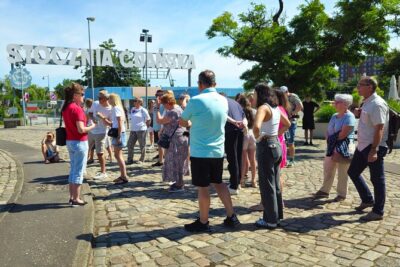

Segway Tour Gdańsk: Full Tour (Old Town + Shipyard) 3-Hour
Read our review →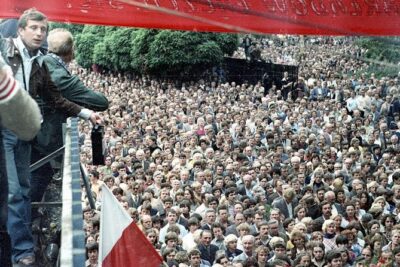
Gdansk Private Communism Tour with Solidarity Center Museum
Read our review →
Electric Scooter Tour: Full Tour (Old Town + Shipyard) 3hour
Read our review →Segway Tour Gdansk: Full Tour (Old Town + Shipyard) 3-Hour
Read our review →Browse the lists this tour appears in