
Reviewed · WWII TOURS
Gdańsk: World War II Tour
Gdańsk is closely tied to the opening of World War II, and this tour puts you at the places where that story took shape. You’ll travel from Westerplatte, the famous starting point of the conflict, through the Polish Post and the rebuilt Main City, following the war as seen from the Polish side.
I like the private format, which gives you room to ask questions and lets the guide adjust the pace. I also like the mix of outdoor sites and a museum visit, especially with local guides such as Bożena, Roxana, and Sebastian, who bring a personal sense of pride to Gdańsk’s past.
The main drawback is that the tour is not suited to people with mobility impairments. Westerplatte also requires suitable clothing in poor weather, and the $195 price is easier to justify for a small private group than for a solo visitor.
Key points to know before booking
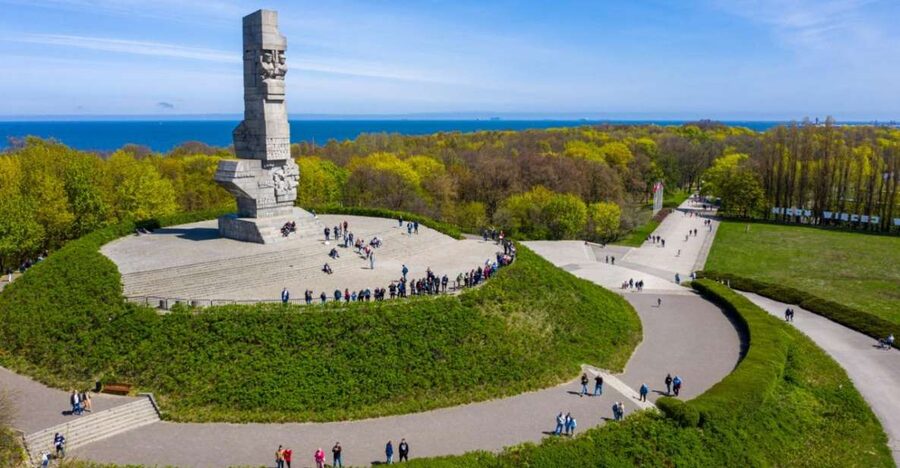
- Westerplatte puts you at the opening chapter of World War II, with about an hour for a guided visit.
- The Museum of the Polish Post adds a human-scale story, showing how ordinary Polish workers were caught in the first days of the war.
- The Main City helps explain Gdańsk’s destruction and rebuilding, rather than treating the war as an isolated event.
- Private transport and hotel pickup save time, especially when you want several widely separated sites in one outing.
- Bożena, Roxana, and Sebastian are named guides associated with particularly strong guest feedback, with English and Polish available.
- The tour takes 210 minutes, but the three major visits account for about two and a half hours, leaving the rest for driving and transitions.
Why Gdańsk is the right place for a World War II tour
Gdańsk’s wartime story is more complicated than a single battlefield. Before the war, the city operated as the Free City of Gdańsk, a special political entity with strong German influence but close ties to Poland. That setting helps explain why tension here was so sharp when Germany attacked Poland.
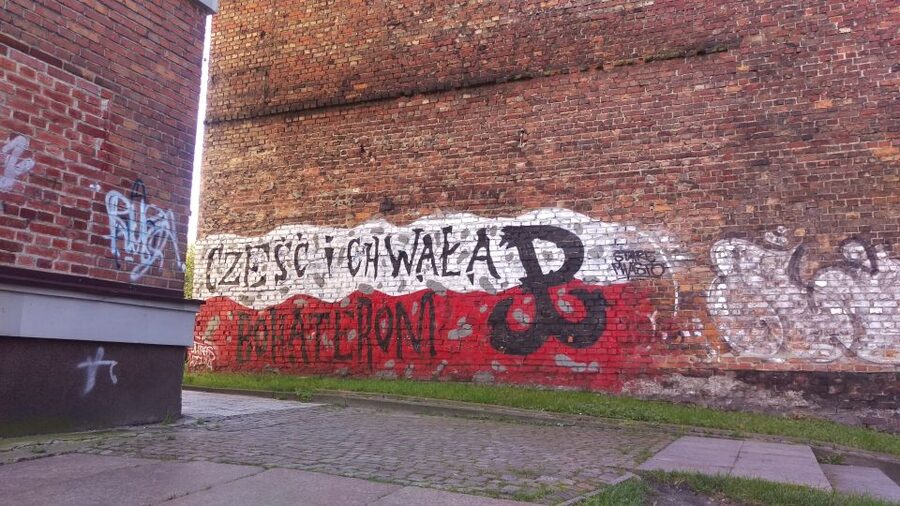
The tour presents the conflict through Polish eyes. That matters because Gdańsk’s story is not only about the first shots fired at Westerplatte. It is also about Polish civic life, military resistance, occupation, the arrival of the Red Army, and the destruction and rebuilding of the city in 1945.
You’ll hear about many nations, military forces, heroes, and civilians caught in events far larger than themselves. The route moves from the coast toward the city center, giving the war a sense of place instead of reducing it to dates in a textbook.
I find this approach especially useful if you already plan to visit Gdańsk’s larger Second World War museum separately. This shorter tour gives you the setting first. It lets you see the physical places connected to the story, then decide how much more museum time you want.
More WWII Tours in Gdansk
- Gdansk: Guided Round-Trip Cruise to Westerplatte
★ 4.3 · 865 reviews - Gdansk: Stutthof Concentration Camp Regular Tour
★ 4.7 · 361 reviews - Stutthof Concentration Camp English Tour with Gdansk Hotel pickup
★ 4.5 · 73 reviews
Westerplatte: where the story begins
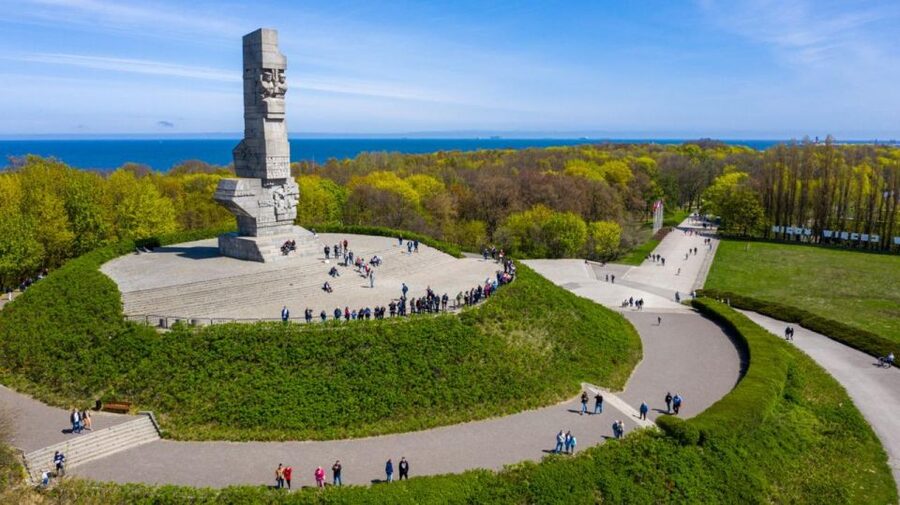
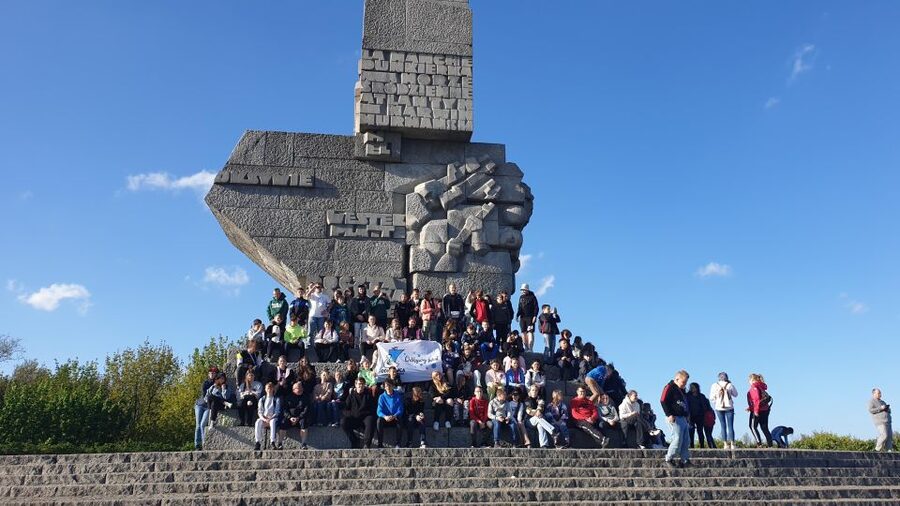
Westerplatte is the emotional center of the outing. The tour allows about an hour here, with a guide explaining the attack and the role of the Polish military garrison.
The location is important because it is presented as the place where the Second World War began. That claim gives the stop a clear purpose, but the value comes from being there and hearing the local context, not simply taking a photograph at a famous marker.
Expect an outdoor visit, so weather matters. The practical advice is simple: bring clothing suitable for rain, wind, or changing conditions. The recommendation to dress for bad weather is especially useful at a coastal site where conditions can make a short walk feel much longer.
Westerplatte is also the part of the tour most likely to feel physically demanding. The activity is not suitable for people with mobility impairments, and the outdoor setting may be tiring for anyone who needs frequent rest. Ask about the walking conditions before booking if that is a concern.
Your guide’s role is important here. A good explanation can connect military events with the wider political situation in Gdańsk and Poland. Bożena, one of the named guides, has been praised for offering needed information and support, while Sebastian Malyszczyk is noted for explaining the history clearly and with passion.
The site works best when you resist rushing through it. Give yourself time to look around, listen, and picture the uncertainty of those opening days. This is not a theme-park version of war history. It is a serious place, and the guide’s tone will shape how much you take from it.
The Museum of the Polish Post and the civilian side of war
The next major stop is the Museum of the Polish Post, with about 30 minutes for a guided visit. It is a shorter stop than Westerplatte, but it changes the scale of the story.
At Westerplatte, you are thinking about soldiers and a military attack. At the Polish Post, the focus moves toward civilian workers and the role of Polish institutions in Gdańsk. That shift is valuable because war did not only happen at forts, ports, and front lines. It also reached workplaces and homes.
A half-hour visit cannot cover every detail. One past booking suggestion was that the larger World War II Museum should be part of the tour, but that museum is not included here. You should think of the Polish Post museum stop as a focused introduction, not a replacement for a full museum visit.
I like the contrast between this stop and Westerplatte. You get one outdoor site tied to the opening attack, then an indoor visit that brings the conflict closer to ordinary people. Together, the stops make the tour feel less like a list of battle locations and more like a study of how a city was pulled into war.
If you want a very detailed museum experience, plan a separate visit to the World War II Museum. This tour gives you only a short museum segment, so anyone with a strong interest in military collections or documentary displays may want additional time elsewhere.
The Main City and the hard work of rebuilding
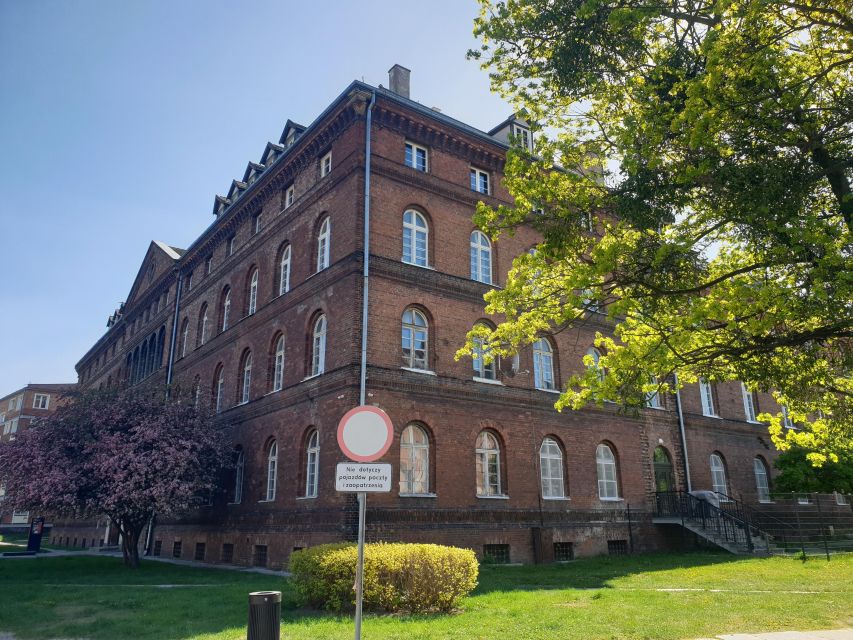
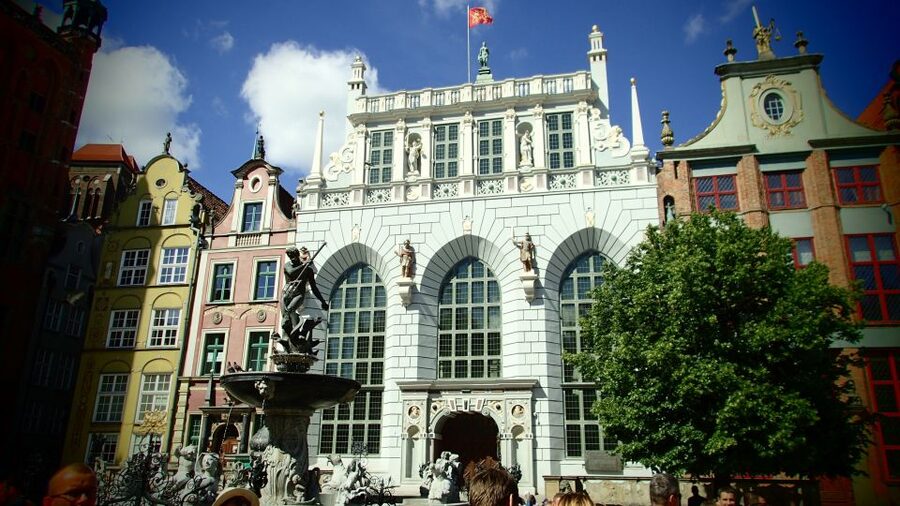
The final major visit is the Main City, with about an hour of guided touring. Here the subject expands beyond the start of the war and turns toward Gdańsk’s tragic ending in 1945.
The city itself did not suffer major military operations at the beginning of the conflict, but the final phase brought severe destruction. The Main City is therefore central to understanding what happened after years of war and how Gdańsk had to be rebuilt.
This stop gives the tour a wider frame. You are not only visiting the place where the conflict started. You are also looking at the consequences of occupation, fighting, and the arrival of the Red Army. The route is designed to show how the city’s identity was tested and then reconstructed.
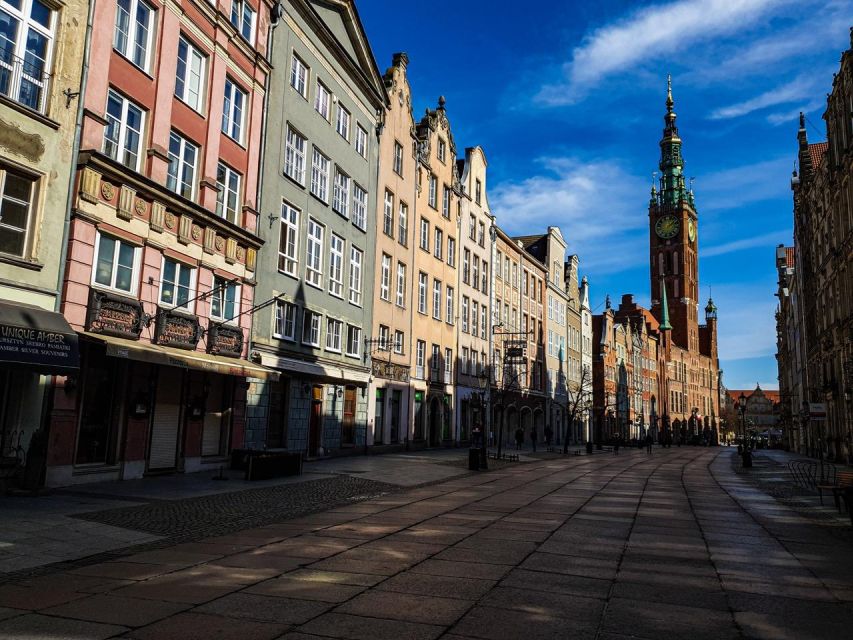
A guide can help you notice the difference between a city that looks old and one that has been rebuilt. That distinction is one of the most useful ideas to carry through Gdańsk. The city’s appearance can suggest continuity, but the wartime story includes enormous loss and a long process of restoration.
The Main City is also the easiest place for the history to connect with the rest of your stay. After the tour, you can walk around familiar streets with a better sense of what was destroyed, what survived, and what had to be made again. That makes this stop more than a final sightseeing loop.
Same city, a completely different kind of day:
- Gdansk: City Cruise on Historical Polish Boat
★ 4.8 · 2,913 reviews - Gdańsk: Sunset Cruise on a Historic Polish Boat
★ 4.9 · 977 reviews - Gdańsk City Sights & History Guided Walking Tour in English
★ 4.8 · 876 reviews - Gdansk: Firearm Shooting Experience with Instructor
★ 4.8 · 866 reviews
From the Free City to Gradowa Mountain
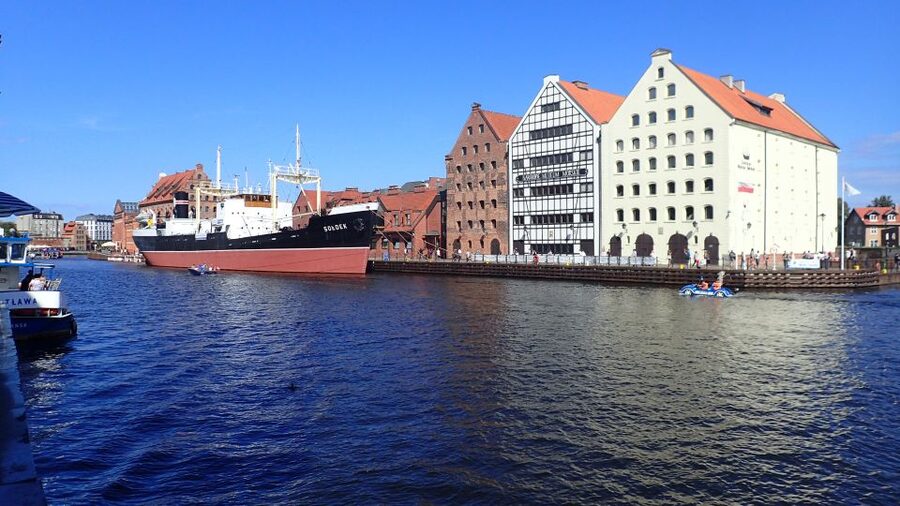
The tour description frames the journey from the Free City of Gdańsk through the attack of the Red Army and from Westerplatte toward Gradowa Mountain. Gradowa Mountain is part of the broader historical route, though the listed visit schedule names Westerplatte, the Polish Post Museum, and the Main City as the main stops.
That distinction matters if you are comparing tours. You should not expect a long, separate visit at every place mentioned in the historical overview. The listed timings give you one hour at Westerplatte, 30 minutes at the Polish Post, and one hour in the Main City, with the remaining time used for transport and transitions.
Still, the broader route gives your guide a useful way to connect the city. You are not hearing disconnected stories. You are following a line through Gdańsk’s political status, the opening attack, the impact on Polish institutions, the city’s destruction, and the force that brought the war’s final phase to the area.
This is where a private guide can make a real difference. Bożena is described as punctual, welcoming, and able to adjust to visitors’ needs. Roxana is noted for being pleasant and well informed. Sebastian is remembered for giving clear explanations and showing strong passion for Gdańsk. Individual guide quality can vary, but the named guides give you a useful sense of the personal approach available.
What the private format changes
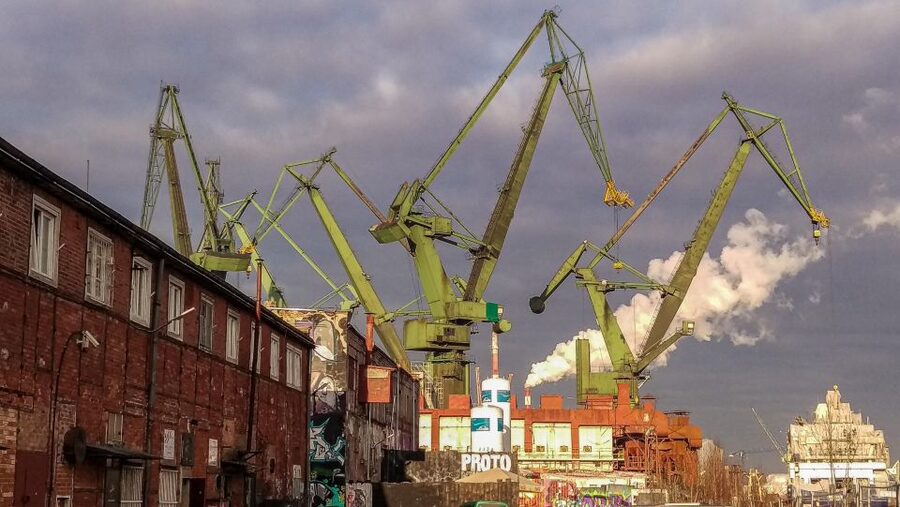
Pickup and drop-off at your Gdańsk accommodation or a central location are included. Transportation is provided by car or minivan, which matters because the tour combines places that are not best handled as one short walk.
You avoid spending part of your limited time working out local transport between stops. The guide also remains with your private group, so you can ask about family connections, Polish memory, military details, or the rebuilding of Gdańsk as questions come up.
The private setup is especially helpful for a couple, family, or small group with a shared interest in history. It also gives you a better chance of adjusting the pace. One guide has been specifically praised for adapting to visitors’ needs, which is useful if you want more explanation at one stop and less at another.
The tradeoff is price. At $195 per person, this is not a budget sightseeing ride. Its value depends heavily on group size. For one person, the cost is high. For a private group that would otherwise need separate transport, a guide, and several admissions or visits, the price may feel more reasonable.
Water is included, and the tour lasts 210 minutes, or three and a half hours. That is long enough for a serious introduction without taking up an entire day. You should still allow extra time around the tour if you plan to visit another museum afterward.
Language, timing, and weather
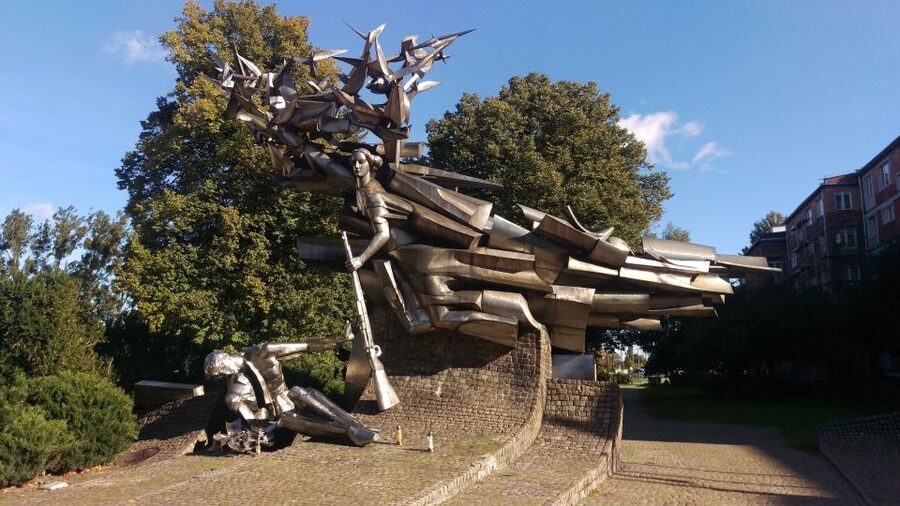
The live guide is available in English or Polish. If you are not comfortable in either language, this activity is not a good fit, since the value comes from the spoken explanation at each site.
Starting times depend on availability. An evening departure has been offered, and that can work well if your daytime schedule is full. Keep in mind that Westerplatte is an outdoor stop, so daylight and weather may affect how comfortable the visit feels.
The safest plan is to wear practical shoes and bring a waterproof layer. The tour specifically recommends clothing suited to bad weather. That advice is not decoration: an outdoor historical site can lose much of its appeal if you arrive unprepared for rain or wind.
Because the group is private, you can also use the pickup service to keep the day simple. You do not need to find a meeting point across town, and you return to Gdańsk at the end of the route.
Who will get the most from this tour
I would choose this tour if you want a guided introduction to Gdańsk’s wartime story and prefer places connected to the events over a general city walk. It suits you especially well if you want local transport, a private guide, and a Polish point of view.
It is also a good choice for a first visit when you want the city’s World War II story placed in context. The tour does not focus only on soldiers. It includes the Polish Post, the Main City, and the long aftermath of destruction and rebuilding.
You may want a different plan if you need step-free access, dislike outdoor touring in uncertain weather, or want several hours inside a large museum. The 30-minute Polish Post visit is focused, and the major World War II Museum is not included.
The tour also works best when you are willing to listen. It is not built around entertainment or a fast stream of photo stops. Its appeal lies in the guide’s explanation and in seeing how separate places fit together.
Should you book the Gdańsk World War II Tour?
Book it if you want a private, three-and-a-half-hour introduction to Gdańsk’s wartime past, especially if Westerplatte is a priority. The combination of car transport, hotel pickup, local guiding, and three distinct stops gives you a practical way to cover ground without planning every detail yourself.
The strongest reason to book is the guide-led interpretation. Bożena, Roxana, and Sebastian are named guides associated with clear explanations, warmth, and strong local feeling. The private format gives that personal connection room to work.
Think twice if $195 per person feels steep for a short tour, if you want a full museum day, or if mobility and bad weather may limit your enjoyment. For a small group that values history and convenience, this is a focused and worthwhile way to meet Gdańsk’s wartime story.
FAQ
How long does the Gdańsk World War II Tour last?
The tour lasts 210 minutes, or three and a half hours.
What places does the tour visit?
The scheduled visits include Westerplatte, the Museum of the Polish Post, and Gdańsk’s Main City. The historical route also connects the Free City of Gdańsk, the Red Army’s attack, and Gradowa Mountain.
Is hotel pickup included?
Yes. Pickup and drop-off are available at your accommodation or at a central location in Gdańsk.
What languages are available?
The live tour guide is available in English and Polish.
Is this a private tour?
Yes. The activity is arranged for a private group, with transportation in a car or minivan.
Is the tour suitable for people with mobility impairments?
No. The activity is listed as unsuitable for people with mobility impairments. You should also bring clothing appropriate for bad weather.
Just added around Gdansk
- Gdansk and Malbork Castle Small Group Tour from Warsaw with Lunch★ 4.5 · 20 reviews
- Westerplatte private tour led by Expert-Guide (door to door)★ 5.0 · 5 reviews
- Whisky Tasting in Gdańsk★ 5.0 · 3 reviews
- Gdansk EVERYDAY Vodka Tasting Tour★ 5.0 · 6 reviews
- Westerplatte – 2h private trip by luxury car|★ 5.0 · 4 reviews
- Private WW2 Tour of Westerplatte,Gdansk and Stutthof Including Lunch★ 5.0 · 12 reviews
- Aiport Gdansk Transfer to Malbork Castle or Stutthof★ 5.0 · 3 reviews
- 5 hours Individual trip to the Stutthof Concentration Camp★ 5.0 · 5 reviews
WWII Tours, compared.
Warsaw for WWII Buffs – private tour with hotel pickup
Read our review →
Treblinka Death Camp 6 Hour Private Tour from Warsaw
Read our review →
Stutthof Concentration Camp English Tour with Gdansk Hotel pickup
Read our review →Browse the lists this tour appears in