
Reviewed · WWII TOURS
Krakow: Former Concentration Camp Plaszow Guided Tour
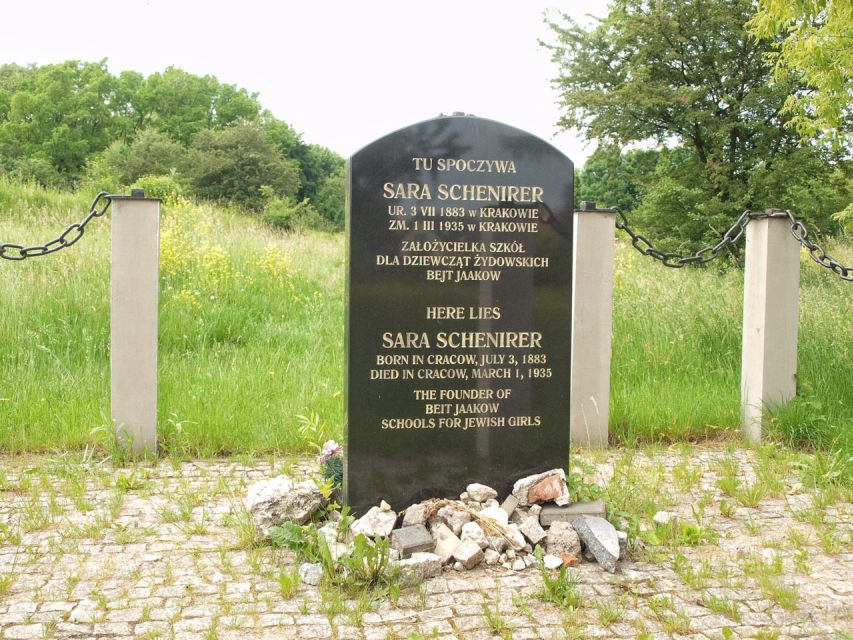
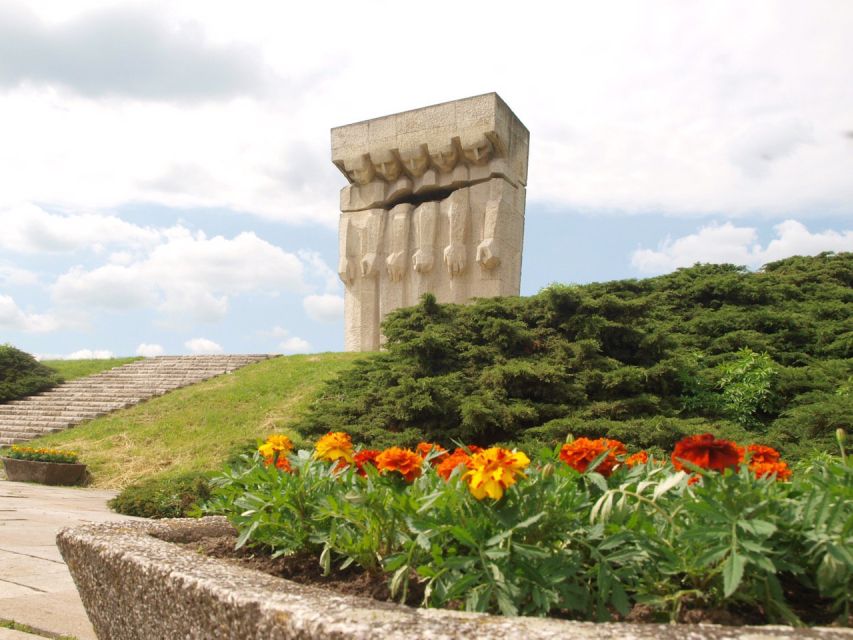
Krakow-Plaszow is not a polished museum. It is a wide public space with memorials, information boards, scattered ruins, and traces of a camp that once held prisoners under Nazi rule. That makes a guide especially important. Without one, you may see an open area. With one, you can begin to understand what happened here.
I like two things in particular: the tour explains both the camp’s history and its connection to Oskar Schindler, and it includes the nearby quarry replica built for Steven Spielberg’s Schindler’s List. I also like the personal touch offered by guides such as Olga, who has helped visitors find the correct bus back to Old Town and connected the site’s story with her own family history.
The main drawback is that Plaszow is still an informal memorial site rather than a finished museum. You should expect an outdoor walk, uneven or open ground, and a serious subject with few conventional exhibits. Tram tickets are not included, so you’ll need to handle that part of the journey yourself.
Key points to know before you go
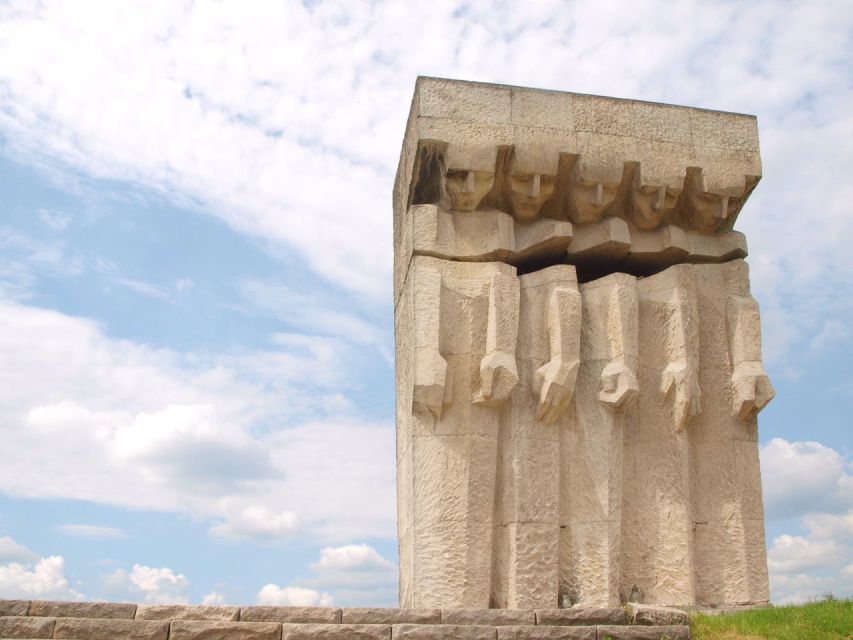
- The camp is now an open public space: Memorials, signs, ruins, and the shape of the former site replace traditional museum galleries.
- The history covers two stages: Plaszow began as a forced labor camp in 1940 and became a concentration camp in 1941.
- The 1942 Krakow ghetto deportations are central: Your guide explains how the persecution of local Jews led to imprisonment and forced labor here.
- The quarry and factories reveal the work imposed on prisoners: Labor was carried out in the quarry and in military factories.
- The Schindler’s List connection is nearby: You visit a replica of the camp built in the Liban Quarry for Spielberg’s film.
- The tour lasts two hours: It is conducted in English, begins and ends at Apteka Pod Orlem, and costs $23 per person.
Why Plaszow needs a guided visit
Plaszow can be difficult to read on your own. The place does not offer the clear sequence you get in a conventional museum, where each room explains the next part of the story. Here, memorials and information boards are spread through an open public area, while ruins and former work sites need explanation.
That is why I consider the guide the heart of this experience. You are not simply walking past stones or looking at a patch of ground. You are learning how the camp developed, how Nazi rule affected Krakow, and how the site fitted into the machinery of forced labor and deportation.
The guide also helps you keep the chronology straight. Plaszow opened in 1940 as a forced labor camp. In 1941, it was converted into a concentration camp. Beginning in 1942, Jews were deported from the Krakow ghetto, and the camp became part of a much wider campaign of imprisonment, exploitation, and murder.
That context matters. A visit without it could feel like a collection of disconnected memorials. The two-hour walk gives those places a human and historical framework.
More WWII Tours in Krakow
- Krakow: Plaszow Concentration Camp Walking Tour
★ 4.8 · 39 reviews - Guided Tour in Kraków-Płaszów Former Concentration Camp
★ 5.0 · 19 reviews - Krakow World War II Private Tour
★ 5.0 · 16 reviews
Meeting at Apteka Pod Orlem
The tour begins at the entrance of Apteka Pod Orlem, a meaningful starting point in Krakow’s wartime story. Look for the guide holding an excursions.city sign. The activity ends back at the same meeting point, which makes the tour easy to fit into a day of sightseeing.
You should plan your route to the meeting point carefully. Tram tickets are not included, so transport to and from the area is your responsibility. The booking information gives a meeting point rather than a hotel pickup, and the return to that same spot provides a clear finish.
The guide speaks English. Since the subject is serious and involves names, dates, and a complicated sequence of events, the language choice matters. You’ll want to be able to follow the explanation rather than rely only on signs.
Following the camp’s changing purpose
One of the most useful parts of the tour is the explanation of how Plaszow changed over time. It did not begin in exactly the same form it later became. It opened in 1940 as a forced labor camp, then became a concentration camp in 1941.
That change helps explain the camp’s place in the Nazi system. Forced labor was not a side issue here. Prisoners worked under harsh conditions in the quarry and in military factories. The work sites show how imprisonment was tied to economic and military aims.
Your guide discusses what daily camp life was like, including the intense labor imposed on prisoners. I would pay close attention here, since this section turns broad historical facts into something easier to picture. The quarry, in particular, is not just a backdrop. It represents the physical work that prisoners were forced to perform.
You should also expect the guide to explain the area’s connection with the Krakow ghetto. Deportations began in 1942, and the tour places those events within the wider story of Nazi persecution in Krakow. This is one reason the experience is useful even if you have already visited other Holocaust sites. It links local events to the camp itself.
Memorials, ruins, and an unfinished museum setting
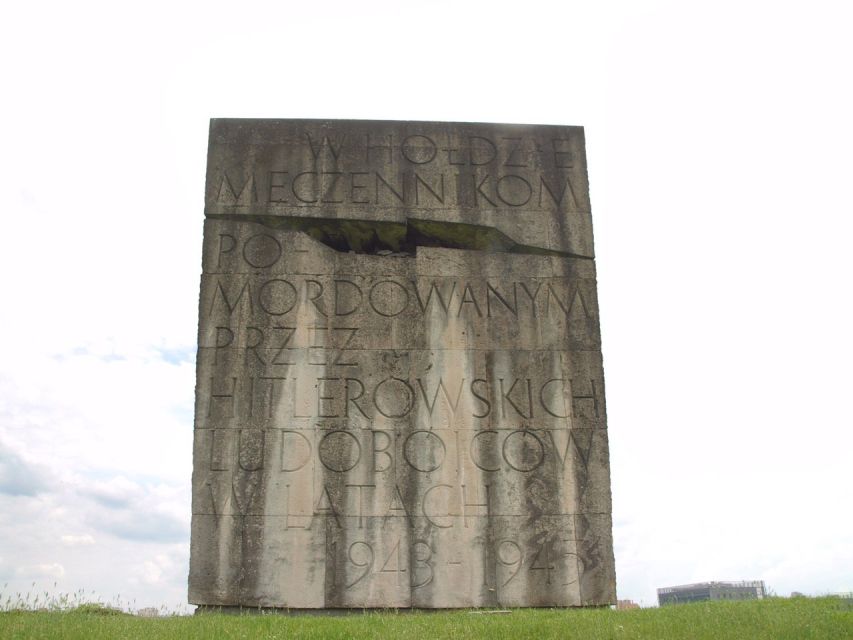
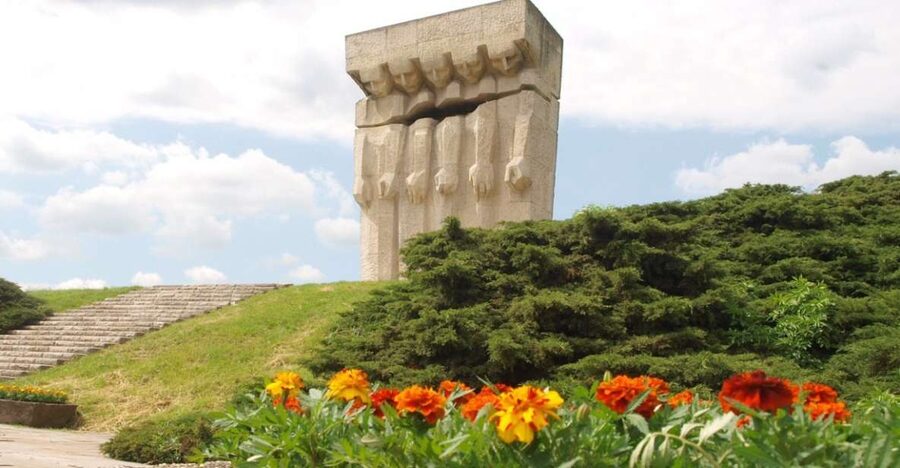
The site contains several memorials dedicated to the victims. These provide the clearest places for quiet reflection, but they are not arranged like a single indoor exhibition. You move between memorials, signs, and the remains of buildings or work areas.
I find this setting both powerful and demanding. The open space gives you room to think, but it can also make the history feel distant if you do not have someone explaining what stood in each area. The guide’s role is to connect the visible remains with the people who were imprisoned there.
The site’s future is also part of its story. Plans have been discussed for a more formal museum setting across the former camp area. Until that work is completed, you should not expect the presentation of a finished memorial museum. This is an outdoor historical site in transition.
That may be a drawback if you want rooms filled with objects, photographs, and displays. It is an advantage if you prefer to see the actual setting and hear the history while standing in the places where events took place.
Wear weather-appropriate clothing. The activity is outdoors, and the tour description does not promise shelter or indoor exhibits. A two-hour walk can feel quite different in rain, wind, or strong sun, so check the forecast before you leave.
Same city, a completely different kind of day:
- Kraków: Evening or Night River Cruise
★ 4.0 · 7,386 reviews - Krakow: Oskar Schindler’s Factory Entry Ticket & Guided Tour
★ 4.2 · 3,793 reviews - Krakow: City Sightseeing Tour by Electric Golf Cart
★ 4.5 · 3,264 reviews - Krakow: Schindler’s Factory Tour with Entrance Ticket
★ 4.5 · 3,182 reviews
The quarry and forced labor
The quarry is one of the most important parts of the visit because it helps you understand the physical demands placed on prisoners. The tour discusses labor there as well as work in military factories, showing that the camp was tied to production as well as detention.
You’ll hear about the different parts of the camp and how they functioned. The value is not in seeing a single preserved building. It is in learning how the whole site operated, and how labor shaped the daily experience of those held there.
Some visitors may find the quarry section especially useful because it gives scale to the camp’s work. The site is not only about administrative buildings or memorial stones. It also reflects the hard, dangerous labor that prisoners were forced to carry out.
Keep your expectations grounded. The information supplied for this tour does not promise preserved interiors or a large collection of artifacts. The quarry and the wider camp area are best understood through the guide’s explanation.
Oskar Schindler and the film connection
The tour also covers Oskar Schindler, the German industrialist whose story became widely known through Steven Spielberg’s 1993 film Schindler’s List. You learn about Schindler’s life and how the camp was represented on screen.
This is a useful part of the visit, but it should not replace the camp’s wider history. Schindler is one thread in the story. The tour keeps the focus on Plaszow, the victims, the forced labor system, and the Nazi persecution of Krakow’s Jewish population.
The film connection becomes especially clear when you visit the replica camp built in the Liban Quarry. It is located some hundred meters from the former camp area and was constructed under Spielberg’s direction for the movie.
That replica is an unusual stop. It lets you see how a film production recreated the appearance of a concentration camp, while also reminding you that the actual historical site is nearby. You should treat it as a film location, not as an original camp structure or a museum display.
For anyone interested in the movie, this adds real value. You can connect scenes from the film with the places selected for filming. For anyone less interested in cinema, the stop still helps explain how the story of Plaszow reached a global audience.
What makes the guide important
The strongest part of this tour is the human explanation. The site can be hard to interpret from signs alone, and a good guide brings order to the history without turning the visit into a rushed checklist.
One guide named Olga has received especially warm praise for her clear explanations, enthusiasm, kindness, and practical help after the tour. She has walked visitors to the nearest bus stop and helped them catch the correct bus back to Old Town. One particularly personal visit included stories about her own relatives and family, which gave the tour an added connection to the area.
You should not assume Olga will lead every departure, but her example shows the kind of guide this experience can provide. The guide is not there only to point out locations. The best version of the tour gives you dates, context, personal stories, and help making sense of a site that can otherwise feel very scattered.
The group size is not specified. One visit had only two people, which allowed for a very personal experience, but you should not book expecting a private tour unless your reservation confirms it.
Is two hours enough for Plaszow?
Two hours is a sensible length for a first visit. It gives you time to cover the main parts of the former camp, pause at memorials, discuss the Krakow ghetto deportations, examine the quarry and labor history, and walk to the film replica nearby.
It is not enough time for every possible historical detail. If you have a strong interest in World War II or Holocaust history, you may want to spend additional time in Krakow’s museums and memorial sites. This tour works best as a focused introduction to Plaszow rather than a complete study of Nazi occupation in Poland.
The pace should also suit you if you prefer explanation over a quick photo stop. There is a lot to take in, and the subject deserves attention. Give yourself a little quiet time after the tour before rushing to your next attraction.
Is $23 a fair price?
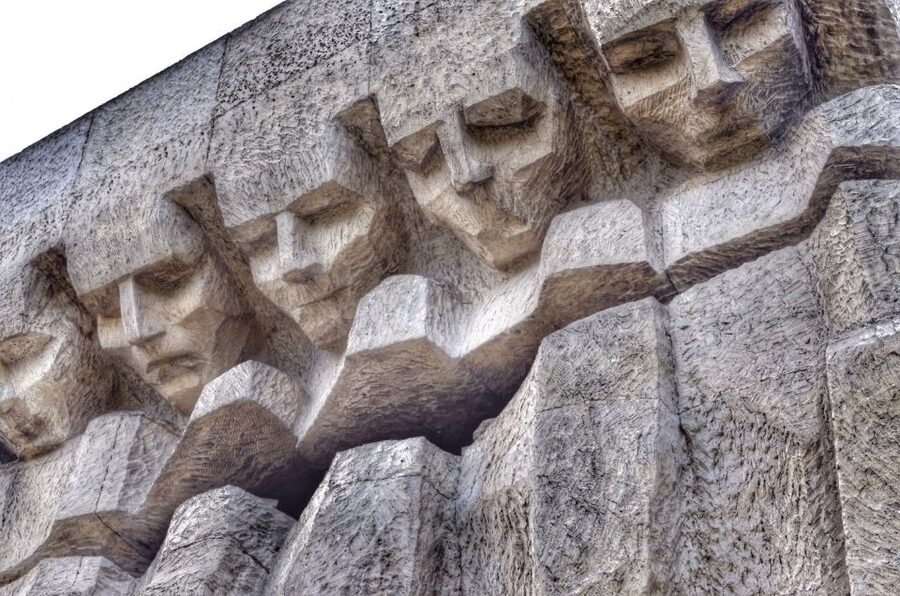
At $23 per person, the value comes from the licensed English-speaking guide rather than from admission to a large museum. The site itself is an open public area, so you are paying for interpretation, organization, and historical context.
I think that is a fair price for a two-hour guided visit, especially because Plaszow is not easy to understand on your own. The guide helps you identify the memorials, follow the camp’s development, understand the labor sites, and connect the area with Schindler’s List.
The price does not include tram tickets. That is a small extra cost, but it is worth remembering when you set your day’s budget. You should also allow time to reach Apteka Pod Orlem before the start.
Free cancellation up to 24 hours before the tour and the option to reserve now and pay later make the booking less rigid. Those policies are useful if your Krakow schedule is still taking shape.
Who should book this experience?
I would recommend this tour to you if you want a serious, guided look at Krakow’s wartime history and do not want to rely on signs at an open-air site. It suits people interested in World War II, the Holocaust, local history, Oskar Schindler, or the making of Schindler’s List.
It is also a good choice if you value personal storytelling. The guide may add family connections or practical help that you would not get from walking through the area alone.
I would be more cautious if you want a polished museum with extensive indoor displays, preserved rooms, or a large object collection. Plaszow is not presented that way. Its power comes from the place itself, the memorials, and the explanation you receive while walking through the former camp.
Should you book the Plaszow guided tour?
Book it if you want to understand what happened at Plaszow rather than simply see the location. The tour gives you the camp’s timeline, its forced labor system, the 1942 deportations from the Krakow ghetto, the quarry and military factories, the memorials, and the nearby film replica in one focused visit.
Skip it only if you are looking for a conventional museum experience or if an outdoor walk in serious weather would be difficult. For most visitors interested in Krakow’s wartime past, the $23 fee is a sensible investment in context. Just arrive prepared for an open site, wear suitable clothing, and remember that the guide’s words will do much of the work that museum walls normally provide.
FAQ
How long does the Plaszow guided tour last?
The tour lasts two hours. Starting times vary, so check availability when booking.
What language is the tour conducted in?
The tour is conducted in English with a live English-speaking guide.
Where does the tour begin?
The meeting point is at the entrance of Apteka Pod Orlem. Look for the guide holding an excursions.city sign.
Where does the tour finish?
The activity ends back at the same meeting point at Apteka Pod Orlem.
Are tram tickets included?
No. Tram tickets are not included in the tour price.
What should I bring?
Bring weather-appropriate clothing because the visit takes place outdoors at the former camp site and nearby quarry area.
Just added around Krakow
- stag dog chase Krakow prank★ 5.0 · 4 reviews
- Divine Mercy Sanctuary – Private Tour from Krakow★ 5.0 · 4 reviews
- ZALIPIE – painted village, unique small group tour from Krakow★ 5.0 · 7 reviews
- ZALIPIE – painted village, unique PRIVATE tour from Krakow★ 5.0 · 20 reviews
- Zalipie Private Tour from Krakow The Painted Village★ 5.0 · 4 reviews
- Wooden Churches Unesco List Private Tour from Krakow★ 5.0 · 14 reviews
- Guided tour to Salt Mine & Schindler Factory with Pick-Up Options★ 4.0 · 58 reviews
- Wawel Castle, Cathedral, & Rynek Underground Tour with Lunch★ 5.0 · 4 reviews
WWII Tours, compared.
Warsaw for WWII Buffs – private tour with hotel pickup
Read our review →
Treblinka Death Camp 6 Hour Private Tour from Warsaw
Read our review →
Stutthof Concentration Camp English Tour with Gdansk Hotel pickup
Read our review →Browse the lists this tour appears in