
Reviewed · JEWISH HERITAGE TOURS
Poznan: Private Jewish Heritage Tour
Poznan’s Jewish story is scattered across the city, and that is what makes this tour worthwhile. You move from the former quarter and New Synagogue to cemeteries, wartime memorials, and the site tied to forced labor under German occupation. The route shows both what survived and what was erased.
I like the private format, since you can ask about your own family, faith, or research without keeping pace with a large group. I also like the attention to people such as Rabbi Akiva Eger, whose name can otherwise pass quickly on a city walk.
The main consideration is walking. Jewish sites are spread across Poznan, so this is not a short stroll around one compact district. The meeting details also need care: the address is Stawna 10, but the exact synagogue entrance has caused confusion, so confirm the pin and look for the guide holding your name.
Key points at a glance
- Three hours across a scattered Jewish heritage route, not just a tour of the old quarter.
- Private guiding gives you room to ask personal and historical questions.
- Akiva Eger Square and his cemetery grove add a human face to Poznan’s Jewish past.
- Wartime sites include the Jewish labor camp memorial and places connected with the German occupation.
- Most Jewish landmarks are fragments or vanished buildings, so the guide’s explanation matters.
- Languages include English, Spanish, German, Russian, Polish, French, and Italian, with Martin, Matteusz, and other guides available depending on the booking.
Why Poznan’s Jewish story takes a full city walk
Poznan once had a large and influential Jewish community. Its story is tied closely to the city itself, but the physical remains are not gathered in one easy-to-see district.
That shapes the whole experience. You do not simply enter a preserved synagogue, walk through a complete Jewish quarter, and finish at a museum. Instead, you follow traces: a former community center, a synagogue damaged and destroyed during the Second World War, old burial grounds, memorial squares, and sites linked to persecution.
I find this approach honest and useful. It shows how a community can be central to city life for centuries and yet leave behind only scattered markers after war, occupation, and destruction. You will need to use your imagination at times, but a private guide can fill in the missing pieces.
The tour lasts about three hours. That is long enough to connect the sites without turning the experience into a full-day commitment. It is also long enough for questions, which matters here. Names, dates, religious traditions, cemetery customs, and the effects of the German occupation can become confusing when presented too quickly.
More Jewish Heritage Tours in Poznan:
- Krakow: Schindler’s Factory & Ghetto Guided Tour
★ 4.7 · 1,694 reviews - Krakow: Jewish Quarter and Former Ghetto Tour
★ 4.9 · 1,441 reviews - Krakow: Bike Tour of Old Town, Jewish Quarter and the Ghetto
★ 4.9 · 1,155 reviews
Starting at Stawna 10 and the former Jewish quarter
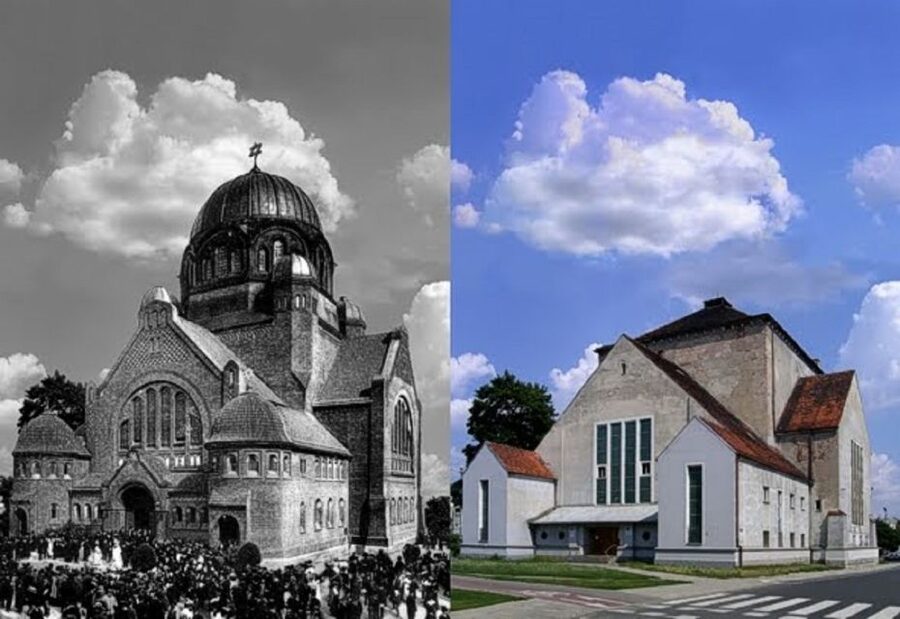
Your guide meets you by the New Synagogue on Stawna 10 Street, holding a sign with your name. This is the place to begin, but allow a little extra care when finding the exact meeting spot.
One booking account described the address as confusing because the location associated with the old synagogue and the newer synagogue are very close together, with the newer building no longer operating as a functioning place of worship. The practical lesson is simple: check the meeting point before you leave your hotel, and arrive a few minutes early.
The opening section covers the former Jewish quarter. This was once the social and religious center of Poznan’s Jewish population. You learn where the community worked, prayed, met, and organized its daily life.
The value of this stop is not only in what you can see. The quarter helps you picture Jewish Poznan as a living part of the city rather than a subject limited to wartime tragedy. That wider frame is important. The Holocaust is central to the tour, but it is not presented as the beginning or the end of Jewish life in Poznan.
You also see the former headquarters of the Jewish community. The exact condition of the surviving buildings varies, and some sites may require explanation rather than offering a dramatic interior visit. This is one reason a private guide adds real value.
The New Synagogue and the cost of what was destroyed
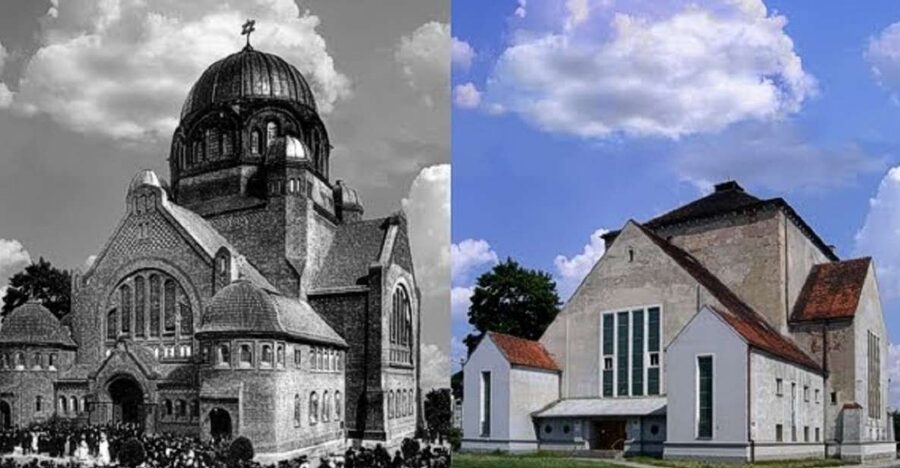
The New Synagogue is one of the tour’s key reference points. You should not expect a regular synagogue visit or a standard admission-based sightseeing stop. Entrance fees are not included, and the experience is primarily an outdoor walking tour with a guide.
The building and its history help explain the destruction of Jewish religious life during the German occupation. The tour also points out the synagogue destroyed by the Germans during the Second World War. In a city where much of the physical record has disappeared, even a small remnant or a changed site can carry considerable weight.
I like that the route does not pretend Poznan’s Jewish heritage is fully preserved. You will see absences as much as surviving structures. A good explanation can turn an ordinary street or open space into evidence of a former community.
Depending on your guide and route, the discussion may also connect the city’s Jewish sites with broader points of interest in central Poznan. One French-speaking guest appreciated that the guide adjusted the explanations to match what had already been seen elsewhere in the city. That flexibility is especially helpful if you have limited time or already know part of Poznan.
Akiva Eger Square and a rabbi remembered in the cemetery
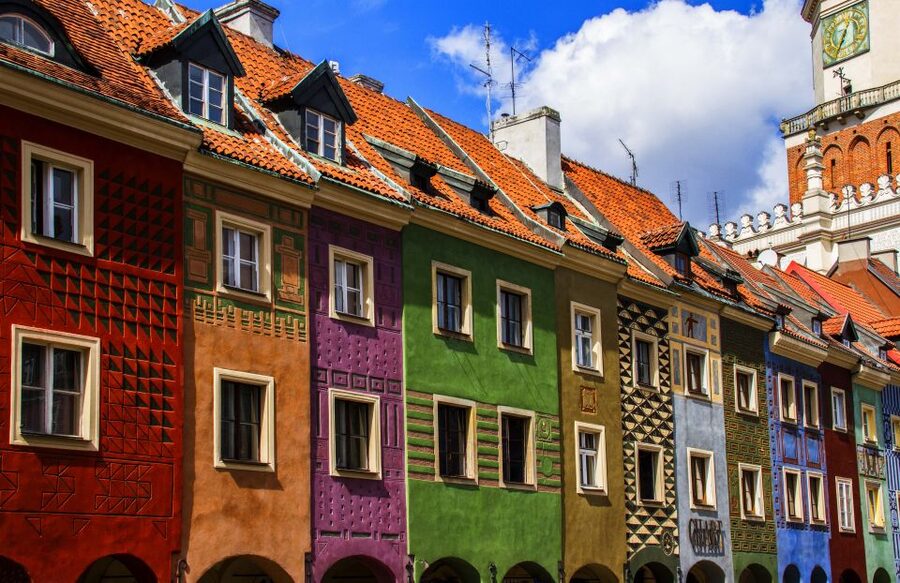
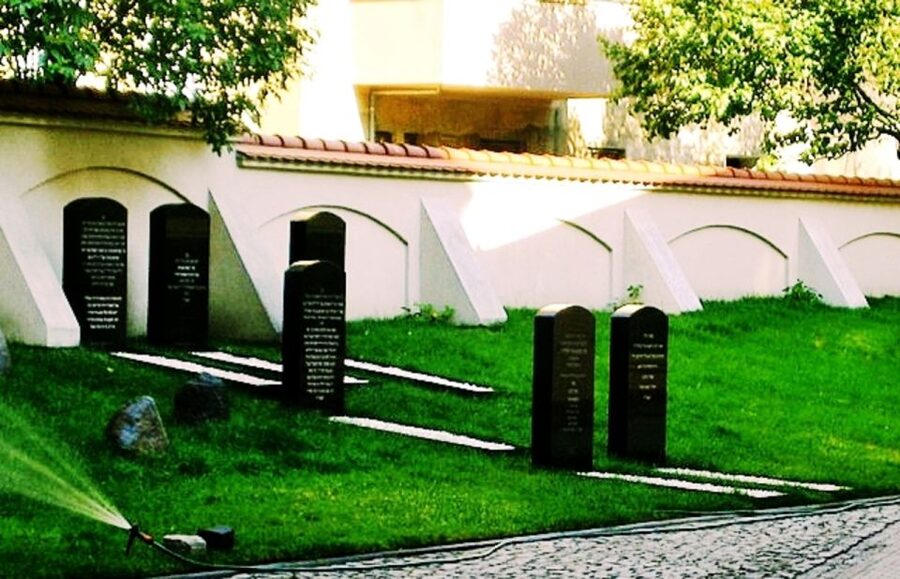
Akiva Eger Square gives the walk a personal focus. Your guide explains who Akiva Eger was and takes you to his grove in the Jewish cemetery.
This is more than a stop to collect another name. Eger was an important rabbinical figure, and his place in the story helps you see how religious leadership shaped the community. The cemetery setting also shifts the mood from city streets to memory and mourning.
Cemeteries can be difficult to understand without context. Hebrew inscriptions, altered boundaries, damaged stones, and unfamiliar burial customs may not explain themselves. Your guide helps connect the physical site with the people who lived in Poznan, rather than treating the cemetery as a set of old stones.
The route also includes the former burial ground at what is now Wolnosci Square. That contrast is striking. A public urban space can occupy the place of an older cemetery, and the guide’s explanation gives you a clearer sense of how the city changed over time.
You should expect a thoughtful stop rather than a theatrical one. This is a history walk, not a performance. The strongest moments come from the links between place, community, and loss.
More Historical Tours in Poznan:
- Gdansk: City Cruise on Historical Polish Boat
★ 4.8 · 2,913 reviews - Warsaw: POLIN Museum of the History of Polish Jews Ticket
★ 4.7 · 1,142 reviews - Gdańsk: Sunset Cruise on a Historic Polish Boat
★ 4.9 · 977 reviews - Gdańsk City Sights & History Guided Walking Tour in English
★ 4.8 · 876 reviews
Wolnosci Square and the vanished burial ground
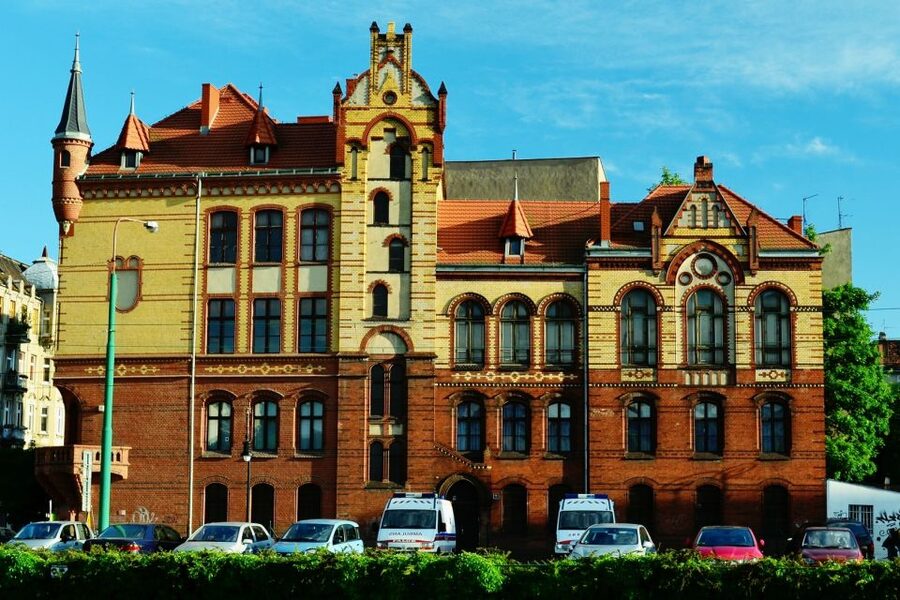
Wolnosci Square was once a place of eternal rest for Poznan’s Jews. Today, its public setting can make that earlier use hard to picture.
This is one of the tour’s most useful lessons: heritage does not always look like a preserved monument. Sometimes it appears through records, memorial markers, street patterns, and a guide explaining what stood there before. If you walk the city independently, you could easily pass through without knowing the ground beneath you had a different purpose.
The stop also adds balance to the cemetery visit. You see a Jewish burial place that remains identifiable, then another site whose original use has been absorbed into the modern city. Together, they show the range of what happened to Jewish places in Poznan.
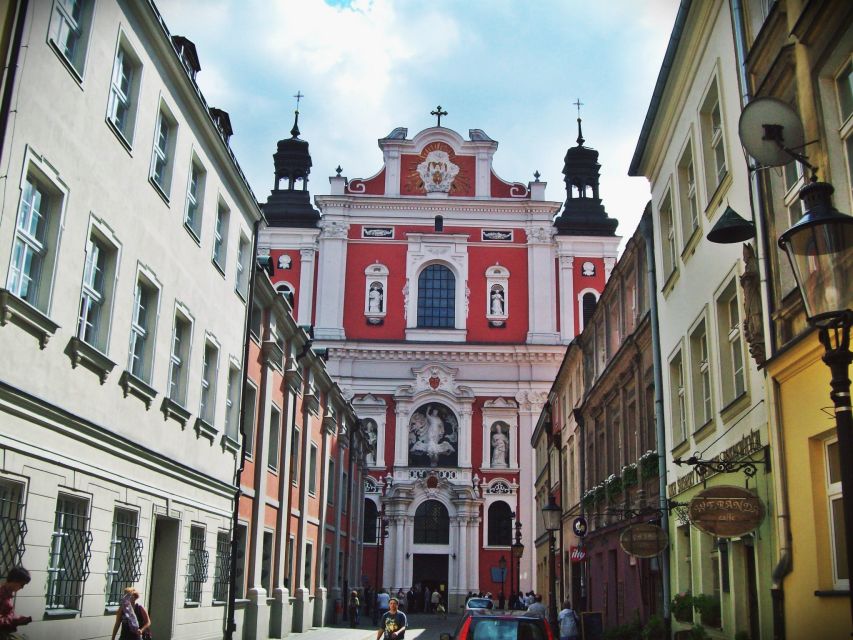
Because the Jewish sites are scattered, the walk also passes through other historic parts of the city. That is a benefit if you want a broader orientation to Poznan, though it means the tour is not focused only on Jewish monuments at every moment.
From community life to German occupation
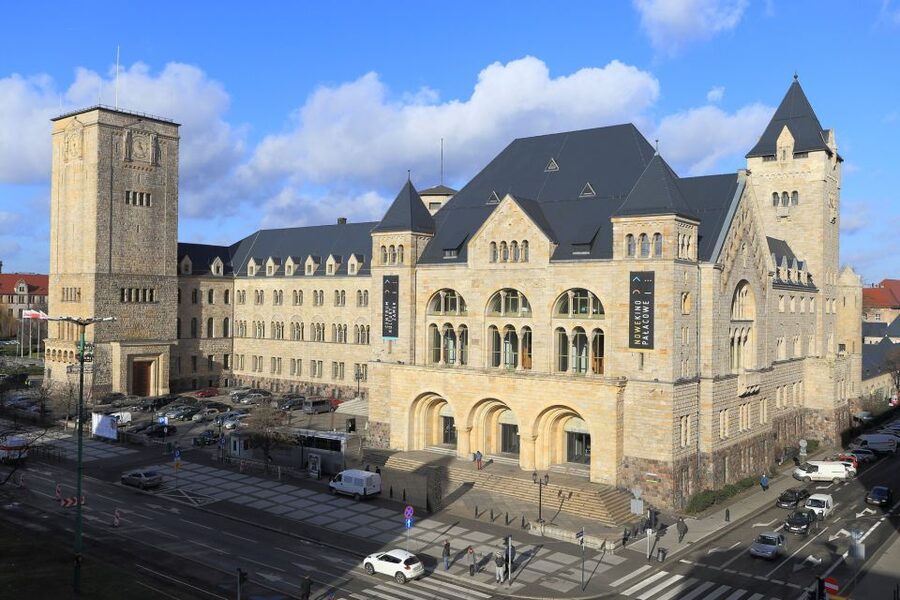
The second half of the route deals with the darkest period. You visit places connected with the forced labor camp for Jews in Poznan and learn about the Holocaust and German occupation.
The itinerary links this history with the City Stadium and the Monument to the Victims of the Labor Camp for Jews in Poznan. One past booking also included a visit to Fort VII and a walk around Poznan. Since routes can vary, ask your guide at the start exactly how the wartime section will be handled on your date.
This part requires a serious tone. The sites are not presented as attractions in the usual sense. You go to understand how persecution operated locally, where people were confined or forced to work, and how the city became involved in a system of violence.
The private setting is particularly helpful here. You can pause, ask for clarification, or discuss how Poznan’s experience fits into the wider history of occupied Poland. Martin has guided this tour in a way that leaves room for questions about both Polish and Jewish history. Matteusz has also been praised for extensive preparation and a strong personal commitment to Poznan and the subject.
Do not expect every wartime location to offer a large exhibition or a preserved camp complex. Some places are marked by monuments or explained from outside. The guide’s words provide much of the historical detail.
The Square of the Righteous and the new Jewish cemetery
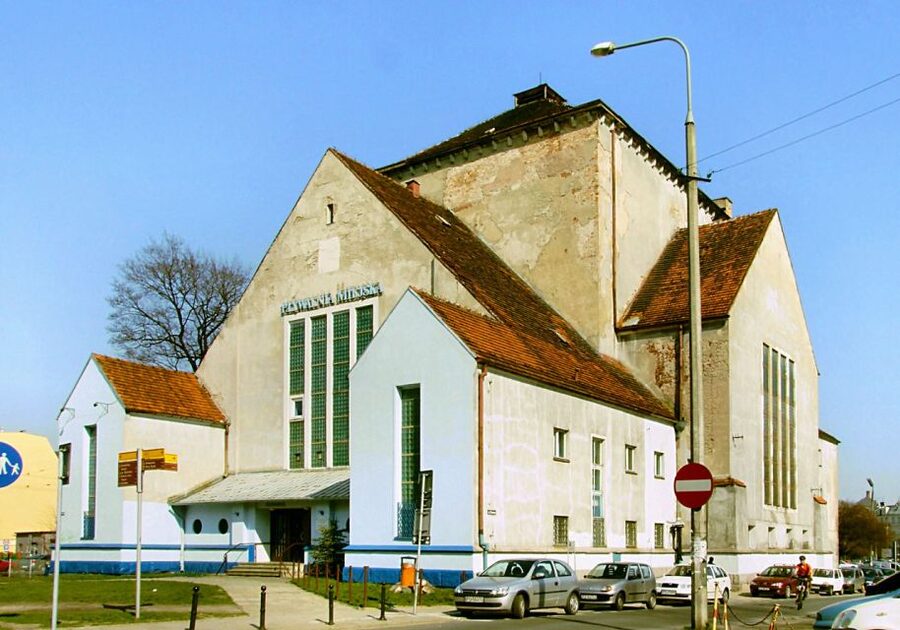
The Square of the Righteous Among the Nations adds another layer to the wartime story. The title refers to people who helped Jews during the Holocaust, and the square gives you a place to consider individual courage alongside organized persecution.
The route then continues to the new Jewish cemetery. This helps bring the story beyond destruction. Jewish life in Poznan did not end as a historical subject in 1945, and the cemetery provides a link with ongoing remembrance and community identity.
As with the older burial sites, respectful behavior matters. Stay with your guide’s instructions, keep the pace calm, and dress for an outdoor walk. The tour information describes the route as wheelchair accessible, but the exact condition of every surface and connection between stops is not detailed, so anyone with specific mobility needs should confirm the route before booking.
The cemetery and memorial stops are also where the tour may feel most personal. If you have family ties to Poznan or nearby towns, tell the guide at the beginning. One guest used the tour to understand family connections in the area, and that kind of background can help the guide direct attention to the places most relevant to you.
What the private format really adds
At $16 per person, the price is low for a three-hour private tour. The value is not in included admissions, since entrances are not covered. It comes from having a guide explain a scattered set of sites that would be difficult to connect on your own.
A private tour can cost more than joining a large group, but this one remains reasonably priced, especially for two or more people sharing the booking. You are paying for local interpretation, route planning, and the ability to shape the conversation.
The guides named in past bookings include Martin and Matteusz, along with a French-speaking guide praised for clear explanations and an adaptable approach. Guide assignment may vary, so do not book on the assumption that one particular person is guaranteed unless the provider confirms it.
Language choice is a real advantage. You can request English, Spanish, German, Russian, Polish, French, or Italian. For a subject involving names, religious terms, and painful historical events, following the explanation in your strongest language can make a major difference.
A small extra detail also emerged from one tour: Matteusz created a surprise drone video of the area at the end. Treat that as a possible personal touch, not a promised feature. The core experience is the walking tour and live explanation.
Who will get the most from this tour
I would choose this tour if you have a serious interest in Jewish history, Polish history, genealogy, cemeteries, or the Holocaust. It is also a good choice if you want a private introduction before exploring more sites on your own.
Families with a Poznan connection may find the format especially useful. Bring names, towns, dates, or questions if you have them. The guide cannot promise to solve every family mystery, but the route can help you understand the setting in which your relatives lived.
This is less suitable if you want a short, photo-focused outing or a single indoor museum visit. The tour involves substantial walking, and several locations are meaningful because of their history rather than their visual drama.
You should also allow time afterward to follow the guide’s suggestions. The tour ends with advice about what else you can discover independently. That makes it a good first-day activity for a longer stay in Poznan.
Cancellation is flexible up to 24 hours before the start for a full refund, and you can reserve without paying immediately. Those policies help if your schedule is still taking shape, though they do not change the need to arrive on time at the synagogue meeting point.
Should you book the Jewish Heritage Tour?
Book it if you want the Jewish history of Poznan explained as a connected story of community, religious life, destruction, survival, and remembrance. The guide is the key part of the experience, since many locations are scattered, altered, or easy to miss.
I would especially recommend it for family research, first-time visitors who want historical context, and anyone who prefers a private conversation over a set group script. At $16 per person for three hours, it offers strong value.
Skip it if you are looking for preserved interiors, a museum-heavy visit, or very little walking. For everyone else, this is a thoughtful way to see the places behind Poznan’s Jewish past, including several you would be unlikely to find by chance.
FAQ
Where does the Poznan Jewish Heritage Tour meet?
Your guide meets you by the New Synagogue at Stawna 10 Street. The guide will be holding a sign with your name. Check the exact location carefully because the nearby synagogue buildings can cause confusion.
How long does the tour last?
The walking tour lasts three hours. Starting times depend on availability when you book.
Is the tour private?
Yes. The activity is arranged for a private group rather than a shared public group.
Which languages are available?
Guiding is available in English, Spanish, German, Russian, Polish, French, and Italian.
Are entrance fees included?
No. The guide is included, but entrances are not included in the price.
Can I cancel the booking?
You can cancel up to 24 hours in advance for a full refund. You can also reserve now and pay later.
Just added around Poznan
- Private walking city tour in Poznan★ 4.0 · 9 reviews
- The Best of Poznan 4 Hour Guided Private Walking Tour★ 5.0 · 7 reviews
- Palace, Castle and Ancient Oaks – Rogalin and Kórnik guided tour from Poznan★ 5.0 · 4 reviews
- Private 3-hour Poznan Old Town Tour★ 5.0 · 5 reviews
- Poznan private tailor made tour with a local guide-driver★ 5.0 · 6 reviews
- Discover Poznan: Walk, Take a tram and have a traditional snack★ 5.0 · 4 reviews
- Poznan Private Vodka Tasting Tour★ 5.0 · 3 reviews
- Poznan Old Town and Croissant Museum Private Walking Tour★ 5.0 · 3 reviews
Jewish Heritage Tours, compared.

Bike Tour of Old Town, Jewish Quarter and the Ghetto
Read our review →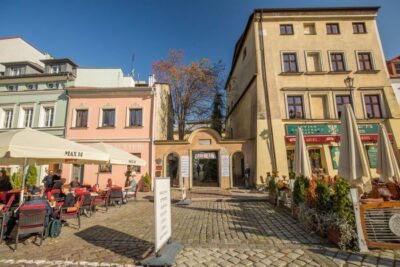
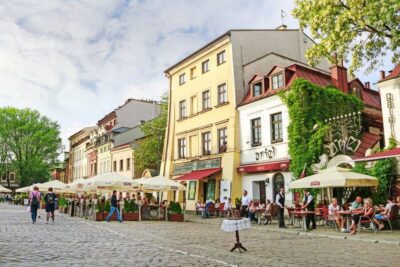
Kazimierz, Schindler’s Factory & Ghetto Guided Tour
Read our review →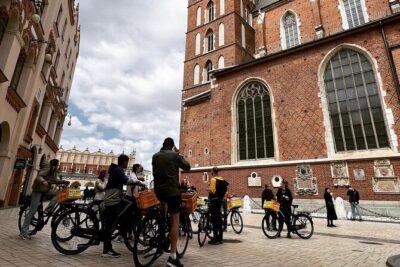
Full Bike Tour – the Old Town, Jewish Qtr & the Ghetto NEW BIKES
Read our review →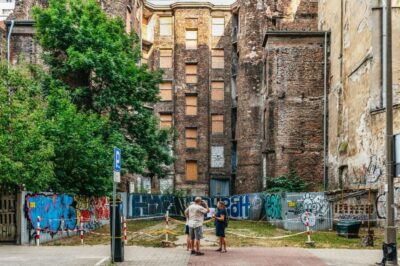
Warsaw Ghetto Private Walking Tour with Hotel Pickup
Read our review →
Bike Tour of the Old Town, Kazimierz, and the Ghetto
Read our review →Browse the lists this tour appears in