
Reviewed · JEWISH HERITAGE TOURS
Tour of the Warsaw Ghetto
The most powerful part of this Warsaw tour is that it takes you through ordinary streets where the ghetto once existed. Much of the area was destroyed, rebuilt, or absorbed into modern Warsaw, so the guide’s old photographs and maps are essential. They help you see the city that is no longer there.
I like the route for two clear reasons: it connects daily life, deportation, and resistance in a logical order, and it includes places you could easily miss alone, such as the surviving ghetto wall fragments at Waliców and the former bridge site on Chłodna Street. The drawback is the walking. You spend about 2.5 hours on foot, with only around 30 minutes on public transport, and the subject is emotionally demanding.
Key points to know before booking
- Photographs and maps make vanished streets visible: Guides such as Marzena use historical images to compare prewar Warsaw with the streets in front of you.
- The tour covers both the Small and Big Ghettos: Chłodna Street explains how the two sections were connected.
- You visit real deportation and resistance sites: Umschlagplatz and Miła 18 give the story a strong physical setting.
- It is a private activity: Only your group takes part, so you can ask questions and set the pace within the three-hour schedule.
- Public transport is part of the experience: Expect walking plus bus, tram, or underground travel.
- POLIN’s main exhibition is not included: Plan another 2.5 hours if you want to visit it properly.
Why this route matters in modern Warsaw
Warsaw’s former Jewish quarter is not a single preserved district with rows of old buildings. The city was devastated during the Second World War, and later rebuilding changed much of the area. That can make the ghetto difficult to understand at first glance.
This tour solves that problem by using the city as a historical map. A quiet street, a wall fragment, a monument, or a modern building becomes part of a larger story. Your guide explains where the ghetto boundary ran, how the area was divided, and how the Nazi authorities tightened control over Jewish residents.
I value that approach because it avoids reducing the subject to a list of monuments. You hear about homes, hunger, forced movement, work, family life, deception, resistance, and deportation. The tour also places the ghetto within the wider story of the German occupation of Warsaw.
The route is serious from beginning to end. This is not a light sightseeing walk with a short historical aside. It is best approached as a memorial experience and a history lesson in the open air.
More Jewish Heritage Tours in Warsaw
- Warsaw: Warsaw Ghetto Private Walking Tour with Hotel Pickup
★ 4.9 · 369 reviews - Warsaw: Jewish History Guided Walking Tour in English
★ 4.7 · 324 reviews - Private Tour: Warsaw’s Jewish Heritage by Retro Fiat
★ 5.0 · 208 reviews
Próżna Street and the first view of the former ghetto
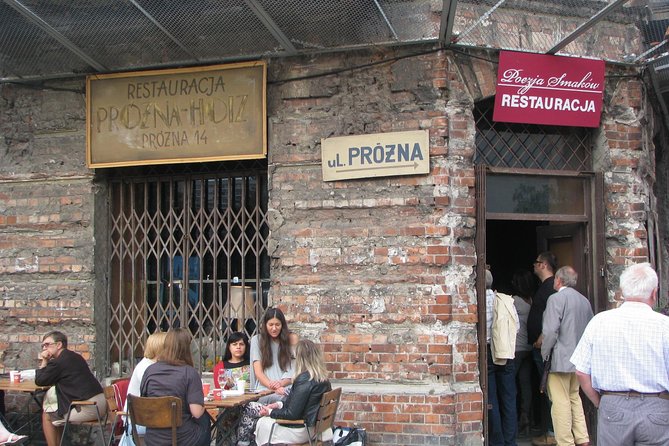
The route begins at Próżna 11, unless the guide collects you from a city-center hotel. Próżna is one of the last streets connected with the former ghetto area, and its surviving buildings help you picture the prewar neighborhood.
This is a useful starting point because the street gives you something concrete before the tour moves into less obvious locations. You can look at the buildings while the guide explains how the area functioned before and during the war.
The official stop lasts about 20 minutes. Admission is free, but the pavement and city streets mean you should wear comfortable shoes. If you are staying in an apartment, the pickup arrangement requires you to wait outside rather than in a reception area.
Nożyk Synagogue and what survived
The Nożyk Synagogue is the only synagogue in Warsaw that survived the Second World War and remains in operation. The planned visit lasts about 15 minutes, and admission costs an additional €5 per person.
That extra fee is small compared with the value of seeing an active place of worship connected to Warsaw’s Jewish past and present. It also gives the tour a useful contrast. You are not only looking at memorials to destruction. You are seeing a living institution.
Timing matters here. On Friday afternoons from 1 p.m., Saturdays, and Jewish holidays, the synagogue visit does not take place. If this stop is important to you, check your date before booking. The rest of the route still goes ahead, but the synagogue portion will be omitted.
Waliców and the last physical traces
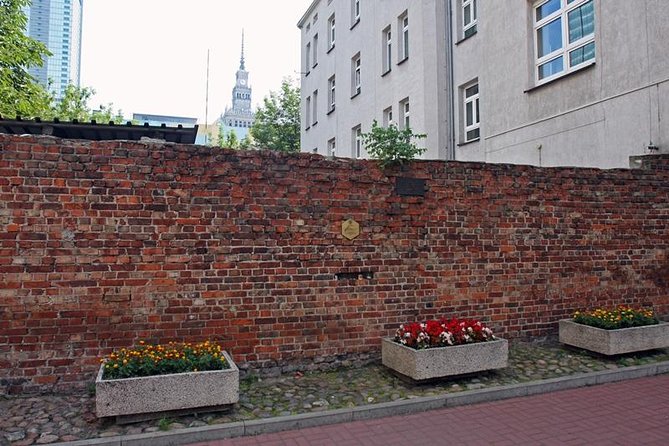
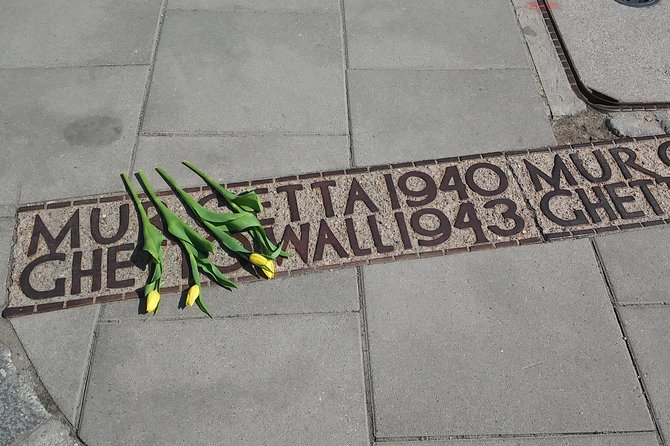
At Waliców, you see fragments of the ghetto wall and hear about the ghetto’s creation, daily conditions, and the uprising in 1943. This stop lasts about 15 minutes and is free.
The wall fragments are not grand ruins. That is exactly why the explanation matters. Without a guide, you might walk past them without understanding what they mark. With old photographs and maps, the fragments become evidence of a boundary that once controlled where people could live and move.
This is also one of the places where the tour’s visual method works best. Guides, especially Marzena, have used large historical photographs to show what stood at the same location before the war and how the district changed afterward. You get a clearer sense of scale than a monument alone can provide.
Same city, a completely different kind of day:
- Warsaw: Chopin Concert in the Old Town
★ 4.8 · 2,287 reviews - Warsaw: Traditional Galar Cruise on The Vistula River
★ 4.6 · 1,640 reviews - Warsaw: Old Town Highlights Walking Tour in English
★ 4.7 · 1,516 reviews - Warsaw Concert: Chopin – Painted by Candlelights with Wine
★ 4.8 · 1,442 reviews
Chłodna Street and the vanished bridge
Chłodna Street marks the location of the bridge that once connected the Small and Big Ghettos. The bridge became one of the best-known symbols of the Warsaw Ghetto because it showed how the district was divided, even within the enclosed area.
You will not see the original bridge. You see the street and hear what happened there. That distinction is important. The tour does not pretend that modern Warsaw has preserved every scene. Instead, it explains how to read the location.
This stop also brings in the story of Władysław Szpilman, the pianist known from Roman Polański’s film. The connection gives a personal voice to a place that might otherwise feel abstract. Allow about 20 minutes here.
Umschlagplatz and the machinery of deportation
At Umschlagplatz, the focus shifts to deportation and the Final Solution. This was the place from which Jewish residents were sent away, and the tour explains how the Nazi plan was put into practice.
The stop lasts about 15 minutes. It is one of the hardest parts of the route because the location represents a process rather than a single battle or event. The guide explains the stages of control, removal, and transport, helping you understand how persecution became organized mass murder.
The value of visiting in person is not that the site provides a complete picture by itself. It is that the physical location gives weight to the explanation. You are standing where people were gathered and forced onto transports, not simply reading the name in a museum caption.
POLIN and the monument to the ghetto heroes
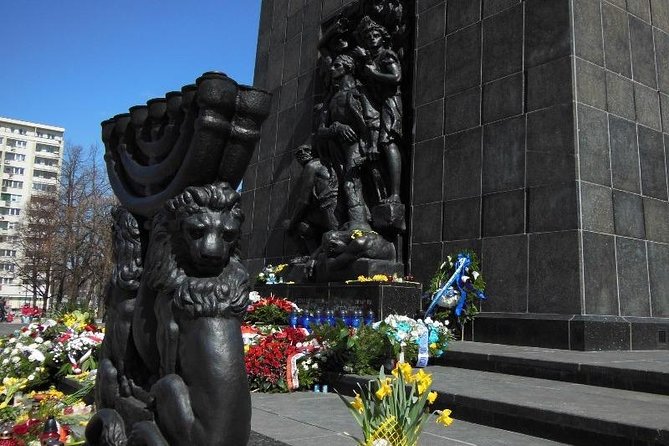
The route continues toward the POLIN Museum of the History of Polish Jews and the Ghetto Heroes Memorial. You learn more about life inside the ghetto, why people took up arms, and who helped them.
The memorial is also linked to Willy Brandt’s famous act of kneeling in Warsaw. His gesture took place at the nearby monument and became a major symbol of German remembrance and responsibility.
The tour includes a stop at the monument to Willy Brandt, listed as about 10 minutes, and explains the spot where he knelt. This is a brief stop, but it adds a postwar layer to the route. The story is not only about what happened during the occupation. It also concerns how later generations remembered and confronted it.
The tour ends at the POLIN Museum area, at Mordechaja Anielewicza 6. The main museum exhibition is not part of the tour, so do not assume that a visit to POLIN is included simply because the route finishes there.
Miła 18 and the 1943 uprising
At Miła 18, you see the former location of the bunker connected with the Warsaw Ghetto Uprising. The stop lasts about 10 minutes.
The site is understated. There is no preserved bunker interior to explore. Instead, the guide explains what happened there and why the location matters. This is another place where photographs, maps, and clear storytelling make a major difference.
I would pay close attention here if the uprising is your main reason for booking. The route covers it, but the tour also gives substantial time to the creation of the ghetto, everyday life, deportation, and the wider occupation. One person found the uprising portion shorter than expected, so readers seeking a detailed military account may want to allow extra time for independent reading or a museum visit.
Pawiak Prison and the wider occupation
Pawiak Prison is a short stop of about 10 minutes. The guide explains the prison’s role and places it within the broader story of Nazi control in Warsaw.
This stop helps prevent the tour from becoming too narrowly focused on the ghetto boundary. Jewish residents suffered specific persecution, but the German occupation also affected the wider Polish population through imprisonment, terror, and executions. The route connects those histories without losing its central focus on Jewish Warsaw.
Because Pawiak is near the end, you may be carrying a lot of information by this point. The subject matter is heavy, and the walking can add to your fatigue. Still, the stop gives the tour a broader frame and shows that the ghetto story was part of a much larger system of occupation.
How the three hours actually feel
The tour is advertised at about three hours, though some experiences have lasted closer to four hours. Plan for a substantial morning or afternoon rather than a quick one-hour walk.
Around 2.5 hours are spent walking. The remaining 30 minutes use public transport, such as a bus, tram, or underground connection. This gives you a practical look at modern Warsaw, but it also means you should be ready for changes in pace, stairs, platforms, and city traffic.
The order of the stops can change based on your hotel location. City-center hotel pickup is offered, with the guide meeting you at reception and carrying a PolinTours sign. If you stay in an apartment, you wait outside for the guide.
This is a private tour, so your own group participates. That is a real advantage for a difficult subject. You can ask direct questions, pause when needed, and spend more time on points that matter to you. The guide does not have to fit your group into a large coach schedule.
English is the available tour language. Guides including Marzena and Olivia have been praised for clear explanations, careful pacing, strong storytelling, and the ability to answer many questions. Do not count on requesting a particular guide unless the operator confirms it, but the repeated mention of Marzena suggests she is one of the experienced guides associated with the route.
Price, value, and what is not included
The price is $102.78 per person. That is not cheap for a three-hour city tour, especially since most outdoor stops have no admission charge.
The value comes from the private format, hotel pickup in the city center, public transport connections, and the guide’s preparation. The historical photographs, maps, and explanations help you find locations that are easy to miss alone. You are paying for interpretation and structure, not entry tickets to a long list of attractions.
The Nożyk Synagogue admission is extra at €5 per person. The main POLIN exhibition is also separate. If you visit POLIN afterward, allow about 2.5 hours for its main exhibition with an audio guide.
POLIN’s stated opening hours are Monday and Thursday through Friday from 10 a.m. to 6 p.m., Wednesday and Saturday through Sunday from 10 a.m. to 8 p.m., and Tuesday closed. Check the museum’s current schedule before planning the same-day visit, since opening times can change.
Who should book this tour
I would choose this tour if you want the Warsaw Ghetto explained through actual locations rather than only through a museum display. It suits adults with a strong interest in Jewish history, the Second World War, Warsaw, remembrance, or the mechanics of Nazi persecution.
It can also work well for older teenagers who are prepared for the subject. The operator says the tour is not suitable for children, and I agree that the material is too difficult for young children.
You should book it if you value a guide who can connect dates and places, and if you are comfortable walking for several hours. You might prefer a shorter or less intense activity if you have limited mobility, little time, or are looking for a light introduction to Warsaw.
The tour is particularly useful on a first visit because it gives you a framework for later visits to POLIN, Pawiak, or other memorials. It also helps you understand why some locations seem empty. The absence of old buildings is part of the story, not a sign that nothing happened there.
Practical tips for a respectful visit
Wear supportive shoes and bring water. The route uses city streets, public transport, and outdoor memorial sites, so weather can affect your comfort.
Leave space in your schedule afterward. You may want quiet time following the visit, especially after Umschlagplatz, Miła 18, and Pawiak. This is not a tour to squeeze between lunch and shopping.
If you want to enter Nożyk Synagogue, avoid Friday afternoon from 1 p.m., Saturday, and Jewish holidays. If you want POLIN’s main exhibition, book the tour early enough to allow another 2.5 hours and confirm that the museum is open.
Free cancellation is available up to 24 hours before the start time. Cancellations or changes made less than 24 hours ahead are not accepted for a refund.
Should you book the Warsaw Ghetto tour?
Book it if you want a serious, place-based account of Warsaw’s Jewish history and the Nazi occupation. The route is well chosen, the private format gives you room for questions, and the use of old photographs makes a destroyed neighborhood easier to picture.
Skip it if you want a short, easygoing sightseeing walk or if you cannot manage long periods on foot. Also remember that the Nożyk Synagogue and POLIN’s main exhibition require extra planning.
For most adults visiting Warsaw with an interest in history, I consider this a worthwhile use of three hours. It does not replace the POLIN Museum, but it gives the museum and the city streets a stronger meaning when you visit them afterward.
FAQ
How long does the Warsaw Ghetto tour last?
The tour lasts about three hours, although some visits may run closer to four hours. Around 2.5 hours are spent walking, with about 30 minutes using public transport.
What language is the tour offered in?
The tour is offered in English.
Is hotel pickup available?
Yes. Pickup is offered from hotels in Warsaw’s city center. The guide meets you at reception with a PolinTours sign. If you stay in an apartment, you should wait outside.
Is this a private tour?
Yes. Only your group participates in the activity.
Is admission to the Nożyk Synagogue included?
No. Admission costs €5 per person. The synagogue visit is not conducted on Friday afternoons from 1 p.m., Saturdays, or Jewish holidays.
Does the tour include the main POLIN Museum exhibition?
No. The tour visits the POLIN area and discusses the museum and Ghetto Heroes Memorial, but it does not include the main exhibition. You should allow about 2.5 hours for that visit separately.
Is the tour suitable for children?
The activity is not considered suitable for children. The subject matter is serious, and the route involves several hours of walking.
Can I cancel for a full refund?
Yes, if you cancel at least 24 hours before the experience start time. Cancellations or changes made less than 24 hours in advance are not refunded or accepted.
Just added around Warsaw
- Wolfs Lair and Swieta Lipka Small Group Tour from Warsaw with Lunch★ 4.5 · 21 reviews
- Wolf’s Lair & Treblinka Tour in 1 day from Warsaw★ 5.0 · 37 reviews
- Wolfs Lair “Hitler’s Headquarters” – Full Day Tour from Warsaw by private car★ 4.5 · 4 reviews
- Tour from Warsaw: Wolf’s Lair, Hitler’s HQ Zones I and II★ 5.0 · 32 reviews
- Wolf’s Lair Private Day Trip from Warsaw★ 5.0 · 50 reviews
- Warsaw Must-See Local City Tour with Antek and Tomek★ 5.0 · 51 reviews
- Off the Beaten Track in Warsaw: Private City Tour★ 4.5 · 9 reviews
- Warsaw’s Old Town A Self-Guided Audio Tour★ 4.5 · 10 reviews
Jewish Heritage Tours, compared.

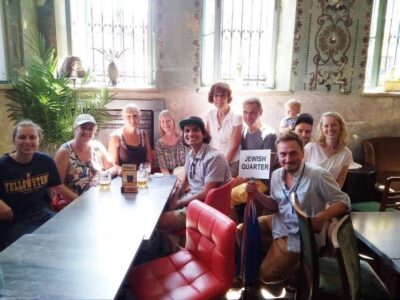
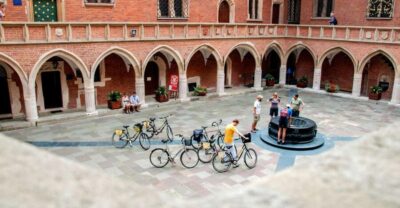
Bike Tour of Old Town, Jewish Quarter and the Ghetto
Read our review →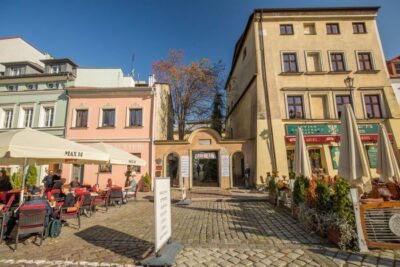
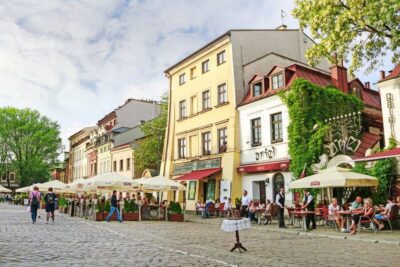
Kazimierz, Schindler’s Factory & Ghetto Guided Tour
Read our review →
Full Bike Tour – the Old Town, Jewish Qtr & the Ghetto NEW BIKES
Read our review →
Warsaw Ghetto Private Walking Tour with Hotel Pickup
Read our review →
Bike Tour of the Old Town, Kazimierz, and the Ghetto
Read our review →Browse the lists this tour appears in