
Reviewed · JEWISH HERITAGE TOURS
Lodz: Jewish Heritage Private Tour
Łódź’s Jewish story is best understood across the city, not from one museum display. This private tour links the former Litzmannstadt ghetto, Radegast Station, the Jewish cemetery, and surviving landmarks with the city’s factories and grand central promenade.
I like the private format, since guides such as Marek, Krys, and Krzysztof have adapted the route to personal interests, adding locations when asked. I also like the range of stops: this is not only a Holocaust tour, but a look at Jewish life, industry, architecture, memory, and modern Łódź.
The main consideration is that the quality and focus can depend on your guide. One account praised the city history but found the treatment of Jewish memory unsuitable, and the exact transport arrangement was not clear beforehand. Ask your guide early about the cemetery entrance and vehicle plan.
Key points to know before booking
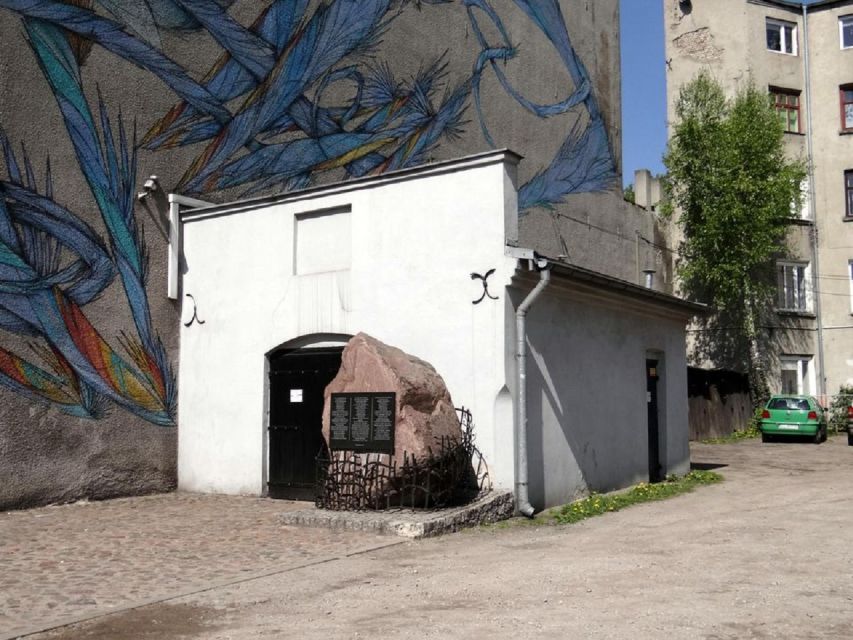
- Radegast Station anchors the Holocaust story: This former railway station was the departure point for Jews sent to extermination camps and the arrival point for Jews transported from western Europe and nearby ghettos.
- The Jewish cemetery is the largest in Poland: You may need to ask specifically to go inside, rather than viewing it only from outside.
- More than wartime history: Manufaktura, once tied to Jewish businessman Israel Poznański, and Piotrkowska Street show how Jewish industrial and urban life shaped modern Łódź.
- A genuinely private outing: You travel with your own group and can raise particular questions or request added locations.
- Four hours covers a lot: The route is efficient, but the number of sites means some stops may be more explanatory than leisurely.
- Entrance fees are extra: Hotel pickup, drop-off, transport, and a live guide are included, but admissions are not.
Why Łódź’s Jewish story needs a citywide tour
Before World War II, more than 200,000 Jews lived in Łódź. They made up about one third of the city’s population, alongside Polish, German, and other communities in this major industrial center.
That scale matters. You are not simply following a few isolated plaques. You are looking at a city where Jewish families worked, worshipped, traded, built factories, supported institutions, and helped shape urban life before the war destroyed the community.
A private guide can connect those pieces in a way that a self-guided walk may not. You can ask how the Jewish community fitted into Łódź’s industrial growth, or request more information about architecture, local literature, films, and the city’s wider past. Krys, Marek, and Krzysztof have each been praised for making room for those broader interests, though your experience will depend on who leads the tour.
The subject also requires care. This is a serious itinerary, with stops tied to deportation, imprisonment, murder, and the destruction of Łódź’s Jewish population. If you want a tour that treats Jewish life as more than a prelude to the Holocaust, this route has the right range. At the same time, ask direct questions if you want more attention on religious practice, family life, or prewar community institutions.
More Jewish Heritage Tours in Poland:
- Krakow: Schindler’s Factory & Ghetto Guided Tour
★ 4.7 · 1,694 reviews - Krakow: Jewish Quarter and Former Ghetto Tour
★ 4.9 · 1,441 reviews - Krakow: Bike Tour of Old Town, Jewish Quarter and the Ghetto
★ 4.9 · 1,155 reviews
Radegast Station and the machinery of deportation
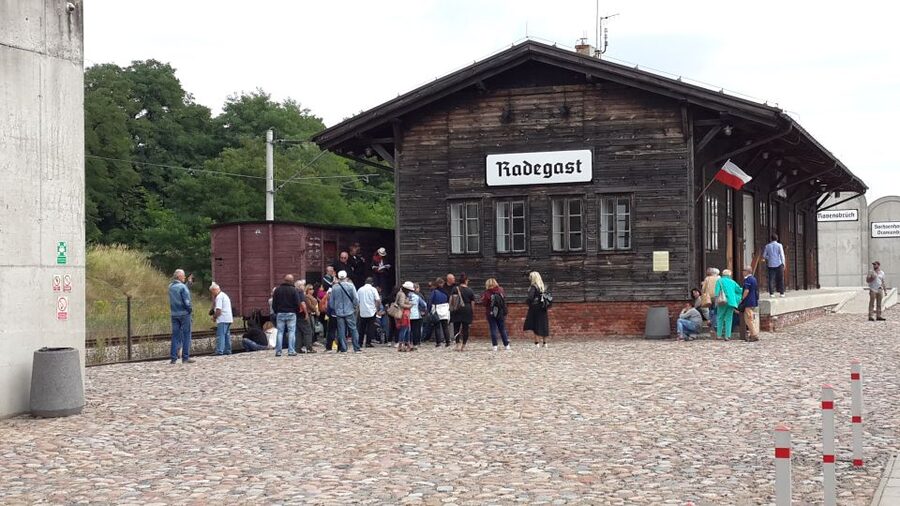
Radegast Station is one of the tour’s most important stops. It was the final point for trains carrying Jews from western European countries and provincial ghettos in the Wartheland area. From here, people were deported from the Litzmannstadt ghetto toward extermination camps.
Your guide explains the station as part of a wider system, rather than treating it as a stand-alone monument. That context helps you understand the ghetto’s place in the Nazi deportation network and the speed with which Łódź’s Jewish community was dismantled.
This is also a place where the guide’s tone matters greatly. One recent account objected to critical comments about the way Jewish memory is presented at the Radegast memorial. That is a useful warning: if you want a carefully Jewish-centered account of remembrance, say so when the tour begins. A private group gives you the chance to set that expectation clearly.
Allow emotional space here. The location is not a quick photo stop, and a four-hour route can feel demanding when it moves from one difficult site to the next. The benefit of a private tour is that you can ask for explanation rather than simply passing through.
The Jewish cemetery: ask to go beyond the entrance
The Jewish cemetery is described as the largest Jewish necropolis in Poland. It is one of the strongest places on this route for seeing the scale and continuity of Jewish life in Łódź.
A cemetery can show what monuments alone cannot: names, family connections, dates, symbols, and the physical size of a community. The visit also shifts the focus from deportation and death toward the people who lived in Łódź before the war.
Do not assume that seeing the cemetery from the outside means you have had the full visit. One person specifically noted that it was up to the visitor to ask to enter rather than only view it externally. I would raise this with your guide at the start, especially if the cemetery is a main reason for booking.
Entrance fees are not included in the tour price, so check whether an admission charge applies and how the guide plans to handle it. The supplied details do not give opening hours or a fixed admission arrangement, so you should confirm those practical points before departure.
Remembering children at the Broken Heart monument
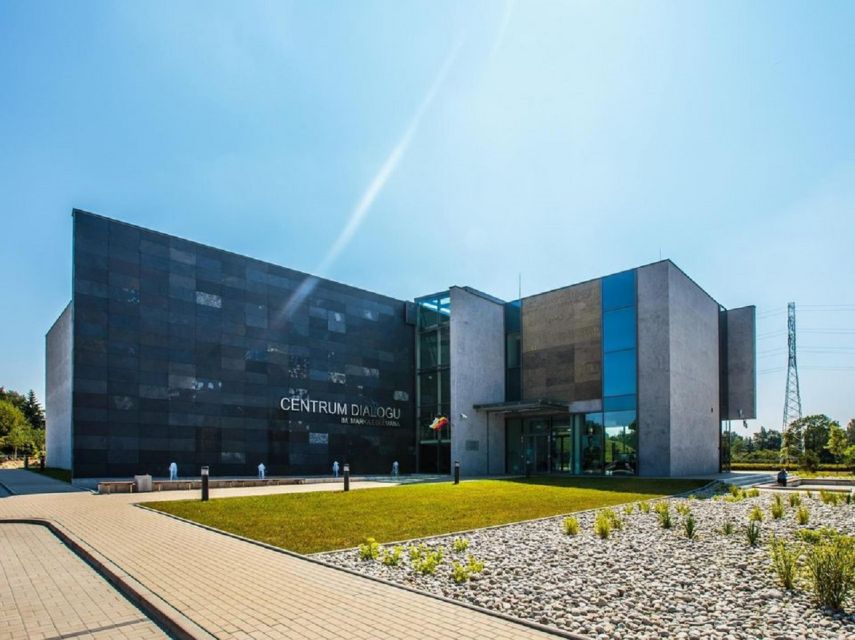
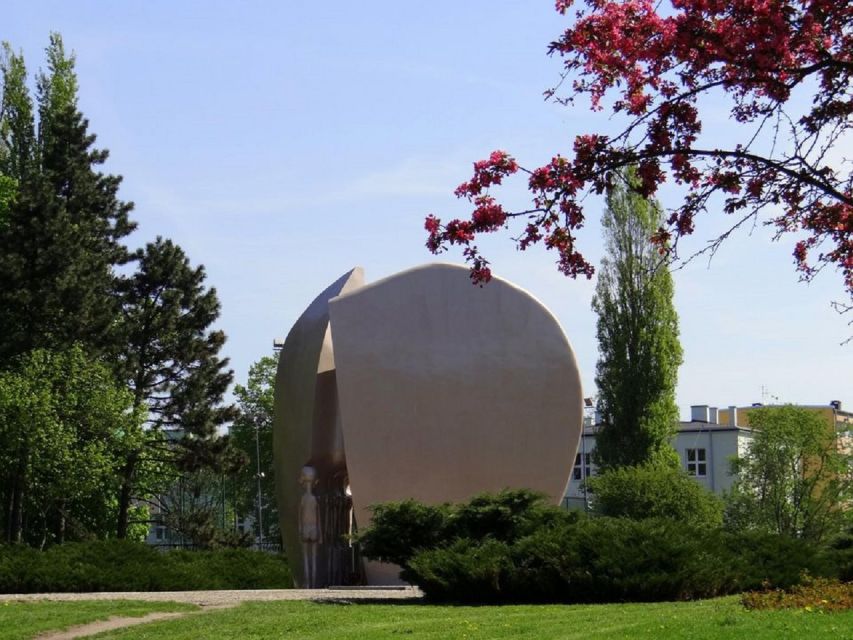
The Children’s Martyrdom Monument is also called the Monument of the Broken Heart. It honors Polish children who died or were murdered while imprisoned in the camp on Przemysłowa Street.
This stop widens the story beyond the Jewish community, while remaining firmly tied to the Nazi occupation of Łódź. It is a reminder that children were not spared from the camp system and that the city’s wartime suffering affected several groups.
The monument may be especially meaningful if you want to understand how Łódź remembers wartime victims outside the main Jewish memorial sites. Your guide can help place it beside the ghetto story, rather than leaving it as an isolated sculpture.
More Historical Tours in Poland:
- Gdansk: City Cruise on Historical Polish Boat
★ 4.8 · 2,913 reviews - Warsaw: POLIN Museum of the History of Polish Jews Ticket
★ 4.7 · 1,142 reviews - Gdańsk: Sunset Cruise on a Historic Polish Boat
★ 4.9 · 977 reviews - Gdańsk City Sights & History Guided Walking Tour in English
★ 4.8 · 876 reviews
Survivors’ Park and the memory trees

Survivors’ Park commemorates the liquidation of the ghetto. Its most personal feature is the collection of more than 600 memory trees planted by people who survived the Litzmannstadt ghetto.
The trees create a quieter pause in a demanding itinerary. Each one represents survival and remembrance, giving the memorial a living quality without turning the subject into something easy or decorative.
I like this stop because it links the city’s present-day public space with people who endured the ghetto. It also gives you time to process what you have seen at Radegast Station and the Children’s Martyrdom Monument.
Reicher Synagogue, Łódź’s lone surviving prewar synagogue
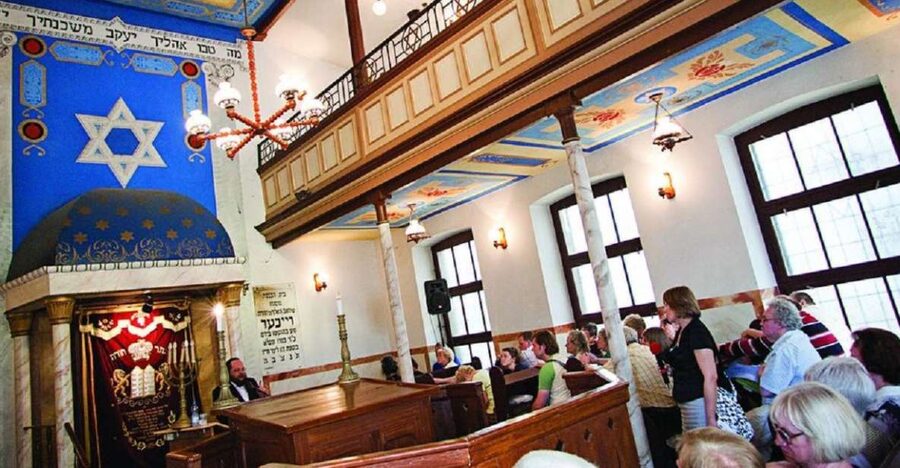
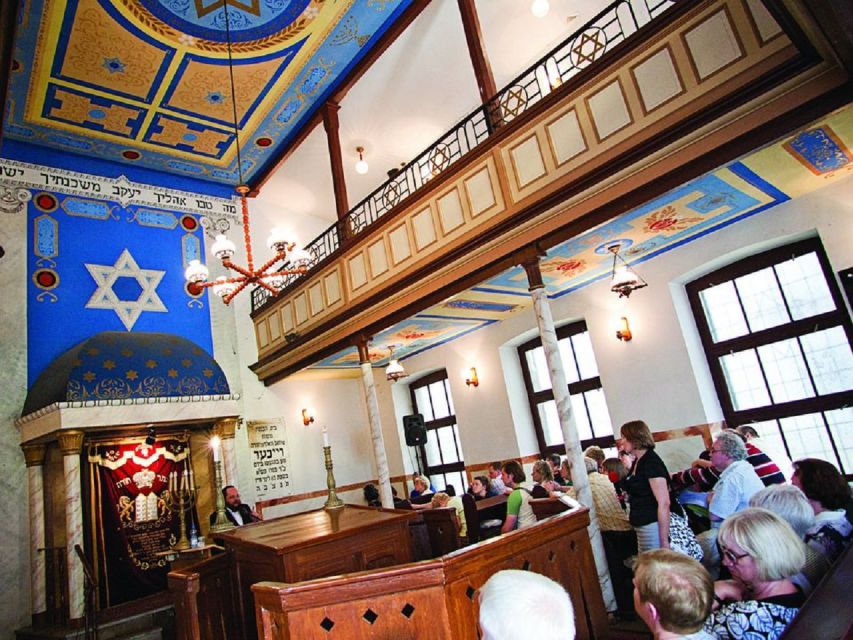
Reicher Synagogue is described as the only remaining prewar synagogue in Łódź. It survived the occupation because it was used as a salt warehouse.
That detail says a great deal about both destruction and chance. A building that once served religious life was stripped of its original use, yet the structure survived when so much else was lost.
The synagogue is an important stop for anyone interested in architecture and everyday Jewish life. It helps you picture a functioning community rather than seeing Jewish Łódź only through memorials. The available information does not promise a specific interior visit, so treat this as a stop where access may depend on conditions and opening arrangements.
Manufaktura and Israel Poznański’s industrial legacy
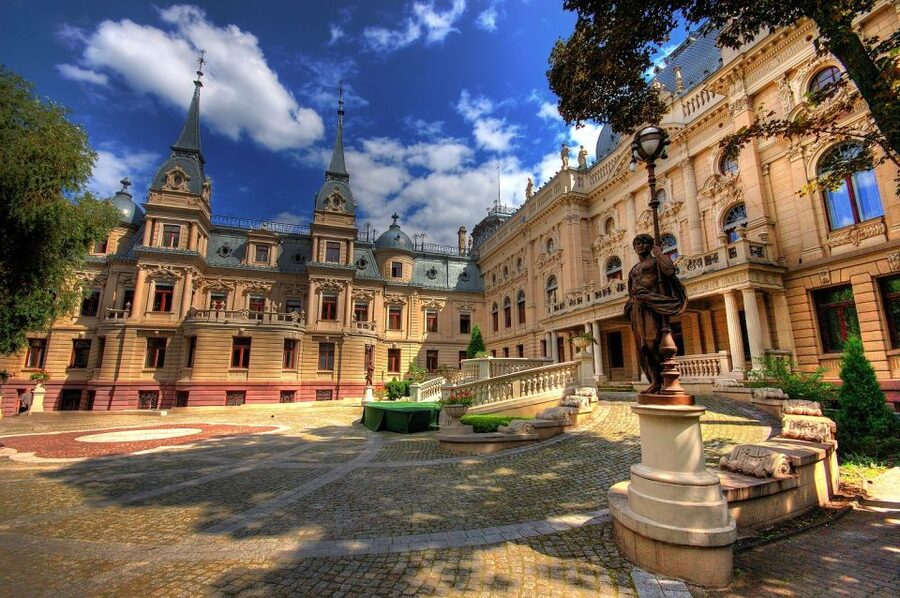
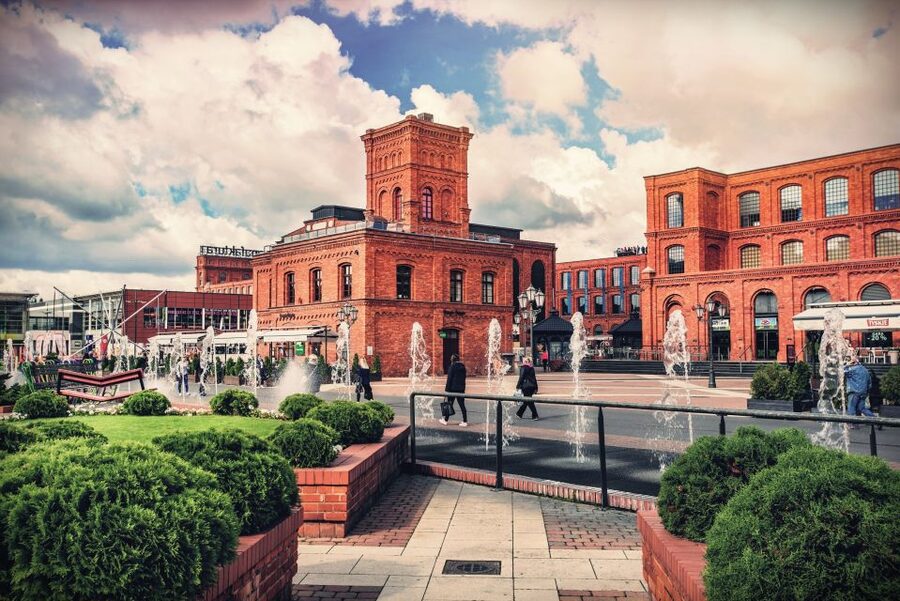
The tour then connects Jewish history with Łódź’s industrial rise at Manufaktura. This renovated factory complex once belonged to Jewish businessman Israel Poznański.
Today, the site has an open-air plaza surrounded by large brick buildings, with shops, restaurants, and a long run of fountains. The modern setting can feel far removed from the factory’s working past, which is exactly why the guide’s explanation matters.
You get to see how an industrial property has been reused rather than preserved as a frozen monument. The red-brick buildings give you a strong sense of Łódź’s factory architecture, while the public plaza shows how the former complex functions now.
This is also where the tour broadens beyond Jewish heritage. Poznański’s business helped shape the city, and the site gives you a practical way to connect commerce, class, architecture, and the multinational character of nineteenth-century Łódź.
Piotrkowska Street, the city’s long public room
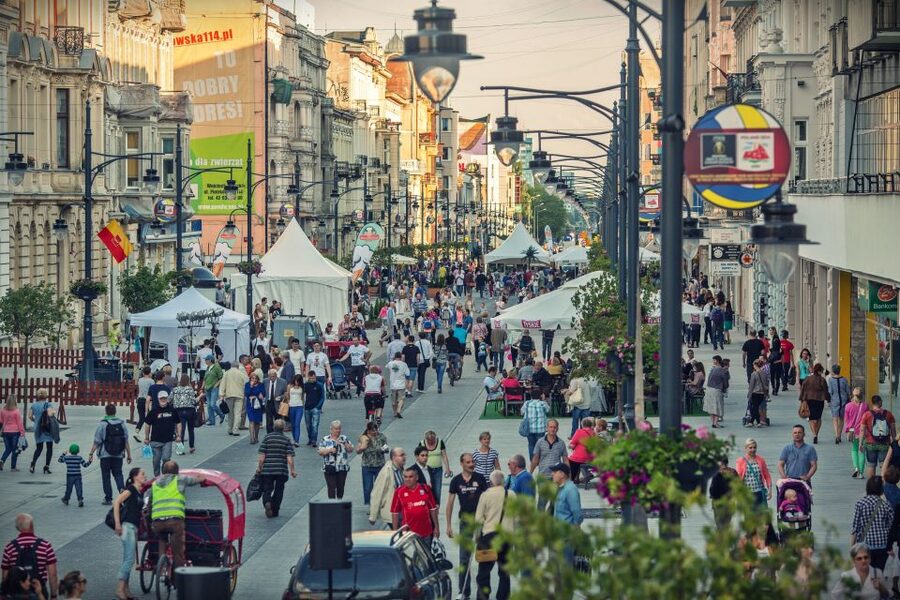
The final walk takes you along Piotrkowska Street, Poland’s longest promenade. It is lined with shops, pubs, restaurants, and sculptures honoring well-known residents of Łódź.
After the memorial sites, Piotrkowska provides a change of pace. You see how people use the city today, and your guide can point out what to explore on your own after the tour ends.
This is a useful finish because it gives you orientation. If you are staying in Łódź, you can return for food, drinks, shopping, or a slower look at the sculptures. It also prevents the tour from ending only with the darkest chapters of the city’s past.
The tradeoff is time. In four hours, Piotrkowska is likely an introduction rather than a full street-by-street exploration. If you already know you want extra time there, ask your guide how much of the route can be adjusted.
What the private format adds
The tour is designed for a private group, with hotel pickup and drop-off, transport, and a live guide. Private touring is valuable here because the subject can raise personal and family questions that do not fit neatly into a fixed group script.
Several guides have been praised for being flexible and for adding places connected to a group’s interests. Some also bring in film, books, architecture, and general Łódź history. That wider knowledge can make the tour feel less like a list of memorials and more like a city lesson.
Still, clarify the transport plan. Transportation is included, but one booking account expected the guide to drive the group in a private car or bus and found that this did not happen. The safest approach is to ask whether the route uses a guide’s vehicle, another arranged vehicle, or a mix of transport and walking.
The guide languages are English, German, Russian, and Polish. The available details identify Marek, Krys, and Krzysztof as guides who have led this experience, but you may not be able to choose a specific person when booking.
Is $46 a fair price for four hours?
At $46 per person, the value is strongest if you want hotel pickup, a private group, and an efficient introduction to several parts of Łódź. A private guide who can adjust the discussion or add a location gives you more control than a standard large-group city tour.
The price does not include entrances. That matters most if you want to enter the Jewish cemetery or any site with an admission charge, so budget a little extra and confirm the details in advance.
You are also paying for coverage. In four hours, you can reach the former ghetto area, Radegast Station, the cemetery, the children’s memorial, Survivors’ Park, Reicher Synagogue, Manufaktura, and Piotrkowska Street. You will not have unlimited time at each place, but the route gives you a useful first map of Łódź’s Jewish and industrial past.
The rating is 4.7 from 14 reviews, with repeated praise for clear explanations, flexibility, and strong city knowledge. One lower rating raises a serious concern about how Jewish memory was discussed, so I would not book this on price alone. Contact the provider or guide with your priorities if the subject is personally important to you.
You can cancel up to 24 hours before the tour for a full refund, and you can reserve now and pay later. Your guide waits in the hotel lobby with your name, so be ready on time.
Who should book this Łódź tour?
I would recommend it to you if you want a broad first look at Łódź and prefer a private guide who can explain connections between Jewish life, the Holocaust, factories, architecture, and the modern city.
It suits travelers with limited time in Łódź, family members tracing Jewish roots, and anyone who wants to ask questions without a large group listening in. It is also a good choice if you want hotel pickup and a planned route rather than arranging several distant sites yourself.
I would be more cautious if you want a specialist academic tour focused almost entirely on Jewish religious life or if you expect every stop to include a long interior visit. The four-hour schedule is broad, and entrances are not included.
Before setting out, tell your guide that you want to enter the cemetery, ask how the transport works, and explain whether you prefer Jewish community life, Holocaust history, architecture, or present-day Łódź. Those three questions can make the private format work much better for you.
Should you book it?
Book this tour if you want the main Jewish and wartime sites covered in one private morning or afternoon, with enough general city context to understand how Łódź developed. The route is particularly useful for first-time visitors who want Radegast Station, the cemetery, Survivors’ Park, Reicher Synagogue, Manufaktura, and Piotrkowska Street connected by one guide.
Book with a clear brief. Ask for a careful, respectful treatment of Jewish history, confirm the cemetery entrance, and settle the transport details before the day begins. At $46 per person, it is a strong value when the guide matches your interests and the route is tailored to your group.
FAQ
How long is the Łódź Jewish Heritage Private Tour?
The tour lasts four hours.
What languages are available?
Live guiding is available in English, German, Russian, and Polish.
Is hotel pickup included?
Yes. The guide meets you in the hotel lobby with your name and provides hotel pickup and drop-off.
Is transportation included?
Transportation is included, but the exact arrangement is not specified. One account indicates that a private guide vehicle was not used, so confirm the transport plan before the tour.
Are entrance fees included?
No. Entrances are not included in the tour price.
Can I cancel the booking?
Yes. You can cancel up to 24 hours in advance for a full refund. You can also reserve now and pay later.
Just added around Poland
- Lower Silesia Tour From Wroclaw★ 4.5 · 33 reviews
- Wroclaw Old Town Private Tour★ 5.0 · 6 reviews
- Museum of Illusions Wroclaw Entrance Ticket★ 5.0 · 42 reviews
- Krakow and Wieliczka Salt Mine Tour from Wroclaw – Local guides included★ 4.0 · 5 reviews
- Legends of Old Town 1 Hour Walking Tour in Wroclaw★ 5.0 · 6 reviews
- Jewels of Lower Silesia★ 5.0 · 22 reviews
- Guided Private Tour to Auschwitz Birkenau & Krakow from Wroclaw★ 5.0 · 4 reviews
- Highlights of Wroclaw Private Tour with one Entrance★ 5.0 · 5 reviews
Jewish Heritage Tours, compared.

Bike Tour of Old Town, Jewish Quarter and the Ghetto
Read our review →
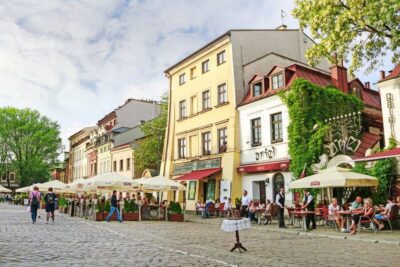
Kazimierz, Schindler’s Factory & Ghetto Guided Tour
Read our review →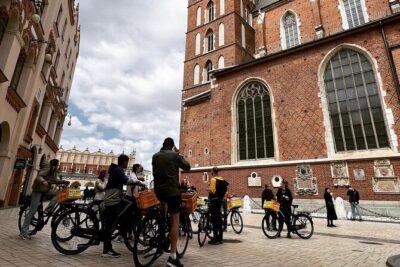
Full Bike Tour – the Old Town, Jewish Qtr & the Ghetto NEW BIKES
Read our review →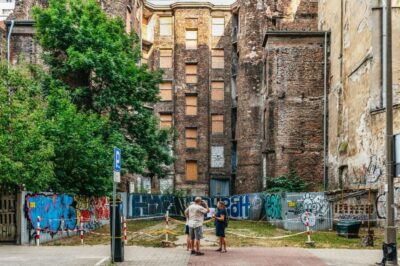
Warsaw Ghetto Private Walking Tour with Hotel Pickup
Read our review →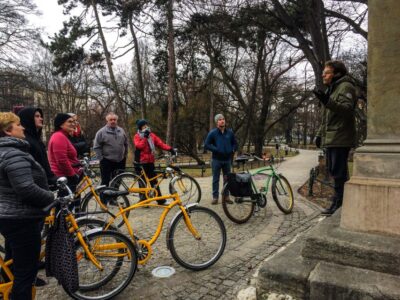
Bike Tour of the Old Town, Kazimierz, and the Ghetto
Read our review →Browse the lists this tour appears in