
Reviewed · GDANSK SHIPYARD TOURS
Gdansk: European Solidarity Centre Guided Tour
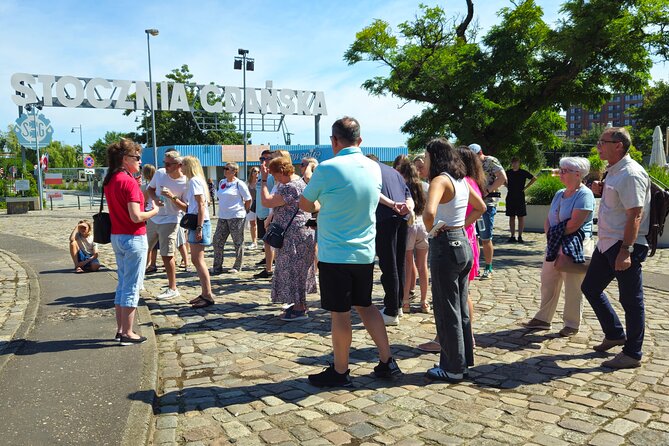
Gdańsk’s European Solidarity Centre tells the story of how ordinary workers challenged an authoritarian state. The museum brings you close to the strikes, the Solidarity movement, and the round table talks that helped change Poland. Recreated scenes and multimedia displays make this far more than a room-by-room history lesson.
I like the guided access and the way the exhibits connect Poland’s struggle to freedom movements elsewhere in Eastern Europe. I also like the practical setup: your entrance ticket is included, and the guide can lead in English or Polish. One caution: the tour includes climbing and descending staircases, and the quality of the guide can shape the experience. Marta has received especially warm praise, while another visitor felt the guiding could have been stronger.
Key points to know before booking
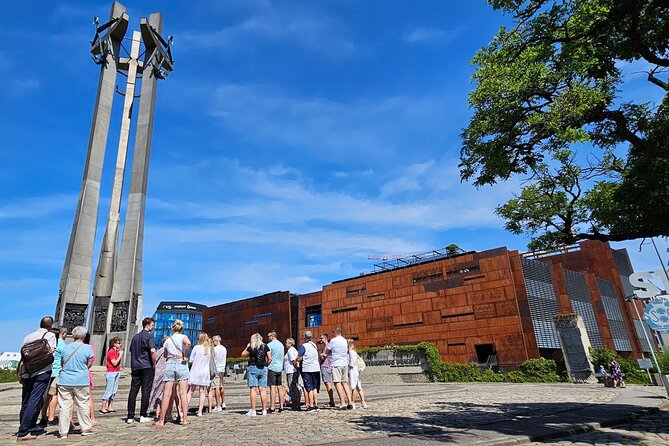
- A 150-minute visit gives you time to follow the story without rushing through the main displays.
- The focus is people, not just political dates, with Lech Wałęsa, Polish workers, and the Solidarity movement at the center.
- Recreated strikes and round table negotiations help you picture events that changed Poland.
- The story reaches beyond Gdańsk, showing how Solidarity influenced freedom movements across Eastern Europe.
- English and Polish guiding is available, with Marta named as a particularly well-liked guide on some departures.
- Skip-the-line entry is included, but you must arrange your own transport and leave large bags behind.
Why the European Solidarity Centre matters
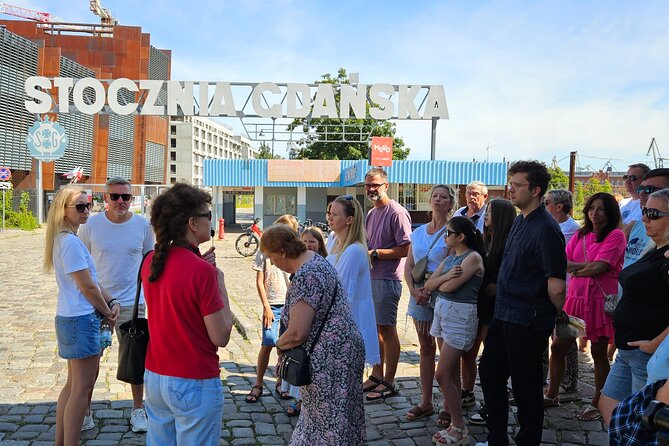
The European Solidarity Centre is not simply a museum about one political party or one famous Polish leader. It explains how workers, families, activists, and citizens pushed back against communism and demanded basic rights.
That human scale matters. You do not encounter the subject only through official speeches or a list of dates. The displays place you alongside Polish workers during strikes and show how a local labor dispute grew into a wider movement.
The word Solidarity refers to the Polish trade union and social movement that became a major force for change. Lech Wałęsa is one of its best-known figures, but the story is larger than him. The centre helps you see the collective effort behind the movement.
You should also expect a serious visit. The subject includes repression, political pressure, social conflict, and the long fight for freedom. The museum’s modern presentation makes the material easier to follow, but it does not turn the past into light entertainment.
More Gdansk Shipyard and Solidarity tours:
- Sunset on the Shipyard and Old Town Evening Cruise
★ 4.5 · 86 reviews - Gdansk: Private Communism Tour with Solidarity Center Museum
★ 5.0 · 28 reviews - Solidarity Tour
★ 5.0 · 25 reviews
Following the workers’ fight against communism
The tour’s central thread is the struggle between ordinary Polish workers and the communist system. Recreated strikes give you a sense of the pressure surrounding those events. They help turn an abstract political story into something you can picture: workers organizing, demanding change, and taking risks.
The guide is useful here because the displays can contain a lot of information. A good explanation helps you understand what you are seeing and why it mattered. If your group is led by Marta, expect a guide who has been warmly singled out for making the experience emotional and memorable.
The English or Polish language choice is important. If you are comfortable in English, you can follow the tour without needing to rely only on written panels. Polish-speaking visitors have the option of hearing the story in their own language.
Do not expect every departure to feel identical. Guide quality can vary, and one piece of feedback specifically found the guiding less satisfying. That is a fair reason to keep your expectations measured. The centre itself carries the visit, but the guide’s timing, clarity, and storytelling still matter.
Multimedia displays that make history easier to grasp
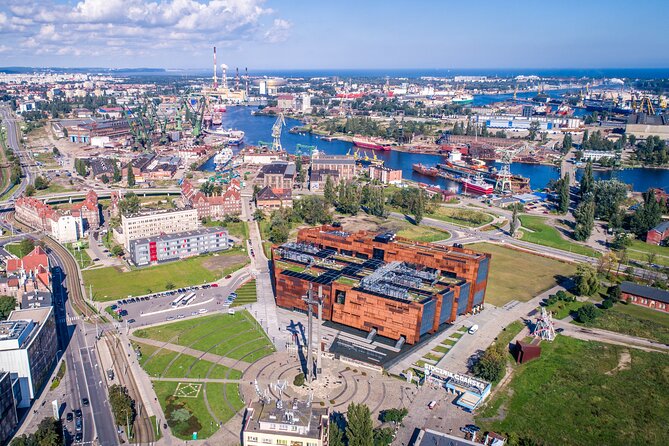
This is a modern museum, and its presentation uses multimedia rather than relying only on glass cases. Recreated scenes, audiovisual material, and interactive elements help you follow events in sequence.
I like this approach for a complicated subject. Poland’s anti-communist struggle involves institutions, workers, negotiations, international pressure, and public protest. A purely text-based museum could feel heavy. Multimedia displays give you another way to understand the setting.
Still, interactive does not mean effortless. You will get more from the visit if you pay attention to the guide’s explanations and allow time to read and look closely. The 150-minute length is helpful, but it is not unlimited.
You may need to choose between lingering at a display and staying with the group. If a particular exhibit catches your attention, make a note of it for a later return visit if your schedule allows. The guided tour gives you structure, but it cannot cover every detail at equal length.
The round table negotiations and what they changed
One of the most important parts of the visit is the presentation of the iconic round table negotiations. These talks represent a major shift from confrontation toward political change.
The round table is valuable because it shows that the struggle did not end with a strike or a dramatic protest. Negotiation became part of the story. The display gives you a way to understand how political change can move through discussion, compromise, and public pressure.
For me, this is where the museum’s wider message becomes clear. Freedom movements are not made only of heroic moments. They also involve difficult meetings, uncertain choices, and people trying to turn public energy into lasting change.
The guide can add useful context here, especially if you are unfamiliar with Poland’s political system at the time. You do not need to arrive as a history expert. The tour is designed to lead you through the main events, though you should plan to ask questions if your guide allows time for them.
A few more Gdansk half-days worth comparing
- Gdansk: City Cruise on Historical Polish Boat
★ 4.8 · 2,913 reviews - Gdańsk: Sunset Cruise on a Historic Polish Boat
★ 4.9 · 977 reviews - Gdańsk City Sights & History Guided Walking Tour in English
★ 4.8 · 876 reviews - Gdansk: Firearm Shooting Experience with Instructor
★ 4.8 · 866 reviews
Solidarity’s influence beyond Poland
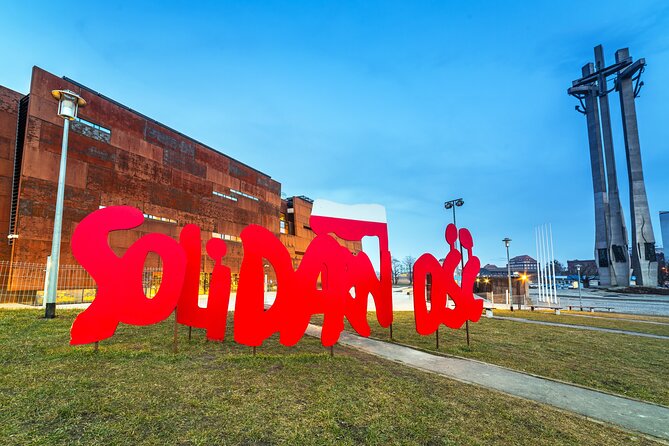
The centre does not treat Solidarity as a story that ends at Poland’s borders. Its displays examine the movement’s influence across Eastern Europe and its place in a wider fight for freedom.
That broader view makes the visit more useful for you. You can see how an event rooted in Gdańsk became part of a larger regional change. The museum connects local action with international consequences without losing sight of the people who began the movement.
The message remains relevant because the centre also addresses social justice and human rights. Workshops, film screenings, and thought-provoking exhibits look at the continuing struggle for fair treatment and political freedom.
Those programs may not all be part of your 150-minute tour, so do not assume you will attend a workshop or film screening during this booking. Their presence does show that the building is intended as a place for discussion, not only a display of past events.
What the 150-minute schedule feels like
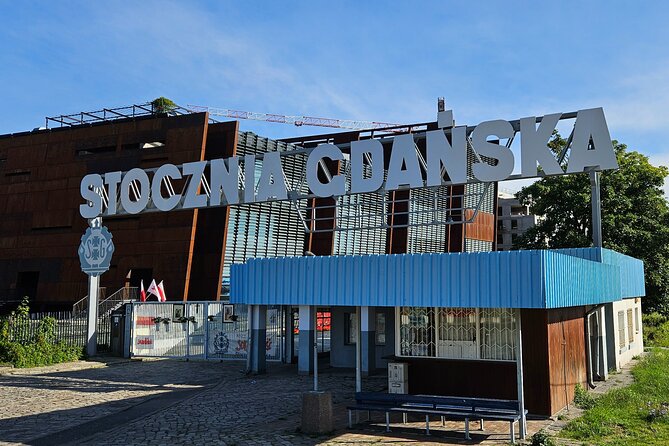
Two and a half hours is a sensible length for this subject. You have enough time to understand the main story, but the visit is not so long that it automatically takes over your day in Gdańsk.
The exact order can depend on the guide and the museum’s availability. You should expect a guided route through the major sections rather than a rigid performance with every minute fixed.
A typical visit will focus on the workers’ struggle, the anti-communist movement, Lech Wałęsa and Solidarity, the strike period, the round table talks, and the movement’s wider influence. Multimedia displays and recreated scenes provide the visual backbone.
Allow mental space after the tour. The subject is serious, and the centre asks you to think about rights and political action. If you are planning several museums in one day, this may be the most demanding stop, not because of physical exertion alone but because of the amount to absorb.
The tour involves staircases, including both climbing and descending. The venue is described as wheelchair accessible, but anyone who finds stairs difficult should confirm how the specific route will work before booking.
Price, included access, and what you still pay for
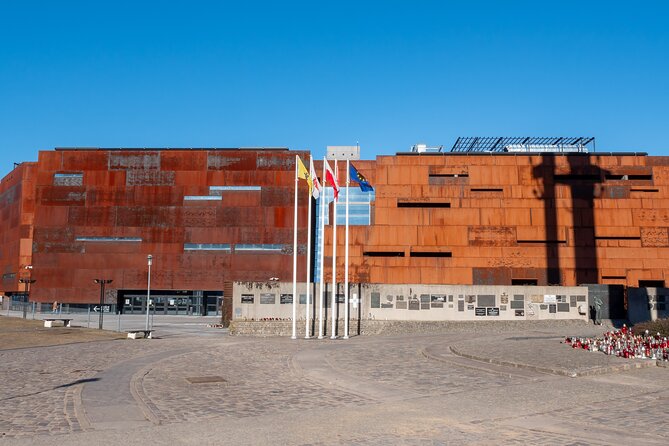
At $83 per person, this is not a bargain museum visit. You are paying for the entrance ticket plus a professional guide, rather than admission alone.
The price makes the most sense if you want help organizing a complex story. A self-guided visit may cost less, but you would need to build your own route through the displays and work out the political context yourself. The guided format gives you a clear path and a chance to hear the story in English or Polish.
The included skip-the-line access also saves time. That matters if you have only a short stay in Gdańsk or are fitting the centre between other plans.
Transport is not included. You must make your own way to the meeting point, which may change depending on the option you book. Food and drinks are also your responsibility.
The booking terms add useful flexibility. You can reserve now and pay later, and cancellation is free up to 24 hours before the activity for a full refund. Check the available start times because the schedule depends on guide availability and may shift slightly.
Practical details that can save you trouble
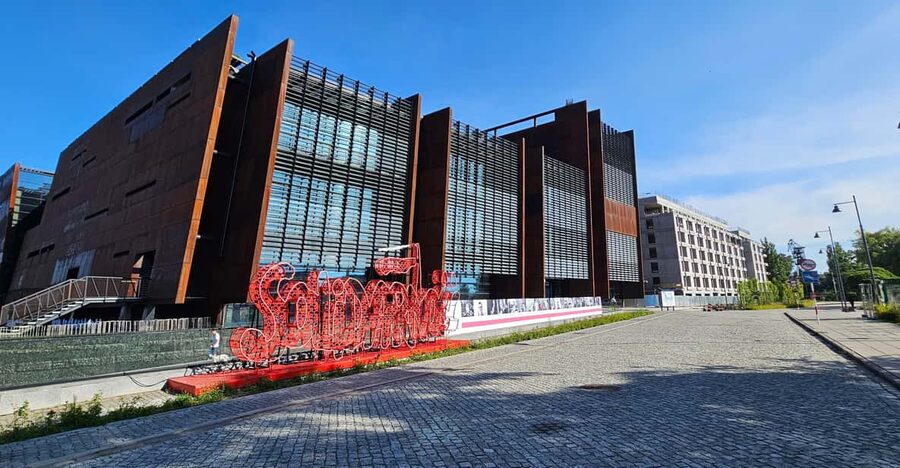
Arrive at least 10 minutes early. The start point may vary, and arriving late is a poor way to begin a museum visit with a fixed route.
Do not bring luggage or large bags. This is especially important if you are visiting Gdańsk between train journeys or checking out of accommodation. Arrange storage first rather than assuming a large suitcase will be accepted.
The tour is available in English and Polish. You must be at least 18 to book on your own, or you must be accompanied by an adult.
Wear comfortable shoes, mainly because of the staircases and the amount of standing and walking involved. That advice is practical, not a promise about the exact route. The centre is wheelchair accessible, but the activity information still warns that the tour includes stairs.
The meeting point is not fixed across every option. Read the booking details carefully after selecting your departure so you know exactly where to go.
Who will get the most from this tour
I would recommend this experience to you if you want more than a quick look at Gdańsk’s modern political past. It suits visitors who like museums with a clear social message and who want help placing local events in a wider European story.
It is also a good choice if you are unfamiliar with Poland’s communist period. The guide can provide a useful framework before you tackle the exhibits on your own.
Families with older teenagers may find the subject worthwhile, provided they are ready for serious material. The presentation is modern, but the history involves repression, conflict, and difficult choices.
You may prefer a self-guided visit if you read slowly, want to spend long periods at individual displays, or dislike the pace of a group tour. You may also want to skip this booking if stairs are a major concern or if the $83 price is above your museum budget.
The strongest reason to book is the combination of a major museum and a structured explanation. The biggest uncertainty is the guide. Marta is a name worth watching for when you select an option, but the available guide may vary.
Should you book the European Solidarity Centre tour?
Book it if you want to understand why Gdańsk matters in the story of Poland’s freedom and how Solidarity reached beyond the city. The recreated strikes, multimedia presentation, and round table section give the history a clear shape, while the human rights focus keeps it connected to the present.
At $83, the tour is best for you if guidance and time-saving matter more than finding the lowest admission cost. Arrive early, leave your large bags behind, and check the meeting point and guide language before paying.
I would choose this tour for a first visit to the centre, especially if Marta is leading. If you want total freedom to set your own pace, buy entry separately and explore on your own instead.
FAQ
How long does the European Solidarity Centre tour last?
The tour lasts 150 minutes, or two and a half hours.
What languages are available?
Live guiding is available in English and Polish.
Is admission to the European Solidarity Centre included?
Yes. Entrance tickets to the European Solidarity Centre are included.
Is transportation included?
No. Transportation is not included, and you must make your own way to the meeting point.
Is food or drink included?
No. Food and drinks are not included.
Can I skip the ticket line?
Yes. Skip-the-line entry is included with the activity.
Is the tour wheelchair accessible?
The activity is listed as wheelchair accessible. However, the tour also involves climbing and descending staircases, so you should check the route details for your selected option.
Can I cancel for a full refund?
Yes. You can cancel up to 24 hours before the activity for a full refund.
Do I need to bring a large bag or luggage?
No. Luggage and large bags are not allowed. Arrive at least 10 minutes before the start, and check the exact meeting point because it may vary by booking option.
Just added around Gdansk
- Gdansk and Malbork Castle Small Group Tour from Warsaw with Lunch★ 4.5 · 20 reviews
- Westerplatte private tour led by Expert-Guide (door to door)★ 5.0 · 5 reviews
- Whisky Tasting in Gdańsk★ 5.0 · 3 reviews
- Gdansk EVERYDAY Vodka Tasting Tour★ 5.0 · 6 reviews
- Westerplatte – 2h private trip by luxury car|★ 5.0 · 4 reviews
- Private WW2 Tour of Westerplatte,Gdansk and Stutthof Including Lunch★ 5.0 · 12 reviews
- Aiport Gdansk Transfer to Malbork Castle or Stutthof★ 5.0 · 3 reviews
- 5 hours Individual trip to the Stutthof Concentration Camp★ 5.0 · 5 reviews
Gdansk Shipyard Tours, compared.

Sunset on the Shipyard and Old Town Evening Cruise
Read our review →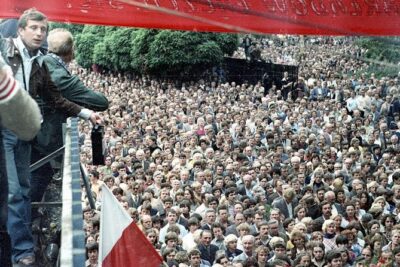
Private Communism Tour with Solidarity Center Museum
Read our review →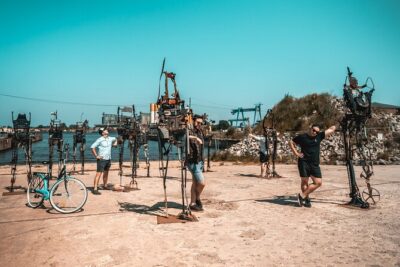
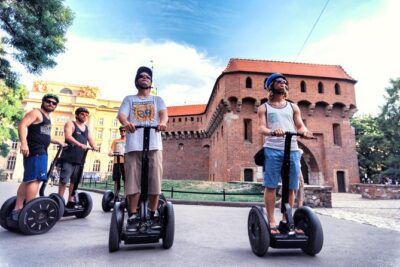
Segway Tour Gdansk: Shipyard Tour – 1,5-Hour of Magic!
Read our review →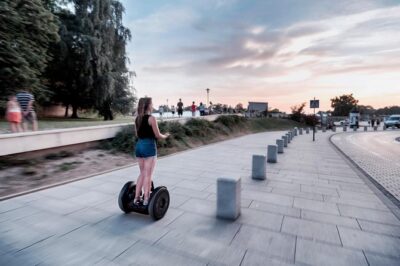
Segway Tour Gdańsk: Full Tour (Old Town + Shipyard) 3-Hour
Read our review →Gdansk Private Communism Tour with Solidarity Center Museum
Read our review →
Electric Scooter Tour: Full Tour (Old Town + Shipyard) 3hour
Read our review →Segway Tour Gdansk: Full Tour (Old Town + Shipyard) 3-Hour
Read our review →Browse the lists this tour appears in